
Postbaccalaureate Certificate in Movement and Mind-Body Therapies and Education
This one-year postbaccalaureate certificate in Movement and Mind-Body Therapies and Education teaches techniques to support physical and mental well-being, preparing students for roles in holistic health and education fields.
About
This certificate is designed for students who already hold a bachelor's degree and want to deepen their understanding of movement and mind-body therapies. It focuses on holistic approaches that connect physical movement with mental and emotional health. The program is suitable for those interested in careers related to wellness, therapy, education, or health promotion. It provides foundational knowledge and practical skills to work in settings like wellness centers, schools, or community programs.
- The program lasts one year and is offered in the United States.
- It is aimed at graduates who want to specialize in mind-body connection and movement therapies.
- Students learn to apply techniques that improve physical health and mental well-being.
- The certificate prepares for roles such as movement educators or therapeutic assistants in various health-related environments.
- The diploma helps develop skills useful in holistic health and educational settings.
What you study
The curriculum combines theoretical knowledge and practical application in movement and mind-body therapies. It covers how physical activity influences mental health and teaches techniques to promote balance and well-being. The program includes workshops, lectures, and hands-on practice. Students progressively deepen their understanding of body awareness, stress reduction, and movement education.
- Courses address movement principles, mindfulness, and therapeutic techniques.
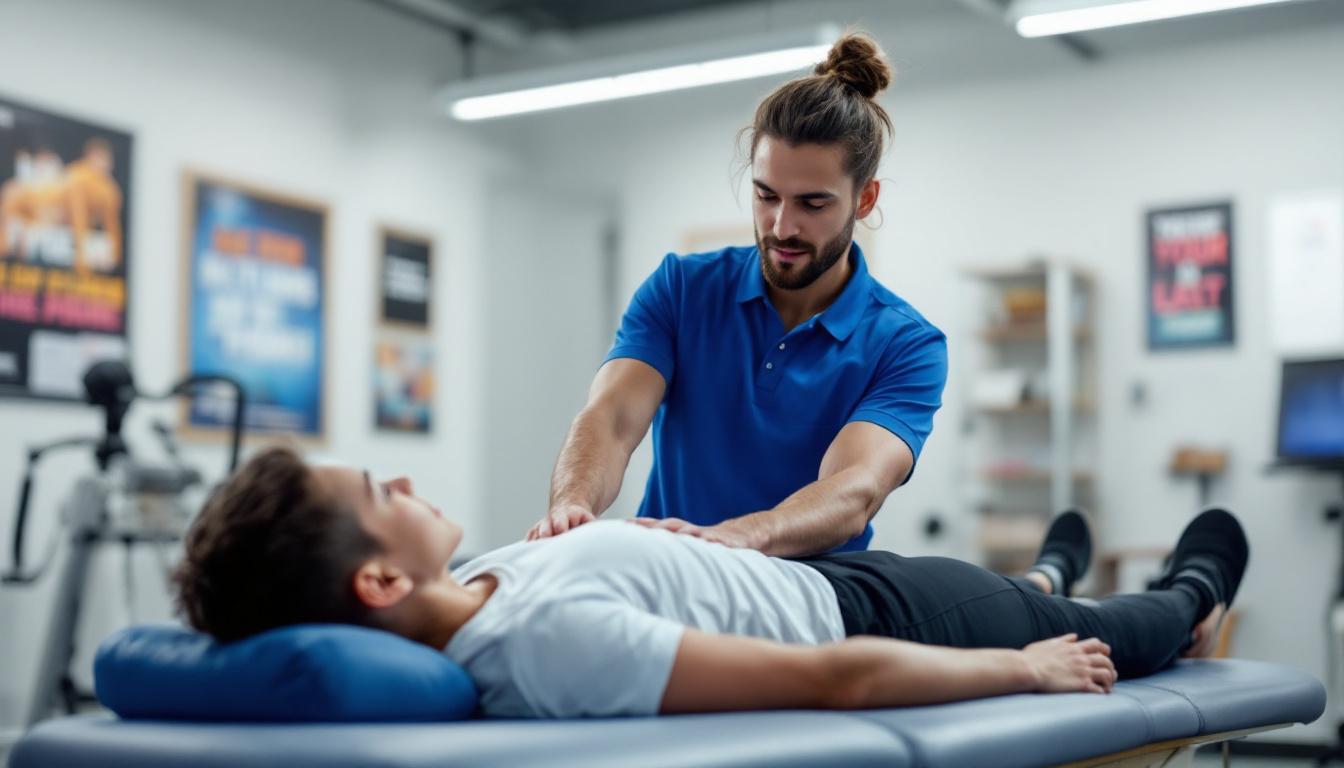
- Students engage in practical sessions to apply methods in real-life contexts.
- The program emphasizes body-mind connection through exercises and reflective practices.
- Workshops focus on stress management and physical rehabilitation approaches.
- Students learn to design movement-based programs for diverse populations.
- The curriculum integrates educational methods to support teaching and therapy roles.
How to get in
Admission requires a completed bachelor's degree, as this is a postbaccalaureate certificate in the US education system. Applicants usually submit transcripts, letters of motivation, and sometimes recommendations. The program looks for candidates interested in health, education, or therapy, with a background in related fields being helpful but not always mandatory.
- Applicants must hold a bachelor's degree from an accredited institution.
- The admission process involves submitting academic records and a personal statement.
- Some programs may require an interview or portfolio demonstrating interest in mind-body therapies.
- Candidates with experience in healthcare, education, or fitness are often preferred.
- The program is open to students motivated to work in holistic health or movement education.
Day to day
The one-year program typically follows a structured academic calendar with a mix of lectures, workshops, and practical sessions. Students engage in projects and sometimes internships or fieldwork to gain real-world experience. The schedule balances theory with hands-on learning to develop both knowledge and practical skills.
- Students attend regular classes and practical workshops throughout the year.
- There may be opportunities for internships or community projects to apply learning.
- The program often includes group work and individual assignments.
- Students learn to manage a balanced workload combining theory and practice.
- Some programs may offer part-time options, but full-time study is common.
Careers this degree leads to
Graduates can work in fields related to health, wellness, education, or therapy. Jobs may include assisting in movement therapy programs, teaching movement and mindfulness, or supporting wellness initiatives. The demand for professionals who understand the mind-body connection is growing, but entry-level roles often require further experience or education.
- Possible jobs include movement therapist assistant and mind-body educator.
- Graduates may find roles in wellness centers, schools, or community health programs.
- The certificate supports work in holistic health and therapeutic settings.
- Employment often involves supporting health professionals or leading group sessions.
- Insertion into the workforce is generally progressive, with experience valued.





Careers after further study
These careers require a higher level of study than this degree.


Continuing your studies
After this certificate, students may choose to continue studies in related areas such as health sciences, education, or therapy. Some pursue advanced certificates or master's degrees to deepen expertise or qualify for higher-level roles. Others may explore complementary fields like psychology or physical therapy.
- Further studies can include master's degrees in health or education.
- Students may pursue certifications in specialized therapies.
- Options exist to shift toward psychology or rehabilitation sciences.
- Additional training may enhance career opportunities in wellness and therapy.
Where to study this degree (7)







Liste des 7 établissements
- West Chester UniversityWest Chester
- Thomas Jefferson UniversityPhiladelphia
- Antioch University New EnglandKeene
- Columbia College ChicagoChicago
- Loyola Marymount UniversityLos Angeles
- Adler UniversityChicago
- Plymouth State UniversityPlymouth
Frequently asked questions
Who can apply for this certificate?
Applicants must have completed a bachelor's degree. The program is designed for those interested in movement and mind-body therapies, often with backgrounds in health, education, or related fields.
Is prior experience in therapy required?
Prior experience is not always mandatory, but having some background in health or education can be helpful for understanding the course material.
What kind of practical work is included?
The program includes workshops and hands-on sessions where students practice movement techniques and mindfulness exercises, sometimes involving community projects or internships.
Can this certificate lead directly to a job?
Graduates can find entry-level roles in wellness and education settings, but gaining experience or pursuing further studies often improves job prospects.
Is this program offered full-time or part-time?
Most programs are full-time over one year, though some institutions may offer part-time options depending on their setup.
What further studies can I do after this certificate?
Students may continue with master's degrees in health sciences or education, or pursue specialized certifications in therapy and related fields.
Does this certificate prepare for licensure as a therapist?
This certificate provides foundational knowledge but does not by itself qualify graduates for licensed therapist roles, which require further accredited training.
Are there job opportunities in schools with this certificate?
Yes, graduates can work as educators or assistants in school wellness programs, supporting movement and mind-body activities.