Postbaccalaureate Certificate in Advanced/Graduate Dentistry and Oral Sciences
This one-year postbaccalaureate certificate in Advanced/Graduate Dentistry and Oral Sciences provides specialized dental knowledge and skills, preparing students for advanced roles in dentistry or further graduate studies in the US.
About
This certificate program is designed for students who have completed a bachelor's degree and want to deepen their expertise in dentistry and oral sciences. It focuses on advanced dental concepts and clinical skills, serving as a bridge toward specialized dental careers or graduate education.
- The program lasts one year and offers focused training in dental sciences beyond the undergraduate level.
- It is intended for students aiming to improve their qualifications for advanced dental practice or research.
- Graduates gain knowledge that can help them pursue roles in dental clinics, research, or prepare for dental specialty residencies.
- The program is recognized within the US higher education system and aligns with graduate-level dental education standards.
- It is suitable for those seeking to strengthen their academic and clinical background before entering specialized dentistry fields.
What you study
The curriculum combines theoretical courses and practical training to build advanced dental expertise. Students study detailed oral anatomy, pathology, and treatment techniques.
- Core subjects include oral biology, advanced dental materials, and clinical oral sciences.
- Students engage in laboratory work and simulated clinical practice to apply their knowledge.
- The program emphasizes diagnostic skills and understanding of complex dental conditions.
- There is a progression from foundational advanced science topics to applied clinical methods.
- Practical experience is integrated through case studies and supervised clinical observations.
- The curriculum prepares students for further graduate dental studies or specialized clinical roles.
How to get in
Admission requires a completed bachelor's degree, preferably in a related science or health field. Candidates must demonstrate academic readiness and interest in advanced dental studies.
- Applicants submit transcripts showing a strong academic record in relevant subjects.
- Some programs may require letters of recommendation or a statement of purpose.
- Admission procedures include review by the program committee within the US university system.
- International students may need to provide proof of English proficiency.
- The program targets students motivated to enhance their dental knowledge beyond undergraduate studies.
- Prior dental experience is helpful but not always mandatory.
Day to day
The one-year program is intensive, combining lectures, labs, and clinical observations. Students follow a structured schedule balancing theory and practice.
- Typical weeks include classroom sessions on advanced dental topics and laboratory practice for hands-on learning.
- Students participate in clinical case discussions to develop diagnostic and treatment planning skills.
- Some programs offer observational internships in dental clinics to experience real patient care.
- The workload requires consistent study and active participation in practical exercises.
- There is no formal alternating work-study format, but practical exposure is emphasized.
- Students often work on projects or research related to oral health sciences.
Careers this degree leads to
Graduates can pursue various roles in dental healthcare and research. The certificate enhances qualifications for specialized dental programs or clinical support positions.
- Possible careers include dental research assistant, clinical dental technician, or roles in oral health education.
- The program supports entry into graduate dental specialties or advanced clinical training.
- Dental clinics, research institutions, and educational organizations are common employers.
- Employment opportunities depend on additional qualifications and licensure requirements.
- The program helps graduates build a foundation for further dental career development.
- Insertion into the workforce is generally facilitated by the program’s practical orientation.






Careers after further study
These careers require a higher level of study than this degree.


Continuing your studies
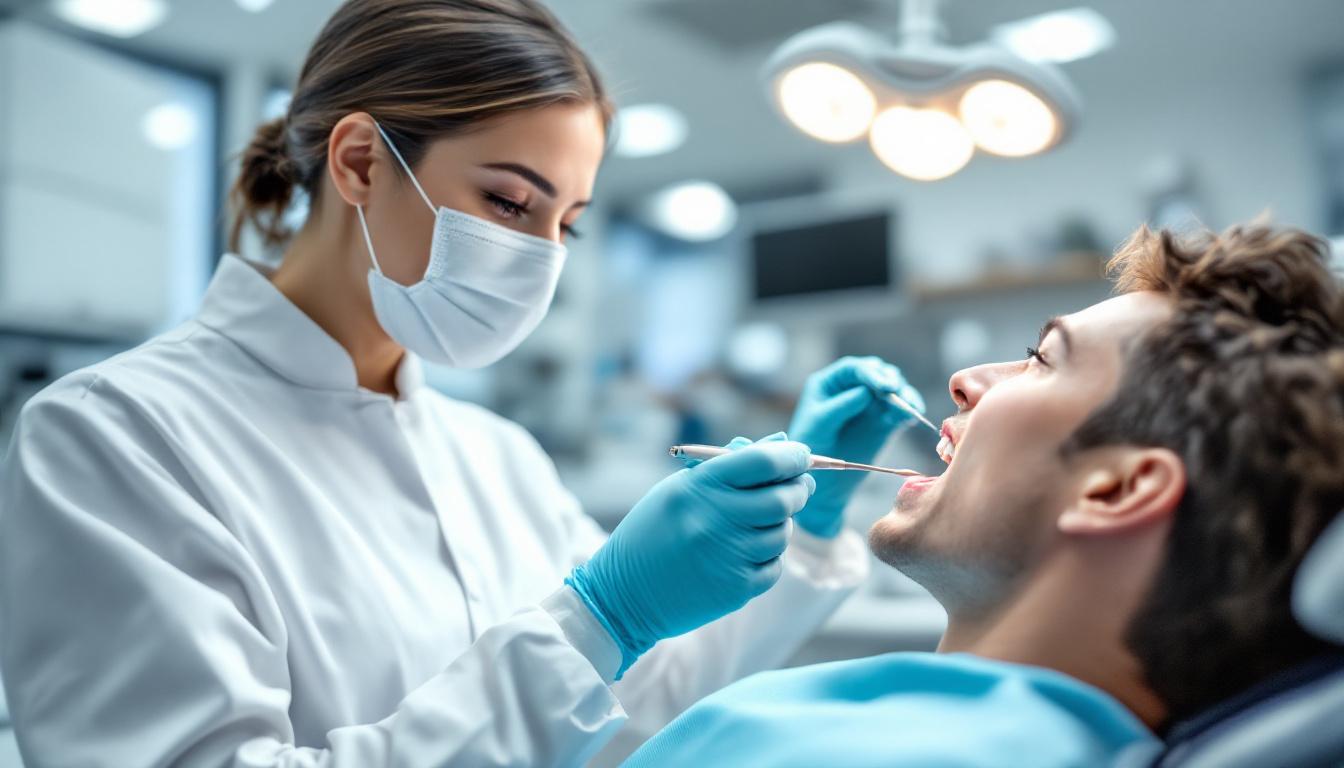
After completing the certificate, students often continue with graduate dental programs or specialty residencies. The certificate strengthens applications for advanced studies.
- Common next steps include enrolling in dental specialty residencies such as orthodontics or periodontics.
- Some pursue master’s degrees or doctoral programs in dental sciences.
- The program also allows reorientation toward dental research or public health dentistry.
- It provides a solid academic base for further professional development in dentistry.
Where to study this degree (72)







Liste des 72 établissements
- New York UniversityNew York
- University of PennsylvaniaPhiladelphia
- A.T. Still UniversityKirksville
- Seton Hill UniversityGreensburg
- Roseman University of Health SciencesHenderson
- University of North Carolina at Chapel HillChapel Hill
- Boston UniversityBoston
- Wichita State UniversityWichita
- Rocky Mountain University of Health ProfessionsProvo
- The University of Texas Health Science Center at HoustonHouston
- Augusta UniversityAugusta
- University of Alabama at BirminghamBirmingham
- University of OklahomaNorman
- University of Southern CaliforniaLos Angeles
- Tufts UniversityMedford
- University of RochesterRochester
- Nova Southeastern UniversityFort Lauderdale
- The University of Texas Health Science Center at San AntonioSan Antonio
- St. Petersburg CollegeSt. Petersburg
- Columbia UniversityNew York
- Texas A & M University-College StationCollege Station
- University of UtahSalt Lake City
- University of Michigan-Ann ArborAnn Arbor
- Rutgers University-New BrunswickNew Brunswick
- Case Western Reserve UniversityCleveland
- University of Illinois ChicagoChicago
- Ohio State University-Main CampusColumbus
- Indiana University-IndianapolisIndianapolis
- University of LouisvilleLouisville
- Saint Louis UniversitySt Louis
- University at BuffaloBuffalo
- University of Washington-Seattle CampusSeattle
- University of Minnesota-Twin CitiesMinneapolis
- Loma Linda UniversityLoma Linda
- University of Pittsburgh-Pittsburgh CampusPittsburgh
- University of Maryland, BaltimoreBaltimore
- University of IowaIowa City
- Virginia Commonwealth UniversityRichmond
- Harvard UniversityCambridge
- University of Puerto Rico-Medical SciencesSan Juan
- University of Colorado Denver/Anschutz Medical CampusDenver
- University of Nebraska Medical CenterOmaha
- University of Detroit MercyDetroit
- Louisiana State University Health Sciences Center-New OrleansNew Orleans
- Jacksonville UniversityJacksonville
- Temple UniversityPhiladelphia
- University of California-San FranciscoSan Francisco
- University of FloridaGainesville
- Marquette UniversityMilwaukee
- The University of Tennessee Health Science CenterMemphis
- University of ConnecticutStorrs
- Howard UniversityWashington
- University of the PacificStockton
- Medical University of South CarolinaCharleston
- University of California-Los AngelesLos Angeles
- Oregon Health & Science UniversityPortland
- University of Missouri-Kansas CityKansas City
- Southern Illinois University EdwardsvilleEdwardsville
- Stony Brook UniversityStony Brook
- University of KentuckyLexington
- University of Oklahoma-Health Sciences CenterOklahoma City
- Metropolitan State UniversitySaint Paul
- West Virginia UniversityMorgantown
- University of Nevada, Las VegasLas Vegas
- University of ToledoToledo
- Creighton UniversityOmaha
- Minnesota State University, MankatoMankato
- Mayo Clinic College of Medicine and ScienceRochester
- Ilisagvik CollegeBarrow
- Oakwood UniversityHuntsville
- Rio Salado CollegeTempe
- Northwestern UniversityEvanston
Frequently asked questions
Who is eligible to apply for this certificate?
Applicants must have completed a bachelor's degree, preferably in a related field. They should demonstrate academic readiness and interest in advanced dental studies.
Does this certificate allow me to practice as a dentist?
No, this certificate provides advanced knowledge but does not replace dental licensure. Graduates need further professional qualifications to practice dentistry.
Is there practical clinical training included?
Yes, the program includes laboratory work and clinical observations to develop practical skills, but it does not typically include direct patient care.
Can international students apply to this program?
Yes, international students can apply but may need to prove English proficiency and meet other admission requirements of the US university.
What career opportunities are available after this certificate?
Graduates can work in dental research, clinical support roles, or continue to specialized dental graduate programs.
Is this program offered full-time or part-time?
The certificate is usually a full-time, one-year program with a structured schedule of classes and practical work.
Can I continue my studies after completing this certificate?
Yes, many students use this certificate as a stepping stone to dental specialty residencies or advanced graduate degrees in dentistry.
Is there an option for alternating work and study?
No, the program does not typically offer an alternating work-study format but emphasizes practical experience through labs and clinical observation.
