
Postbaccalaureate Certificate in Clinical/Medical Laboratory Science/Research and Allied Professions
This one-year postbaccalaureate certificate trains students in clinical and medical laboratory science, preparing them for roles in healthcare and research labs.
About
This postbaccalaureate certificate in Clinical/Medical Laboratory Science is a specialized program in the United States designed for students who already hold a bachelor's degree. It focuses on training individuals in the techniques and knowledge needed to work in clinical and medical laboratories. The program is ideal for those interested in healthcare fields related to laboratory testing, diagnostics, and biomedical research. Graduates can pursue careers as laboratory technologists or assistants, contributing to patient care by analyzing samples and supporting medical decisions.
- The certificate lasts one year and is considered a postbaccalaureate level program.
- It is aimed at students who have completed a bachelor’s degree in a related or unrelated field and want to specialize in laboratory sciences.
- The program prepares students for roles in clinical laboratories, hospitals, research centers, and public health organizations.
- It provides foundational knowledge to work under supervision in medical testing and research environments.
- Graduates often become medical laboratory technicians or support staff in allied health professions.
What you study
The curriculum combines theoretical courses with practical laboratory work to ensure students gain hands-on experience. The program covers essential topics in medical laboratory science, including microbiology, hematology, clinical chemistry, and immunology. Students learn how to perform diagnostic tests, handle laboratory equipment, and understand quality control procedures.
- Courses include clinical laboratory techniques and medical microbiology, focusing on disease detection and analysis.
- Students study hematology to understand blood disorders and clinical chemistry for biochemical testing.
- The program emphasizes laboratory safety and quality assurance to maintain accurate results.
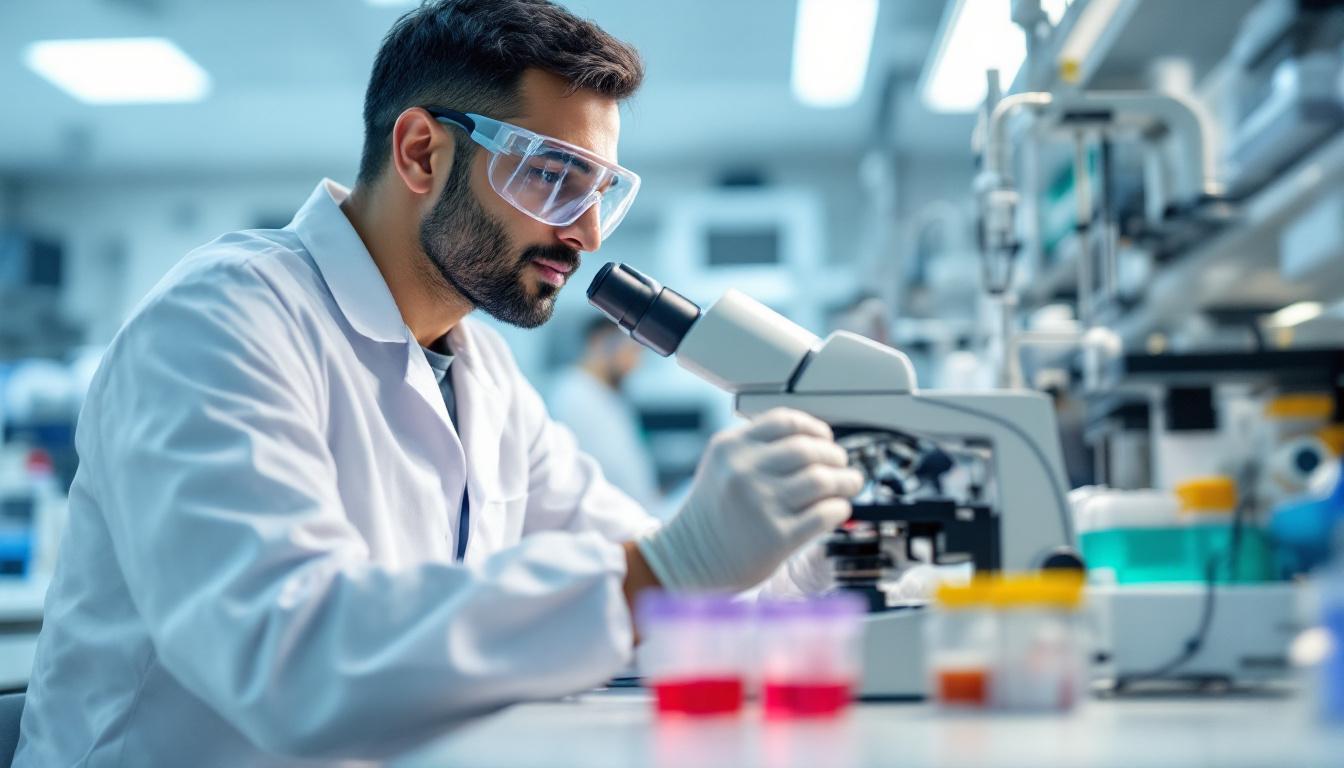
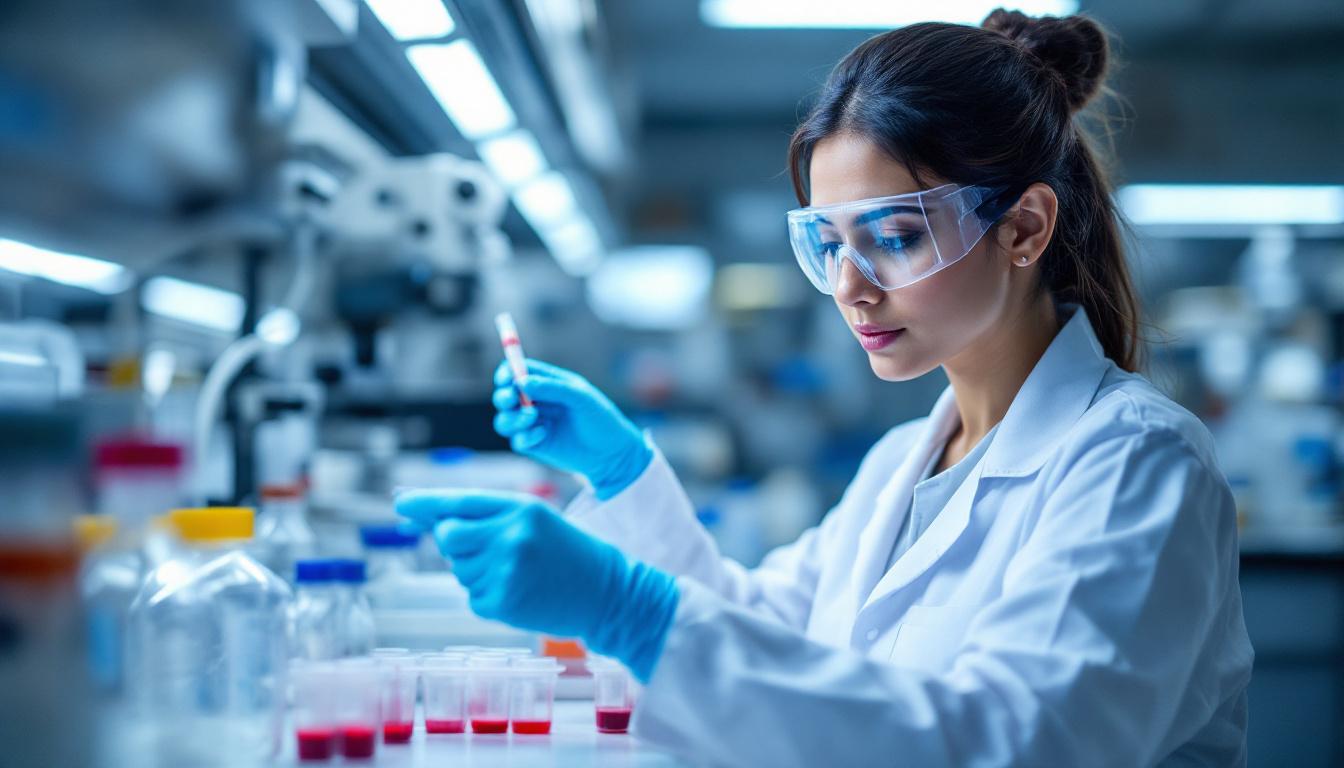
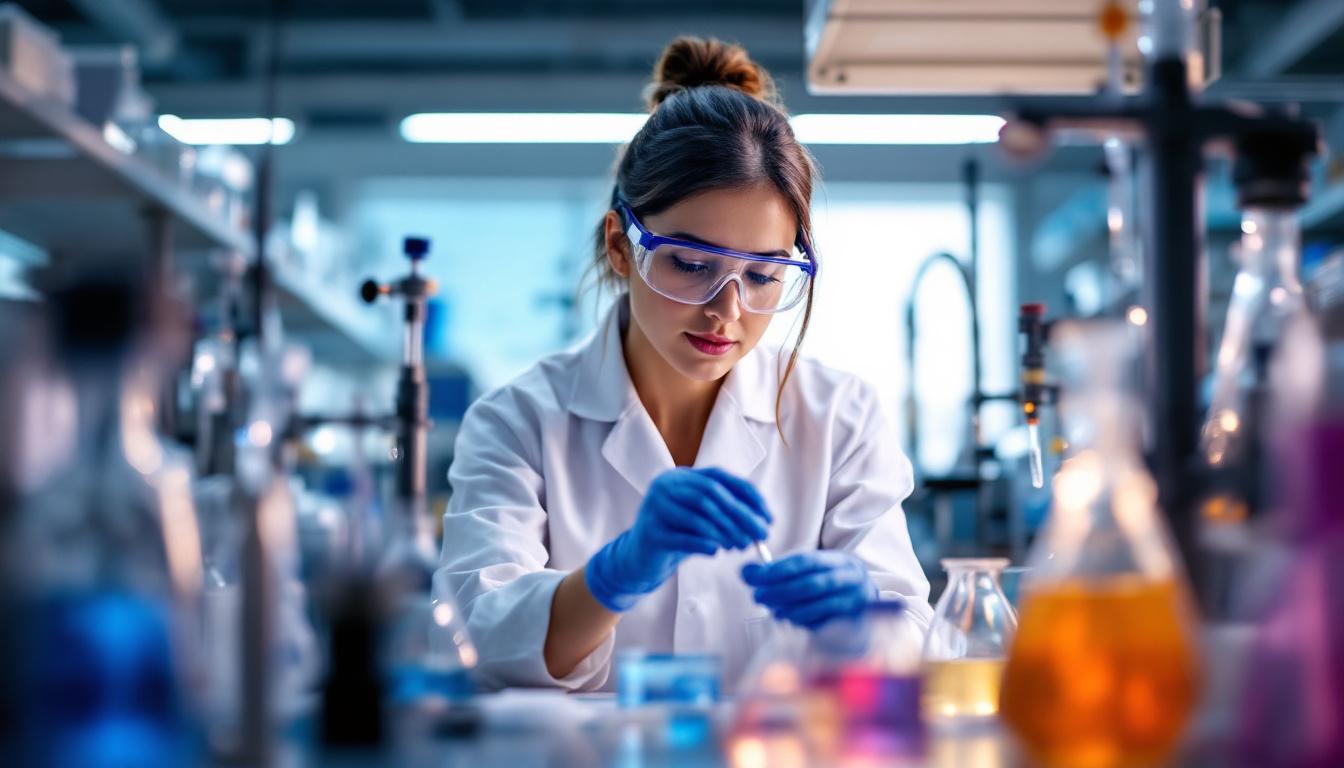
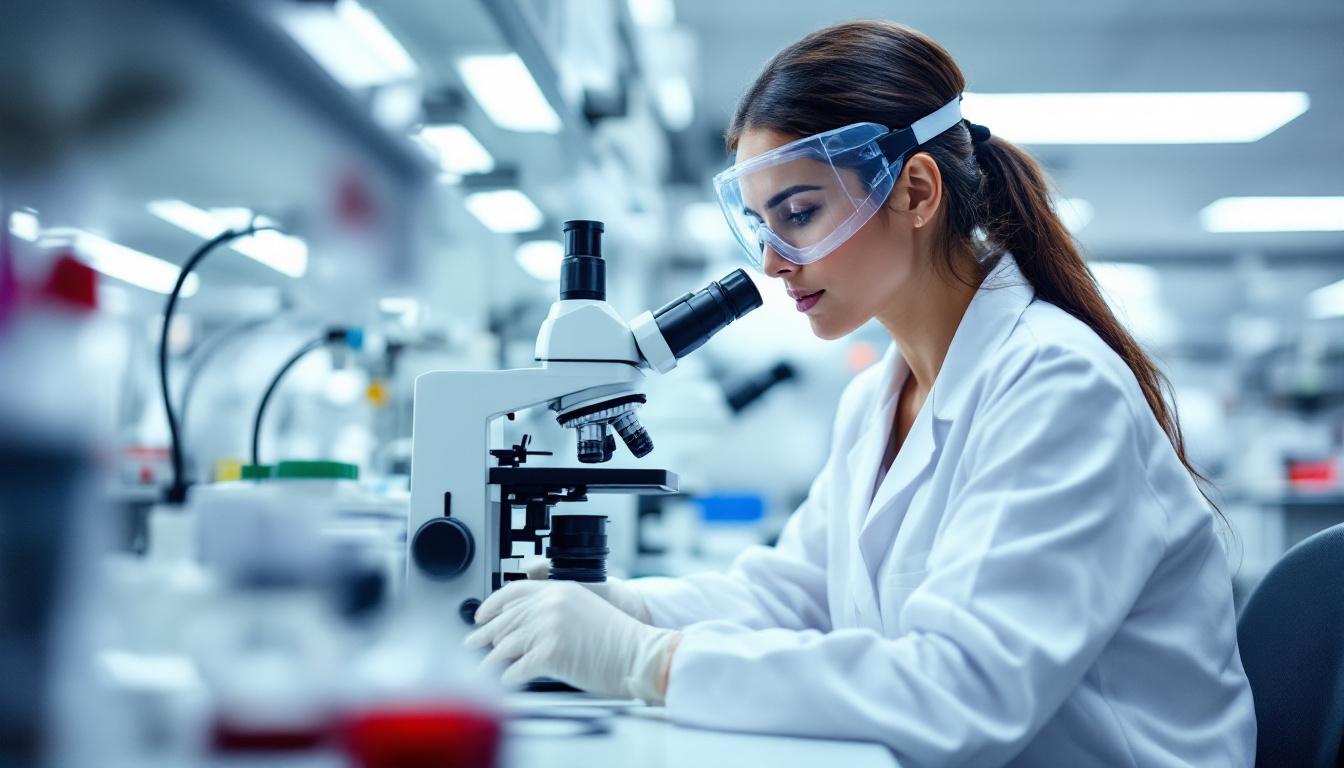
- Practical sessions in labs allow students to apply theory through sample analysis and instrumentation use.
- Some programs may include a capstone project or research component to develop problem-solving skills.
How to get in
Admission to this certificate program requires applicants to have completed a bachelor's degree, preferably with some coursework in biology or chemistry, although backgrounds may vary. The application process typically involves submitting transcripts, letters of recommendation, and sometimes a personal statement explaining the candidate’s interest in clinical laboratory science.
- Applicants must hold a bachelor’s degree from an accredited institution.
- Some programs may require prerequisite courses in biology and chemistry.
- Admission is generally selective, focusing on academic records and motivation.
- Applicants may need to provide proof of immunizations or health clearances for lab work.
- International students must meet visa and English proficiency requirements.
Day to day
The one-year program typically follows a full-time schedule combining classroom lectures, laboratory sessions, and sometimes clinical internships. Students spend significant time in practical labs to develop technical skills. Some programs may include partnerships with local hospitals or clinics for real-world experience.
- The academic year is structured around weekly lectures and laboratory practice sessions.
- Students engage in hands-on experiments to learn test procedures and equipment handling.
- Internships or clinical placements may be part of the curriculum to expose students to actual healthcare settings.
- Group projects and presentations help develop communication and teamwork skills.
- Time management is important as students balance theory, practice, and assessments.
Careers this degree leads to
Graduates of this certificate can find employment in various healthcare and research settings where medical laboratory testing is essential. The demand for skilled laboratory personnel remains steady due to the critical role of lab tests in diagnosing diseases and monitoring treatments.
- Common jobs include medical laboratory technician and clinical laboratory assistant.
- Employment sectors include hospitals, diagnostic laboratories, and public health agencies.
- The healthcare industry regularly recruits trained lab personnel to support patient care.
- Some graduates may work in biomedical research or pharmaceutical labs.
- Insertion into the workforce is generally rapid for those with practical skills and certifications.


Careers after further study
These careers require a higher level of study than this degree.


Continuing your studies
After completing this certificate, students can consider further studies to advance their careers. Options include pursuing a bachelor’s or master’s degree in medical laboratory science or related health sciences. Additional certifications may also enhance job prospects.
- Graduates may enroll in a bachelor’s degree program if they do not already hold one in the field.
- Advanced degrees such as a master’s in biomedical sciences can open research opportunities.
- Some may choose to obtain professional certifications to qualify for higher-level roles.
- Reorientation towards other allied health programs is possible depending on interests.
Where to study this degree (48)



















Liste des 48 établissements
- Bellarmine UniversityLouisville
- University of Wisconsin–OshkoshOshkosh
- Heritage UniversityToppenish
- The University of Texas Medical Branch at GalvestonGalveston
- Ohio Northern UniversityAda
- Hunter CollegeNew York
- George Washington UniversityWashington
- Saint Louis UniversitySt Louis
- University of CincinnatiCincinnati
- The University of Texas Rio Grande ValleyEdinburg
- Wayne State UniversityDetroit
- Inter American University of Puerto Rico-San GermanSan German
- Abilene Christian UniversityAbilene
- University of Puerto Rico-Medical SciencesSan Juan
- University of Nebraska Medical CenterOmaha
- Inter American University of Puerto Rico-MetroSan Juan
- Texas Tech University Health Sciences CenterLubbock
- Mayo Clinic College of Medicine and ScienceRochester
- Rush UniversityChicago
- Wright State UniversityDayton
- Universidad Ana G. Mendez-Gurabo CampusGurabo
- University of RochesterRochester
- Oklahoma Christian UniversityEdmond
- Pontifical Catholic University of Puerto Rico-PoncePonce
- University of Massachusetts LowellLowell
- Universidad Ana G. Mendez-Carolina CampusCarolina
- Rowan UniversityGlassboro
- University of Wisconsin–MadisonMadison
- Texas A&M University – Corpus ChristiCorpus Christi
- University of ArizonaTucson
- Medical College of WisconsinMilwaukee
- Indiana University-IndianapolisIndianapolis
- The University of Tennessee Health Science CenterMemphis
- Ohio State University-Main CampusColumbus
- Old Dominion UniversityNorfolk
- Marquette UniversityMilwaukee
- University of ConnecticutStorrs
- Neumann UniversityAston
- Florida Gulf Coast UniversityFort Myers
- Temple UniversityPhiladelphia
- California State University, San MarcosSan Marcos
- San Francisco State UniversitySan Francisco
- Stony Brook UniversityStony Brook
- University of IowaIowa City
- Drexel UniversityPhiladelphia
- University of Colorado Colorado SpringsColorado Springs
- University of KentuckyLexington
- Southern Adventist UniversityCollegedale
Frequently asked questions
What prior education do I need to apply for this certificate?
You must have completed a bachelor’s degree, preferably with some background in biology or chemistry. Some programs may require specific prerequisite courses.
Is this certificate enough to work as a medical laboratory technician?
This certificate prepares you for entry-level roles in clinical laboratories, but some employers may require additional certifications or degrees.
Does the program include practical training?
Yes, the program combines classroom learning with laboratory practice and may include internships in healthcare settings.
Can I pursue further studies after this certificate?
Yes, you can continue with bachelor’s or master’s degrees in related fields or obtain professional certifications to advance your career.
Is the program full-time or part-time?
Typically, this certificate is offered as a full-time one-year program to cover both theory and practical skills.
Are there opportunities to work while studying?
Alternance or work-study options are generally not available for this certificate; it focuses on full-time study.
What kind of jobs can I get after completing this certificate?
Graduates can work as medical laboratory technicians or assistants in hospitals, diagnostic labs, research centers, and public health agencies.
Is this certificate recognized across the United States?
Yes, it is recognized as a postbaccalaureate certificate in clinical laboratory science, but requirements may vary by state and employer.