
Postbaccalaureate Certificate in Allied Health Diagnostic, Intervention, and Treatment Professions
This one-year postbaccalaureate certificate trains students in allied health diagnostic, intervention, and treatment professions, preparing them for roles in healthcare support and patient care.
About
This Postbaccalaureate Certificate in Allied Health Diagnostic, Intervention, and Treatment Professions is designed for students who have already completed a bachelor's degree and want to specialize in healthcare support roles. It focuses on developing skills to assist in diagnosing, treating, and managing patient care under supervision. The program is suitable for those aiming to work in various healthcare settings such as clinics, hospitals, or rehabilitation centers. It prepares graduates for technical and support positions that contribute to patient health and recovery.
- The certificate takes one year to complete after earning a bachelor's degree.
- It targets students interested in healthcare support and allied health professions.
- The program trains students to assist in diagnostic and treatment procedures under professional supervision.
- It prepares graduates for roles in diverse healthcare environments like hospitals and outpatient clinics.
- The certificate enhances practical skills needed for patient care and intervention support.
What you study
The curriculum combines theoretical knowledge with practical training to prepare students for allied health roles. Courses cover anatomy, physiology, medical terminology, and healthcare ethics, providing a foundation for understanding patient care. Students also learn about diagnostic techniques, treatment interventions, and the use of medical equipment. The program emphasizes hands-on experience through labs and clinical practice to develop technical skills.
- Core subjects include human anatomy, physiology, and medical terminology.
- Students study diagnostic methods and treatment procedures relevant to allied health.
- Ethics and communication in healthcare are important parts of the curriculum.
- Practical training involves laboratory work and clinical observations.
- The program offers a balance between theory and hands-on practice to build professional skills.
How to get in
Admission requires a completed bachelor's degree, reflecting the postbaccalaureate level of the certificate. Candidates typically apply through the university or college offering the program, submitting transcripts and sometimes letters of recommendation. The selection process may consider academic background and motivation for entering allied health fields. Students with degrees in sciences or health-related areas are often preferred but not exclusively required.
- Applicants must hold a bachelor's degree from an accredited institution.
- Admission involves submitting academic transcripts and possibly recommendation letters.
- The process is managed by the college or university admissions office in the US.
- Backgrounds in science or health subjects can be advantageous.
- Motivation for working in healthcare support is important for selection.
Day to day
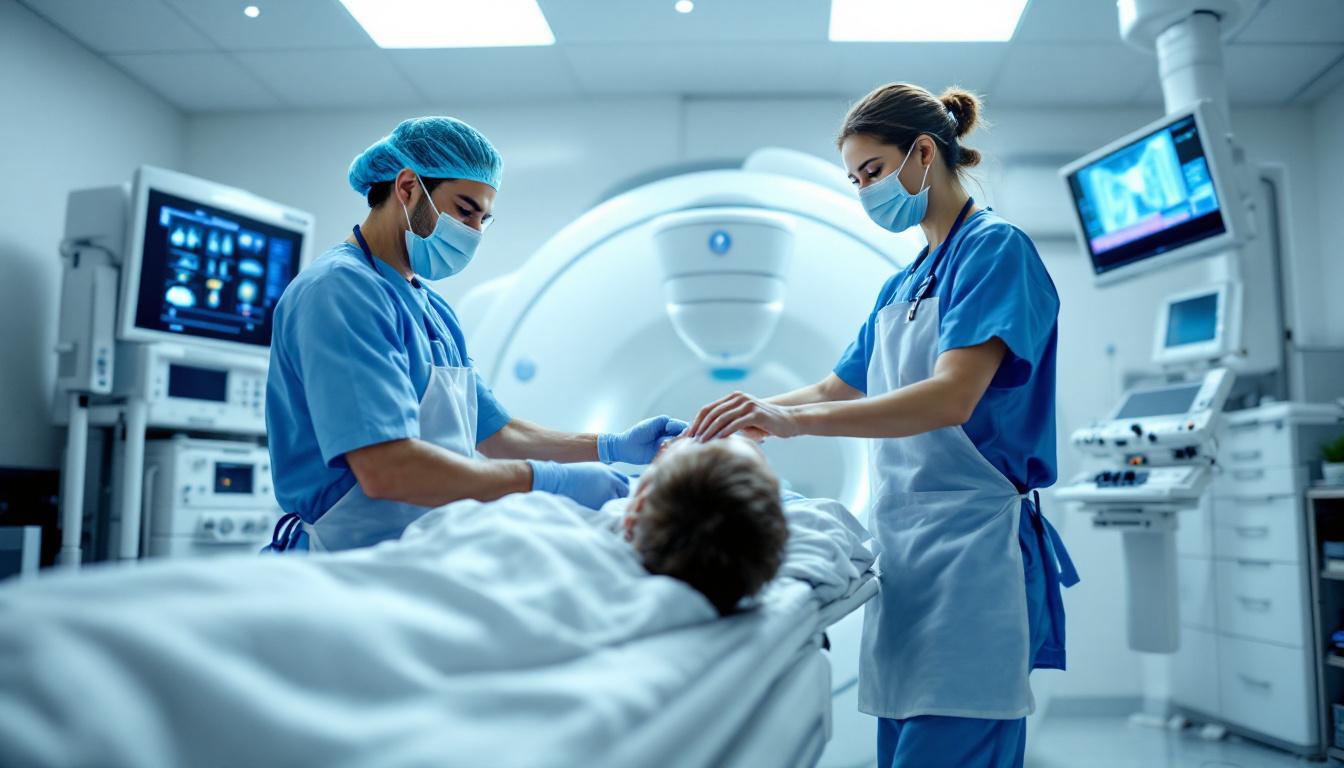
The academic year is intensive, combining lectures, practical sessions, and clinical experiences. Students attend classes covering theoretical content and participate in labs to practice technical skills. Clinical placements or internships provide real-world exposure to healthcare settings, allowing students to observe and assist professionals. The program’s schedule is typically full-time, with a mix of classroom and hands-on learning.
- The year includes regular lectures and laboratory sessions for skill development.
- Students engage in clinical internships to experience patient care environments.
- The program is usually full-time with a structured weekly timetable.
- Projects and case studies help apply knowledge to practical situations.
- Direct interaction with healthcare teams enhances understanding of daily professional tasks.
Careers this degree leads to
Graduates can pursue careers as allied health technicians or assistants in various medical settings. They may work in hospitals, clinics, rehabilitation centers, or diagnostic laboratories. The certificate prepares students for roles supporting diagnosis, treatment, and patient care under supervision. Employment opportunities exist in sectors focused on health services and patient support, with generally positive prospects for entering the workforce.
- Possible jobs include allied health technician and medical assistant.
- Workplaces include hospitals, outpatient clinics, and rehabilitation centers.
- Graduates assist in diagnostic and treatment procedures under supervision.
- The healthcare sector offers varied opportunities for allied health roles.
- Job entry is generally feasible soon after graduation.





Careers after further study
These careers require a higher level of study than this degree.


Continuing your studies
After completing this certificate, students may choose to continue studies in health sciences or related fields to advance their careers. Options include bachelor's or master's degrees in healthcare administration, public health, or specialized allied health professions. The certificate can serve as a stepping stone for further education or a way to gain practical skills before entering the workforce.
- Students can pursue bachelor’s or master’s degrees in health-related areas.
- Fields like public health or healthcare administration are common continuations.
- The certificate can facilitate specialization or professional advancement.
- It also allows for career reorientation within healthcare sectors.
Where to study this degree (46)




















Liste des 46 établissements
- Northeastern UniversityBoston
- Suffolk UniversityBoston
- Hillsborough Community CollegeTampa
- Misericordia UniversityDallas
- Thomas Jefferson UniversityPhiladelphia
- Seattle UniversitySeattle
- Cox CollegeSpringfield
- University of Louisiana at MonroeMonroe
- A.T. Still UniversityKirksville
- Delgado Community CollegeNew Orleans
- Northwestern UniversityEvanston
- University of IowaIowa City
- Massachusetts College of Pharmacy and Health SciencesBoston
- Indiana University-IndianapolisIndianapolis
- University of Nebraska Medical CenterOmaha
- Duke UniversityDurham
- University of KentuckyLexington
- Stony Brook UniversityStony Brook
- Ohio University LancasterAthens
- Arkansas State UniversityJonesboro
- Manhattan UniversityRiverdale
- Old Dominion UniversityNorfolk
- University of North Texas Health Science CenterFort Worth
- University of LynchburgLynchburg
- George Washington UniversityWashington
- University of Maryland-Baltimore CountyBaltimore
- Southern Adventist UniversityCollegedale
- Medical University of South CarolinaCharleston
- Creighton UniversityOmaha
- Seton Hill UniversityGreensburg
- University of ConnecticutStorrs
- Texas State UniversitySan Marcos
- Cedar Crest CollegeAllentown
- Hofstra UniversityHempstead
- University of North Carolina at CharlotteCharlotte
- East Carolina UniversityGreenville
- Canisius CollegeBuffalo
- Touro CollegeNew York
- San Diego State UniversitySan Diego
- Commonwealth University of PennsylvaniaBloomsburg
- Northwestern State UniversityNatchitoches
- Southern Illinois University CarbondaleCarbondale
- Worcester State UniversityWorcester
- West Chester UniversityWest Chester
- University of MississippiOxford
- Millersville UniversityMillersville
Frequently asked questions
What prior education is needed to apply for this certificate?
Applicants must have completed a bachelor's degree. The program is designed as a postbaccalaureate certificate, so prior undergraduate education is required.
Does the program include practical experience?
Yes, the curriculum includes laboratory work and clinical internships to provide hands-on experience in healthcare settings.
Can this certificate lead directly to a healthcare job?
Graduates are prepared for support roles in allied health, which often allow them to enter the workforce soon after completing the program.
Is the program full-time or part-time?
The certificate is typically offered as a full-time program lasting one year, combining classes and clinical practice.
Are there opportunities to continue studies after this certificate?
Yes, students can pursue further education in health sciences or related fields to specialize or advance their careers.
Is prior healthcare experience required to enroll?
Prior healthcare experience is not usually required, but a background in science or health-related subjects can be helpful.
Does the program offer alternance or work-study options?
Alternance or work-study options are generally not available for this certificate program.
What kinds of jobs can I get after completing this certificate?
Graduates can work as allied health technicians, medical assistants, or clinical support workers in hospitals, clinics, and other healthcare facilities.