
Postbaccalaureate Certificate in Ecology, Evolution, Systematics, and Population Biology
This one-year postbaccalaureate certificate in Ecology, Evolution, Systematics, and Population Biology offers foundational knowledge in biological sciences, preparing students for research or further studies in environmental and biological fields.
About
This certificate is designed for students who have already completed a bachelor's degree and want to deepen their understanding of ecological and evolutionary biology. It focuses on the study of living organisms, their evolution, classification, and population dynamics. The program is suitable for those aiming to work in research, environmental consulting, or to prepare for graduate studies in biology or related fields.
- The certificate lasts for one year and is offered in the United States.
- It covers key areas such as ecology, evolution, systematics, and population biology.
- It is aimed at students with a bachelor's degree in biology or a related science.
- The program helps develop skills useful for research roles or as preparation for advanced degrees.
- It provides a focused curriculum without the length of a full graduate degree.
What you study
The curriculum includes a mix of theoretical courses and practical work to build a solid foundation in biological sciences. Students study how species evolve, how populations change over time, and how organisms are classified. The program emphasizes understanding ecological relationships and evolutionary processes.
- Courses cover ecology, including ecosystems and environmental interactions.
- Evolutionary biology topics focus on genetic variation and natural selection.
- Systematics teaches classification and relationships among organisms.
- Population biology explores population dynamics and species distribution.
- Students engage in laboratory work and field studies to apply concepts.
- The program is structured to be completed in one academic year, with progressive complexity.
How to get in
Admission to this certificate program requires a prior bachelor's degree, typically in biology or a closely related field. The selection process is based on academic records and sometimes letters of recommendation. Applicants should demonstrate a strong interest in biological sciences.
- Applicants must hold a bachelor's degree from an accredited institution.
- Admission often requires submission of transcripts and possibly a statement of purpose.
- Some programs may request letters of recommendation from professors.
- Students with backgrounds in related sciences may also be considered.
- The program is offered by universities or colleges in the United States.
Day to day
The academic year involves a combination of lectures, laboratory sessions, and fieldwork. Students typically attend classes several times a week and participate in hands-on projects to reinforce learning. Some programs may offer opportunities for internships or research assistantships.
- The schedule includes regular lectures and practical labs focused on ecological and evolutionary topics.
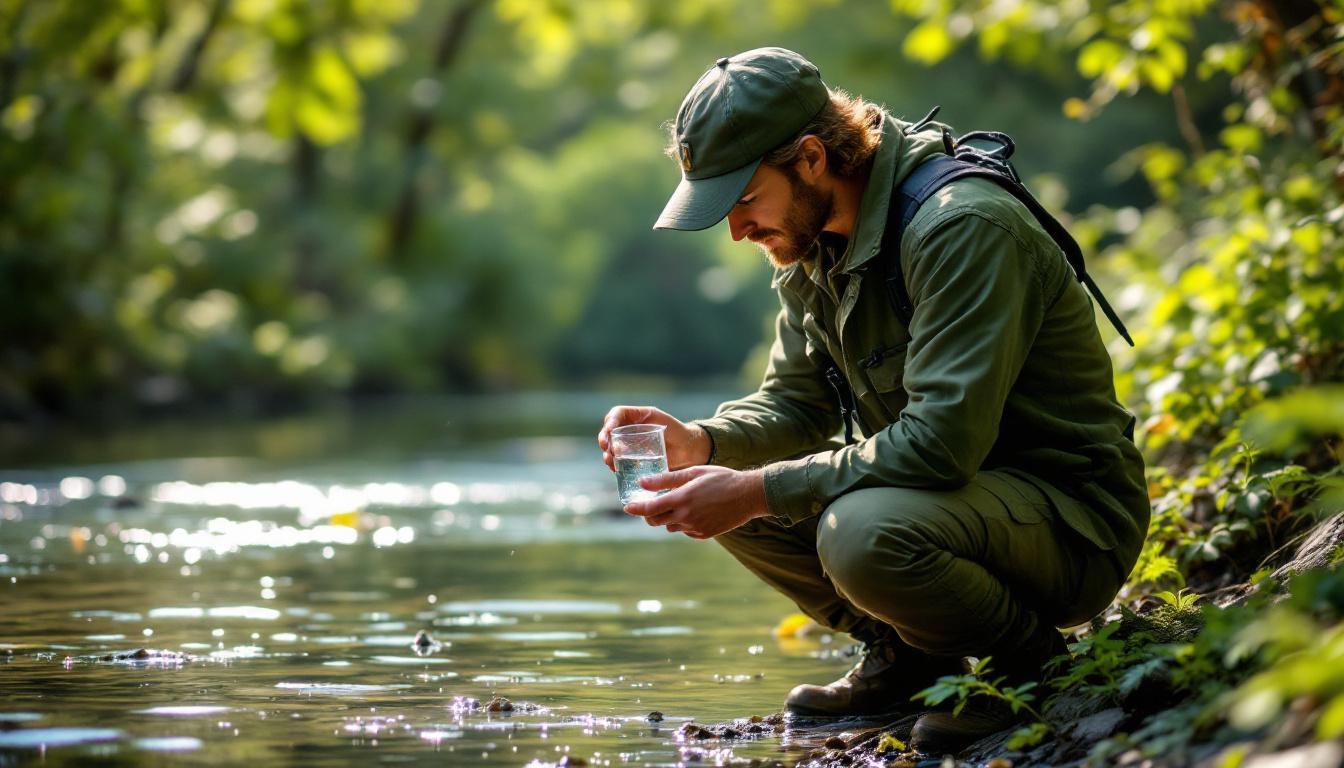
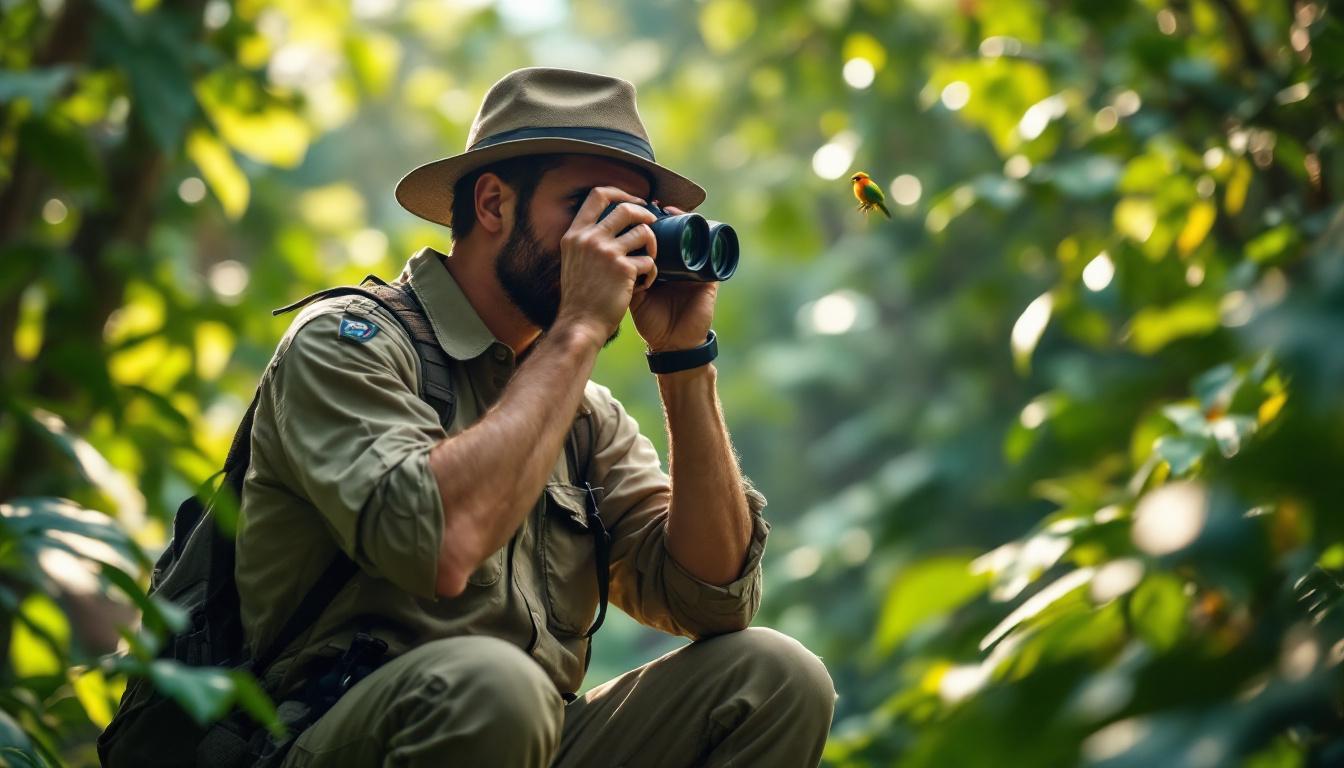
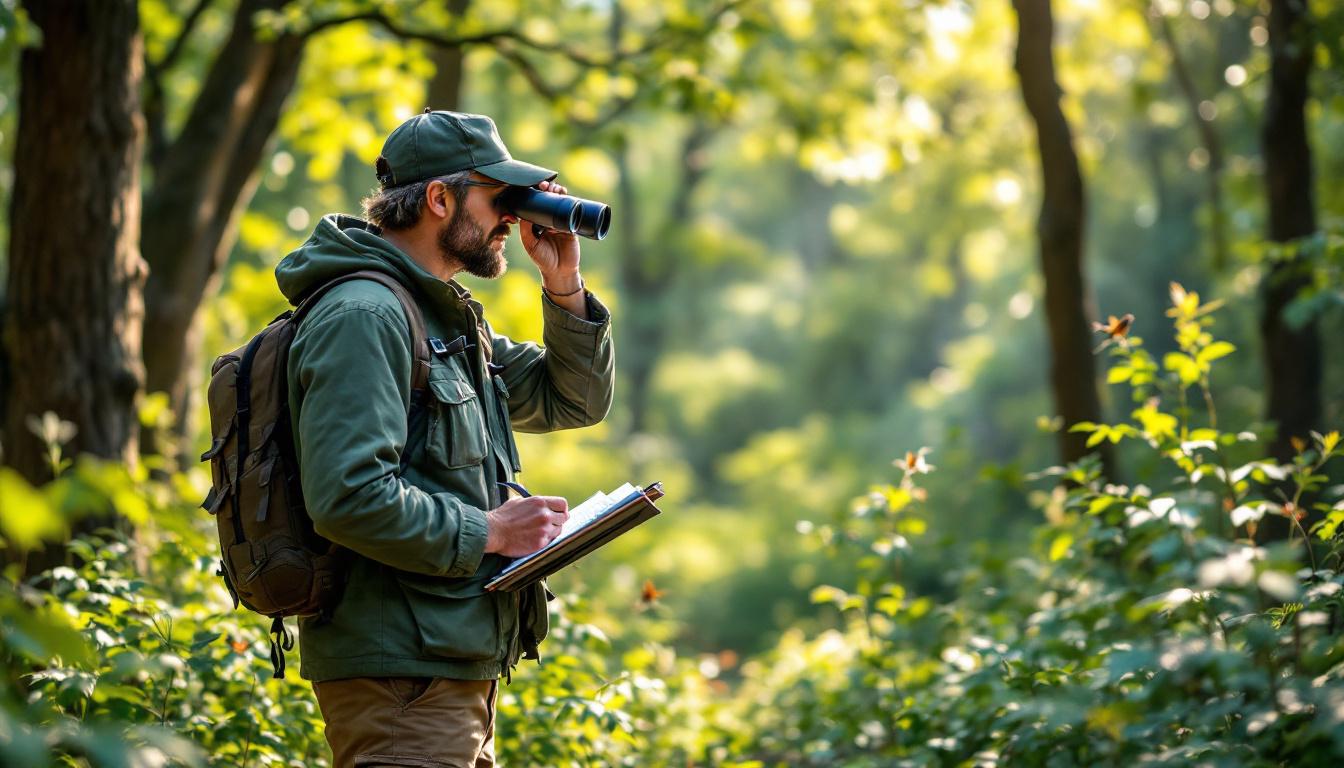
- Field trips or outdoor studies may be organized to observe natural populations.
- Students work on research projects to develop data collection and analysis skills.
- Time management is important as the program is intensive over one year.
- While alternance (work-study) is generally not common, some students may find research assistant roles.
Careers this degree leads to
Graduates with this certificate can pursue entry-level roles in environmental science, research, or education. The certificate also serves as a stepping stone towards graduate studies. The job market includes government agencies, environmental organizations, and academic institutions.
- Possible jobs include research assistant and environmental technician.
- Sectors hiring include environmental consulting and wildlife management.
- The certificate supports applications for graduate programs in biology and ecology.
- Employment often involves fieldwork, data analysis, and report writing.
- Insertion into the job market is generally facilitated by practical experience gained.



Careers after further study
These careers require a higher level of study than this degree.



Continuing your studies
After completing this certificate, students often continue with graduate studies such as master's degrees in ecology, evolutionary biology, or environmental science. The certificate can also help in switching to related fields or enhancing qualifications for research roles.
- Common next steps include master's degrees in biological sciences.
- Some students may pursue PhD programs after further preparation.
- The certificate can aid in career reorientation towards environmental research.
- It may also be used to strengthen applications for competitive graduate programs.
Where to study this degree (47)



















Liste des 47 établissements
- Wright State UniversityDayton
- University of GeorgiaAthens
- Columbia UniversityNew York
- University of Michigan-Ann ArborAnn Arbor
- Benedictine UniversityLisle
- Johns Hopkins UniversityBaltimore
- Ohio University LancasterAthens
- University of Missouri-ColumbiaColumbia
- University of PennsylvaniaPhiladelphia
- Western Kentucky UniversityBowling Green
- Drexel UniversityPhiladelphia
- Weill Cornell MedicineNew York
- University of IowaIowa City
- Jackson State UniversityJackson
- East Tennessee State UniversityJohnson City
- University of VermontBurlington
- Eastern Virginia Medical SchoolNorfolk
- University of Maryland, BaltimoreBaltimore
- University of KansasLawrence
- University of RochesterRochester
- University of OklahomaNorman
- Montana Technological UniversityButte
- George Mason UniversityFairfax
- University of ToledoToledo
- Icahn School of Medicine at Mount SinaiNew York
- SUNY College of Environmental Science and ForestrySyracuse
- University of New HavenWest Haven
- University of FloridaGainesville
- Northern Arizona UniversityFlagstaff
- Villanova UniversityVillanova
- Capella UniversityMinneapolis
- Regis UniversityDenver
- Towson UniversityTowson
- University of Nebraska Medical CenterOmaha
- Eastern Michigan UniversityYpsilanti
- Michigan State UniversityEast Lansing
- Stony Brook UniversityStony Brook
- University of Missouri–St. LouisSaint Louis
- The University of Texas Medical Branch at GalvestonGalveston
- Fordham UniversityBronx
- Nova Southeastern UniversityFort Lauderdale
- Clemson UniversityClemson
- University at BuffaloBuffalo
- Washington University in St LouisSaint Louis
- University of IdahoMoscow
- Miami University-OxfordOxford
- University of LouisvilleLouisville
Frequently asked questions
What prior education is needed to apply?
Applicants need to have completed a bachelor's degree, usually in biology or a related field, to be eligible for this certificate program.
Is this certificate enough to work as a biologist?
This certificate provides foundational knowledge but is often used to prepare for further graduate studies or entry-level support roles rather than independent biologist positions.
Are there practical experiences included?
Yes, the program includes laboratory work and field studies to help students apply theoretical knowledge in real-world settings.
Can I do this program part-time or online?
Most programs are designed as full-time, in-person courses lasting one year, though some institutions might offer flexible options.
Does this certificate lead directly to a job?
Graduates may find entry-level positions, but many use the certificate as a stepping stone to further studies or more specialized roles.
Is financial aid available for this program?
Financial aid options vary by institution; students should check with the specific university or college for available scholarships or assistance.
What kind of research projects will I do?
Projects typically involve studying ecological interactions, population dynamics, or evolutionary patterns, often including data collection and analysis.
Can this certificate help me switch careers?
Yes, it can provide foundational knowledge useful for those wishing to move into environmental or biological research fields.