Postbaccalaureate Certificate in Biological and Physical Sciences
This one-year postbaccalaureate certificate in Biological and Physical Sciences offers foundational knowledge in biology, chemistry, and physics, preparing students for advanced studies or entry-level roles in science-related fields.
About
This Postbaccalaureate Certificate in Biological and Physical Sciences is a one-year program in the United States designed for students who already hold a bachelor's degree and want to strengthen their knowledge in fundamental sciences. It is aimed at those considering graduate studies in biology, chemistry, physics, or related areas, or those seeking to improve their scientific background for various professional paths. The certificate provides a focused curriculum that helps deepen understanding of key scientific principles and prepares students for further education or initial employment in science-related sectors.
- The program is intended for students with a bachelor's degree who want to enhance their scientific skills.
- It covers essential topics in biology, chemistry, and physics to build a solid foundation.
- Students can use this certificate as a stepping stone toward graduate studies or scientific careers.
- The program offers a concentrated study over one year to quickly update or deepen knowledge.
- It suits those aiming to enter fields requiring strong scientific literacy or preparing for professional exams.
What you study
The curriculum focuses on core subjects in biological and physical sciences, offering a balance between theoretical knowledge and practical skills. Over the year, students engage in courses that cover molecular biology, general chemistry, physics principles, and laboratory techniques. Practical work is an important part of the program, allowing students to apply concepts through experiments and projects. The progression is designed to reinforce understanding, starting with fundamental theories and advancing toward more complex scientific methods and problem-solving.
- Courses include cell biology, organic and inorganic chemistry, and mechanics and electromagnetism.
- Laboratory sessions provide hands-on experience in scientific experimentation and data analysis.
- The program emphasizes developing critical thinking and scientific reasoning.
- Students complete projects that integrate knowledge from multiple scientific disciplines.
- The curriculum prepares students for graduate-level science courses or technical roles requiring scientific competence.
How to get in
Admission to this certificate program requires a completed bachelor's degree, typically in a science or related field, but students from other backgrounds may also apply if they demonstrate sufficient motivation and academic preparation. The application process usually involves submitting transcripts, letters of recommendation, and sometimes a statement of purpose. US institutions offering this certificate follow standard admission procedures for postbaccalaureate studies. The program is open to both domestic and international students who meet the academic criteria.
- Applicants must hold a bachelor's degree from an accredited institution.
- The admission process includes evaluation of academic records and supporting documents.
- Some programs may require a statement of purpose explaining study goals.
- Students from diverse academic backgrounds are considered if they meet prerequisites.
- Admission is generally non-selective but expects readiness for intensive science coursework.
Day to day
The program typically runs over a full academic year with a structured schedule of lectures, laboratory sessions, and projects. Students attend classes regularly and spend significant time in labs to practice scientific methods. While internships or work-study options are not always included, students often engage in research projects or group assignments that simulate real scientific work. The pace is intensive but manageable, aiming to build both knowledge and practical skills within a limited timeframe.
- Students attend weekly lectures and laboratory sessions throughout the year.
- Hands-on experiments help develop technical skills and familiarity with scientific equipment.
- Group projects encourage collaboration and application of theoretical concepts.
- Some programs may offer optional research opportunities or internships.
- The workload requires consistent study and active participation to succeed.
Careers this degree leads to
Graduates with this certificate can pursue entry-level positions in scientific support roles or continue their education in graduate programs. The certificate is valued by employers in research labs, healthcare, environmental agencies, and education. It helps improve scientific literacy and technical skills, which are useful in various sectors. The job market for such roles depends on local demand, but the certificate generally facilitates quicker integration into science-related fields.
- Possible jobs include laboratory technician, research assistant, and science educator aide.
- Employers are found in biotechnology, environmental science, and healthcare sectors.
- The certificate supports roles requiring solid scientific knowledge without advanced degrees.
- Graduates often find rapid insertion into technical or support positions.
- The program enhances competitiveness for graduate school admission and scientific careers.





Careers after further study
These careers require a higher level of study than this degree.



Continuing your studies
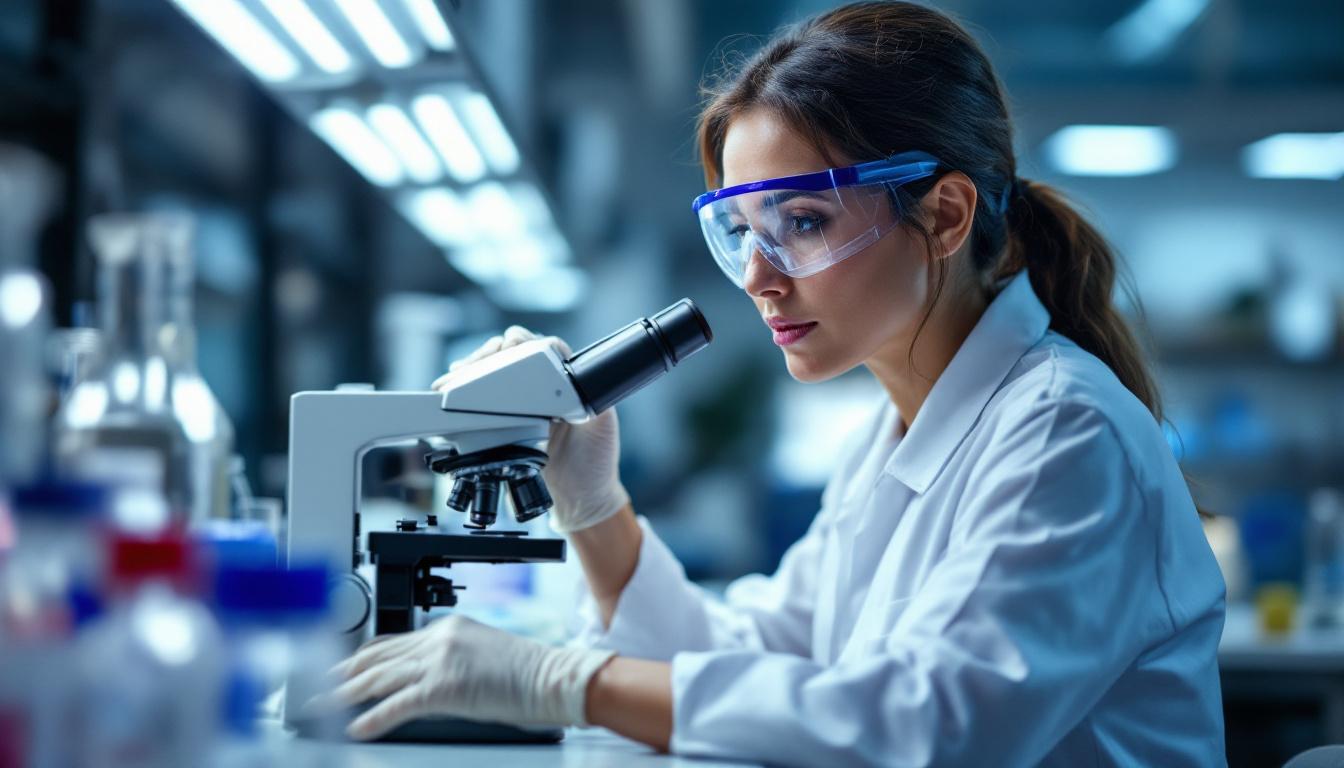
After completing this certificate, students can continue their studies by enrolling in graduate programs such as master's degrees in biology, chemistry, physics, or related fields. The certificate also provides a foundation for professional schools or specialized training in scientific disciplines. Some may choose to reorient toward applied sciences or technical careers depending on their interests and goals. The program thus serves as a bridge toward diverse educational or professional paths.
- Graduates often pursue master's degrees in biological or physical sciences.
- The certificate can facilitate entry into professional schools like medical or pharmacy programs.
- Students may also explore technical certifications or specialized training.
- It supports academic reorientation toward science-related fields.
Where to study this degree (200)




Liste des 200 établissements
- Averett UniversityDanville
- Empire State UniversitySaratoga Springs
- Franklin UniversityColumbus
- Cabrillo CollegeAptos
- Shawnee State UniversityPortsmouth
- San Diego Mesa CollegeSan Diego
- Lewis and Clark Community CollegeGodfrey
- San Diego Miramar CollegeSan Diego
- Grayson CollegeDenison
- Keene State CollegeKeene
- Wor-Wic Community CollegeSalisbury
- St. Thomas Aquinas CollegeSparkill
- The University of Texas Medical Branch at GalvestonGalveston
- College of Saint Benedict and Saint John's UniversitySaint Joseph
- Salem CollegeWinston-Salem
- American International CollegeSpringfield
- DePaul UniversityChicago
- Juniata CollegeHuntingdon
- Keck Graduate InstituteClaremont
- Thomas Edison State UniversityTrenton
- The University of Texas at AustinAustin
- Pasadena City CollegePasadena
- Mt. San Jacinto CollegeSan Jacinto
- Florida International UniversityMiami
- Los Angeles Pierce CollegeWoodland Hills
- Sierra CollegeRocklin
- Riverside City CollegeRiverside
- Yuba CollegeMarysville
- Golden West CollegeHuntington Beach
- San Joaquin Delta CollegeStockton
- Harper CollegePalatine
- Ventura CollegeVentura
- Victor Valley CollegeVictorville
- Santa Monica CollegeSanta Monica
- East Los Angeles CollegeMonterey Park
- Moorpark CollegeMoorpark
- Santa Barbara City CollegeSanta Barbara
- Solano Community CollegeFairfield
- Modesto Junior CollegeModesto
- Los Medanos CollegePittsburg
- Imperial Valley CollegeImperial
- Oxnard CollegeOxnard
- Irvine Valley CollegeIrvine
- Los Angeles Harbor CollegeWilmington
- Santa Rosa Junior CollegeSanta Rosa
- Moraine Valley Community CollegePalos Hills
- American River CollegeSacramento
- Waubonsee Community CollegeSugar Grove
- Woodland Community CollegeWoodland
- El Camino CollegeTorrance
- Grossmont CollegeEl Cajon
- Palomar CollegeSan Marcos
- Contra Costa CollegeSan Pablo
- Allan Hancock CollegeSanta Maria
- San Jacinto CollegePasadena
- Cerritos CollegeNorwalk
- MiraCosta CollegeOceanside
- College of DuPageGlen Ellyn
- Northern Virginia Community CollegeAnnandale
- Los Angeles City CollegeLos Angeles
- Cosumnes River CollegeSacramento
- Norco CollegeNorco
- De Anza CollegeCupertino
- Chaffey CollegeRancho Cucamonga
- Los Angeles Valley CollegeValley Glen
- Diablo Valley CollegePleasant Hill
- College of the RedwoodsEureka
- Elgin Community CollegeElgin
- Moreno Valley CollegeMoreno Valley
- Crafton Hills CollegeYucaipa
- Saddleback CollegeMission Viejo
- Tidewater Community CollegeNorfolk
- Antelope Valley CollegeLancaster
- Harold Washington CollegeChicago
- Triton CollegeRiver Grove
- Santiago Canyon CollegeOrange
- Folsom Lake CollegeFolsom
- City College of San FranciscoSan Francisco
- Orange Coast CollegeCosta Mesa
- Mission CollegeSanta Clara
- Wilbur Wright CollegeChicago
- Rend Lake CollegeIna
- Rock Valley CollegeRockford
- Cypress CollegeCypress
- Reynolds Community CollegeRichmond
- McHenry County CollegeCrystal Lake
- Portland State UniversityPortland
- Lord Fairfax Community CollegeMiddletown
- Sacramento City CollegeSacramento
- Kishwaukee CollegeMalta
- Coastline Community CollegeFountain Valley
- Coalinga CollegeCoalinga
- Los Angeles Mission CollegeSylmar
- College of the CanyonsSanta Clarita
- College of Lake CountyGrayslake
- Southwestern College - CaliforniaChula Vista
- Parkland CollegeChampaign
- Southwestern Illinois CollegeBelleville
- Rutgers University-New BrunswickNew Brunswick
- Shasta CollegeRedding
- Illinois Valley Community CollegeOglesby
- Joliet Junior CollegeJoliet
- Malcolm X CollegeChicago
- Touro CollegeNew York
- Rio Hondo CollegeWhittier
- Morton CollegeCicero
- University of GeorgiaAthens
- Cuyamaca CollegeEl Cajon
- Los Angeles Trade Technical CollegeLos Angeles
- Thomas Nelson Community CollegeHampton
- University of OregonEugene
- Los Angeles Southwest CollegeLos Angeles
- Mt. San Antonio CollegeWalnut
- The Evergreen State CollegeOlympia
- Bard CollegeAnnandale-On-Hudson
- Richard J. Daley CollegeChicago
- Pennsylvania State University-Main CampusUniversity Park
- Compton CollegeCompton
- Lincoln Land Community CollegeSpringfield
- Taft CollegeTaft
- Black Hawk CollegeMoline
- University of Pittsburgh-Pittsburgh CampusPittsburgh
- Harry S Truman CollegeChicago
- Porterville CollegePorterville
- Tyler Junior CollegeTyler
- Evergreen Valley CollegeSan Jose
- Massasoit Community CollegeBrockton
- Virginia Commonwealth UniversityRichmond
- Heartland Community CollegeNormal
- Florida Atlantic UniversityBoca Raton
- Laney CollegeOakland
- College of the SequoiasVisalia
- Virginia Western Community CollegeRoanoke
- Lake Land CollegeMattoon
- Hudson County Community CollegeJersey City
- Hunter CollegeNew York
- Clovis Community CollegeFresno
- San Jose City CollegeSan Jose
- University of Notre DameNotre Dame
- Ohlone CollegeFremont
- Skyline CollegeSan Bruno
- John A. Logan CollegeCarterville
- Richland Community CollegeDecatur
- College of MarinKentfield
- Monterey Peninsula CollegeMonterey
- Palmer College of ChiropracticDavenport
- Whitworth UniversitySpokane
- Middle Tennessee State UniversityMurfreesboro
- Oakton Community CollegeDes Plaines
- Napa Valley CollegeNapa
- Lemoore CollegeLemoore
- Barstow Community CollegeBarstow
- San Diego City CollegeSan Diego
- New College of FloridaSarasota
- Southeastern Illinois CollegeHarrisburg
- Palo Verde CollegeBlythe
- Dartmouth CollegeHanover
- Brightpoint Community CollegeChester
- University of Alaska AnchorageAnchorage
- Kankakee Community CollegeKankakee
- College of the SiskiyousWeed
- Carl Sandburg CollegeGalesburg
- Spoon River CollegeCanton
- Copper Mountain Community CollegeJoshua Tree
- University of Colorado Colorado SpringsColorado Springs
- West Los Angeles CollegeCulver City
- Merritt CollegeOakland
- University of Virginia-Main CampusCharlottesville
- John Wood Community CollegeQuincy
- Central Arizona CollegeCoolidge
- Gavilan CollegeGilroy
- Georgetown UniversityWashington
- Highland Community College - IllinoisFreeport
- Community College of Baltimore CountyBaltimore
- Ferris State UniversityBig Rapids
- City Colleges of Chicago-Olive-Harvey CollegeChicago
- Washington State UniversityPullman
- Kaskaskia CollegeCentralia
- Sussex County Community CollegeNewton
- College of the DesertPalm Desert
- Cornell UniversityIthaca
- University of Puget SoundTacoma
- University of Houston - DowntownHouston
- Indiana University of PennsylvaniaIndiana
- Blue Ridge Community CollegeWeyers Cave
- South Suburban CollegeSouth Holland
- Texas Tech UniversityLubbock
- Piedmont Virginia Community CollegeCharlottesville
- Shawnee Community CollegeUllin
- Fordham UniversityBronx
- Wabash Valley CollegeMount Carmel
- Purdue University West LafayetteWest Lafayette
- Sauk Valley Community CollegeDixon
- Community College of Rhode IslandWarwick
- Lake Tahoe Community CollegeSouth Lake Tahoe
- Kennedy–King CollegeChicago
- Reedley CollegeReedley
- Prairie State CollegeChicago Heights
- Grand Valley State UniversityAllendale
- Foothill CollegeLos Altos Hills
Frequently asked questions
Who can apply for this certificate?
Applicants must have completed a bachelor's degree. Students with various academic backgrounds can apply if they meet the program's prerequisites.
Is this certificate a full degree?
No, it is a postbaccalaureate certificate designed to provide additional scientific training after a bachelor's degree.
Can I work while studying this certificate?
The program is intensive and usually full-time, so working alongside may be challenging and is generally not structured as an apprenticeship.
Does the program include internships?
Internships are not typically part of the curriculum but some programs may offer optional research projects or practical experiences.
What careers can this certificate lead to?
It prepares for entry-level roles such as laboratory technician or research assistant and supports admission to graduate science programs.
Is this certificate recognized internationally?
It is recognized within the US education system and can support applications to graduate programs or jobs internationally depending on the institution.
How long does the program last?
The certificate program typically lasts one academic year of full-time study.
Can I continue my studies after this certificate?
Yes, many students use this certificate as a stepping stone to pursue master's degrees or professional schools in science-related fields.
