
Postbaccalaureate Certificate in Biochemistry, Biophysics and Molecular Biology
This one-year postbaccalaureate certificate in Biochemistry, Biophysics and Molecular Biology offers foundational knowledge in molecular life sciences, preparing students for research roles or further graduate studies in the US.
About
This certificate is a one-year program in the United States focusing on biochemistry, biophysics, and molecular biology. It is designed for students who have already completed a bachelor's degree and want to deepen their scientific knowledge or prepare for graduate studies. The program helps develop skills in understanding molecular mechanisms in living organisms, which is essential for careers in research, healthcare, or biotechnology.
- The certificate builds a solid foundation in molecular life sciences through focused coursework.
- It suits students aiming to strengthen their background before applying to graduate or professional schools.
- Graduates can pursue roles in laboratories, research institutions, or continue academic studies.
- The program is typically completed in one year of full-time study.
- It is offered by universities or colleges with strong science departments in the US.
What you study
The curriculum includes courses that cover the main areas of biochemistry, biophysics, and molecular biology. Students gain both theoretical knowledge and practical laboratory skills. The program is intensive and designed to be completed in one academic year.
- Core subjects include biochemistry, molecular biology, and biophysics, focusing on the chemical and physical principles of biological systems.
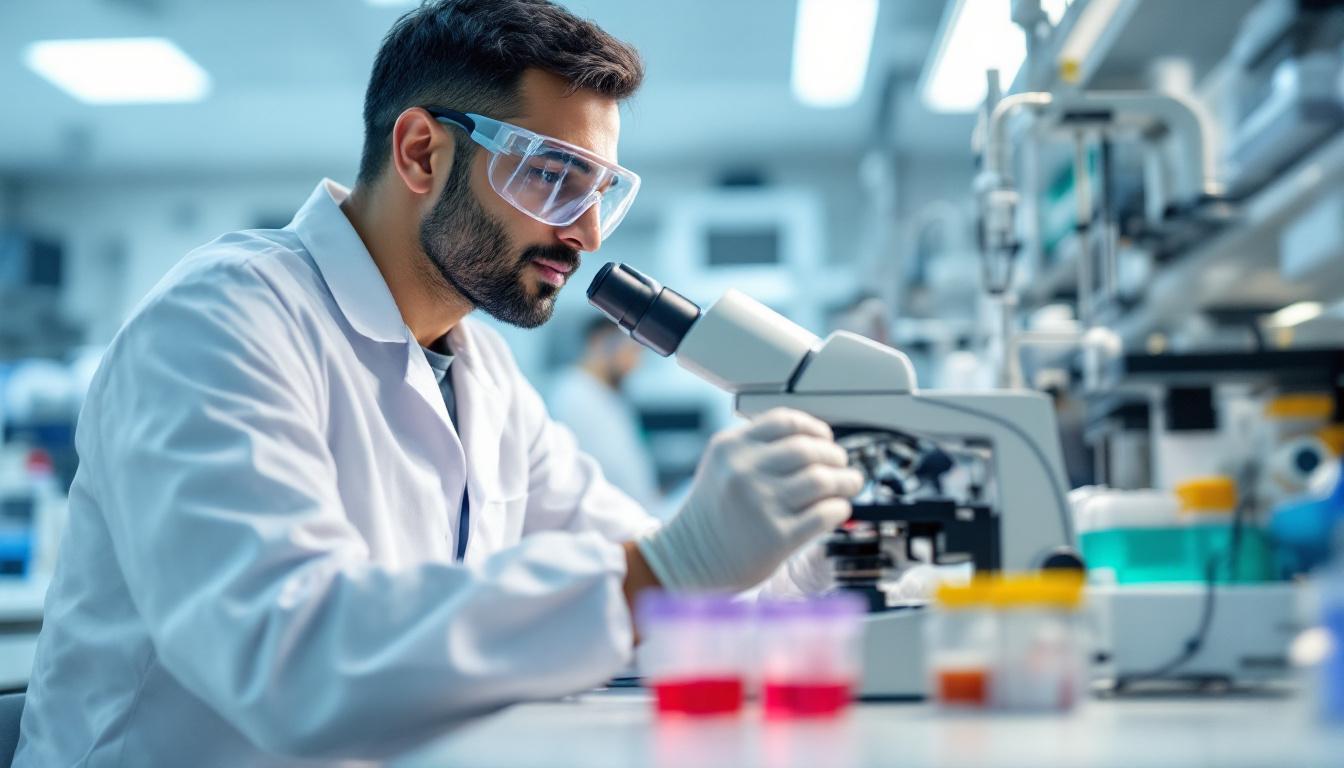
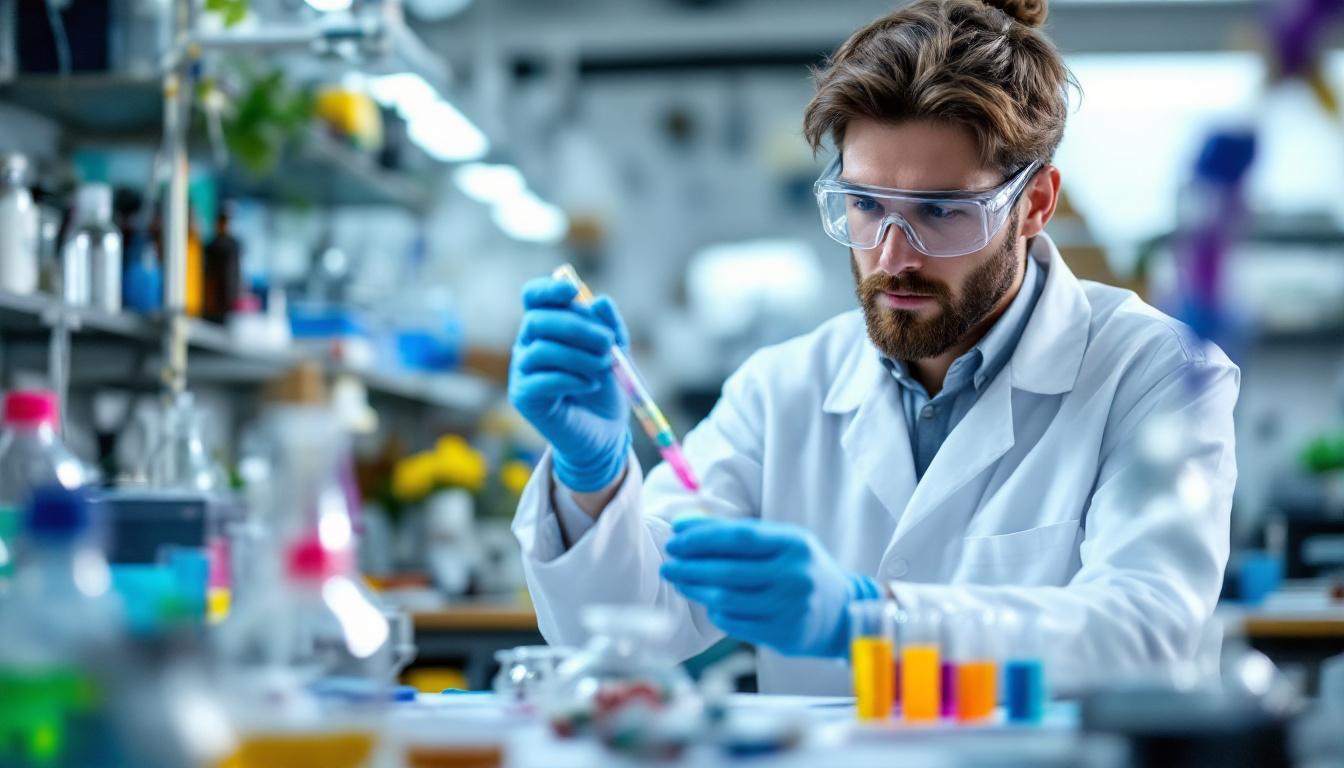
- Laboratory work is an important part, allowing students to practice techniques such as protein analysis and DNA sequencing.
- The program may include seminars or workshops to develop scientific communication skills.
- Students progress through foundational topics to more specialized areas within the year.
- Some programs may offer elective courses related to cell biology or genetics to broaden understanding.
How to get in
Admission to this certificate program requires a completed bachelor's degree, usually in a related scientific field. The process involves submitting academic transcripts and sometimes letters of recommendation. Since it is a US program, international students must meet visa and language proficiency requirements.
- Applicants typically need a bachelor's degree in biology, chemistry, or a related discipline.
- The admission procedure includes submitting an application through the university's system and providing official transcripts.
- Some programs may require a statement of purpose explaining the candidate's goals.
- English proficiency tests like TOEFL or IELTS are needed for non-native speakers.
- Students with strong academic records and interest in molecular sciences are preferred.
Day to day
The one-year program usually follows a full-time schedule with a mix of lectures, laboratory sessions, and independent study. Students often work on projects or research assignments to apply their learning practically. Internships or part-time lab work may be available but are not always part of the program.
- Classes and labs are scheduled throughout the academic year, requiring regular attendance.
- Laboratory sessions provide hands-on experience with scientific instruments and techniques.
- Students may participate in group projects or presentations to develop teamwork and communication skills.
- Some programs encourage involvement in research groups or faculty-led projects.
- Alternating work-study or internships are generally not included but can be sought independently.
Careers this degree leads to
Graduates of this certificate often find opportunities in research laboratories, biotechnology companies, or healthcare settings. The program prepares students for roles that require understanding of molecular biology techniques. It also serves as a stepping stone for advanced studies, which can open more career options.
- Potential jobs include research assistant, laboratory technician, or biotechnology analyst.
- Employers are often found in biotech firms, pharmaceutical companies, or academic research centers.
- The certificate helps improve employability by providing practical skills valued in scientific workplaces.
- Many graduates continue their education to access higher-level positions.
- The job market values candidates with hands-on experience in molecular techniques.




Careers after further study
These careers require a higher level of study than this degree.





Continuing your studies
After completing this certificate, students can pursue graduate degrees such as master's or doctoral programs in molecular biology, biochemistry, or related fields. This certificate strengthens their academic profile and prepares them for advanced research or professional studies.
- Common next steps include enrolling in a master's degree in molecular sciences or biochemistry.
- Some students may apply to PhD programs to focus on research careers.
- The certificate can also support applications to professional schools like medical or dental schools.
- It can facilitate a change of field for students seeking to specialize in molecular biology.
Where to study this degree (20)














Liste des 20 établissements
- University of Texas Southwestern Medical CenterDallas
- Washington State UniversityPullman
- University of MississippiOxford
- Purdue University West LafayetteWest Lafayette
- Missouri State UniversitySpringfield
- Montclair State UniversityMontclair
- Suffolk UniversityBoston
- Oklahoma State University-Main CampusStillwater
- Iowa State UniversityAmes
- Stevens Institute of TechnologyHoboken
- University of California-Los AngelesLos Angeles
- Tennessee State UniversityNashville
- Duke UniversityDurham
- Southern Adventist UniversityCollegedale
- University at BuffaloBuffalo
- Columbia UniversityNew York
- San Francisco State UniversitySan Francisco
- University of North Carolina at GreensboroGreensboro
- Rhode Island CollegeProvidence
- Texas State UniversitySan Marcos
Frequently asked questions
Who is eligible to apply for this certificate?
Applicants must have completed a bachelor's degree, typically in a science-related field. They should demonstrate interest and some background in molecular life sciences.
Is this certificate recognized internationally?
The certificate is awarded by US institutions and is recognized within the US academic and professional context. It can support applications abroad but recognition varies.
Can I work while studying this program?
The program is usually full-time and intensive, so working during studies can be challenging. Some students may find part-time lab positions outside the program.
Does the program include internships or practical training?
Hands-on laboratory work is a key part of the curriculum, but formal internships are not always included. Students can seek internships independently.
What skills will I gain from this certificate?
You will learn to analyze molecular structures, perform lab techniques, interpret scientific data, and communicate research findings effectively.
How does this certificate help with graduate school applications?
It strengthens your scientific background and research skills, making you a more competitive candidate for master's or doctoral programs.
Is financial aid available for this program?
Financial aid options depend on the institution. Students should check with the university's financial office for scholarships or assistance.
Can international students apply?
Yes, international students can apply but must meet visa requirements and demonstrate English proficiency through tests like TOEFL or IELTS.