
Postbaccalaureate Certificate in Microbiological Sciences and Immunology
This one-year postbaccalaureate certificate in Microbiological Sciences and Immunology provides advanced knowledge in microbial biology and immune system function, preparing students for research roles or further graduate studies in the US.
About
This certificate is designed for students who have already completed a bachelor's degree and want to deepen their understanding of microbiology and immunology. It offers specialized training in how microorganisms interact with the immune system, which is essential for careers in biomedical research and healthcare. The program is suitable for those considering graduate school or entry-level research positions in laboratories.
- The program lasts one year and focuses on advanced scientific concepts.
- It is aimed at graduates with a background in biology or related fields.
- The certificate enhances knowledge useful for research assistant roles or preparation for graduate studies.
- Students learn about microbial physiology, immune responses, and laboratory techniques.
- The program is offered by US institutions and follows American higher education standards.
What you study
The curriculum includes both theoretical and practical components to build a solid foundation in microbiology and immunology. Students engage with lectures, laboratory work, and research projects throughout the year. The program emphasizes hands-on experience to complement scientific theory.
- Core subjects cover microbial genetics, immunology principles, and pathogen-host interactions.
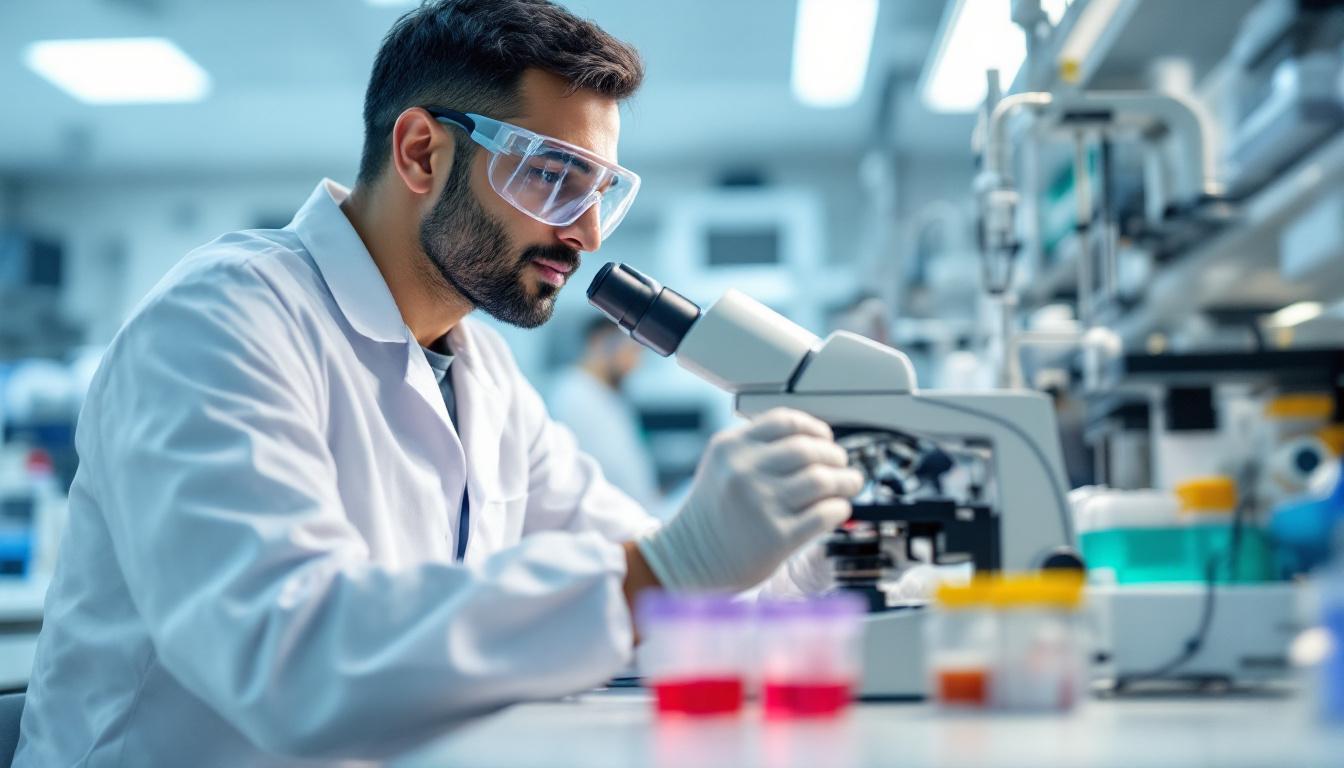
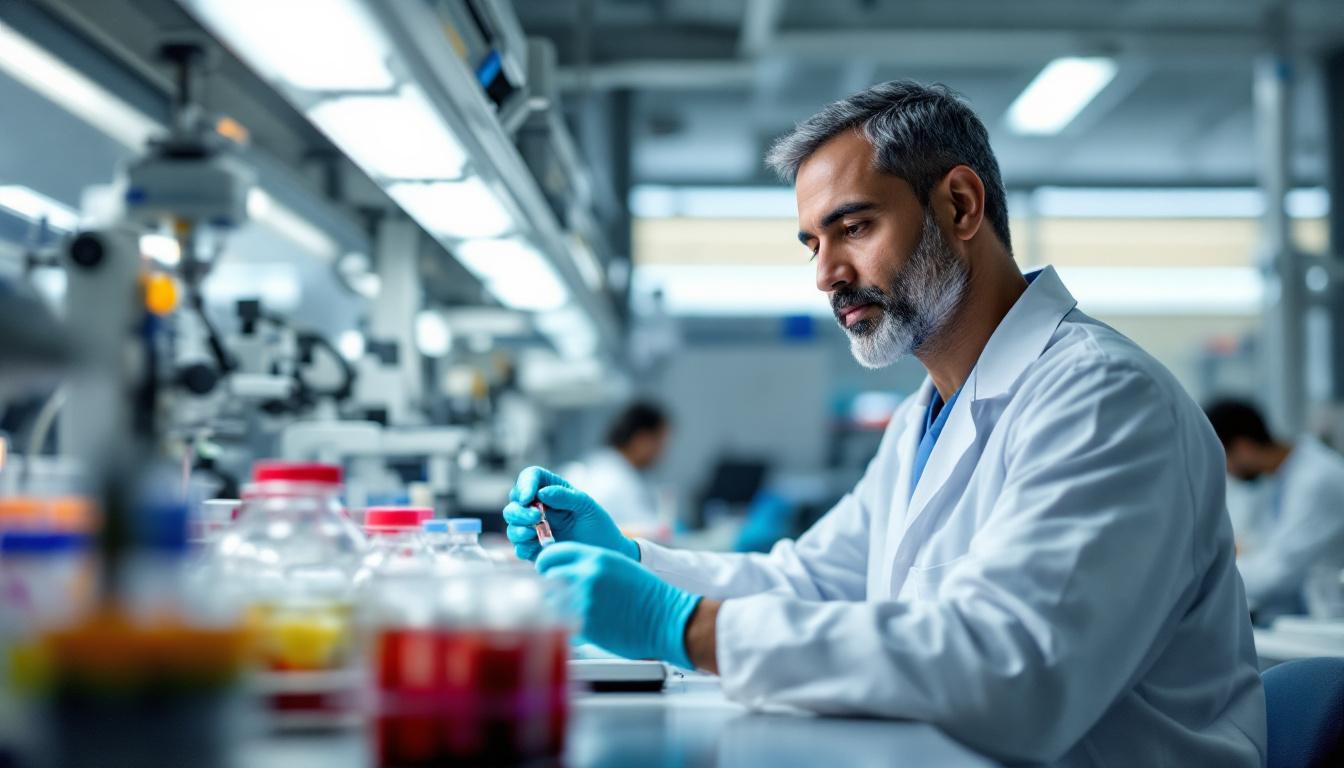
- Laboratory courses teach techniques in microbiology such as culturing, staining, and immunoassays.
- Students participate in research projects to apply their knowledge practically.
- The program progresses from foundational concepts to more specialized topics.
- Practical work represents a significant part of the curriculum, helping students develop technical skills.
How to get in
Admission requires a completed bachelor's degree, typically in biology, biochemistry, or a related science. Candidates must follow US university application procedures, which often include submitting transcripts, recommendation letters, and sometimes standardized test scores.
- The program is open to students with a bachelor's degree in relevant fields.
- Applicants usually submit academic records and letters of recommendation.
- Some programs may require a statement of purpose explaining the applicant's goals.
- English proficiency tests might be necessary for international students.
- Selection focuses on academic background and motivation for advanced study.
Day to day
The academic year combines lectures, lab sessions, and project work, creating a balanced and immersive learning experience. Students often work in small groups during labs and research activities, gaining collaborative skills.
- The weekly schedule includes classroom lectures and laboratory practicals.
- Students engage in research projects that may span several weeks.
- Some programs encourage internships or lab assistant roles, though not always mandatory.
- The pace is intensive, requiring consistent study and lab work.
- Students develop skills in scientific communication through presentations and reports.
Careers this degree leads to
Graduates can find opportunities in biomedical research, clinical laboratories, pharmaceutical companies, and public health organizations. The certificate helps in securing entry-level positions or preparing for graduate education.
- Possible jobs include research technician and laboratory assistant.
- Healthcare and pharmaceutical sectors often recruit candidates with this background.
- The program supports those aiming for graduate studies in microbiology or immunology.
- Employment prospects depend on local job markets and additional qualifications.
- The certificate is valued for its practical training and scientific knowledge.


Careers after further study
These careers require a higher level of study than this degree.




Continuing your studies
After completing this certificate, students may pursue master's or doctoral degrees in microbiology, immunology, or related biomedical sciences. The program serves as a stepping stone for advanced research training.
- Many graduates continue with a master's degree in biological sciences.
- PhD programs in immunology or microbiology are common next steps.
- Some may choose to specialize further in clinical laboratory sciences.
- The certificate also allows for reorientation towards healthcare or biotechnology fields.
Where to study this degree (12)










Liste des 12 établissements
- Michigan State UniversityEast Lansing
- Duke UniversityDurham
- University of FloridaGainesville
- George Mason UniversityFairfax
- Columbia UniversityNew York
- Drexel UniversityPhiladelphia
- University of Michigan-Ann ArborAnn Arbor
- Georgetown UniversityWashington
- Colorado State University-Fort CollinsFort Collins
- University of ArizonaTucson
- University of OklahomaNorman
- San Jose State UniversitySan Jose
Frequently asked questions
Who is eligible to apply for this certificate?
Applicants must have completed a bachelor's degree in biology or a related field. Admission is based on academic records and motivation.
Is this certificate enough to work as a microbiologist?
It prepares for entry-level research or technician roles but higher qualifications are usually needed for professional microbiologist positions.
Can international students apply?
Yes, international students can apply but may need to demonstrate English proficiency and meet visa requirements.
Does the program include practical laboratory work?
Yes, practical lab sessions and research projects are a significant part of the curriculum.
Are internships or work placements part of the program?
Internships may be encouraged but are not always mandatory depending on the institution.
What career paths can this certificate lead to?
It opens doors to research technician roles, lab assistant positions, and preparation for graduate studies in biomedical fields.
Is this program offered online or on campus?
Most programs are offered on campus due to the need for laboratory work, though some theoretical courses might be available online.
How selective is the admission process?
Admission is selective, focusing on applicants’ academic background and interest in microbiological sciences.