
Postbaccalaureate Certificate in Cell/Cellular Biology and Anatomical Sciences
This one-year postbaccalaureate certificate in cellular biology and anatomical sciences provides foundational knowledge for careers or further studies in biomedical and life sciences fields in the US.
About
This postbaccalaureate certificate in cellular biology and anatomical sciences is designed for students who have already completed a bachelor's degree and want to deepen their understanding of biological structures and cellular functions. It is particularly suited for those aiming to strengthen their academic background before applying to graduate or professional programs in health, research, or biomedical sciences. The certificate offers focused study on the anatomy of organisms and the biology of cells, helping students develop skills useful for research or health-related careers.
- The program lasts for one year and is offered by institutions in the United States.
- It is intended for students who have completed a bachelor’s degree and seek specialized knowledge in cellular biology and anatomy.
- The certificate can prepare students for roles in research labs, healthcare settings, or as a stepping stone to advanced degrees.
- It helps build a solid foundation in biological sciences that supports careers in medicine, biotechnology, or academic research.
- The program is suitable for students wanting to improve their scientific knowledge before pursuing graduate studies.
What you study
The curriculum focuses on detailed study of cells and anatomical structures, combining theoretical knowledge with practical laboratory work. Students explore cell biology topics such as cell function, molecular biology, and genetics, alongside anatomical sciences covering human or animal body systems. The program emphasizes hands-on experience through lab sessions and research projects to develop technical skills.
- Courses include cellular biology, anatomy, and related laboratory techniques.
- The program is structured over one academic year, with a mix of lectures and practical work.
- Students engage in laboratory experiments to apply theoretical concepts.
- The curriculum may include molecular biology and histology as part of the studies.
- Assessment involves exams, lab reports, and sometimes a final project or presentation.
How to get in
Admission to this certificate program requires applicants to have completed a bachelor's degree, typically in biology or a related field. The application process usually involves submitting transcripts, letters of recommendation, and sometimes a personal statement. US institutions often require proof of English proficiency for international students. The program targets students who want to strengthen their scientific background for research or health professions.
- Applicants must hold a bachelor’s degree from an accredited institution.
- The admission process includes submitting academic transcripts and possibly letters of recommendation.
- Some programs may require a statement of purpose explaining the candidate’s goals.
- International students need to demonstrate English language proficiency.
- The program is open to students aiming to enhance their knowledge before graduate or professional studies.
Day to day
The one-year program typically follows a full-time schedule with a combination of lectures, laboratory sessions, and independent study. Students spend significant time in labs practicing techniques and conducting experiments. Some programs may offer opportunities for research projects or internships, though these are not always mandatory. The workload is intensive but focused, preparing students for advanced studies or research roles.
- Students attend regular classes and labs throughout the academic year.
- Laboratory work is a key part of the weekly schedule to develop practical skills.
- Independent study and assignments complement classroom learning.
- Some programs may include optional research projects or internships.
- The pace is intensive to cover theoretical and practical components in one year.
Careers this degree leads to
Graduates with this certificate can pursue entry-level roles in research laboratories, healthcare support, or biotechnology companies. The certificate also strengthens applications for graduate programs in biomedical sciences, medicine, or allied health fields. While it does not directly qualify for professional licenses, it provides valuable scientific knowledge that supports various career paths in life sciences.
- Possible roles include research assistant or laboratory technician positions.
- Graduates may find opportunities in biotechnology and pharmaceutical sectors.
- The certificate supports applications to graduate or professional schools in health sciences.
- Employment is generally found in academic or clinical research environments.
- The program helps build a foundation for careers in biomedical research and related fields.
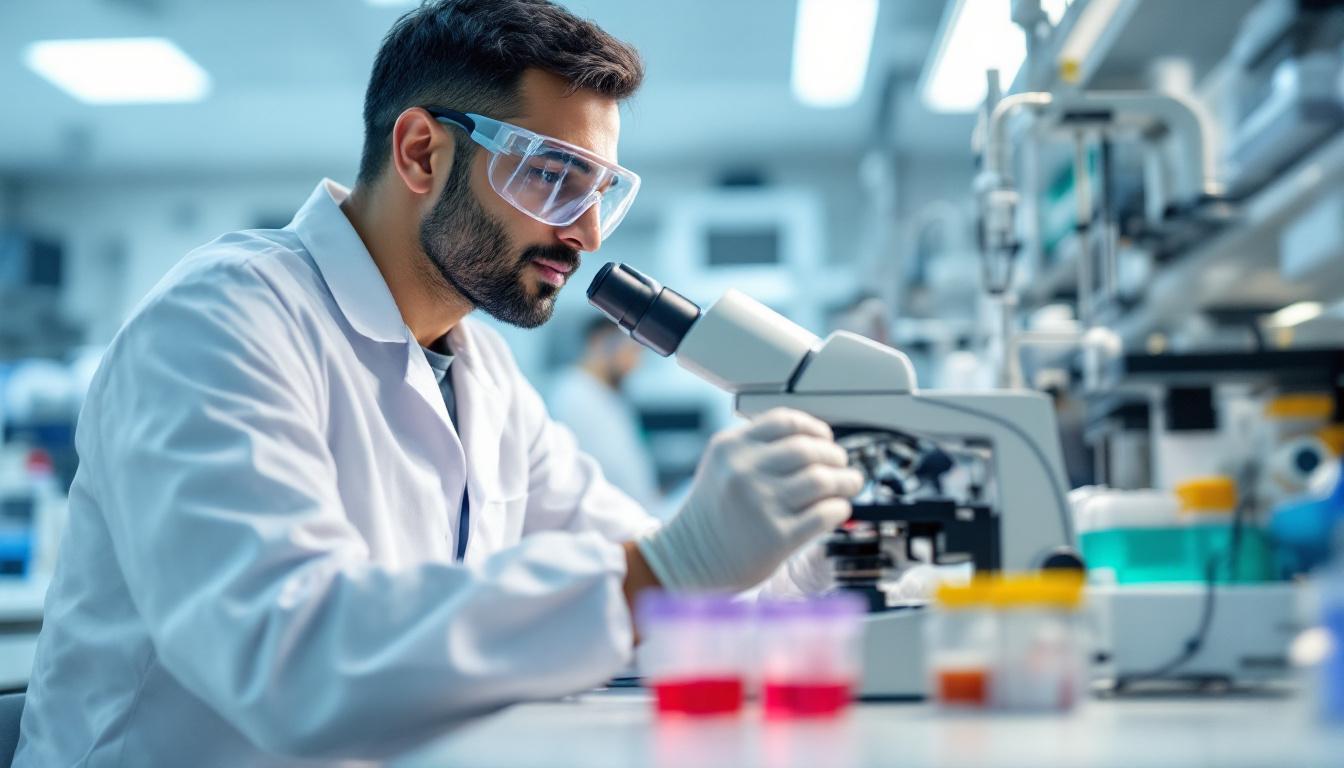





Careers after further study
These careers require a higher level of study than this degree.

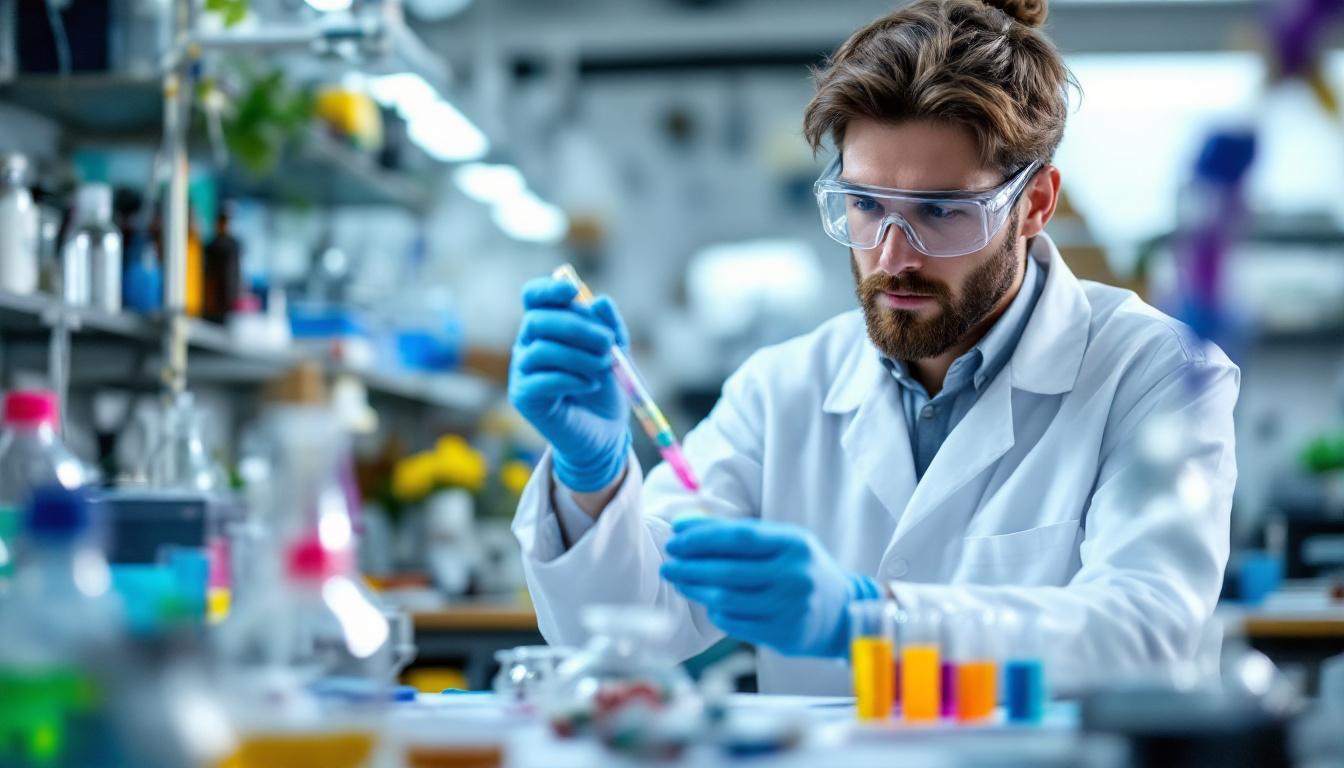



Continuing your studies
After completing this certificate, students often continue their studies in graduate programs such as master's degrees in biology, biomedical sciences, or health-related fields. Some may apply to professional schools like medical or dental programs. The certificate can also facilitate reorientation towards research or clinical careers by providing essential scientific knowledge.
- Common next steps include master’s degrees in biological or health sciences.
- Students may apply to medical, dental, or pharmacy schools after the certificate.
- The program can support a shift towards research careers or advanced clinical training.
Where to study this degree (13)









Liste des 13 établissements
- Oklahoma State University-Main CampusStillwater
- George Mason UniversityFairfax
- Duke UniversityDurham
- Columbia UniversityNew York
- Wright State UniversityDayton
- University of KentuckyLexington
- Eastern Washington UniversityCheney
- University of UtahSalt Lake City
- Eastern Virginia Medical SchoolNorfolk
- University of Southern CaliforniaLos Angeles
- University at BuffaloBuffalo
- Rutgers University-New BrunswickNew Brunswick
- University of California-Los AngelesLos Angeles
Frequently asked questions
Who is eligible to apply for this certificate?
Applicants must have completed a bachelor's degree, usually in biology or a related field. The program is designed for students seeking to deepen their knowledge before graduate or professional studies.
Is this certificate enough to work as a licensed healthcare professional?
No, this certificate alone does not grant professional healthcare licenses. It provides scientific knowledge that can support further studies or research roles.
Can international students apply to this program?
Yes, international students can apply but must demonstrate English proficiency and meet admission requirements set by the institution.
Does the program include practical laboratory work?
Yes, laboratory sessions are a key part of the curriculum to help students gain hands-on experience with biological techniques.
Is it possible to pursue this certificate part-time or through alternance?
Generally, the program is full-time and does not offer alternance or part-time options.
What careers can this certificate lead to?
Graduates may work as research assistants, laboratory technicians, or in biotechnology companies. It also prepares students for further graduate or professional education.
How does this certificate help with graduate school applications?
It strengthens scientific knowledge and practical skills, making candidates more competitive for graduate programs in biomedical or health sciences.
Are internships or research projects part of the program?
Some programs may offer optional research projects or internships, but these are not always required.