Associate Degree in Physical Science Technologies/Technicians
This 2-year associate degree teaches practical skills in physical science technologies, preparing students for technician roles in various scientific industries.
About
The Associate Degree in Physical Science Technologies/Technicians is a two-year program designed for students interested in applied sciences and technical roles. It is aimed at those who want to work as technicians supporting scientific research, manufacturing, or quality control in industries related to physics, chemistry, or materials science. The degree provides foundational knowledge and hands-on skills to operate scientific instruments and assist in experiments or production processes.
- This diploma is typically pursued after high school graduation or equivalent.
- It prepares students to become physical science technicians or related technical staff.
- The program balances theory and practical training to build competence in scientific methods.
- Graduates can find roles in laboratories, industrial settings, or technical support services.
- The degree is recognized within the US education system as a short-cycle postsecondary qualification.
What you study
The curriculum covers a range of scientific and technical subjects over two years, progressing from basic principles to applied techniques. Students learn to use scientific instruments and technology relevant to physical sciences. The program includes both classroom learning and practical labs to develop hands-on skills.
- Courses include physics fundamentals, chemistry basics, and instrumentation techniques.
- Students study data analysis and laboratory safety to prepare for real work environments.
- Practical sessions involve operating equipment used in industrial or research labs.
- The second year often emphasizes specialized topics and more advanced technical skills.
- Project work and teamwork are common to simulate workplace situations.
- The program may include introductory training in quality control and materials testing.
How to get in
Admission to this associate degree generally requires a high school diploma or equivalent. US colleges offering this program typically have open or moderately selective admissions. Prospective students should demonstrate interest in science and technical subjects.
- Applicants submit high school transcripts as part of the admission process.
- Some colleges may require placement tests in math or English.
- The program suits students who enjoy hands-on learning and problem-solving.
- Students with a background in math and science are better prepared.
- Community colleges and technical schools commonly offer this degree.
Day to day
A typical academic year combines lectures, laboratory work, and projects. Students spend significant time in labs practicing techniques and using instruments. Collaboration with peers is frequent to complete assignments and projects.
- The schedule includes several hours per week of lab sessions alongside theory classes.
- Students may engage in small group projects simulating technical tasks.
- Some programs offer internships or cooperative education to gain workplace experience.
- Time management is important to balance coursework and practical activities.
- Students develop skills in documenting experiments and reporting results.
Careers this degree leads to
Graduates can work as technicians supporting scientific and technical operations in various industries. Employment opportunities exist in laboratories, manufacturing plants, and quality assurance departments. The degree prepares students for roles requiring technical expertise in physical sciences.
- Jobs include physical science technician, laboratory assistant, and quality control technician.
- Sectors hiring graduates include manufacturing, environmental testing, and research institutions.
- Entry-level positions often involve assisting scientists or engineers with experiments and measurements.
- The job market generally values the practical skills developed during the program.
- Career progression may require gaining experience or further education.
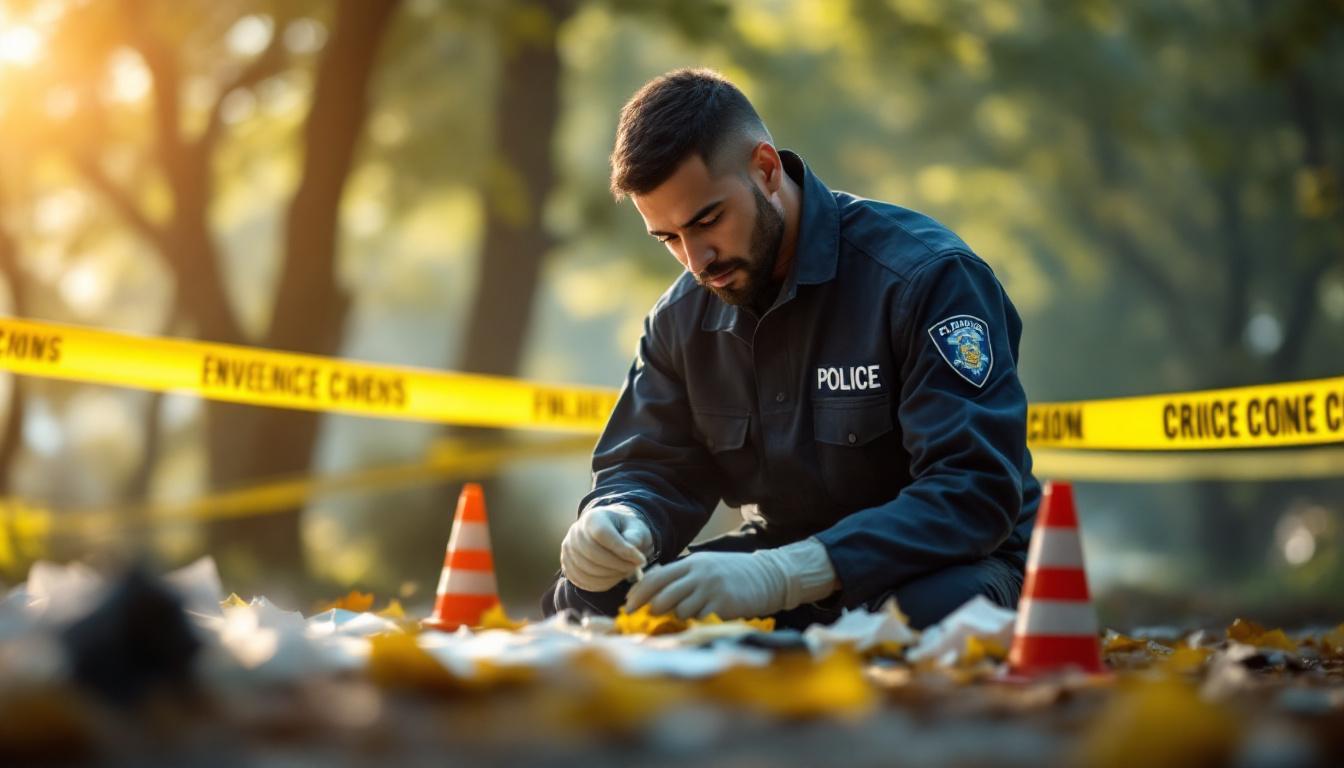


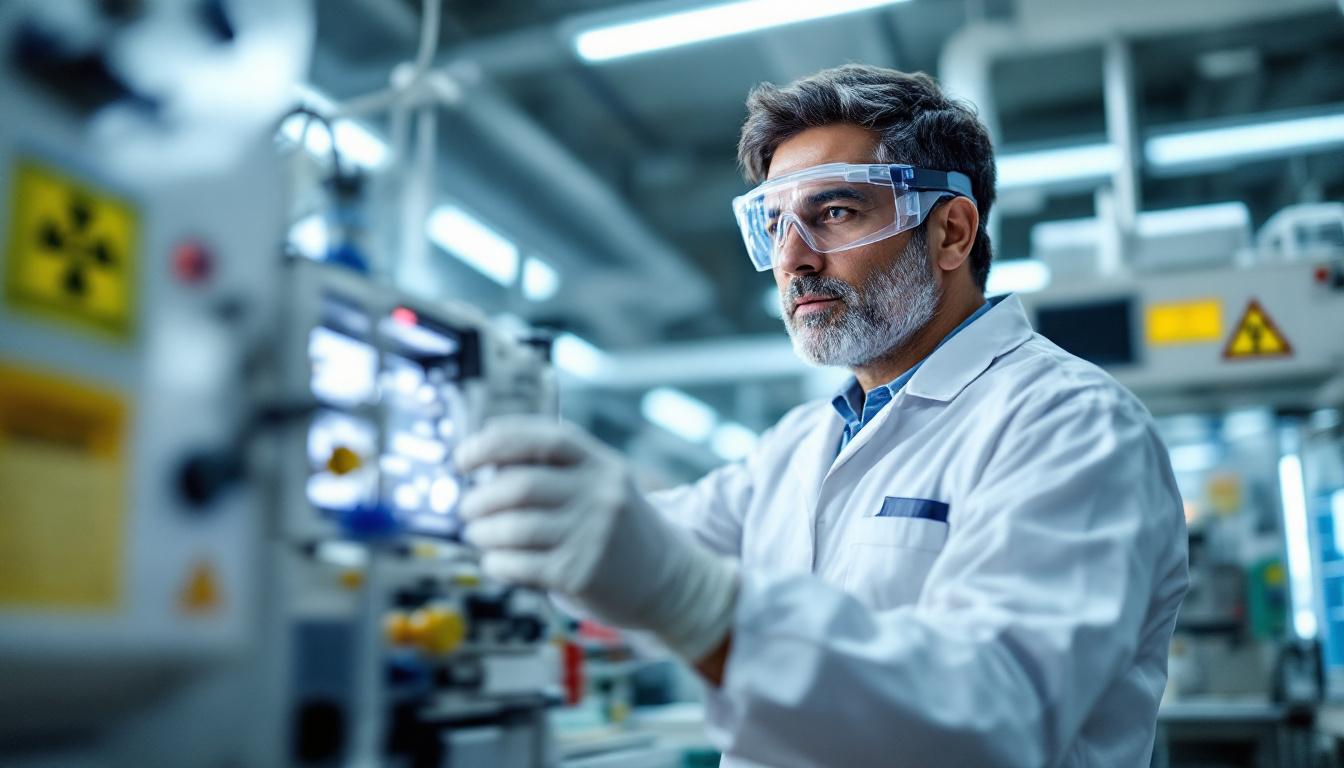


Careers after further study
These careers require a higher level of study than this degree.



Continuing your studies
After completing the associate degree, students can continue their studies to deepen their scientific knowledge or specialize further. Many choose to transfer to a bachelor's degree program in related fields. This pathway allows them to access more advanced roles or research opportunities.
- Common options include bachelor's degrees in physical sciences or engineering technology.
- Some students pursue certifications or diplomas in specialized technical areas.
- Reorientation to related fields like environmental science or materials science is possible.
Where to study this degree (102)






Liste des 102 établissements
- Ozarks Technical Community CollegeSpringfield
- San Diego Mesa CollegeSan Diego
- Iowa Central Community CollegeFort Dodge
- Eastern Florida State CollegeMelbourne
- Brazosport CollegeLake Jackson
- San Jacinto CollegePasadena
- Florida State College at JacksonvilleJacksonville
- Lee CollegeBaytown
- Lamar Institute of TechnologyBeaumont
- Del Mar CollegeCorpus Christi
- Lake–Sumter State CollegeLeesburg
- College of the MainlandTexas City
- Weber State UniversityOgden
- Victoria CollegeVictoria
- Alvin Community CollegeAlvin
- Lone Star CollegeThe Woodlands
- Kilgore CollegeKilgore
- Lamar State College-OrangeOrange
- Lamar State College–Port ArthurPort Arthur
- Houston Community College SystemHouston
- Wharton County Junior CollegeWharton
- Sacramento City CollegeSacramento
- Ashland Community and Technical CollegeAshland
- University of Washington-Seattle CampusSeattle
- Sowela Technical Community CollegeLake Charles
- Purdue University Fort WayneFort Wayne
- College of Central FloridaOcala
- Seminole State College of FloridaSanford
- Kansas City Kansas Community CollegeKansas City
- New York City College of TechnologyBrooklyn
- State College of Florida Manatee-SarasotaBradenton
- Texas State Technical CollegeWaco
- Florida SouthWestern State CollegeFort Myers
- Chattanooga State Community CollegeChattanooga
- Maysville Community and Technical CollegeMaysville
- BridgeValley Community & Technical CollegeSouth Charleston
- Delta CollegeUniversity Center
- Bellingham Technical CollegeBellingham
- Community College of Rhode IslandWarwick
- Northern Essex Community CollegeHaverhill
- Northeast State Community CollegeBlountville
- Ferris State UniversityBig Rapids
- Jefferson Community and Technical CollegeLouisville
- Lehigh Carbon Community CollegeSchnecksville
- Lincoln Trail CollegeRobinson
- University of Puerto Rico-HumacaoHumacao
- University of South AlabamaMobile
- Bucks County Community CollegeNewtown
- Instituto Tecnologico de Puerto Rico-Recinto de ManatiManati
- Kalamazoo Valley Community CollegeKalamazoo
- University of South DakotaVermillion
- South Arkansas Community CollegeEl Dorado
- Northern New Mexico CollegeEspanola
- Valencia CollegeOrlando
- Berkeley City CollegeBerkeley
- SUNY Corning Community CollegeCorning
- Ivy Tech Community CollegeIndianapolis
- Mt. San Antonio CollegeWalnut
- Cincinnati State Technical and Community CollegeCincinnati
- Milwaukee Area Technical CollegeMilwaukee
- Cape Fear Community CollegeWilmington
- Delaware Technical Community College-TerryDover
- Fresno City CollegeFresno
- Rice UniversityHouston
- East Los Angeles CollegeMonterey Park
- Missouri Southern State UniversityJoplin
- University of St. Thomas - TexasHouston
- Broward CollegeFort Lauderdale
- Harry S Truman CollegeChicago
- Lakeland Community CollegeKirtland
- Augusta Technical CollegeAugusta
- Walla Walla Community CollegeWalla Walla
- Ball State UniversityMuncie
- Blue Ridge Community and Technical CollegeMartinsburg
- Hazard Community and Technical CollegeHazard
- Southwestern College - CaliforniaChula Vista
- Bristol Community CollegeFall River
- Lake Superior State UniversitySault Ste Marie
- Fullerton CollegeFullerton
- Merced CollegeMerced
- Grand Rapids Community CollegeGrand Rapids
- Lansing Community CollegeLansing
- Georgia Northwestern Technical CollegeRome
- Los Angeles Trade Technical CollegeLos Angeles
- Seward County Community CollegeLiberal
- County College of MorrisRandolph
- Nassau Community CollegeGarden City
- Lake Washington Institute of TechnologyKirkland
- Mohawk Valley Community CollegeUtica
- University of Arkansas at Little RockLittle Rock
- Columbia Basin CollegePasco
- Louisiana State University at EuniceEunice
- Kankakee Community CollegeKankakee
- Santa Fe CollegeGainesville
- Humacao Community CollegeHumacao
- Commonwealth University of PennsylvaniaBloomsburg
- West Virginia Northern Community CollegeWheeling
- SUNY College of Environmental Science and ForestrySyracuse
- Mountain Empire Community CollegeBig Stone Gap
- Cecil CollegeNorth East
- New Mexico State University CarlsbadCarlsbad
- Saint Paul CollegeSaint Paul
Frequently asked questions
What is the main focus of this associate degree?
The degree focuses on practical skills and knowledge in physical science technologies, preparing students to work as technicians in scientific and industrial settings.
Who can apply for this program?
Students who have completed high school or equivalent and have an interest in science and technical work can apply. Admissions are generally open or moderately selective.
Does the program include practical training?
Yes, the program combines classroom learning with laboratory sessions and projects to develop hands-on skills with scientific instruments.
Can I work while studying this degree?
While the program is mostly campus-based, some colleges may offer internships or cooperative education opportunities to gain work experience.
What kind of jobs can I get after graduation?
Graduates often find technician roles in laboratories, manufacturing, quality control, or research support within various industries.
Is it possible to continue studies after this degree?
Yes, many students transfer to bachelor's degree programs in physical sciences or engineering technology to further their education.
Are there any specific skills I will learn?
You will learn to operate scientific instruments, conduct experiments, analyze data, follow safety protocols, and work effectively in technical teams.
Is this degree recognized in the US education system?
Yes, it is recognized as a short-cycle postsecondary qualification (EQF level 5) and is offered by community colleges and technical schools.
