Associate Degree in Nuclear and Industrial Radiologic Technologies/Technicians
This two-year associate degree trains students in nuclear and industrial radiologic technologies, preparing them for technician roles in medical, industrial, and research settings.
About
The Associate Degree in Nuclear and Industrial Radiologic Technologies/Technicians is a two-year program in the United States designed for students interested in working with radiation technologies. It is suitable for those who want to become skilled technicians handling radiologic equipment used in healthcare, industry, or research. This degree provides foundational knowledge and practical skills to operate imaging devices, ensure safety protocols, and assist professionals in various radiologic environments. Graduates can pursue technician roles that involve monitoring radiation levels, performing diagnostic imaging, or supporting industrial radiography processes.
- The program lasts two years and leads to an associate degree recognized in the US educational system.
- It targets students who have completed high school and want specialized technical training.
- Graduates are prepared to work as radiologic technologists or technicians in medical centers, industrial companies, or research labs.
- The curriculum balances theoretical knowledge of radiation physics with practical skills in equipment use and safety.
- This degree offers a pathway into technical careers without requiring a full four-year university degree.
What you study
The curriculum covers a range of subjects related to radiation technology, combining classroom learning with hands-on training. Students start with foundational courses and progress to more specialized topics over the two years. Practical experience is emphasized to prepare for real-world work environments.
- Early courses focus on radiation physics, anatomy, and radiation safety principles.
- Students learn to operate radiologic imaging equipment used in medical and industrial settings.
- Training includes industrial radiography techniques and quality control procedures.
- Hands-on labs and simulations provide experience with radiation detection and dosimetry.
- The second year deepens knowledge with advanced imaging methods and equipment maintenance.
- Students often complete supervised practical sessions or internships to apply skills in real workplaces.
How to get in
Admission to this associate degree typically requires a high school diploma or equivalent. The process involves applying directly to community colleges or technical schools offering the program. Some institutions may require placement tests or prerequisite courses in science.
- Applicants must have completed high school or hold a GED certificate.
- Admission usually involves submitting transcripts and possibly passing a placement test in math or science.
- Some programs may ask for a background in biology or chemistry.
- Students with interest in technical and health sciences are encouraged to apply.
- Community colleges and technical institutes are the main providers of this degree.
Day to day
The two-year program combines lectures, laboratory work, and clinical or industrial practice. Students follow a structured schedule balancing theory and hands-on activities. Practical experiences help build confidence and professional skills.
- The academic year includes classroom lectures on radiation principles and equipment.
- Regular lab sessions allow students to practice with radiologic devices under supervision.
- Many programs include internships or clinical rotations in hospitals or industrial sites.
- Students work on projects related to radiation safety protocols and equipment operation.
- The program schedule is generally full-time over two years, with no formal alternance system common.
Careers this degree leads to
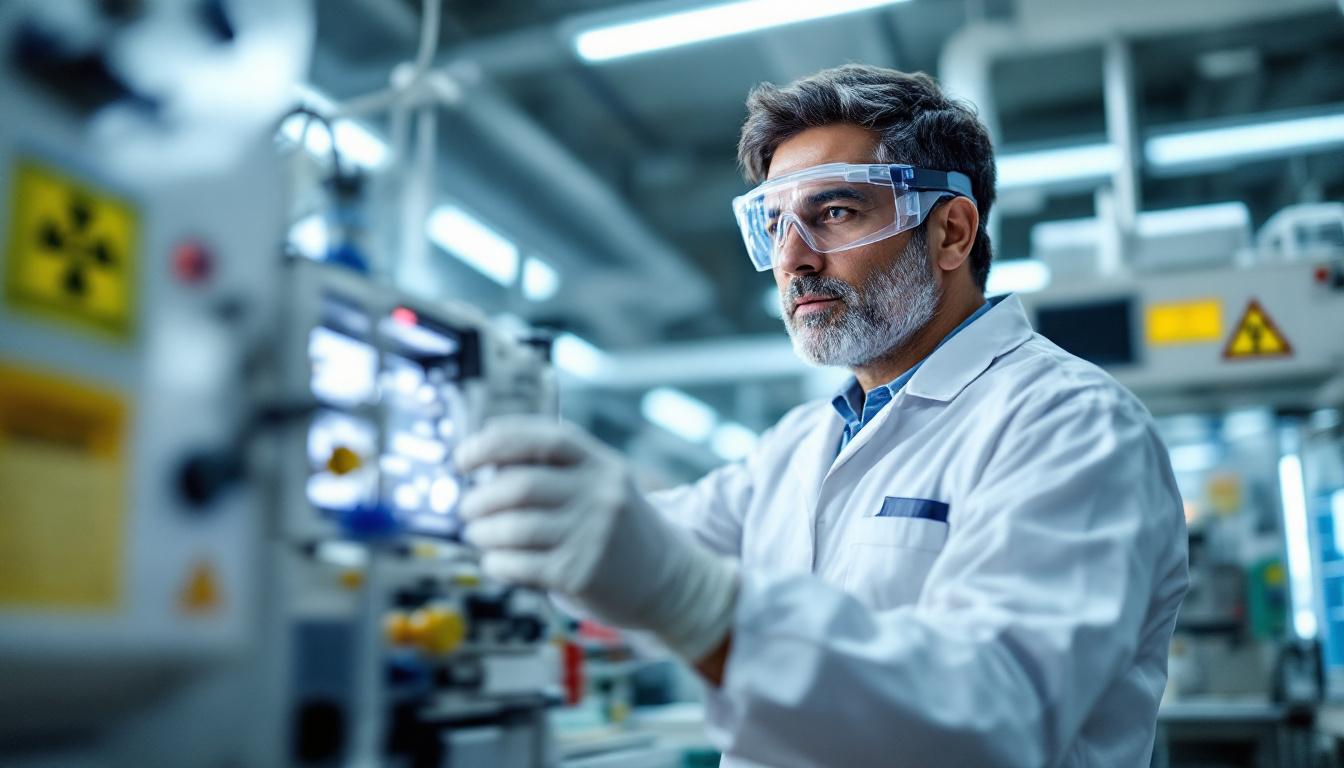
Graduates can find technician positions in various sectors where radiation technology is used. The job market includes healthcare, industry, and research institutions. Employment opportunities are generally available for those with practical skills and safety knowledge.
- Common roles include radiologic technologist and industrial radiographer.
- Hospitals and diagnostic centers employ technicians for medical imaging.
- Industrial companies use radiologic technicians for non-destructive testing and equipment inspection.
- Research labs may hire technicians to support experiments involving radiation.
- Job entry is typically direct after graduation, with on-the-job training continuing.





Careers after further study
These careers require a higher level of study than this degree.

Continuing your studies
After earning this associate degree, students can consider further education to advance their careers. Options include transferring credits to four-year programs or pursuing specialized certifications. This flexibility allows for career growth or changes.
- Some graduates continue studies in bachelor's degrees related to radiologic sciences or health technology.
- Specialized certifications in radiation safety or advanced imaging can enhance job prospects.
- Students may also explore related fields such as nuclear medicine technology or health physics.
Where to study this degree (27)

















Liste des 27 établissements
- Excelsior CollegeAlbany
- Gaston CollegeDallas
- Aiken Technical CollegeGraniteville
- Cowley Community CollegeArkansas City
- South Louisiana Community CollegeLafayette
- Wichita Area Technical CollegeWichita
- State Technical College of MissouriLinn
- Capital Community CollegeHartford
- Southern Arkansas University TechCamden
- Northern New Mexico CollegeEspanola
- Wharton County Junior CollegeWharton
- Central Piedmont Community CollegeCharlotte
- Salt Lake Community CollegeSalt Lake City
- Siena Heights UniversityAdrian
- National American UniversityRapid City
- Lakeshore Technical CollegeCleveland
- Cape Fear Community CollegeWilmington
- Salem Community CollegeCarneys Point
- Saint Joseph's College of MaineStandish
- Midlands Technical CollegeWest Columbia
- Arizona State University Digital ImmersionScottsdale
- Cumberland County CollegeVineland
- George C Wallace Community College-DothanDothan
- Niagara County Community CollegeSanborn
- Arizona State University Campus ImmersionTempe
- University of Nevada, RenoReno
- Texas A & M University-College StationCollege Station
Frequently asked questions
What kind of jobs can I get with this degree?
Graduates typically work as radiologic technologists or industrial radiographers. They operate imaging equipment in hospitals, industrial sites, or research labs.
Is prior knowledge in science required to apply?
A basic understanding of biology, chemistry, or physics is helpful but not always mandatory. Some programs may require placement tests to assess readiness.
Does the program include practical experience?
Yes, students engage in laboratory work and often complete internships or clinical rotations to gain hands-on skills.
Can I study this degree part-time or through alternance?
Most programs are full-time and do not offer alternance or apprenticeship options, though this can vary by institution.
What are the safety concerns in this field?
Safety is a major focus; students learn strict radiation protection protocols to minimize exposure for themselves and others.
Can I continue my studies after this degree?
Yes, graduates can pursue bachelor's degrees in related fields or obtain certifications to specialize further.
Where are these technicians usually employed?
They work mainly in healthcare facilities, industrial companies using radiography, research labs, and sometimes nuclear power plants.
Is this degree recognized nationwide in the US?
Associate degrees from accredited community colleges and technical schools are recognized across the US and prepare students for certification exams.
