Associate Degree in Biochemistry, Biophysics and Molecular Biology
This two-year Associate Degree in Biochemistry, Biophysics and Molecular Biology teaches foundational scientific principles and lab techniques, preparing students for entry-level roles in science or further studies.
About
The Associate Degree in Biochemistry, Biophysics and Molecular Biology is a short-cycle higher education diploma in the United States, typically completed in two years. It is designed for students interested in the fundamental sciences that explore the chemistry and physics of living organisms at the molecular level. This diploma suits those who want to gain practical skills and theoretical knowledge in these scientific fields without committing to a full four-year bachelor's degree. Graduates can pursue entry-level positions in laboratories, research support, or quality control, or continue their education in related scientific disciplines.
- The degree focuses on biochemistry, biophysics, and molecular biology concepts and techniques.
- It is aimed at students who have completed high school and want a two-year college program.
- The diploma allows for employment in scientific or technical roles or further academic studies.
- It provides a foundation for understanding biological processes at the molecular and physical levels.
- The program is offered by community colleges and some technical institutions across the US.
What you study
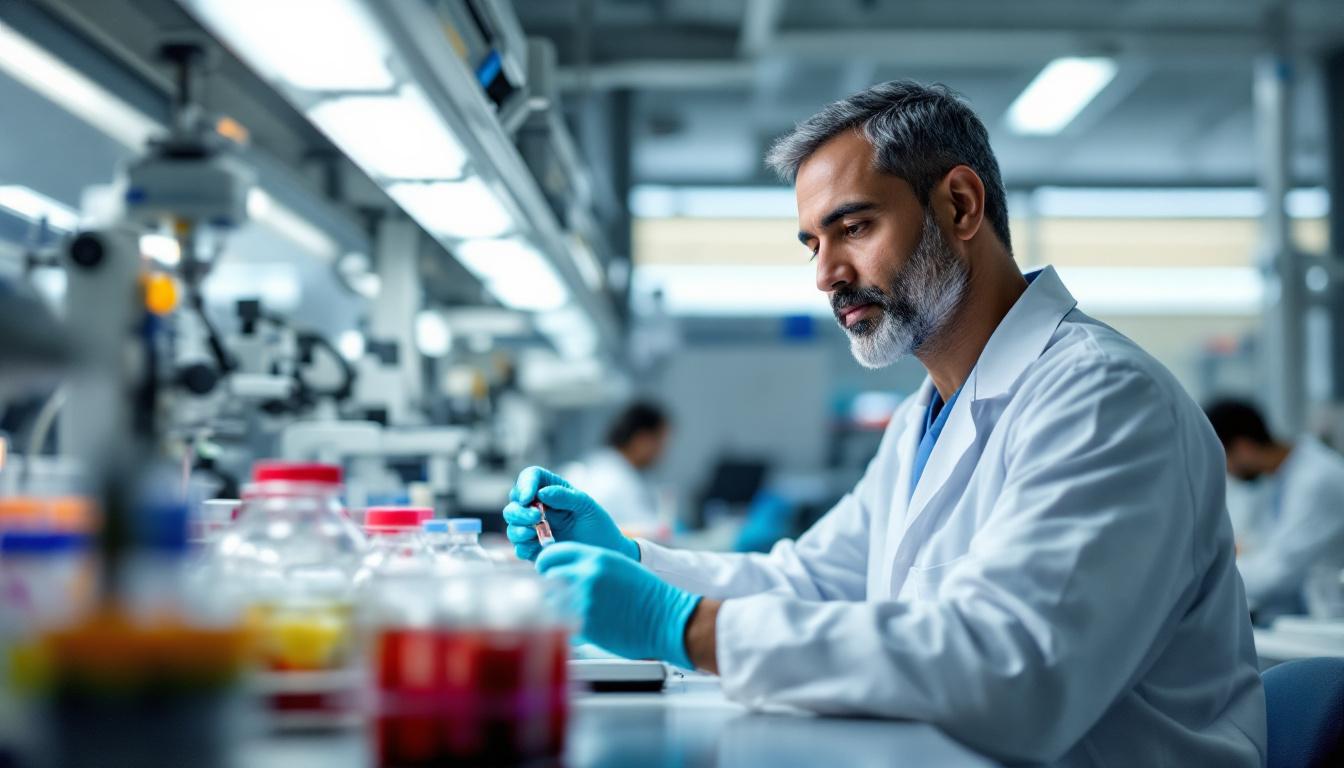
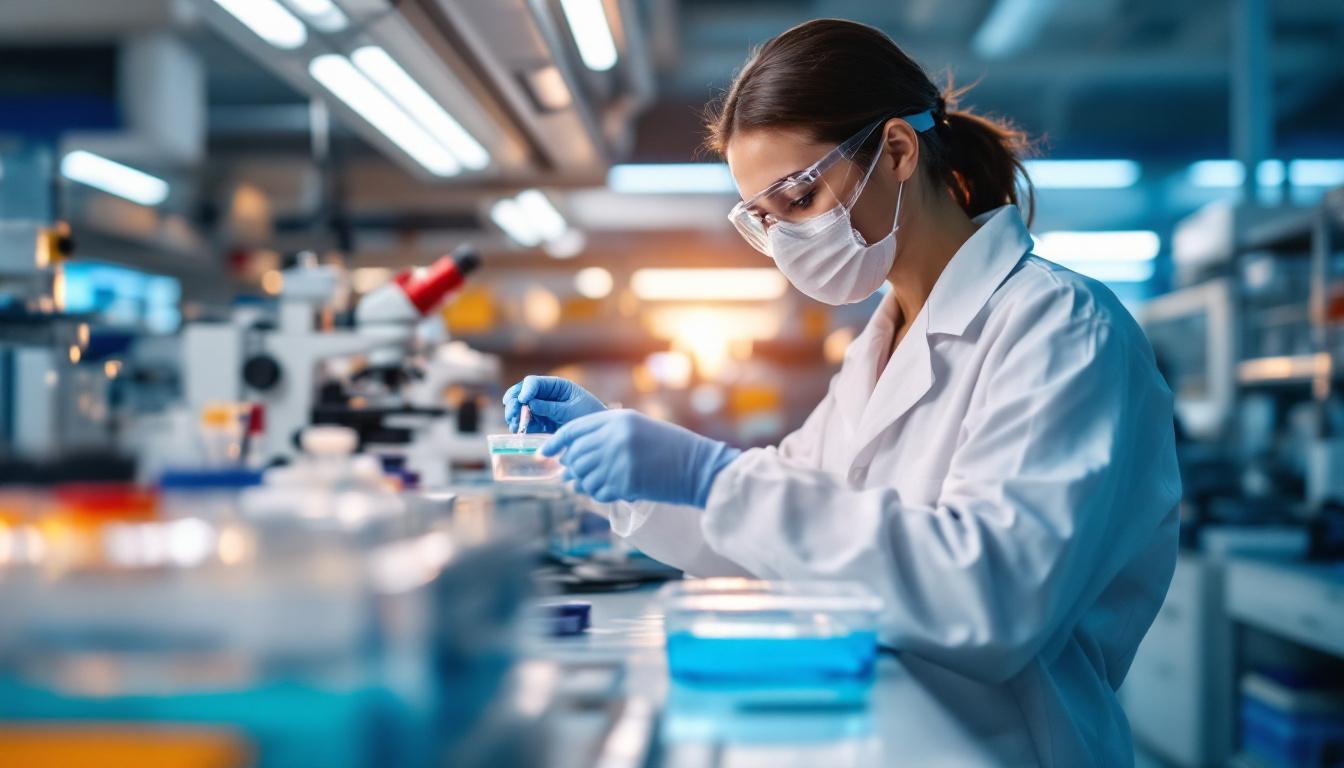
The curriculum covers a mix of theoretical courses and hands-on laboratory work over two years. In the first year, students typically study basic chemistry, physics, and biology to build a scientific foundation. The second year focuses more on specialized topics and practical applications related to biochemistry, biophysics, and molecular biology. Lab sessions are an important part of the program, allowing students to practice techniques such as molecular analysis, spectroscopy, and biochemical assays.
- Courses include general chemistry, organic chemistry, cell biology, and physics relevant to biological systems.
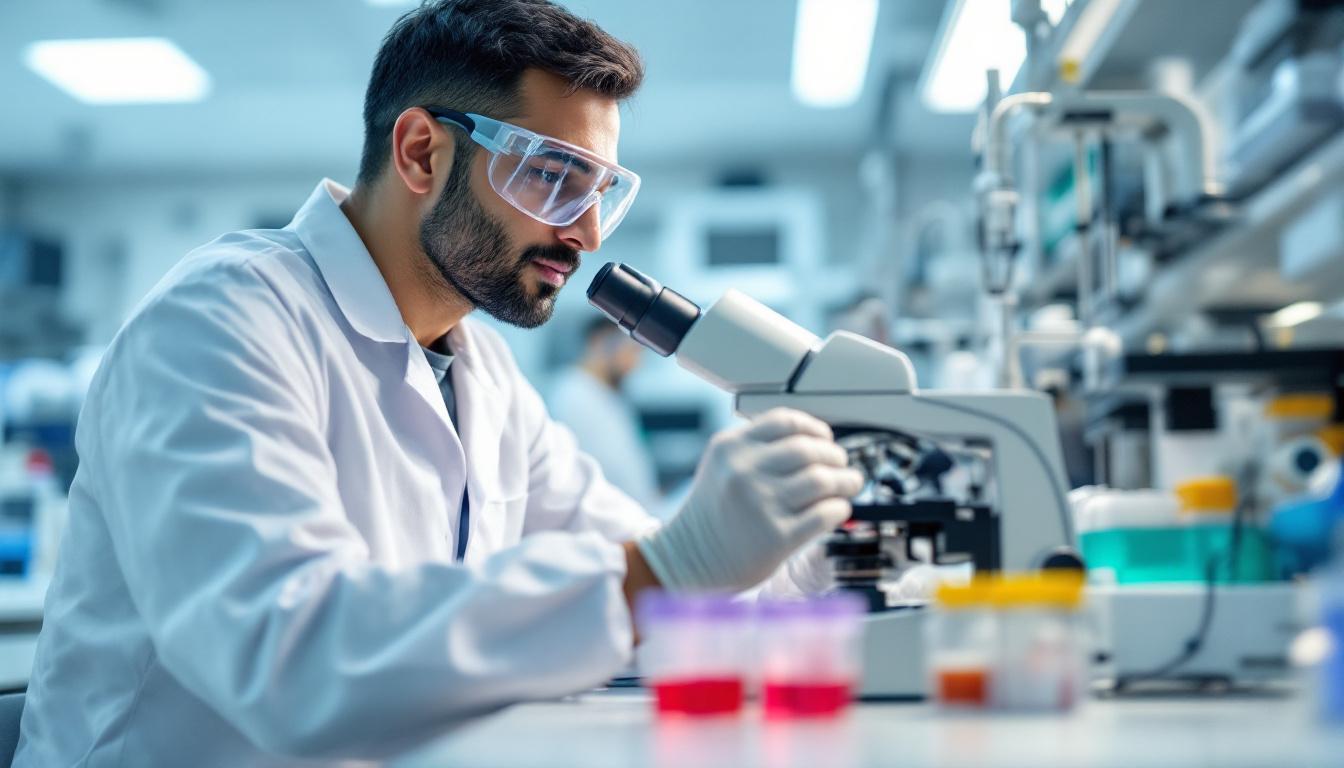
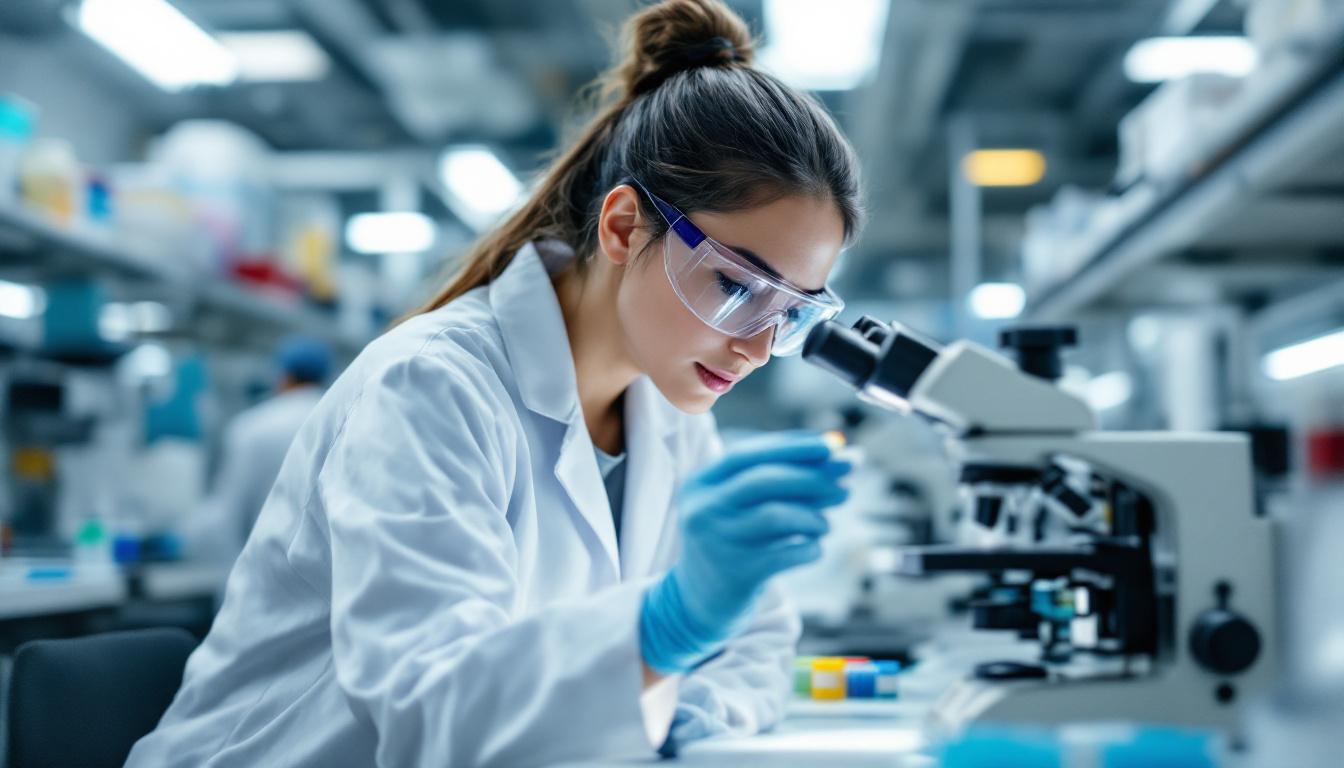
- Students learn laboratory skills like microscopy, protein analysis, and DNA techniques.
- The program gradually shifts from broad science topics to focused molecular and biophysical studies.
- Practical work is regularly integrated to reinforce theoretical knowledge.
- Some programs may include a capstone project or research experience in the second year.
How to get in
Admission to this Associate Degree program generally requires a high school diploma or equivalent. US community colleges and technical schools have open admissions policies, making the program accessible to a wide range of students. Prospective students usually apply directly to the college, submitting transcripts and sometimes placement test results. The program suits students with an interest in science and a good foundation in math and biology from high school.
- Applicants must have completed high school or equivalent.
- Admission is often non-selective or open, typical of community colleges.
- Some schools may require placement tests in math or English.
- Students should have an interest in science and basic laboratory work.
- International students may need to meet additional requirements like English proficiency.
Day to day
A typical academic year involves attending lectures and labs several times a week, with a balance between theory and practice. Students spend time in classrooms learning concepts and in laboratories applying techniques. Some programs may offer internships or cooperative education opportunities, but many focus on campus-based learning. The workload includes exams, lab reports, and projects. Time management is important to keep up with both practical and theoretical components.
- Students attend lectures and laboratory sessions regularly throughout the year.
- Lab work involves hands-on experiments such as chemical assays and microscopy.
- Assignments include reports, tests, and sometimes group projects.
- Some programs may offer internships or research projects to gain real-world experience.
- Time is divided between studying, practical work, and assessments.
Careers this degree leads to
Graduates with this Associate Degree can find entry-level jobs in laboratories, research support, or quality control in industries related to healthcare, pharmaceuticals, or environmental science. Employers include hospitals, biotech companies, and educational institutions. The job market values practical laboratory skills and a solid understanding of molecular sciences. Insertion into the workforce is generally possible soon after graduation, though some roles may require further specialization.
- Possible jobs include laboratory technician, research assistant, and quality control analyst.
- Employment sectors include biotechnology, healthcare, and pharmaceuticals.
- Many employers seek candidates with practical lab experience.
- Graduates may work in academic or industrial research settings.
- Job opportunities depend on local demand and individual skills.
Careers after further study
These careers require a higher level of study than this degree.



Continuing your studies
After earning this Associate Degree, students often continue their studies by transferring to a four-year college to pursue a Bachelor's degree in related fields such as biochemistry, molecular biology, or biophysics. Many US community colleges have agreements with universities to facilitate credit transfer. This path allows students to deepen their knowledge and access more advanced career options. Alternatively, some may choose to specialize through certificates or technical training.
- Students can transfer credits to pursue a Bachelor's degree in related sciences.
- Fields for further study include biochemistry, molecular biology, and biophysics.
- Transfer agreements between community colleges and universities support progression.
- Some may opt for professional certificates to specialize.
- Reorientation into other science or health fields is possible.
Where to study this degree (200)



Liste des 200 établissements
- Yeshiva UniversityNew York
- San Diego State UniversitySan Diego
- Virginia TechBlacksburg
- University of OklahomaNorman
- George Washington UniversityWashington
- Buena Vista UniversityStorm Lake
- Piedmont UniversityDemorest
- Dominican University of CaliforniaSan Rafael
- California State University, SacramentoSacramento
- Belhaven UniversityJackson
- University of California, MercedMerced
- Marian University - IndianaIndianapolis
- Delaware State UniversityDover
- Russell Sage CollegeTroy
- California State University, San BernardinoSan Bernardino
- Loma Linda UniversityLoma Linda
- Notre Dame de Namur UniversityBelmont
- Regis CollegeWeston
- California State University, FullertonFullerton
- University of Wisconsin–OshkoshOshkosh
- The University of Texas at AustinAustin
- University of Washington-Seattle CampusSeattle
- University of Michigan-Ann ArborAnn Arbor
- Arizona State University Campus ImmersionTempe
- University of California-Los AngelesLos Angeles
- University of Wisconsin–MadisonMadison
- University of Massachusetts-AmherstAmherst
- University of California, RiversideRiverside
- University of California-DavisDavis
- University of Texas Southwestern Medical CenterDallas
- Boston UniversityBoston
- University of California-San DiegoLa Jolla
- Johns Hopkins UniversityBaltimore
- Stony Brook UniversityStony Brook
- Mississippi State UniversityStarkville
- Michigan State UniversityEast Lansing
- The University of Texas at DallasRichardson
- Pennsylvania State University-Main CampusUniversity Park
- Ohio State University-Main CampusColumbus
- Northeastern UniversityBoston
- Baylor UniversityWaco
- University of HoustonHouston
- Oregon State UniversityCorvallis
- University of South Carolina-ColumbiaColumbia
- Clemson UniversityClemson
- University of Minnesota-Twin CitiesMinneapolis
- Arizona State University Digital ImmersionScottsdale
- University of Illinois ChicagoChicago
- University of Nebraska–LincolnLincoln
- Brigham Young UniversityProvo
- Vanderbilt UniversityNashville
- University of California-Santa BarbaraSanta Barbara
- Texas A & M University-College StationCollege Station
- University of Colorado BoulderBoulder
- Louisiana State University and Agricultural & Mechanical CollegeBaton Rouge
- University of MiamiCoral Gables
- Texas Tech UniversityLubbock
- University of KansasLawrence
- University of ArizonaTucson
- Binghamton UniversityBinghamton
- California State University, Long BeachLong Beach
- Rutgers University-New BrunswickNew Brunswick
- University of VermontBurlington
- University of Maryland-Baltimore CountyBaltimore
- Florida State UniversityTallahassee
- North Carolina State UniversityRaleigh
- Purdue University West LafayetteWest Lafayette
- University of PennsylvaniaPhiladelphia
- University of California-Santa CruzSanta Cruz
- Case Western Reserve UniversityCleveland
- University of New Mexico-Main CampusAlbuquerque
- University of DenverDenver
- Colgate UniversityHamilton
- University of GeorgiaAthens
- Indiana University BloomingtonBloomington
- Oklahoma State University-Main CampusStillwater
- Princeton UniversityPrinceton
- Colorado State University-Fort CollinsFort Collins
- University of Minnesota, DuluthDuluth
- University of MississippiOxford
- University of Pittsburgh-Pittsburgh CampusPittsburgh
- Middle Tennessee State UniversityMurfreesboro
- Wake Forest UniversityWinston-Salem
- Montclair State UniversityMontclair
- Georgia Institute of Technology-Main CampusAtlanta
- The University of Texas at El PasoEl Paso
- New York UniversityNew York
- Florida International UniversityMiami
- University of Maryland-College ParkCollege Park
- University of Missouri-ColumbiaColumbia
- Tufts UniversityMedford
- Western Washington UniversityBellingham
- University of North TexasDenton
- San Francisco State UniversitySan Francisco
- Towson UniversityTowson
- Temple UniversityPhiladelphia
- Vassar CollegePoughkeepsie
- California State University, FresnoFresno
- California State University Los AngelesLos Angeles
- Rowan UniversityGlassboro
- University of Illinois Urbana-ChampaignUrbana
- California Polytechnic State UniversitySan Luis Obispo
- University of IowaIowa City
- Miami University-OxfordOxford
- Middlebury CollegeMiddlebury
- University of Colorado Denver/Anschutz Medical CampusDenver
- Amherst CollegeAmherst
- California State University, San MarcosSan Marcos
- University of Nevada, RenoReno
- Washington University in St LouisSaint Louis
- Loyola University ChicagoChicago
- Grinnell CollegeGrinnell
- University of UtahSalt Lake City
- Rockhurst UniversityKansas City
- Iowa State UniversityAmes
- West Virginia UniversityMorgantown
- Georgetown UniversityWashington
- Brown UniversityProvidence
- University of Notre DameNotre Dame
- East Carolina UniversityGreenville
- Texas State UniversitySan Marcos
- University of North Carolina at GreensboroGreensboro
- The University of Texas at San AntonioSan Antonio
- University of Southern CaliforniaLos Angeles
- University of OregonEugene
- University of California-IrvineIrvine
- Worcester Polytechnic InstituteWorcester
- Boston CollegeBoston
- Grand Valley State UniversityAllendale
- University of Nevada, Las VegasLas Vegas
- Kansas State UniversityManhattan
- University of MaineOrono
- Calvin UniversityGrand Rapids
- Utah State UniversityLogan
- Kenyon CollegeGambier
- Clark UniversityWorcester
- Stockton UniversityGalloway
- Berry CollegeMount Berry
- Massachusetts College of Pharmacy and Health SciencesBoston
- Yale UniversityNew Haven
- Truman State UniversityKirksville
- Texas Tech University Health Sciences CenterLubbock
- Kennesaw State UniversityKennesaw
- Duquesne UniversityPittsburgh
- Washington State UniversityPullman
- Bates CollegeLewiston
- Central Connecticut State UniversityNew Britain
- University of Missouri–St. LouisSaint Louis
- Nova Southeastern UniversityFort Lauderdale
- Drake UniversityDes Moines
- Mercer UniversityMacon
- University of New HampshireDurham
- Cedarville UniversityCedarville
- Lipscomb UniversityNashville
- University of San DiegoSan Diego
- University of Wisconsin–Stevens PointStevens Point
- Bowdoin CollegeBrunswick
- Villanova UniversityVillanova
- Pomona CollegeClaremont
- Lehigh UniversityBethlehem
- Hillsdale CollegeHillsdale
- Tulane UniversityNew Orleans
- Otterbein UniversityWesterville
- Coastal Carolina UniversityConway
- Gonzaga UniversitySpokane
- Southern Virginia UniversityBuena Vista
- Brandeis UniversityWaltham
- University of the PacificStockton
- University of California-San FranciscoSan Francisco
- Wesleyan UniversityMiddletown
- Harvard UniversityCambridge
- Loyola University MarylandBaltimore
- Central Michigan UniversityMount Pleasant
- Columbia UniversityNew York
- College of WoosterWooster
- University of RichmondUniversity of Richmond
- Creighton UniversityOmaha
- University of Colorado Colorado SpringsColorado Springs
- University of Hawaiʻi at MānoaHonolulu
- University of WyomingLaramie
- Pennsylvania State University-Penn State BerksReading
- Ursinus CollegeCollegeville
- Old Dominion UniversityNorfolk
- Rensselaer Polytechnic InstituteTroy
- Stevenson UniversityOwings Mills
- Wellesley CollegeWellesley
- Georgia Southern UniversityStatesboro
- Santa Clara UniversitySanta Clara
- DePauw UniversityGreencastle
- Rice UniversityHouston
- Colorado School of MinesGolden
- Smith CollegeNorthampton
- University of Wisconsin–Eau ClaireEau Claire
- University at BuffaloBuffalo
- Marquette UniversityMilwaukee
- Chapman UniversityOrange
- Brigham Young University - IdahoRexburg
- Eastern Michigan UniversityYpsilanti
- University of Wisconsin-MilwaukeeMilwaukee
- Seton Hall UniversitySouth Orange
Frequently asked questions
What is the difference between this Associate Degree and a Bachelor's degree?
The Associate Degree takes two years and provides foundational knowledge and practical skills, while a Bachelor's degree usually lasts four years and offers deeper theoretical understanding and specialization.
Can I work while studying this program?
Many students balance part-time jobs with their studies, but the program requires regular attendance in labs and classes, so good time management is important.
Is this degree recognized by employers?
Yes, especially for entry-level technical roles in laboratories and research support, employers value the practical skills gained in this program.
Are internships mandatory in this degree?
Internships are not always required but may be offered or encouraged to gain real-world experience depending on the institution.
Can international students apply to this program?
Yes, international students can apply but must meet additional requirements like English proficiency and visa regulations.
What kind of laboratory skills will I learn?
Students learn techniques such as molecular analysis, protein assays, microscopy, and basic chemical experimentation.
Is this degree suitable for someone interested in medical careers?
It provides useful scientific background but does not qualify for medical practice; further studies are needed for medical professions.
Can I transfer my credits to a university later?
Many community colleges have agreements with universities to facilitate credit transfer towards a Bachelor's degree in related fields.
