Associate Degree in Zoology/Animal Biology
This 2-year Associate Degree in Zoology/Animal Biology teaches animal biology fundamentals and prepares students for entry-level roles in wildlife, research, or further studies.
About
The Associate Degree in Zoology/Animal Biology is a two-year program in the United States designed for students interested in studying animals and their biology. It is suitable for those who want to learn about animal behavior, physiology, and ecology without committing to a full four-year degree. This diploma provides foundational knowledge that can lead to jobs in animal care, wildlife management, or research support roles. It also serves as a stepping stone for students wishing to continue their education in related fields.
- The program focuses on basic concepts of animal biology and zoology.
- It is aimed at students who have completed high school and want practical knowledge about animals.
- The diploma can open doors to work in zoos, animal shelters, or environmental organizations.
- It also prepares students for further studies in biology or veterinary fields.
- The curriculum balances classroom learning with hands-on experiences.
What you study
The curriculum covers a range of subjects related to animal sciences, progressing from basic to more specialized topics over two years. Students start with foundational courses before moving to applied subjects. Practical work is an important part of the program, helping students gain real-world skills.
- First-year courses include general biology, chemistry, and introduction to zoology.
- Second-year studies focus on animal physiology, ecology, and wildlife management.
- Laboratory sessions and fieldwork allow students to observe and study animals directly.
- Students may participate in projects involving animal care or conservation efforts.
- The program includes training in data collection and scientific reporting.
- Internships or practical placements are encouraged to gain experience.
How to get in
Admission to this Associate Degree typically requires a high school diploma or equivalent in the United States. The process is generally straightforward and accessible to students who meet basic academic criteria. Admissions offices look for candidates with an interest in biology and animals.
- Applicants must have completed high school or a GED.
- Some colleges may require placement tests in math or English.
- Students should demonstrate a genuine interest in animal sciences.
- Applications usually involve submitting transcripts and possibly a personal statement.
- The program is open to a wide range of students, including recent graduates and those changing careers.
Day to day
The academic year involves a mix of lectures, labs, and field activities. Students manage coursework alongside practical experiences to build their skills. Time is also allocated for projects and possible internships.
- Students attend regular classes and laboratory sessions throughout the semester.
- Field trips to zoos, wildlife centers, or natural habitats are common.
- Hands-on projects help apply theoretical knowledge to real animal studies.
- Some programs may offer optional internships during summer or semester breaks.
- The workload includes studying, assignments, and group work.
Careers this degree leads to
Graduates can find entry-level jobs related to animal care and biology in various sectors. The diploma prepares students for roles that support animal welfare and environmental work. The job market varies by region but generally offers opportunities in public and private organizations.
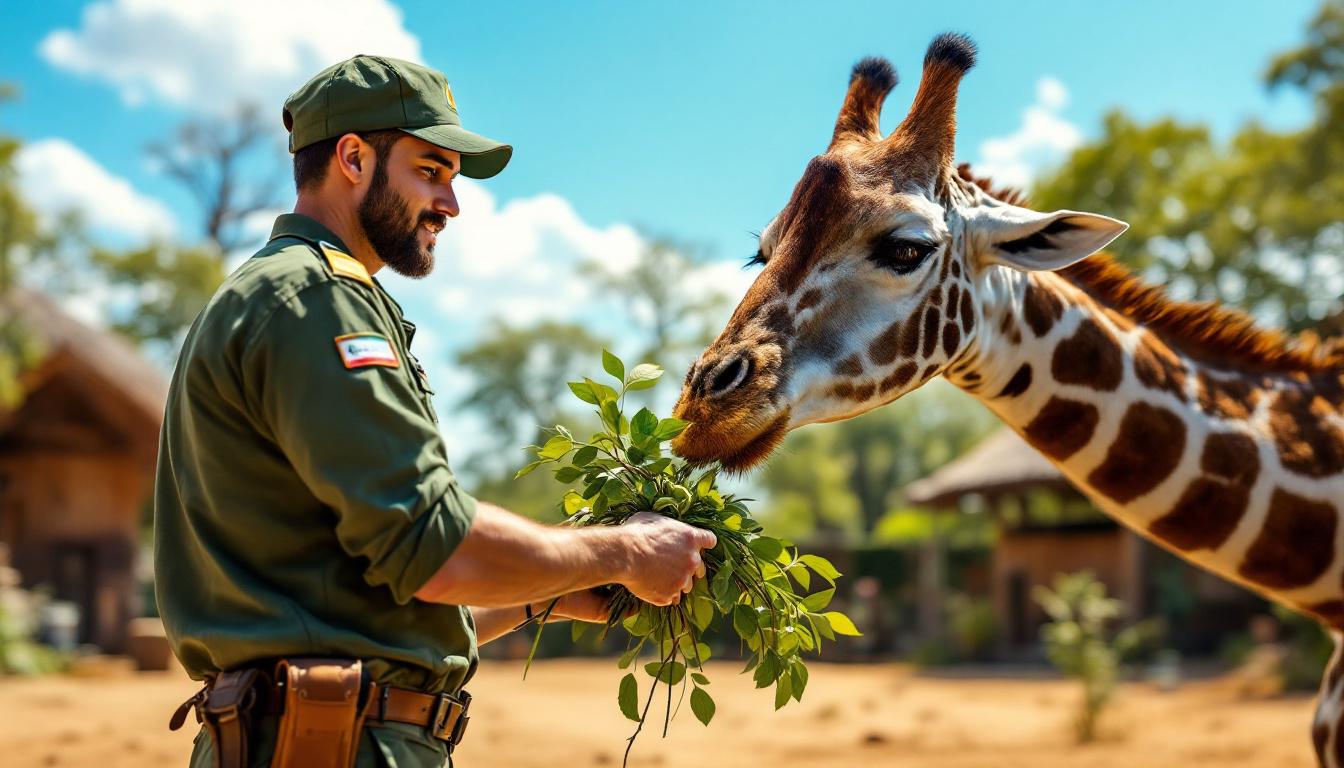
- Possible jobs include animal care technician and wildlife assistant.
- Employment is available in zoos, animal shelters, and environmental agencies.
- Some graduates work in research support or laboratory assistance.
- The diploma helps build experience for those aiming at further education.
- Job entry usually requires practical skills and a passion for animals.


Careers after further study
These careers require a higher level of study than this degree.






Continuing your studies
After completing this Associate Degree, students can continue their studies in related fields to deepen their knowledge and improve career prospects. Transfer to four-year colleges is common for those aiming to earn a bachelor's degree.
- Students often pursue a bachelor's degree in biology or zoology.
- Some may specialize in environmental science or veterinary technology.
- Credits earned can often be transferred to universities.
- Reorientation towards other life sciences is also possible.
Where to study this degree (132)








Liste des 132 établissements
- New York Medical CollegeValhalla
- Medical University of South CarolinaCharleston
- North Dakota State UniversityFargo
- Indiana University BloomingtonBloomington
- Johns Hopkins UniversityBaltimore
- University of New HampshireDurham
- Tarleton State UniversityStephenville
- San Francisco State UniversitySan Francisco
- San Diego State UniversitySan Diego
- The University of Texas Health Science Center at San AntonioSan Antonio
- Beacon CollegeLeesburg
- Virginia TechBlacksburg
- Southwestern UniversityGeorgetown
- Colorado State University-Fort CollinsFort Collins
- University of OklahomaNorman
- Ohio University LancasterAthens
- University of ConnecticutStorrs
- Michigan State UniversityEast Lansing
- Ohio State University-Main CampusColumbus
- University of WyomingLaramie
- Oklahoma State University-Main CampusStillwater
- Oregon State UniversityCorvallis
- University of California-DavisDavis
- Eckerd CollegeSaint Petersburg
- University of Wisconsin–MadisonMadison
- University of VermontBurlington
- Texas State UniversitySan Marcos
- University of FloridaGainesville
- Miami University-OxfordOxford
- Berry CollegeMount Berry
- North Carolina State UniversityRaleigh
- Lees McRae CollegeBanner Elk
- Kent State University at KentKent
- Weber State UniversityOgden
- Cal Poly HumboldtArcata
- Southern Illinois University CarbondaleCarbondale
- Washington State UniversityPullman
- Ohio Wesleyan UniversityDelaware
- State University of New York at OswegoOswego
- Davidson County Community CollegeThomasville
- Carroll UniversityWaukesha
- SUNY College of Environmental Science and ForestrySyracuse
- Canisius CollegeBuffalo
- Liberty UniversityLynchburg
- Frostburg State UniversityFrostburg
- Kansas State UniversityManhattan
- Texas A & M University-College StationCollege Station
- Brigham Young UniversityProvo
- University of California-Santa BarbaraSanta Barbara
- University of MaineOrono
- Malone UniversityCanton
- University of Nebraska–LincolnLincoln
- University of New EnglandBiddeford
- University of Michigan–FlintFlint
- West Texas A&M UniversityCanyon
- Kentucky Wesleyan CollegeOwensboro
- Friends UniversityWichita
- Olivet Nazarene UniversityBourbonnais
- University of GeorgiaAthens
- Delaware Valley CollegeDoylestown
- Keystone CollegeLa Plume
- Purdue University West LafayetteWest Lafayette
- Muskingum UniversityNew Concord
- University of DelawareNewark
- Franklin and Marshall CollegeLancaster
- Clemson UniversityClemson
- University of Hawaiʻi at MānoaHonolulu
- Bucknell UniversityLewisburg
- University of KentuckyLexington
- University of North DakotaGrand Forks
- Pennsylvania State University-Main CampusUniversity Park
- Louisiana State University and Agricultural & Mechanical CollegeBaton Rouge
- University of California, RiversideRiverside
- Mars Hill UniversityMars Hill
- University of Illinois Urbana-ChampaignUrbana
- Mississippi State UniversityStarkville
- Grand Valley State UniversityAllendale
- University of Minnesota-Twin CitiesMinneapolis
- Union UniversityJackson
- Utica CollegeUtica
- Charleston Southern UniversityCharleston
- University of ArkansasFayetteville
- University of ArizonaTucson
- Cornell UniversityIthaca
- Hampshire CollegeAmherst
- Unity CollegeNew Gloucester
- Rutgers University-New BrunswickNew Brunswick
- Ohio University-Eastern CampusSaint Clairsville
- Hastings CollegeHastings
- Pikes Peak Community CollegeColorado Springs
- University of IdahoMoscow
- Western New Mexico UniversitySilver City
- University of Maryland-College ParkCollege Park
- Montana State UniversityBozeman
- Boise State UniversityBoise
- Arizona State University Campus ImmersionTempe
- Snow CollegeEphraim
- Utah State UniversityLogan
- Western Illinois UniversityMacomb
- Oregon State University CascadesBend
- Ohio University-Lancaster CampusLancaster
- Auburn UniversityAuburn
- Cerritos CollegeNorwalk
- Northwest Nazarene UniversityNampa
- New Mexico Highlands UniversityLas Vegas
- Ursinus CollegeCollegeville
- Ohio University ZanesvilleZanesville
- Iowa State UniversityAmes
- Master's CollegeSanta Clarita
- Barton County Community CollegeGreat Bend
- Central Washington UniversityEllensburg
- Tulane UniversityNew Orleans
- Northern Michigan UniversityMarquette
- University of California-San DiegoLa Jolla
- University of KansasLawrence
- San Jose State UniversitySan Jose
- Madonna UniversityLivonia
- University of Washington-Seattle CampusSeattle
- Baylor College of MedicineHouston
- North Idaho CollegeCoeur d'Alene
- California State Polytechnic UniversityPomona
- Eastern Arizona CollegeThatcher
- University of Rhode IslandKingston
- Texas Tech UniversityLubbock
- Western Washington UniversityBellingham
- Dodge City Community CollegeDodge City
- Laramie County Community CollegeCheyenne
- Ohio University ChillicotheChillicothe
- University of Minnesota, DuluthDuluth
- Rutgers University-NewarkNewark
- Bergin University of Canine StudiesPenngrove
- Ohio University SouthernIronton
Frequently asked questions
What prior education do I need to apply?
You need to have completed high school or have an equivalent diploma like a GED to apply for this Associate Degree.
Is this degree enough to work with animals?
Yes, it prepares you for entry-level jobs in animal care and related fields, but some positions may require further studies or experience.
Can I transfer to a university after this degree?
Many students transfer to four-year colleges to pursue a bachelor's degree in biology or related fields using credits earned.
Are there practical experiences included?
Yes, the program includes laboratory work, field trips, and sometimes internships to gain hands-on experience with animals.
Is this degree selective to get into?
The admission process is generally not very selective and is accessible to students who meet basic requirements.
Can I do this program while working?
Some colleges may offer flexible schedules, but the program usually requires regular attendance for labs and field activities.
Does this degree prepare me for veterinary school?
It provides foundational knowledge useful for veterinary studies, but additional education is needed to become a veterinarian.
Are there opportunities for internships?
Many programs encourage or offer internships during breaks to help students gain real-world experience.
