
Associate Degree in Microbiological Sciences and Immunology
This Associate Degree in Microbiological Sciences and Immunology teaches the basics of microorganisms and immune system functions, preparing students for entry-level lab roles or further studies in health sciences.
About
This Associate Degree in Microbiological Sciences and Immunology is a two-year program in the United States designed for students interested in the study of microorganisms and the immune system. It suits those who want to understand how bacteria, viruses, and immune responses affect health and disease. The degree prepares graduates for technical roles in laboratories or for continuing education in related fields. It is ideal for students who enjoy science and want practical skills in biology and immunology.
- The program covers fundamental concepts of microbiology and immunology.
- It is typically completed in two years at community colleges or technical schools.
- Graduates can work as lab technicians or pursue further studies in health or biological sciences.
- The degree offers a balance of theory and practical laboratory experience.
- It is suited for students with a strong interest in science and biology.
What you study
The curriculum combines classroom learning with hands-on laboratory work to build a solid foundation in microbiology and immunology. Students start with basic biology and chemistry courses, then progress to specialized subjects. Practical lab sessions are an important part of the learning process, allowing students to apply concepts in real situations.
- First-year courses include general biology, chemistry, and introductory microbiology.
- Second-year studies focus on immunology, microbial genetics, and laboratory techniques.
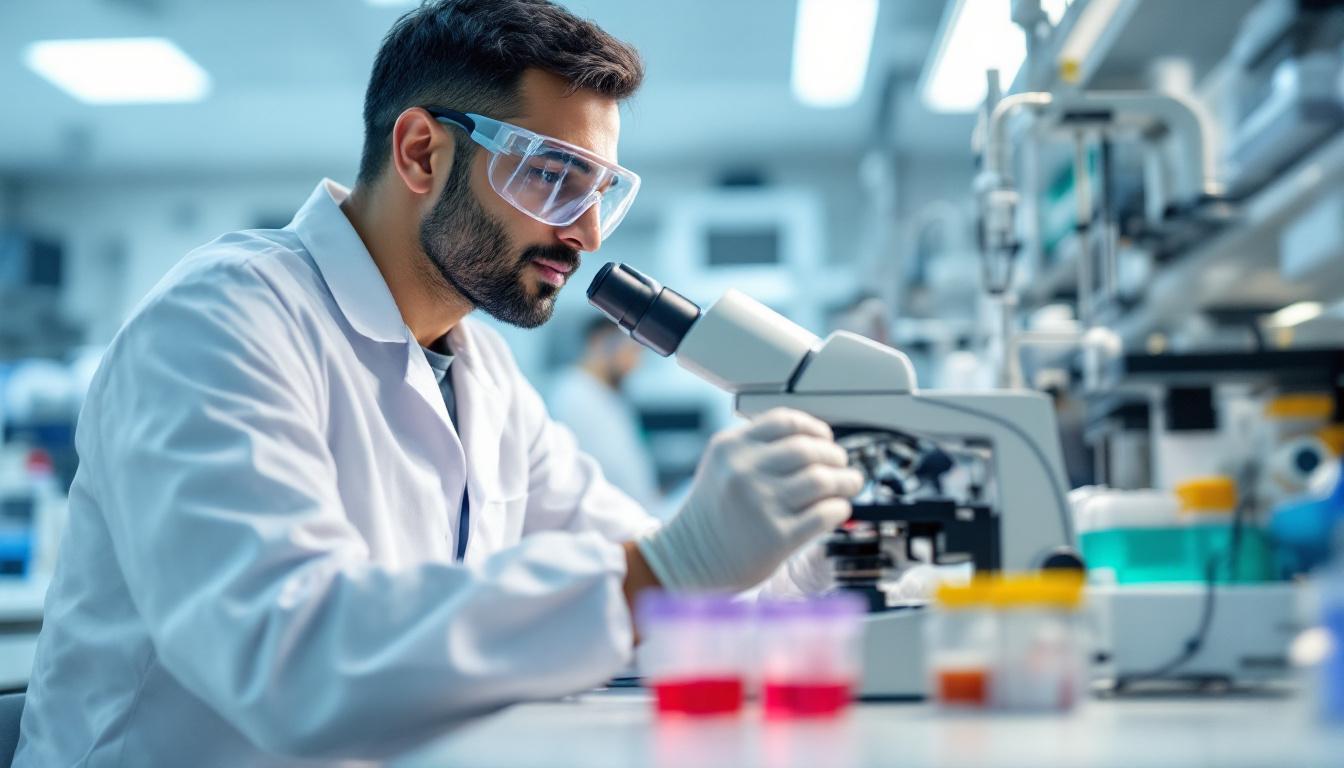
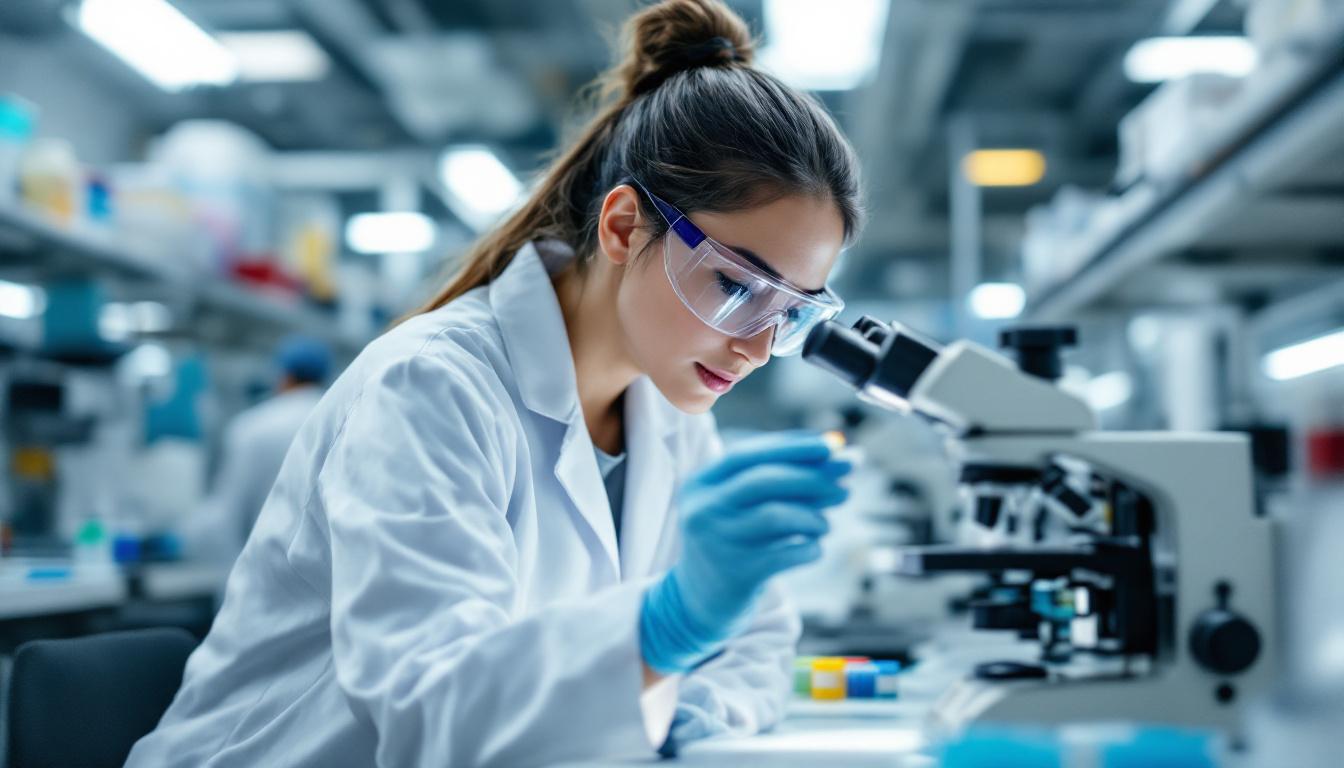
- Students learn to use microscopes, culture bacteria, and perform immune assays.
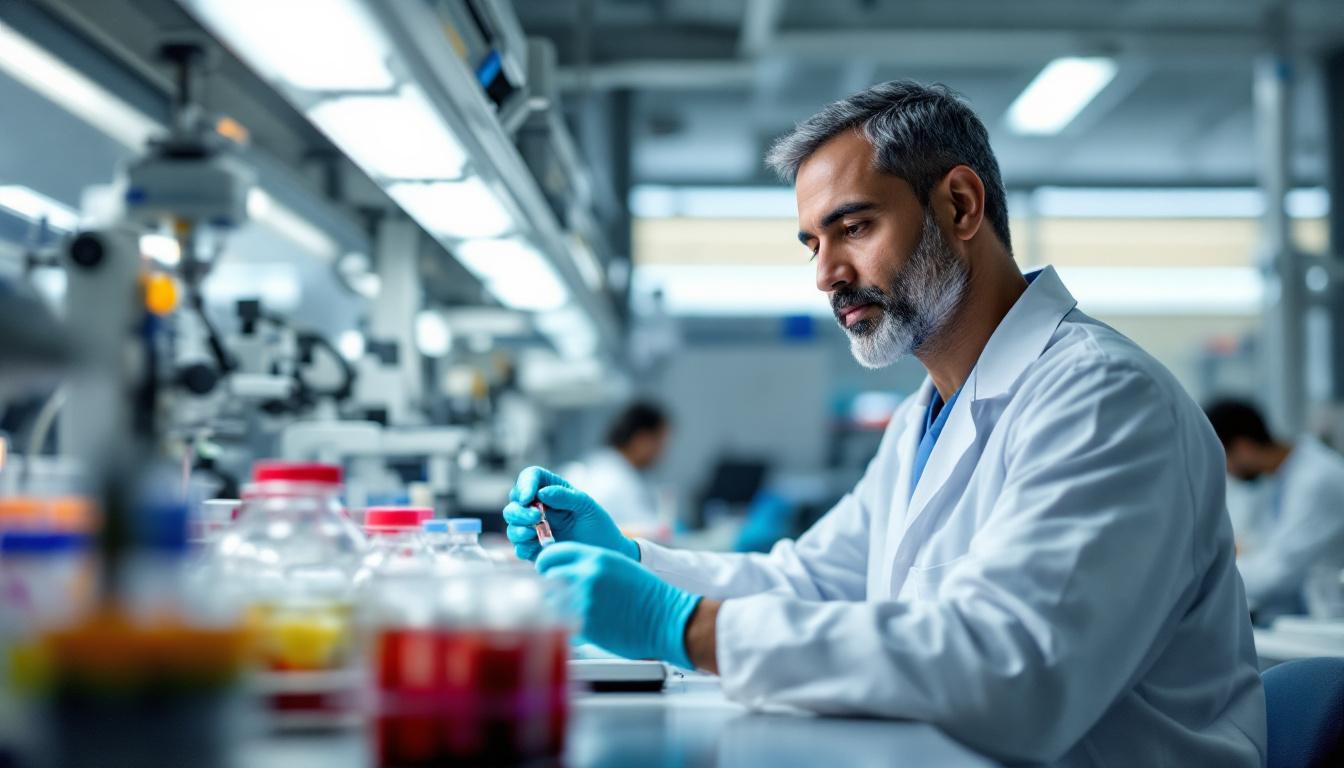
- Laboratory practice is integrated throughout the program to develop technical skills.
- The program emphasizes understanding disease mechanisms and immune responses.
- Some courses may include project work or case studies related to infectious diseases.
How to get in
Admission to this Associate Degree usually requires a high school diploma or equivalent in the US. The process involves applying to community colleges or technical schools that offer the program. Some schools may require placement tests in math or English to ensure readiness. Students with a background in science are often preferred, but the program is generally accessible to motivated learners.
- Applicants must have completed high school or an equivalent qualification.
- Admission is often open or moderately selective, depending on the institution.
- Some schools require placement tests in math and English.
- Students interested in science and health fields are typical candidates.
- Application procedures include submitting transcripts and sometimes an interview or statement of purpose.
Day to day
The academic year involves a mix of lectures, laboratory sessions, and group projects. Students attend classes regularly and spend significant time in labs practicing techniques. Some programs may offer internships or cooperative education opportunities to gain real-world experience. The workload includes exams, lab reports, and presentations.
- The schedule combines classroom lectures with hands-on labs several times a week.
- Students complete lab reports and participate in group projects.
- Some programs include optional internships in healthcare or research settings.
- The pace is steady, with assessments spread throughout the year.
- Time management is important to balance theory and practical work.
Careers this degree leads to
Graduates can find entry-level jobs in laboratories, healthcare facilities, or research centers. Common roles include lab technician or assistant in microbiology or immunology departments. The demand for skilled technicians is generally steady, especially in medical and environmental sectors. Some graduates continue their education to access more advanced positions.
- Possible jobs include laboratory technician and research assistant.
- Employment is found in hospitals, public health labs, and biotech companies.
- The degree prepares for technical roles supporting scientific research.
- Job opportunities depend on local healthcare and research activity.
- The transition to work is generally smooth for motivated graduates.
Careers after further study
These careers require a higher level of study than this degree.

Continuing your studies
After completing this associate degree, students can continue their studies in bachelor's programs related to biology, microbiology, or health sciences. Many community colleges have transfer agreements with four-year universities. This degree provides a foundation for further specialization or reorientation into related fields like biotechnology or public health.
- Students often transfer to bachelor's degrees in biological or health sciences.
- There are pathways to biotechnology, public health, or medical technology programs.
- The degree supports reorientation toward research or
. - Transfer agreements facilitate continuing education at universities.
Where to study this degree (6)





Liste des 6 établissements
- San Diego City CollegeSan Diego
- Fullerton CollegeFullerton
- North Idaho CollegeCoeur d'Alene
- Snow CollegeEphraim
- Cerritos CollegeNorwalk
- Humacao Community CollegeHumacao
Frequently asked questions
What is the main focus of this Associate Degree?
It focuses on the study of microorganisms and the immune system, combining theory and practical lab work to prepare students for technical roles or further studies.
Can I work immediately after this degree?
Yes, graduates can find entry-level jobs as lab technicians or assistants in various health and research settings.
Is prior science knowledge required to apply?
A high school diploma is needed; while prior science helps, the program is designed to build foundational knowledge for motivated students.
Are internships part of the program?
Some programs offer optional internships or cooperative education to gain practical experience, but this varies by institution.
Can I continue my studies after this degree?
Yes, many students transfer to bachelor's degree programs in biology, microbiology, or related health sciences.
Is this degree selective to enter?
Admission is generally not very selective, making it accessible to a wide range of students with a high school diploma.
Does this program include hands-on lab work?
Yes, laboratory practice is an essential part of the curriculum to develop technical skills.
Is alternance (work-study) available?
Alternance is generally not offered for this associate degree program.