
Associate Degree in Ecology, Evolution, Systematics, and Population Biology
This two-year Associate Degree in Ecology, Evolution, Systematics, and Population Biology teaches foundational biological concepts and prepares students for entry-level roles or further studies in environmental and biological sciences.
About
This Associate Degree is designed for students interested in understanding living organisms and their environments. It is ideal for those who want to explore biology with a focus on ecology, evolution, and population biology. The program provides a solid scientific foundation and practical skills useful in various biology-related fields.
- The diploma takes two years to complete, typically at community colleges or similar institutions in the US.
- It suits students who have completed high school and want to start specialized studies in biology.
- The degree prepares students for entry-level jobs in environmental agencies, research support, or conservation groups.
- It also serves as a stepping stone for further studies in biological sciences or related areas.
- The focus is on understanding how species evolve, interact, and maintain ecosystems.
- Students learn to use scientific methods to study populations and biodiversity.
What you study
The curriculum combines theoretical courses with practical lab work and field studies. It builds knowledge progressively over the two years, starting with basic biology and moving towards specialized subjects.
- Early courses cover general biology, chemistry, and mathematics to establish scientific fundamentals.
- Later classes focus on ecology, evolutionary biology, systematics, and population biology.
- Students engage in laboratory experiments to learn techniques like species identification and data analysis.
- Fieldwork is an important part, allowing students to observe ecosystems and collect samples.
- The program encourages the use of scientific software for modeling populations and analyzing biological data.
- Projects and group work help develop critical thinking and communication skills.
How to get in
Admission to this Associate Degree requires a high school diploma or equivalent. The process is generally straightforward and open to many students interested in biology.
- Applicants must have completed high school with a focus on science subjects if possible.
- Community colleges and similar institutions handle admissions, often with simple application forms and no entrance exams.
- Some colleges may require placement tests in math or English to tailor course levels.
- Students with a strong interest in nature and science are encouraged to apply.
- The program welcomes diverse backgrounds, including those returning to education or changing careers.
- Financial aid and counseling services are usually available to support students through the admission process.
Day to day
A typical year includes a mix of classroom learning, laboratory sessions, and field activities. The workload is balanced to provide both theory and hands-on experience.
- Students attend regular lectures to understand key concepts and theories.
- Laboratory work involves experiments to practice scientific methods and data collection.
- Field trips to natural sites allow students to observe ecosystems and species in real environments.
- Group projects and presentations develop teamwork and communication skills.
- Some programs may offer internships or volunteer opportunities with local environmental organizations.
- The pace is designed to help students manage studies alongside other commitments.
Careers this degree leads to
Graduates can find jobs in various biology-related fields, often in support or technician roles. The degree opens doors to work in environmental monitoring, conservation, and research assistance.
- Common roles include environmental technician, wildlife assistant, and laboratory technician.
- Employers include government agencies, non-profits, research centers, and environmental consultancies.
- The job market values practical skills in data collection and species identification.
- Many graduates find that entry-level positions allow them to gain experience before pursuing further studies.
- Work may involve outdoor activities, data analysis, and report writing.
- Employment opportunities depend on local environmental priorities and funding.

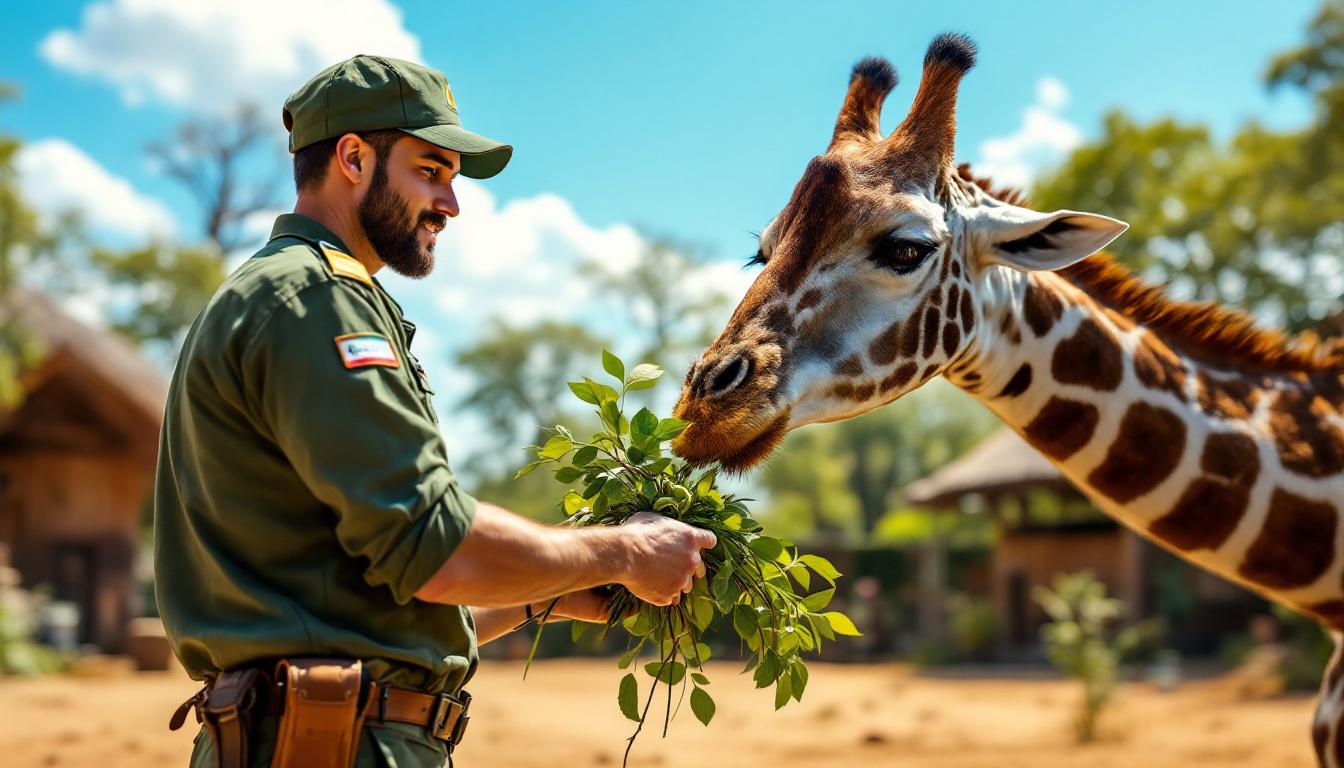
Careers after further study
These careers require a higher level of study than this degree.


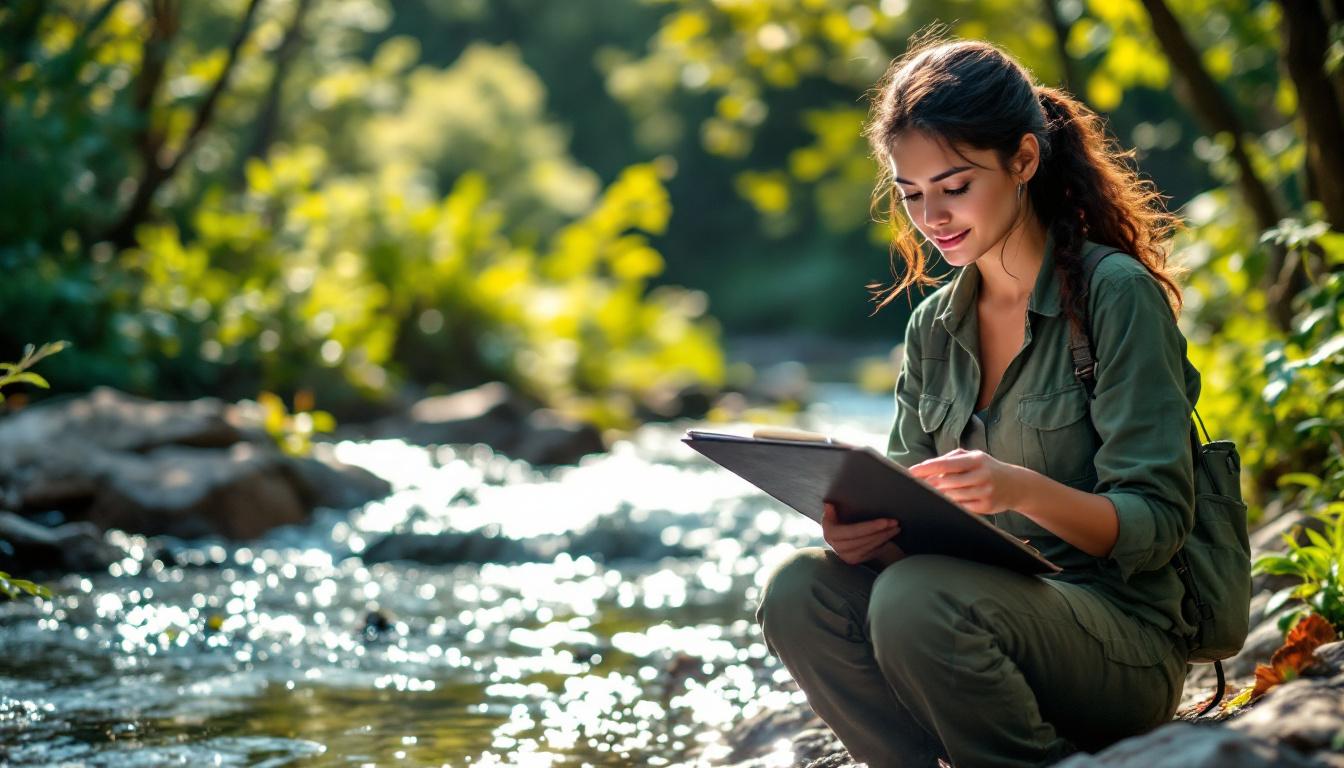
Continuing your studies
After this Associate Degree, students can continue their education to deepen their knowledge or specialize further. Many transfer credits towards a Bachelor’s degree in biological sciences or related fields.
- Common next steps include enrolling in a Bachelor’s degree in biology, ecology, or environmental science.
- Some students choose specialized programs focusing on conservation, marine biology, or wildlife management.
- Transfer agreements between community colleges and universities facilitate continuation of studies.
- Students may also consider technical certifications or training in environmental monitoring or GIS.
- Reorientation is possible towards other science or health-related fields depending on interests.
Where to study this degree (10)










Liste des 10 établissements
- Portland Community CollegePortland
- Brunswick Community CollegeBolivia
- Savannah State UniversitySavannah
- Southern Maine Community CollegeSouth Portland
- Rowan College at Gloucester CountySewell
- Santa Barbara City CollegeSanta Barbara
- Eastern Arizona CollegeThatcher
- Lewis and Clark Community CollegeGodfrey
- Oregon Coast Community CollegeNewport
- Atlantic Cape Community CollegeMays Landing
Frequently asked questions
What kind of jobs can I get with this degree?
You can work in roles such as environmental technician or wildlife assistant, supporting conservation and research projects. These jobs often involve fieldwork and data analysis.
Is this degree enough to become a biologist?
This degree provides foundational knowledge but becoming a professional biologist usually requires further studies, such as a bachelor’s degree.
Can I transfer to a university after this degree?
Yes, many community colleges have agreements allowing credits to transfer towards a bachelor’s degree in biology or related fields.
Are there practical experiences included in the program?
Yes, the program includes laboratory work and field trips to help you apply what you learn in real situations.
Do I need a strong science background to apply?
Having completed high school with science courses is recommended, but the program is designed to build your knowledge progressively.
Is financial aid available for this degree?
Many institutions offer financial aid and scholarships; it’s best to check with the college’s financial office for options.
Can I study this degree part-time or online?
Some colleges may offer part-time or online courses, but practical and field components usually require in-person attendance.
Is work experience required before applying?
Work experience is generally not required, but having an interest in nature and science helps you succeed in the program.