
Associate Degree in Cell/Cellular Biology and Anatomical Sciences
This 2-year Associate Degree in Cellular Biology and Anatomical Sciences teaches fundamental biological and anatomical concepts, preparing students for entry-level roles or further studies in health and science fields.
About
The Associate Degree in Cellular Biology and Anatomical Sciences is a two-year program offered in the United States. It is designed for students interested in understanding the structure and function of cells and human anatomy. This degree suits those who want to start a career in health sciences or biology-related fields or plan to continue their education at a higher level. It provides foundational knowledge useful for roles in laboratories, healthcare support, or research assistance. The program is accessible to recent high school graduates or those with equivalent qualifications, offering a practical and scientific approach to biological sciences.
- The degree focuses on cellular biology and anatomical sciences to build a strong scientific base.
- It is intended for students aiming to work in healthcare, laboratories, or pursue further studies.
- The program is typically completed in two years at community colleges or technical schools.
- Students gain skills applicable to entry-level scientific roles or preparation for bachelor’s degrees.
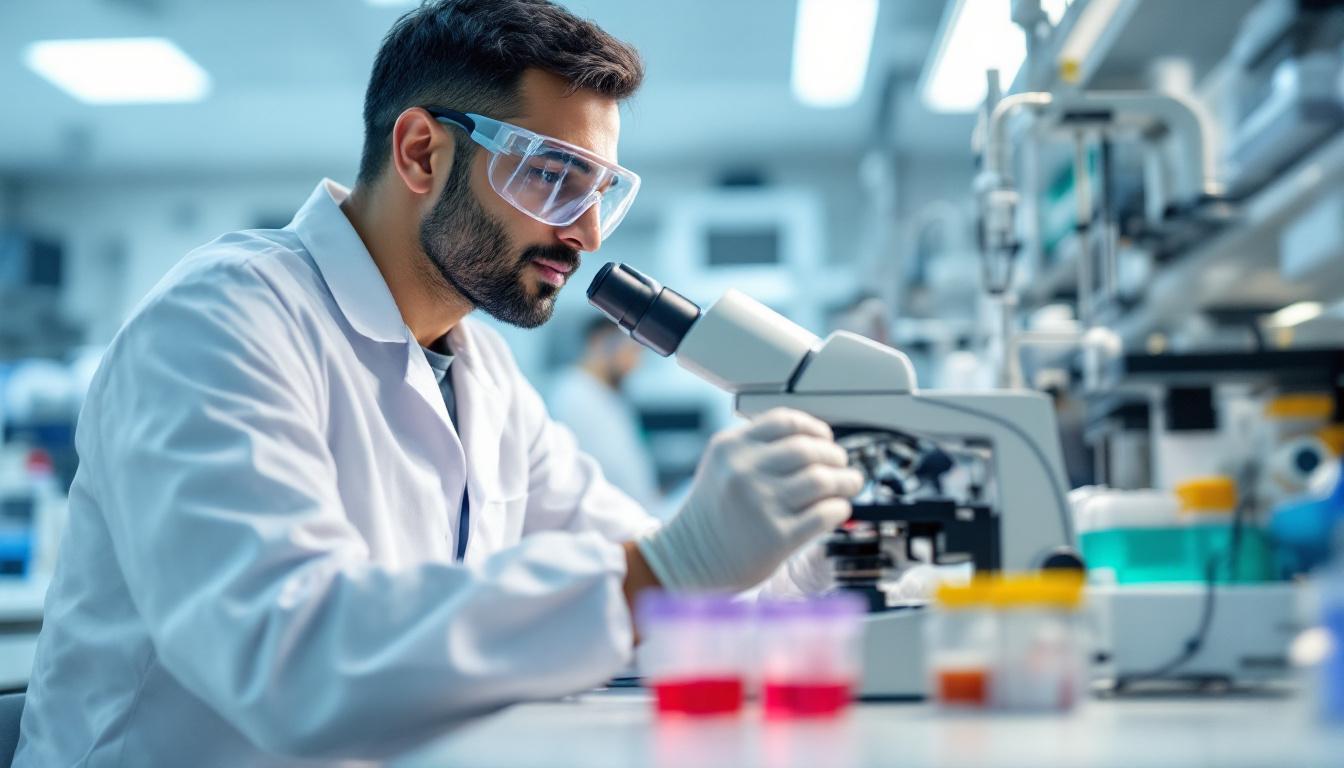
- The curriculum combines theory and practical laboratory work to develop hands-on experience.
What you study
The program covers a range of biological and anatomical subjects over two years, starting with basic concepts and advancing to more detailed studies. Students learn about cell structure, function, genetics, and human anatomy, often through lectures and laboratory exercises. The first year typically introduces foundational topics, while the second year focuses on applied sciences and laboratory techniques. Practical work is important, with students spending significant time in labs to observe cells and tissues and to practice scientific methods. Courses may also include microbiology, physiology, and biochemistry to give a broader understanding of life sciences. The progression ensures students build knowledge step-by-step, preparing them for real-world scientific environments or further education.
- The first year covers basic biology, cell structure, and introductory anatomy.
- The second year includes advanced cellular biology, human physiology, and laboratory techniques.
- Students engage in regular lab sessions to apply theoretical knowledge.
- Courses may involve microscopy, dissection, and scientific data analysis.
- The curriculum balances lectures and hands-on experiments for comprehensive learning.
How to get in
Admission to this associate degree program generally requires a high school diploma or equivalent. In the US, students apply through community colleges or technical schools offering the program. The process usually involves submitting transcripts and may include placement tests in subjects like math and English. The program is open to students with an interest in biology and sciences, and those who have completed relevant high school courses may have an advantage. There is no strict selectivity, making it accessible to many students aiming to build foundational scientific knowledge. Some schools may offer orientation or preparatory courses to help students succeed.
- Applicants need a high school diploma or equivalent qualification.
- Admission is through community colleges or similar institutions.
- The process may include placement tests in math and English.
- Students with a background in biology or science are well-prepared.
- The program is generally open to a wide range of applicants.
Day to day
A typical year in this program combines classroom learning with laboratory work. Students attend lectures to understand theoretical concepts and spend time in labs practicing techniques like cell observation and tissue analysis. The schedule usually follows a semester system with exams and projects. Some programs may offer opportunities for internships or practical experiences in healthcare or research settings, though this varies. Group projects and presentations help develop communication and teamwork skills. The workload balances study, lab time, and assignments, giving students a realistic experience of scientific work.
- Students attend lectures and laboratory sessions regularly each week.
- The academic year is divided into semesters with exams and projects.
- Some programs include internships or practical experiences.
- Group work and presentations develop communication skills.
- The pace combines theory and hands-on practice to build competence.
Careers this degree leads to
Graduates with this associate degree can find entry-level positions in laboratories, healthcare support, or research assistance. Employers include hospitals, clinics, research centers, and biotechnology companies. The degree provides a foundation for roles such as lab technician or biological science assistant. The job market generally offers opportunities for those with practical skills and scientific knowledge. While some graduates enter the workforce directly, others use this degree as a stepping stone for further studies to access more advanced positions. The degree helps develop skills valued in science and health sectors.
- Possible jobs include laboratory technician and biological science assistant.
- Employers are often hospitals, research labs, and biotech firms.
- The degree supports entry-level scientific roles requiring practical skills.
- Employment opportunities exist in healthcare and research sectors.
- Many graduates continue studies to access more advanced careers.



Careers after further study
These careers require a higher level of study than this degree.


Continuing your studies
After completing this associate degree, students can pursue further studies such as a bachelor’s degree in biology, health sciences, or related fields. Many community colleges have transfer agreements with universities to facilitate continuing education. This degree provides the necessary credits and foundation to enter a four-year program. Students may also choose to specialize further or explore related areas like biotechnology or medical laboratory science. The associate degree offers flexibility for reorientation if students decide to change their focus within the sciences.
- Students can transfer credits towards a bachelor’s degree in biology or health sciences.
- Many colleges have articulation agreements with universities.
- Options include specializations in biotechnology or medical lab science.
- The degree allows for academic flexibility and reorientation.
Where to study this degree (2)


Liste des 2 établissements
- National UniversitySan Diego
- College of Western IdahoNampa
Frequently asked questions
What is the main focus of this associate degree?
The program centers on cellular biology and anatomical sciences, teaching students about cell structures, human anatomy, and related laboratory techniques.
Who can apply for this degree?
Applicants need a high school diploma or equivalent and an interest in biological sciences; the program is accessible to a wide range of students.
Are there practical experiences included in the program?
Yes, students spend significant time in laboratories practicing techniques such as microscopy and tissue analysis.
Can I work while studying this degree?
The program typically follows a semester schedule with regular classes and labs, so managing part-time work is possible but depends on individual circumstances.
What kind of jobs can I get after this degree?
Graduates often find entry-level roles like laboratory technician or research assistant in healthcare, biotech, or research labs.
Is it possible to continue studies after this degree?
Yes, many students transfer to four-year universities to pursue bachelor’s degrees in biology or related fields.
Does this degree include internships or work placements?
Some programs may offer internships or practical experiences, but this varies by institution and is not always mandatory.
Is this degree selective?
The program is generally not highly selective, making it accessible to students with a range of academic backgrounds.