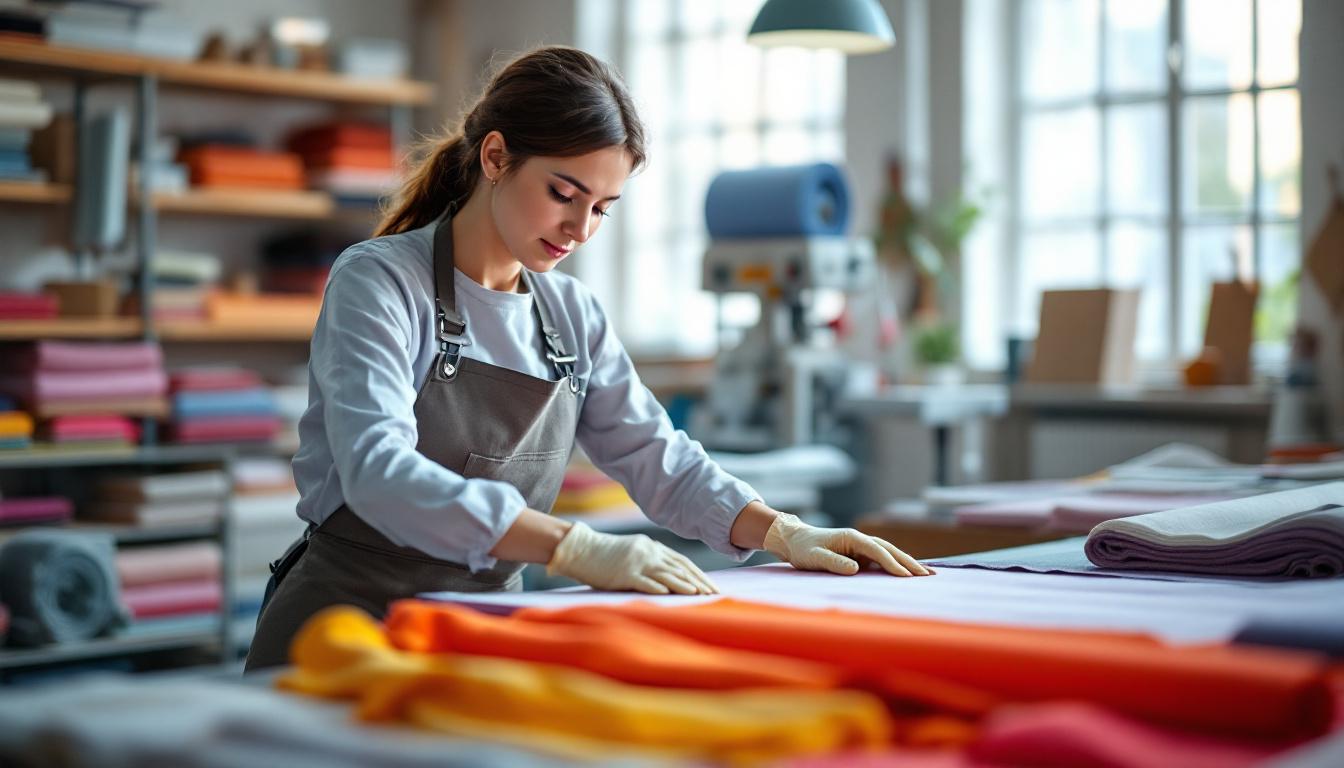
Sewer
Utilize industrial sewing machines to construct high-quality textile products while ensuring precision and meeting production deadlines.
Compensation
GROSS ANNUAL SALARY
Indicative amounts: they vary by region, employer, skills and experience.
Entering the profession — India
Access to the profession typically requires completion of secondary education followed by vocational training or apprenticeship.
Practical experience and on-the-job training are essential to develop proficiency.
Training — India
The formation relies on a professional curriculum oriented towards manual skills in textile or leather processing.
Vocational training institutes and apprenticeships provide the necessary technical knowledge and practical experience.
The job market — India
The market demand for this role is moderate, primarily driven by the textile, leather, and garment manufacturing sectors.
- While some mechanization exists, skilled manual workers remain essential.
- Employment opportunities are stable with moderate growth prospects.