
Physicist Engineer
Specialist applying physics principles to design and optimize technological devices, materials, and processes.
Trend across most countries. Your country's values are in the Salaries, training, job market tab.
About
A Physicist Engineer applies fundamental and applied physics concepts to develop, improve, and innovate technological solutions.
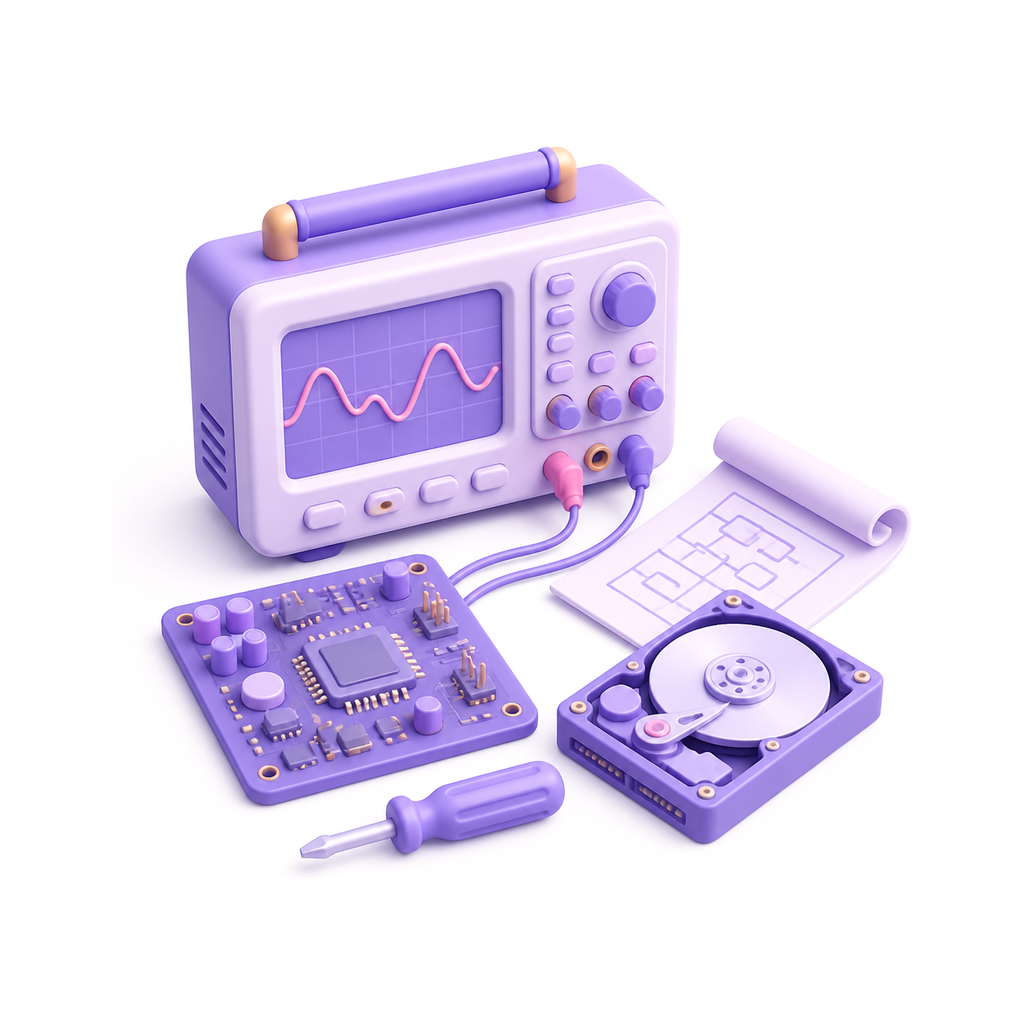
They work primarily in laboratories, research centers, or design offices, utilizing advanced measurement instruments, simulation software, and technical equipment. Their role involves experimental research, data analysis, and collaboration with multidisciplinary teams to create efficient and cutting-edge technologies.
Skills
Technical skills
- Possesses advanced knowledge of physics and applied physics.
- Proficient in using simulation and modeling software.
- Experienced with laboratory instrumentation and measurement techniques.
- Skilled in data analysis and statistical methods.
- Capable of technical report writing and documentation.
- Understands materials science and engineering principles.
- Familiar with safety and quality standards in research environments.
Soft skills
- Demonstrates analytical thinking and effective problem-solving.
- Pays attention to detail and maintains precision.
- Curiosity and a mindset of continuous learning.
- Works well in teams, fostering interdisciplinary collaboration.
- Exhibits effective communication skills.
- Adaptable to evolving technologies.
- Strong project management and organizational skills.
Tasks
- Conduct experimental and theoretical research to gain insights into physical phenomena.
- Design and develop innovative materials, devices, or processes using physics principles.
- Utilize simulation software to model and predict system behaviors.
- Perform precise measurements and analyze data with advanced instruments.
- Collaborate with multidisciplinary teams, including engineers and scientists.
- Optimize existing technologies for enhanced performance and efficiency.
- Document research findings and prepare comprehensive technical reports.
- Ensure compliance with established safety and quality standards.
- Engage in innovation and technology transfer activities.
- Stay informed on the latest scientific and technological advancements.
- Support prototype development and rigorous testing.
- Contribute to patent applications and manage intellectual property.
Work environments
- Research laboratories: Cutting-edge facilities for experimental research and innovation.
- Design and engineering offices: Spaces focused on creating and refining technological solutions.
- Technology development centers: Hubs for advancing and deploying new technologies.
- Industrial R&D departments: Collaborative environments driving industrial innovation.
- Academic and scientific institutions: Institutions fostering scientific exploration and education.
Career paths
- Advance to the role of Senior Research Engineer.
- Progress to Project Manager in R&D.
- Become a Technical Specialist or Consultant.
- Lead as a Research Director.
- Drive initiatives as an Innovation Manager.View job profile →
Profile sought
FAQ
Jobs in the same sector







This job by country: Australia · Belgium · Canada · Denmark · Ghana · Hong Kong · India · Ireland · Netherlands · New Zealand · Singapore · South Africa · Sweden · United Arab Emirates · United Kingdom · United States ·