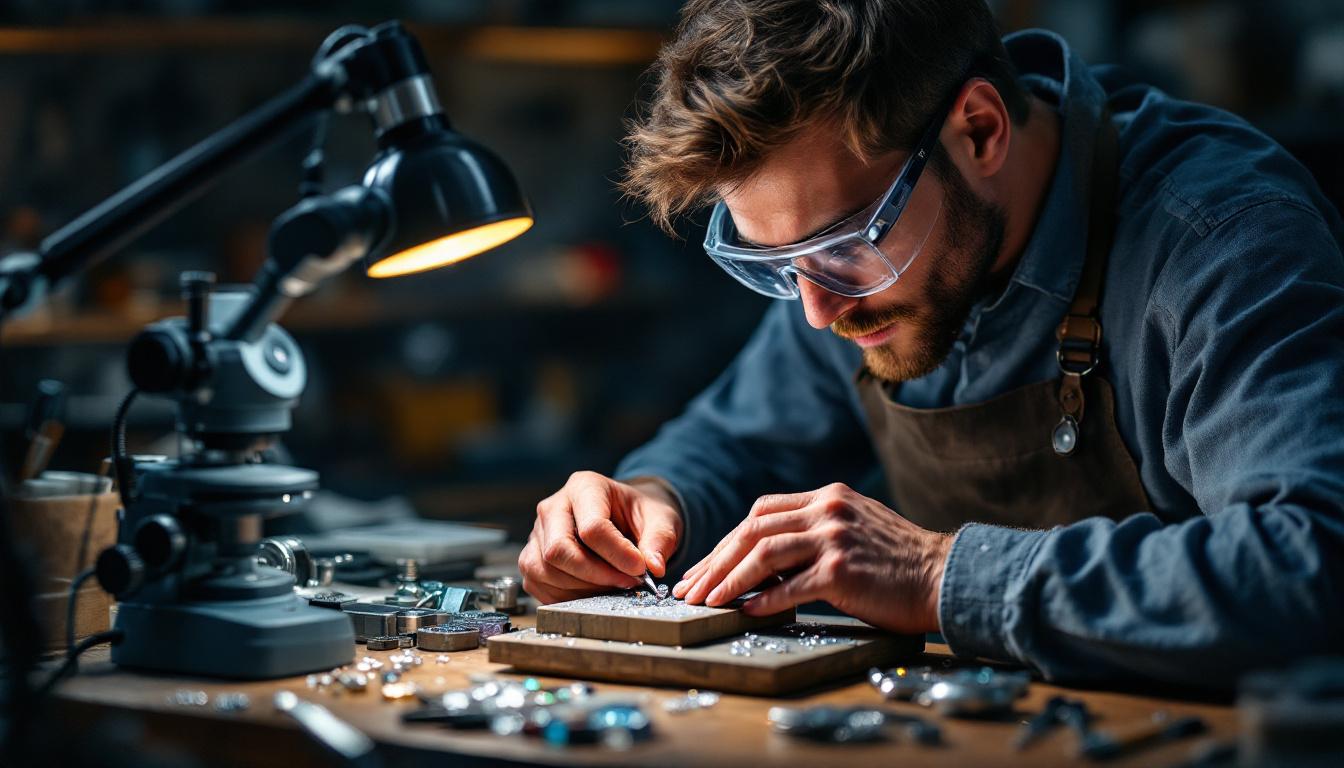
Molders, Shapers, and Casters, Except Metal and Plastic
Craft and shape diverse materials into unique and functional products.
Compensation
GROSS ANNUAL SALARY
Indicative amounts: they vary by region, employer, skills and experience.
Entering the profession — Sweden
Access to the profession is generally through vocational schools offering specialized programs or through apprenticeships under experienced molders and casters.
Prior experience in manual shaping or working with similar materials is advantageous.
Training — Sweden
The formation relies on a vocational curriculum oriented towards mold making and casting techniques excluding metal and plastic.
It includes practical training in workshops and foundries, combined with theoretical knowledge about materials like sand, plaster, and ceramics.
The job market — Sweden
The labor market shows a moderate demand for molders and casters working with non-metal and non-plastic materials, sustained by industries like ceramics, glass, and specialized manufacturing.
- Automation poses a medium risk but skilled manual craftsmanship remains valued.
- The outlook is stable with steady opportunities primarily in artisanal and prototyping sectors.