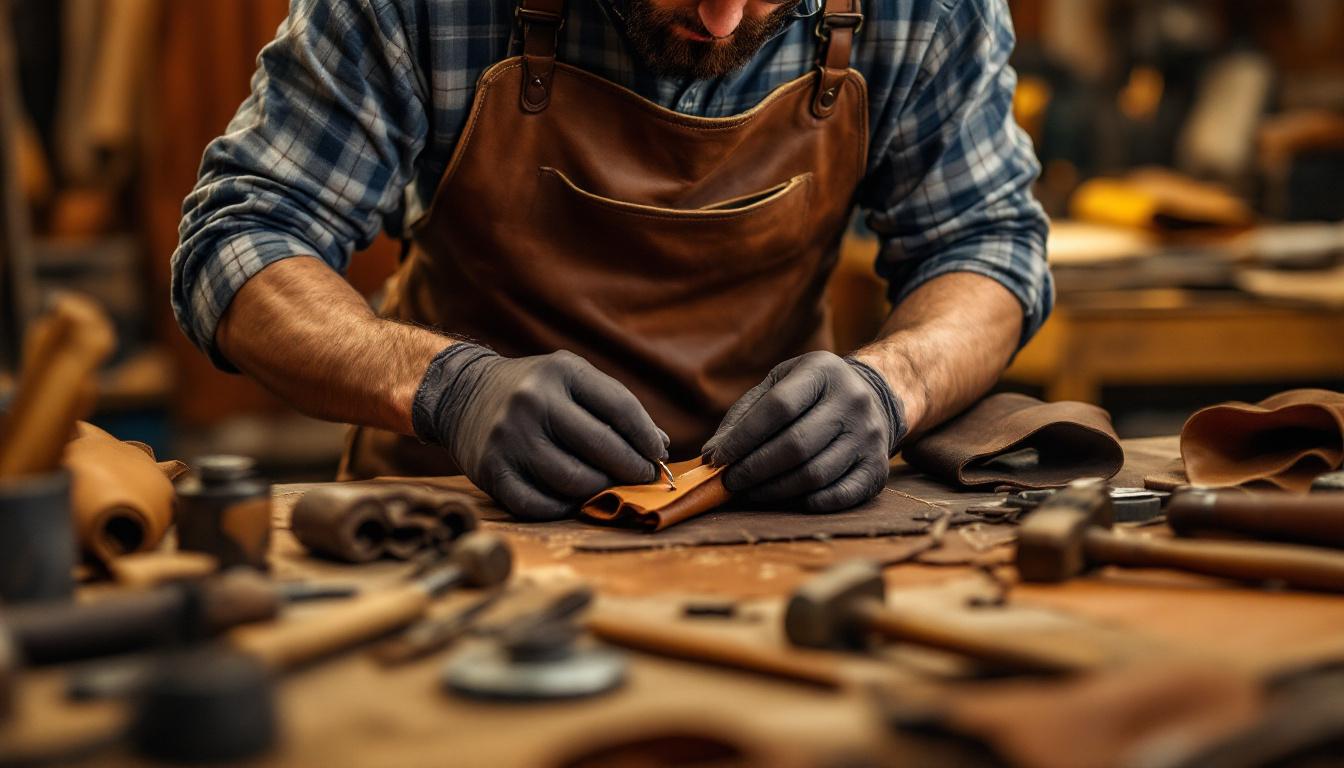
Molders, Shapers, and Casters, Except Metal and Plastic
Craft and shape diverse materials into unique and functional products.
Compensation
GROSS ANNUAL SALARY
Indicative amounts: they vary by region, employer, skills and experience.
Entering the profession — Ghana
Access to the profession is generally through vocational education centers, technical institutes, or direct apprenticeship within manufacturing workshops.
Candidates often start with basic training and progress through hands-on practice under supervision.
Training — Ghana
The formation relies on a professional curriculum oriented towards technical skills in molding and casting processes excluding metals and plastics.
It typically involves vocational training or apprenticeship that combines theoretical knowledge with practical experience in industrial environments.
The job market — Ghana
The market demand for molders, modelers, and founders in non-metal and non-plastic sectors is moderate with stable hiring trends mainly in manufacturing industries such as ceramics and glass production.
Automation poses a medium risk but skilled manual work remains essential, sustaining employment opportunities.