Aquaculture Farmer
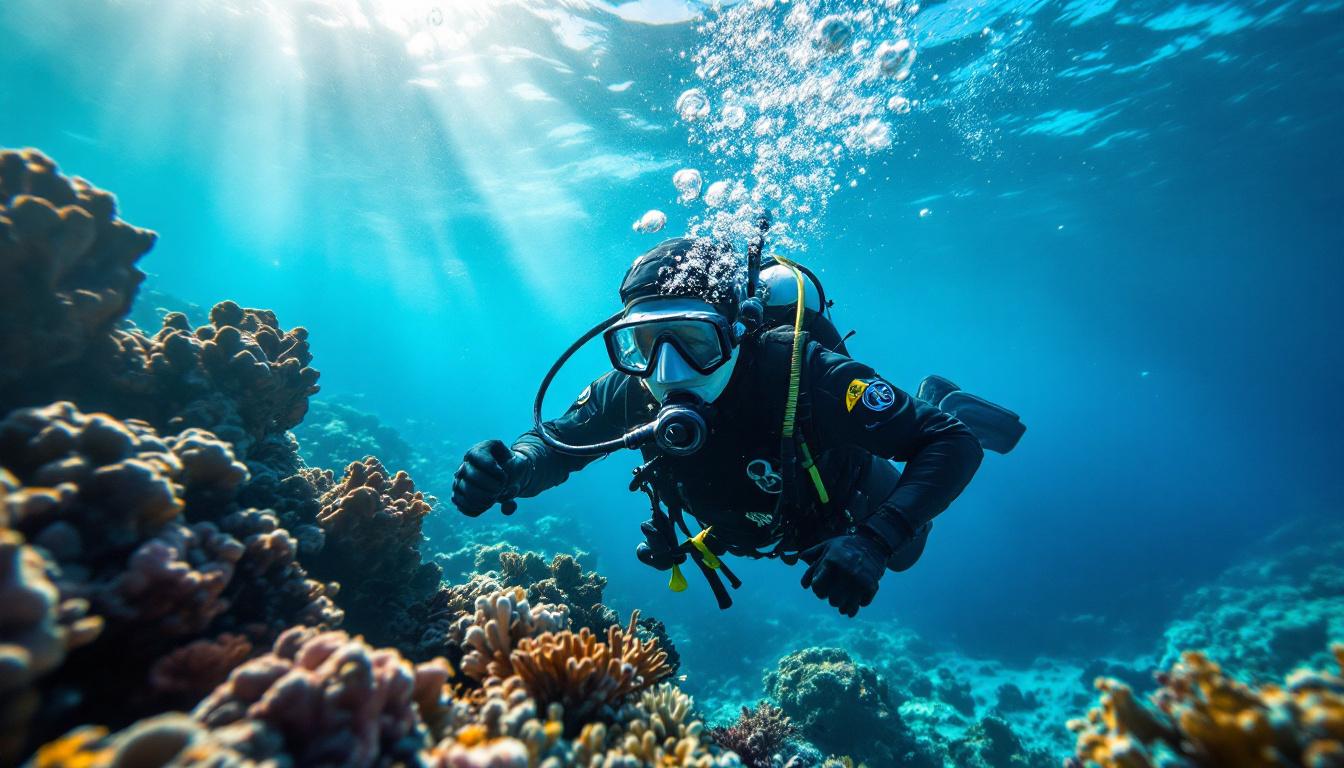
Monitor and manage aquaculture systems to ensure sustainable seafood production while adhering to environmental regulations and quality standards.
Compensation
GROSS ANNUAL SALARY
Indicative amounts: they vary by region, employer, skills and experience.
Entering the profession — Ghana
Access to the profession is generally through technical secondary education or vocational training in aquaculture or fisheries.
- Higher education degrees improve career prospects.
- Apprenticeships and internships at fish farms facilitate entry and skill acquisition.
Training — Ghana
Training relies on a professional curriculum focused on aquatic species biology, breeding methods, water quality management, and sustainable farming techniques.
Vocational schools and universities provide specialized courses, complemented by practical internships.
The job market — Ghana
The aquaculture sector shows steady growth driven by increasing demand for fish products and sustainable farming practices.
- Employment opportunities exist primarily in commercial fish farms, government agencies, and environmental organizations.
- The profession requires hands-on work, limiting remote work possibilities.