
Postbaccalaureate Certificate in Vehicle Maintenance and Repair Technologies/Technicians
This one-year postbaccalaureate certificate teaches vehicle maintenance and repair technologies, preparing students for technician roles in automotive service and repair industries.
About
This certificate is designed for students who have already completed a bachelor's degree and want to specialize in vehicle maintenance and repair. It provides practical and technical knowledge needed to work as automotive technicians. The program focuses on understanding vehicle systems, diagnostics, and repair techniques. It is ideal for those aiming to enter the automotive repair sector or enhance their skills for technical positions.
- The certificate lasts one year and is at EQF level 6, meaning it builds on prior higher education.
- It targets students who want to become vehicle maintenance technicians or repair specialists.
- The training combines theory and hands-on practice to prepare for real-world automotive work.
- Graduates can work in auto repair shops, dealership service centers, or fleet maintenance companies.
- The program helps develop skills for diagnosing and fixing mechanical and electronic vehicle issues.
What you study
The curriculum covers essential topics in vehicle maintenance and repair, mixing classroom learning with practical workshops. Students progressively deepen their understanding of automotive systems and repair methods.
- Courses include engine diagnostics, electrical systems, brake and suspension repair, and vehicle electronics.
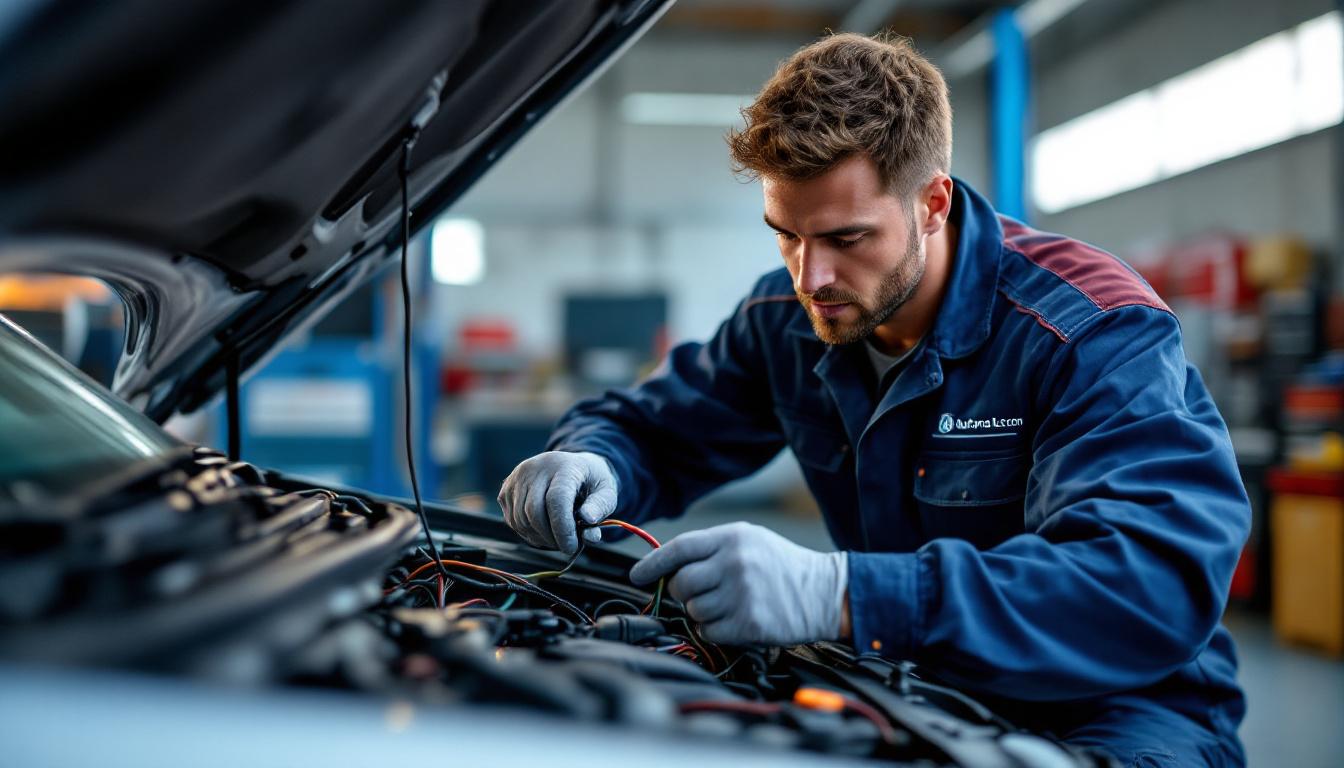
- Practical sessions involve working on real vehicles or simulators to apply repair techniques.
- Students learn to use diagnostic tools and software common in the automotive industry.
- The program emphasizes safety procedures and quality standards in vehicle maintenance.
- Hands-on training represents a significant part of the year, ensuring readiness for technical roles.
- Theoretical lessons explain vehicle mechanics and troubleshooting processes.
How to get in
Admission requires a bachelor's degree or equivalent, as the certificate is postbaccalaureate. The process follows typical US higher education entry procedures.
- Applicants must provide transcripts showing completion of a bachelor's degree.
- Some programs may ask for a background in mechanical or technical fields but generally accept diverse academic profiles.
- Admission is usually through an application to the institution offering the certificate, sometimes including an interview or assessment.
- Motivation for automotive repair and technical skills are valued in candidates.
- The program suits those seeking to specialize after completing undergraduate studies.
Day to day
The academic year is structured around classes, workshops, and practical projects. Students spend time both in classrooms and in hands-on environments.
- The schedule includes lectures on vehicle systems and regular lab sessions for repairs and diagnostics.
- Students often work on real vehicles to practice maintenance and troubleshooting.
- Some programs may offer internships or cooperative education opportunities in automotive shops.
- Projects may involve diagnosing complex vehicle problems or performing complete system repairs.
- The learning pace is intensive due to the one-year duration, requiring focused study and practice.
Careers this degree leads to
Graduates typically find jobs as automotive technicians or maintenance specialists. The industry offers various opportunities in vehicle repair and service.
- Common roles include vehicle maintenance technician, automotive repair specialist, and diagnostic technician.
- Employers include auto repair shops, car dealerships, fleet management companies, and vehicle manufacturers.
- The demand for skilled technicians is steady, with many companies seeking qualified personnel.
- Entry into the workforce is generally smooth for those with practical skills and certification.
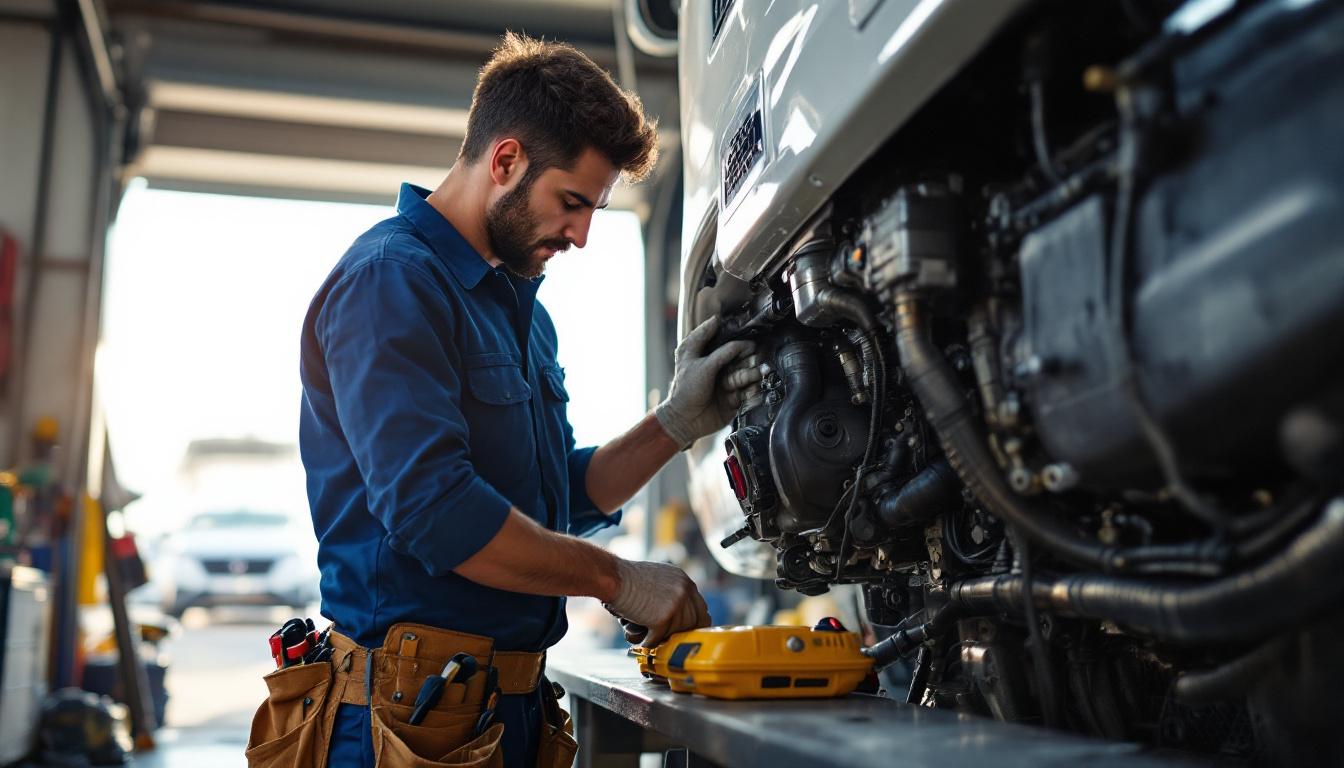
- Technicians work on a variety of vehicles, including cars, trucks, and sometimes specialized machinery.



Careers after further study
These careers require a higher level of study than this degree.
Continuing your studies
After earning this certificate, students can consider further studies or certifications to advance their careers.
- Possible next steps include advanced diplomas in automotive technology or specialized certifications.
- Some may choose to pursue associate or bachelor degrees in automotive engineering or related fields.
- The certificate can also support career shifts into automotive management or technical training roles.
Where to study this degree (3)



Liste des 3 établissements
- Fox Valley Technical CollegeAppleton
- Embry–Riddle Aeronautical UniversityDaytona Beach
- Southern Adventist UniversityCollegedale
Frequently asked questions
Who is eligible to apply for this certificate?
Applicants must have completed a bachelor's degree or equivalent. The program is designed for those wanting to specialize in vehicle maintenance after undergraduate studies.
What kind of practical experience does the program include?
Students engage in hands-on workshops repairing real vehicles and using diagnostic tools to apply theoretical knowledge.
Can this certificate lead directly to a job?
Yes, the certificate prepares students for technician roles in automotive repair shops and service centers, facilitating entry into the workforce.
Is prior experience in automotive repair required?
While helpful, prior automotive experience is not always mandatory. The program provides foundational and advanced technical training.
Are internships part of the program?
Some institutions may offer internships or cooperative education options to gain real-world experience, but this varies by program.
Can I continue my studies after this certificate?
Yes, graduates can pursue further diplomas or degrees in automotive technology or related fields to advance their careers.
Is this certificate recognized across the US?
Recognition depends on the issuing institution, but many certificates meet industry standards and are valued by employers nationwide.
Does the program include training on new vehicle technologies?
Yes, courses often cover modern vehicle electronics and diagnostic software to keep up with evolving automotive technologies.