Postbaccalaureate Certificate in Social and Philosophical Foundations of Education
This one-year postbaccalaureate certificate explores social and philosophical foundations of education, preparing students for roles in education-related fields or further graduate studies.
About
This certificate program focuses on the social and philosophical aspects that shape education systems and practices. It is designed for students who have already completed a bachelor's degree and want to deepen their understanding of educational theories and societal influences on education. The program is suitable for those considering careers in education policy, administration, or community education, as well as individuals aiming to pursue graduate studies in education or related fields.
- The program lasts one year and provides a focused study on education foundations.
- It is intended for students holding a bachelor's degree or equivalent.
- The curriculum examines philosophical theories and social contexts influencing education.
- Students develop critical thinking about education systems and their societal roles.
- The certificate can support career changes or enhance qualifications in education-related sectors.
What you study
The program offers courses that explore key philosophical ideas and social theories related to education. It combines lectures, readings, and discussions to help students grasp complex concepts and their practical implications. Although primarily theoretical, some courses may include case studies or projects to connect ideas with real-world educational issues.
- Courses cover topics like educational philosophy, sociology of education, and historical perspectives.
- The curriculum emphasizes understanding how culture, society, and values influence education.
- Students engage in critical analysis of educational policies and practices.
- The program includes seminars and research assignments to deepen knowledge.
- Practical experience is limited but may involve reflective projects or community observations.
How to get in
Admission to this certificate program requires a completed bachelor's degree, typically in education or a related field, but students from other disciplines may also apply. The application process usually involves submitting transcripts, letters of recommendation, and a statement of purpose explaining the applicant's interest in education foundations.
- Applicants must hold a bachelor's degree from an accredited institution.
- The procedure includes submitting an application form and academic records.
- Some programs may require a personal statement or interview.
- Students with diverse academic backgrounds are often welcomed if they show motivation.
- Admission decisions consider academic performance and interest in education topics.
Day to day
The academic year is structured around coursework, seminars, and independent study. Students typically attend classes several times a week, participate in discussions, and complete readings and assignments. While the program does not usually include formal internships, students may engage in projects or observations in educational settings to connect theory with practice.
- The workload involves regular classes and reading assignments.
- Students participate in seminars encouraging debate and critical thinking.
- Some programs may offer opportunities for field observations or community projects.
- The schedule allows for part-time work or other commitments alongside studies.
- Assessment is based on essays, presentations, and research papers.
Continuing your studies
After completing this certificate, students can continue their education in graduate programs such as a master's in education, educational leadership, or related social sciences. The certificate can also serve as a stepping stone for doctoral studies or specialized training in education policy or administration.
- Common next steps include pursuing a master's degree in education or educational leadership.
- Some students may choose to enter doctoral programs in education or philosophy.
- The certificate supports reorientation towards education research or policy analysis.
Where to study this degree (78)


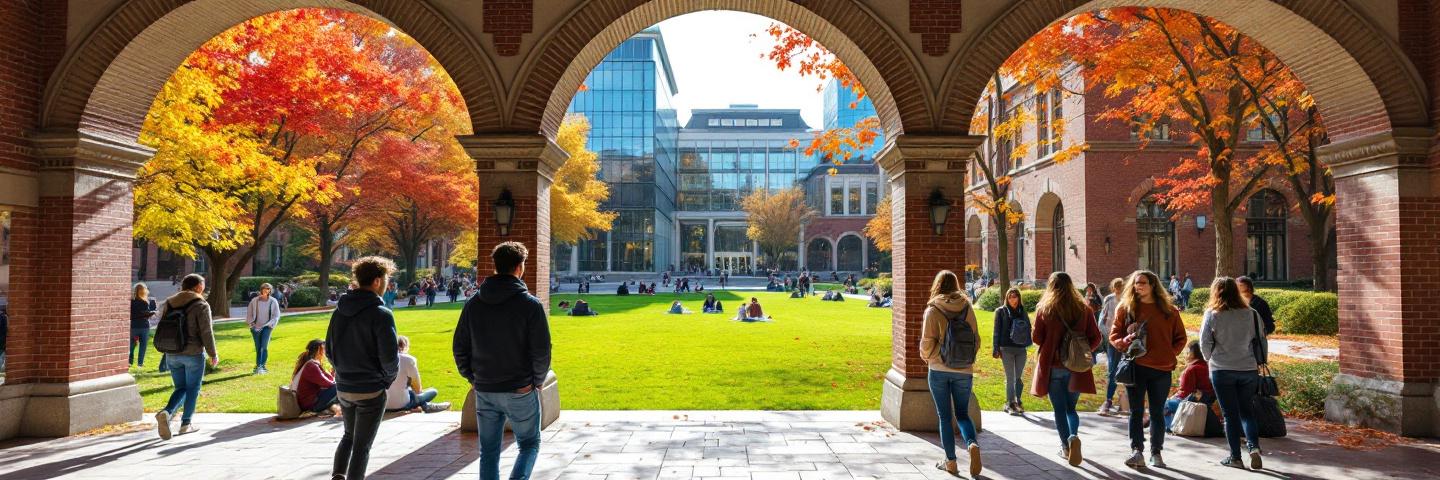
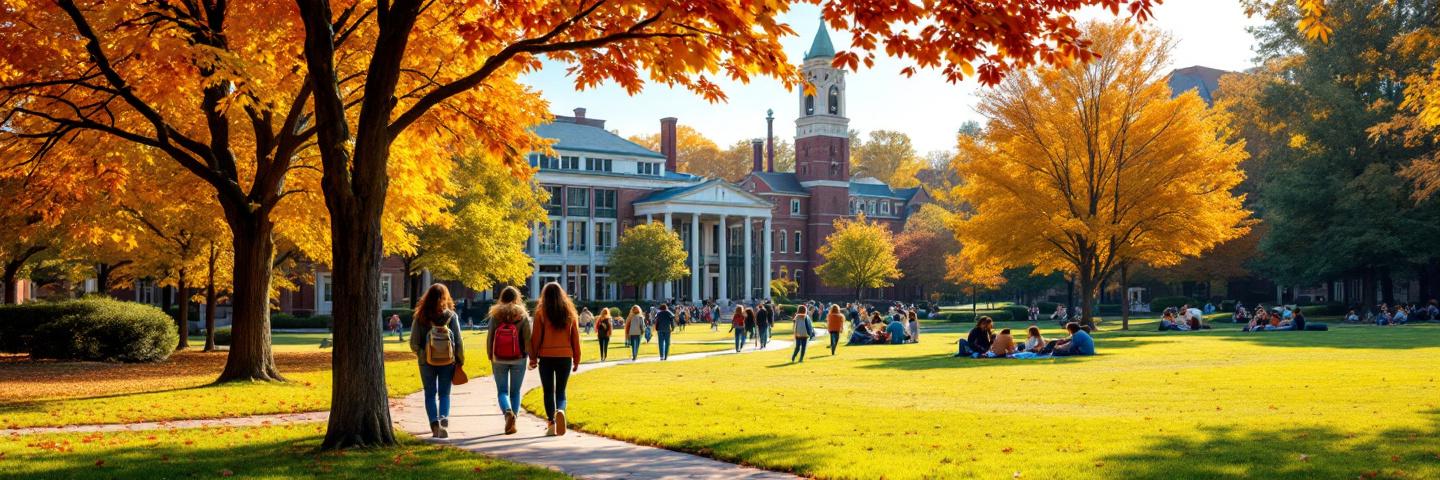






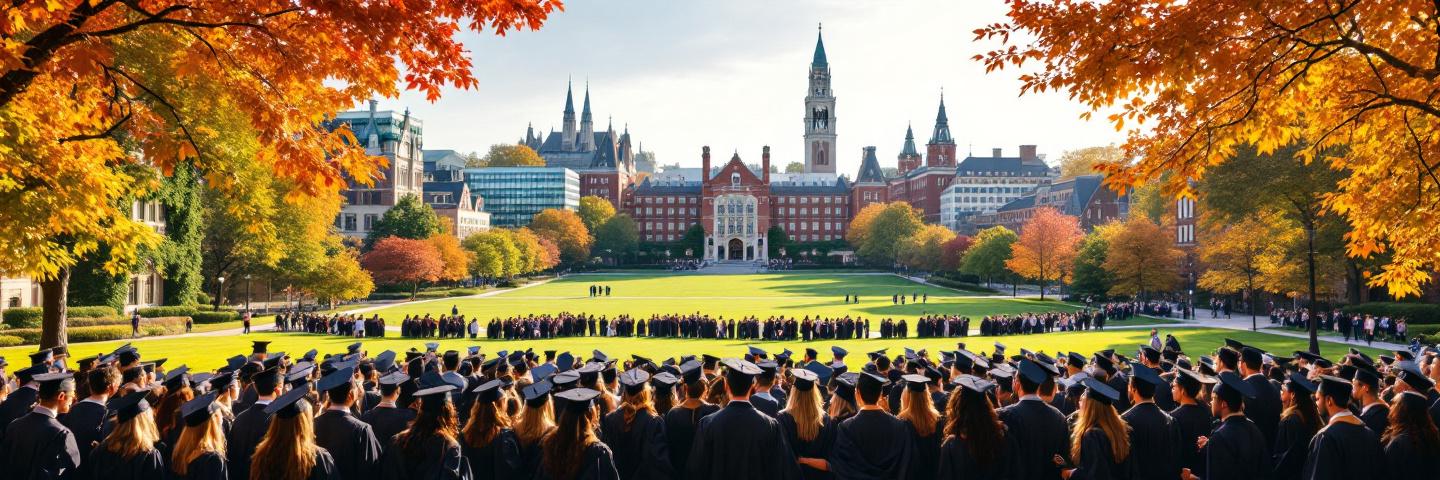

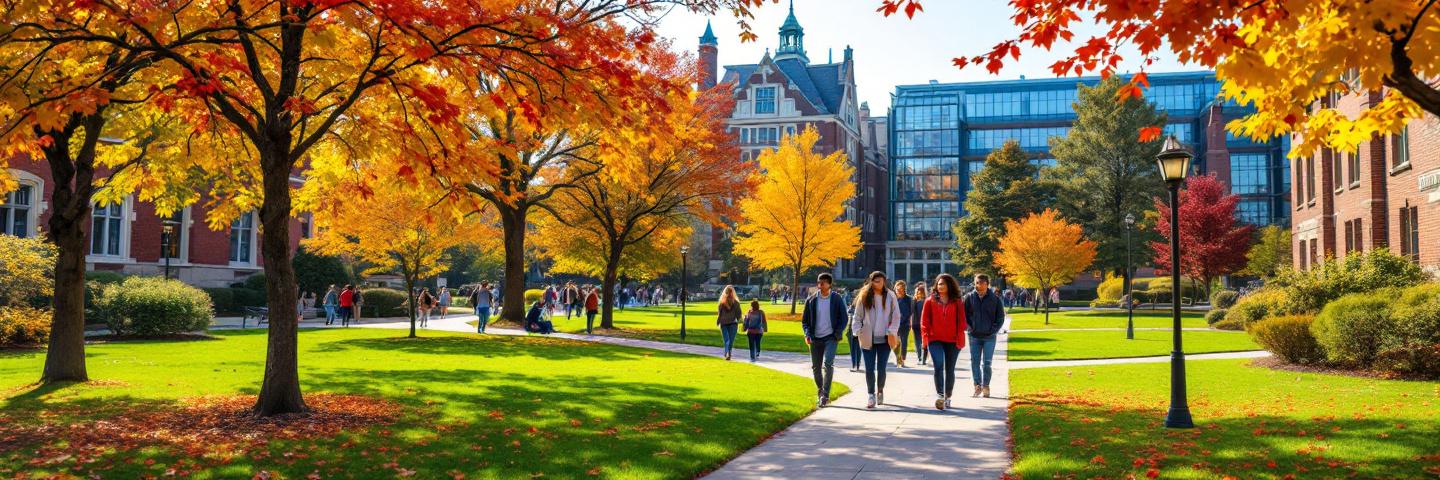





Liste des 78 établissements
- Eastern Mennonite UniversityHarrisonburg
- The University of Arizona Global CampusSan Diego
- University of GeorgiaAthens
- Central Connecticut State UniversityNew Britain
- Florida Atlantic UniversityBoca Raton
- California State University, Long BeachLong Beach
- University of Illinois Urbana-ChampaignUrbana
- Northwestern UniversityEvanston
- University of California, RiversideRiverside
- University of California-Los AngelesLos Angeles
- University of California-Santa CruzSanta Cruz
- University of Wisconsin–MadisonMadison
- University of PennsylvaniaPhiladelphia
- Hope International UniversityFullerton
- Wesleyan UniversityMiddletown
- University of Wisconsin-MilwaukeeMilwaukee
- Northern Arizona UniversityFlagstaff
- Rutgers University-New BrunswickNew Brunswick
- University of UtahSalt Lake City
- Teachers College at Columbia UniversityNew York
- California State University Los AngelesLos Angeles
- Dickinson CollegeCarlisle
- Syracuse UniversitySyracuse
- Loyola University ChicagoChicago
- University of Colorado BoulderBoulder
- University of CincinnatiCincinnati
- Amherst CollegeAmherst
- West Chester UniversityWest Chester
- University of New Mexico-Main CampusAlbuquerque
- Northern Kentucky UniversityHighland Heights
- Arizona State University Campus ImmersionTempe
- University of IowaIowa City
- Columbia UniversityNew York
- University of Hawaiʻi at MānoaHonolulu
- University of the PacificStockton
- University of KansasLawrence
- University of OregonEugene
- Eastern Michigan UniversityYpsilanti
- Drury UniversitySpringfield
- Michigan State UniversityEast Lansing
- University of OklahomaNorman
- Pennsylvania State University-Main CampusUniversity Park
- Kent State University at KentKent
- University of ToledoToledo
- Oklahoma State University-Main CampusStillwater
- Transylvania UniversityLexington
- Georgia State UniversityAtlanta
- Washington State UniversityPullman
- DePaul UniversityChicago
- University of KentuckyLexington
- Indiana University BloomingtonBloomington
- University of South Carolina-ColumbiaColumbia
- Western Michigan UniversityKalamazoo
- University at BuffaloBuffalo
- Florida State UniversityTallahassee
- High Point UniversityHigh Point
- Bard College at Simon's RockGreat Barrington
- Eastern Washington UniversityCheney
- University of ArkansasFayetteville
- Angelo State UniversitySan Angelo
- New York UniversityNew York
- Endicott CollegeBeverly
- Lorain County Community CollegeElyria
- University of North Carolina at GreensboroGreensboro
- Ohio University LancasterAthens
- Southern Connecticut State UniversityNew Haven
- University of AkronAkron
- Western Illinois UniversityMacomb
- Lehman CollegeBronx
- Immaculata UniversityImmaculata
- University of Northern IowaCedar Falls
- Lehigh UniversityBethlehem
- University of Maryland-College ParkCollege Park
- Loyola University MarylandBaltimore
- Northern Illinois UniversityDeKalb
- Hofstra UniversityHempstead
- Iowa State UniversityAmes
- East Carolina UniversityGreenville
Frequently asked questions
What is the main focus of this certificate?
The program centers on understanding the social and philosophical foundations that influence education systems and practices.
Who can apply for this certificate?
Applicants need a bachelor's degree and an interest in education-related topics; students from various academic backgrounds may apply.
Does this certificate qualify me to become a teacher?
No, this certificate does not directly qualify you for teaching positions but supports careers in education policy, administration, or research.
Are there practical experiences included in the program?
The program is mainly theoretical but may include projects or observations to connect concepts with real educational settings.
Can I continue my studies after this certificate?
Yes, many students pursue graduate degrees in education or related fields after completing the certificate.
Is this program offered full-time or part-time?
The certificate is typically designed as a one-year full-time program, but some institutions may offer part-time options.
What careers can I expect after completing this certificate?
Graduates often find roles in education program coordination, policy analysis, community education, or nonprofit sectors.
Is financial aid available for this program?
Financial aid options depend on the institution; students should check with the specific university for available support.
