
Postbaccalaureate Certificate in Dance
This one-year postbaccalaureate certificate in dance offers advanced training in dance techniques and performance, preparing students for careers in the dance and performing arts fields.
About
This postbaccalaureate certificate in dance is designed for students who have already completed a bachelor's degree and want to deepen their skills in dance. It is ideal for those aiming to enhance their technical abilities, artistic expression, and professional experience in dance. The program focuses on refining performance skills and understanding dance as a discipline, which can lead to opportunities as dancers, choreographers, or dance educators.
- The certificate typically lasts one year and is recognized at the EQF level 6, equivalent to a bachelor's degree level.
- It is intended for students with prior academic experience who want specialized training in dance.
- The program helps develop both technical dance skills and artistic creativity.
- Graduates can pursue careers in professional dance companies, theater, or education.
- This certificate can also serve as a stepping stone for further studies in performing arts.
What you study
The curriculum offers a mix of practical and theoretical courses focused on dance techniques and performance. Students engage in daily dance classes to improve their skills and participate in workshops exploring different dance styles and choreography.
- Core courses include modern and contemporary dance techniques, choreography, and performance studies.
- The program emphasizes daily practice and frequent rehearsals to build physical endurance and artistic expression.
- Students study dance history and theory to understand the cultural context of their art.
- Workshops and masterclasses with professional dancers enrich the learning experience.
- The curriculum culminates in public performances or showcases to apply learned skills.
- The progression is intensive, focusing on refining technique and creative development throughout the year.
How to get in
Admission to this certificate program requires a completed bachelor's degree, often in dance or a related field, but some programs may accept candidates with strong practical experience. The application process typically involves submitting transcripts, a resume, and a portfolio or audition demonstrating dance skills.
- Applicants must hold a bachelor's degree or equivalent prior to enrollment.
- The admission process usually includes an audition to assess technical and artistic ability.
- Some programs may require letters of recommendation and a personal statement.
- Successful candidates often have a background in dance performance or choreography.
- Admissions committees look for commitment, creativity, and physical readiness.
Day to day
The typical year is structured around intensive daily dance classes, rehearsals, and academic study. Students spend many hours in the studio practicing techniques and preparing for performances. Collaborative projects and workshops are common, providing real-world experience.
- Students usually attend daily dance training sessions to maintain and improve their skills.
- Rehearsals for performances or showcases are scheduled regularly throughout the year.
- Workshops and guest lectures offer exposure to different dance styles and professional insights.
- Some programs may include internships or community projects to gain practical experience.
- The workload is intense, balancing physical training with academic coursework.
Careers this degree leads to
Graduates can work as professional dancers, choreographers, or dance instructors. The performing arts sector, including theater companies, dance troupes, and cultural organizations, often seek trained dancers. The job market can be competitive, but the certificate helps improve employability by providing advanced skills and experience.
- Career options include professional dancer, choreographer, and dance educator.
- The performing arts sector and cultural institutions are common employers.
- Some graduates work in community arts programs or dance therapy.
- Employment often involves freelance or contract work with dance companies.
- The certificate supports a quicker entry into the professional dance world by enhancing skills and networks.

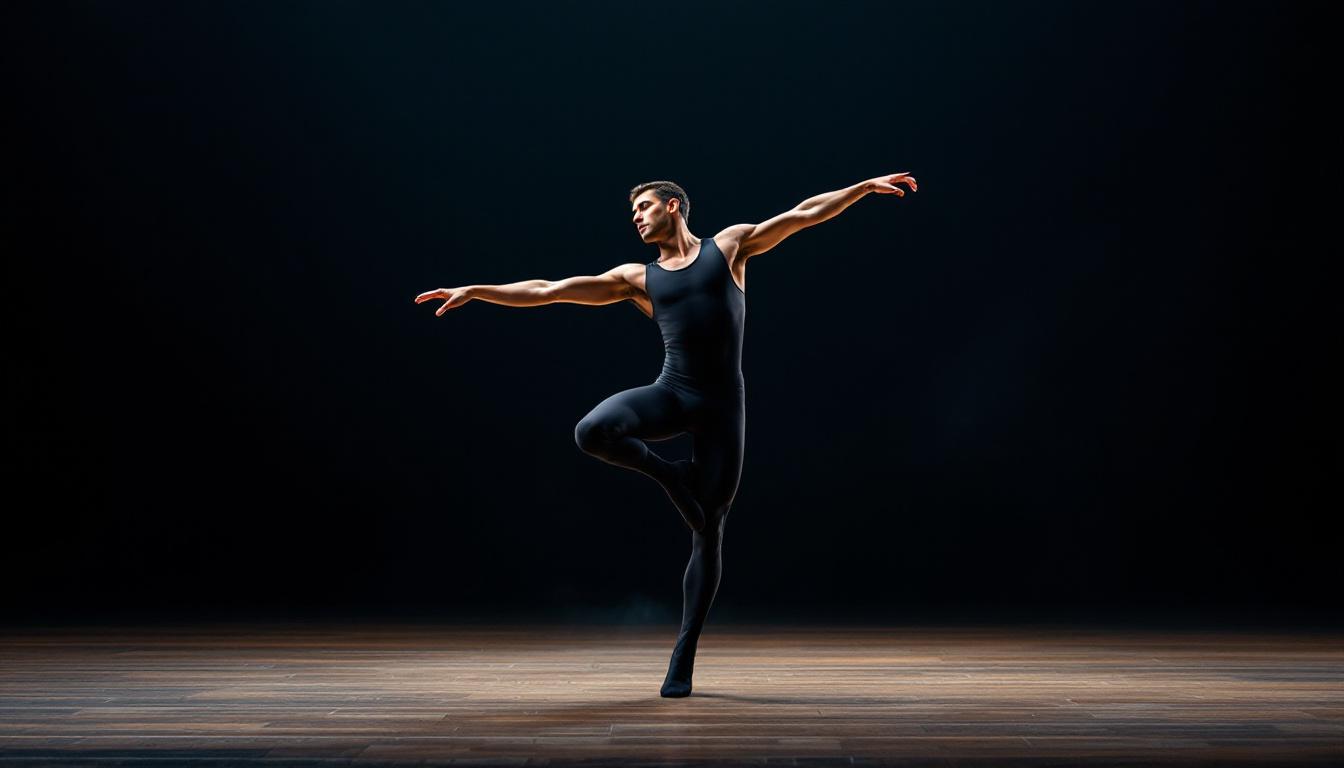
Careers after further study
These careers require a higher level of study than this degree.
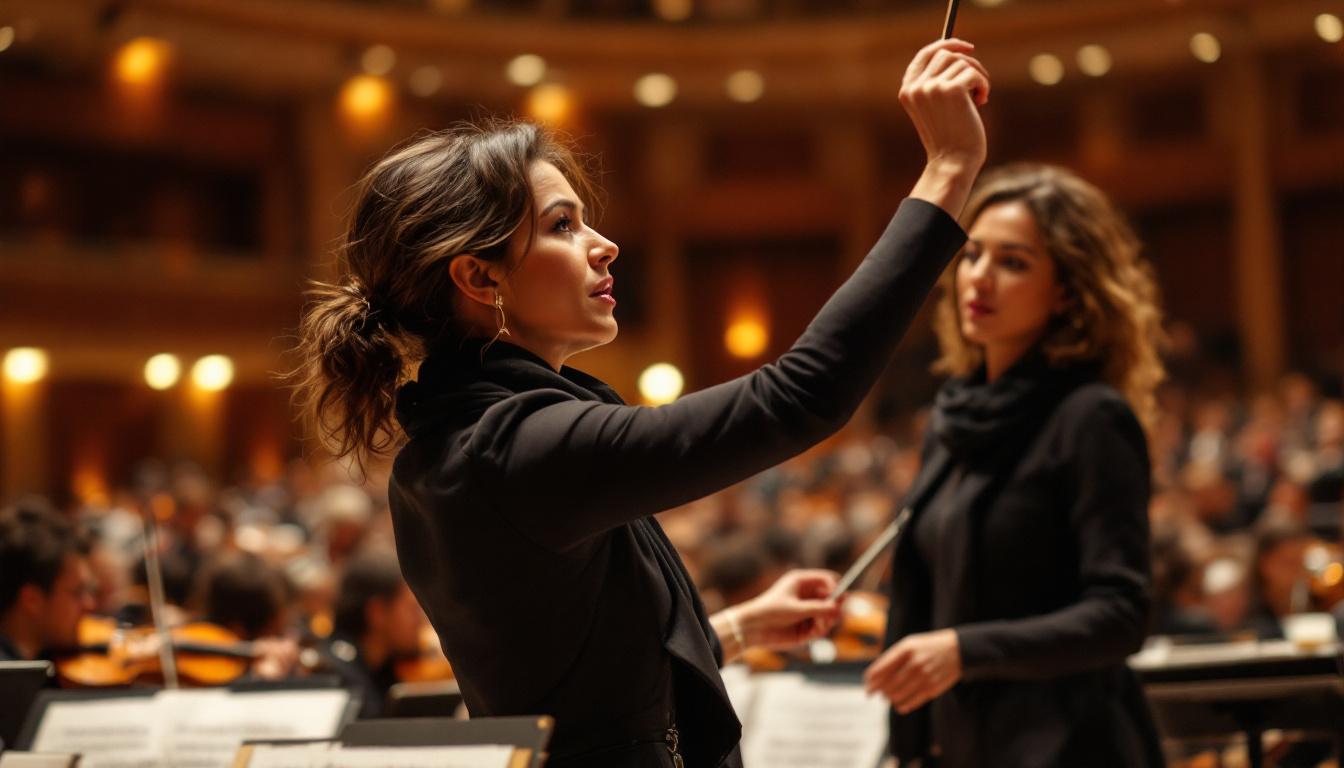


Continuing your studies
After completing the certificate, students may choose to continue their studies in performing arts at the master's level or pursue specialized training in choreography, dance education, or arts management. Some may also consider reorienting towards related fields such as physical therapy or arts administration.
- Possible further studies include Master's degrees in Dance or Performing Arts.
- Specialized diplomas in choreography or dance education are options.
- Some students may transition to arts management or cultural mediation programs.
Where to study this degree (10)








Liste des 10 établissements
- Saint Mary's College of CaliforniaMoraga
- University of UtahSalt Lake City
- New York UniversityNew York
- University of North Carolina at GreensboroGreensboro
- Belhaven UniversityJackson
- Purchase CollegePurchase
- Western Oregon UniversityMonmouth
- Portland State UniversityPortland
- Ohio University LancasterAthens
- Texas State UniversitySan Marcos
Frequently asked questions
What prior education is needed to apply?
Applicants must have completed a bachelor's degree, often in dance or a related field, and demonstrate technical skill through an audition.
Is this certificate focused more on practice or theory?
The program balances practical dance training with theoretical courses on dance history and performance studies.
Can I work while studying this certificate?
The program is intensive with daily classes and rehearsals, so working alongside may be challenging.
Does this certificate allow me to teach dance?
It provides advanced skills that can help in teaching, but additional certification may be required depending on the teaching context.
Are there opportunities for internships or real-world experience?
Some programs include internships, community projects, or collaborations with dance companies to gain practical experience.
Can I continue my studies after this certificate?
Yes, many students pursue master's degrees or specialized diplomas in dance or performing arts after completing this certificate.
Is financial aid available for this program?
Financial aid depends on the institution; students should inquire directly with the program for available scholarships or support.
Is this certificate recognized internationally?
As a US postbaccalaureate certificate at EQF level 6, it is recognized for advanced training, but recognition varies by country and institution.