
Postbaccalaureate Certificate in Animal Sciences
This one-year postbaccalaureate certificate in Animal Sciences provides foundational knowledge in animal biology and care, preparing students for roles in animal-related fields or further studies.
About
The Postbaccalaureate Certificate in Animal Sciences is a one-year program offered in the United States for students who have already completed a bachelor's degree. It is designed to deepen understanding of animal biology, behavior, and management. This certificate suits those aiming to enhance their expertise in animal sciences without committing to a full graduate degree. It can prepare students for technical roles in animal care, research assistance, or support positions in agriculture and veterinary settings. The program also serves as a stepping stone for those considering further studies in veterinary medicine or animal biology.
- The certificate focuses on animal biology and animal care techniques.
- It is intended for students with a bachelor’s degree seeking specialized knowledge.
- The program can lead to roles in animal husbandry or research support.
- It may help prepare for advanced studies in veterinary or biological sciences.
- The curriculum balances theory and practical skills relevant to animal sciences.
What you study
This one-year certificate program offers courses that cover essential topics in animal sciences, combining lectures with hands-on activities. Students study animal anatomy, physiology, nutrition, and behavior, along with principles of animal welfare and management. Practical sessions often include laboratory work, animal handling, and observation. The program is structured to build foundational knowledge quickly, with an emphasis on applying concepts in real-world settings. Students may engage in projects related to animal health monitoring or care techniques, enhancing their practical skills. The balance between theory and practice prepares students for immediate work or further education.
- Courses include animal anatomy, nutrition, and behavior.
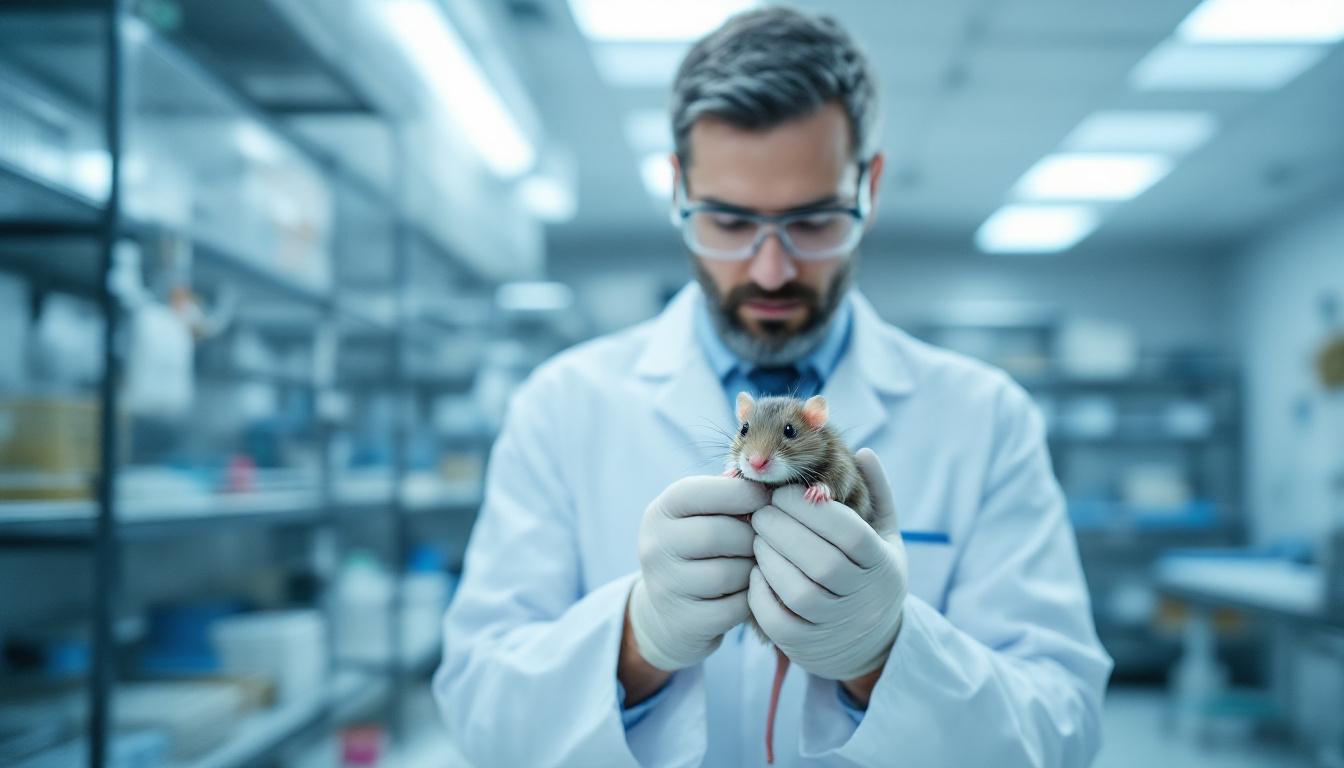
- Practical work involves laboratory sessions and animal handling.
- Students complete projects related to animal care and management.
- The curriculum emphasizes animal welfare principles.
- The program is designed to be completed in one year.
How to get in
Admission to this certificate program requires a completed bachelor's degree, typically in biology, agriculture, or a related field. Applicants must submit transcripts and sometimes letters of recommendation or a statement of purpose. The selection process varies by institution but generally looks for candidates with a strong interest in animal sciences and relevant academic background. Since it is a postbaccalaureate certificate, it is aimed at students who want to specialize further or gain practical skills before entering the workforce or graduate studies. There is no standardized national exam for admission, but meeting the institution’s criteria is necessary.
- Bachelor’s degree is required for application.
- Admission involves submitting academic transcripts and possibly recommendations.
- Applicants should have a background or interest in biology or animal-related fields.
- The process is managed individually by each university or college.
- The program targets students seeking specialized knowledge after graduation.
Day to day
The program typically follows a full-time schedule over one academic year, combining classroom lectures with practical laboratory and animal handling sessions. Students may participate in projects that involve observing animal behavior or managing care routines. Some institutions offer opportunities for internships or fieldwork, though this varies. The workload includes regular assessments and hands-on practice to reinforce learning. While the program is mostly campus-based, students are encouraged to engage with local farms, research centers, or animal facilities to gain real-world experience.
- The academic year includes lectures and practical labs.
- Students work on projects related to animal observation and care.
- Some programs offer optional internships or field experiences.
- The schedule is generally full-time over one year.
- Hands-on activities help develop animal handling skills.
Careers this degree leads to
Graduates of this certificate program can find employment in various animal-related sectors such as agriculture, animal care facilities, research labs, and wildlife organizations. Positions may include animal care technician, research assistant, or farm support roles. The program provides practical skills that are valued in settings requiring animal management and welfare knowledge. While it does not qualify students as veterinarians, it supports entry-level roles and can improve employability in animal science fields. The job market varies by region, but students often find that the certificate helps them gain relevant experience and connections.
- Possible jobs include animal care technician and research assistant.
- Employment sectors include agriculture and animal welfare organizations.
- The certificate supports roles in animal management and support.
- Graduates may work in research labs or farm environments.
- Job opportunities depend on local industry needs and experience.


Careers after further study
These careers require a higher level of study than this degree.






Continuing your studies
After completing this certificate, students may choose to continue their education in graduate programs related to animal sciences, veterinary medicine, or biology. The certificate can strengthen applications for master’s degrees or professional schools by demonstrating specialized knowledge. Some may also pursue additional certifications or training in animal care or research techniques. Alternatively, students might explore related fields such as environmental science or agriculture. The program offers a foundation that can support various paths depending on individual goals.
- Students can pursue master’s degrees in animal or biological sciences.
- The certificate supports applications to veterinary schools.
- Additional specialized certifications may be pursued.
- Some may shift to related fields like environmental science.
- The program provides a basis for further academic or professional training.
Where to study this degree (9)







Liste des 9 établissements
- Kansas State UniversityManhattan
- North Carolina State UniversityRaleigh
- Angelo State UniversitySan Angelo
- Iowa State UniversityAmes
- University of Minnesota-Twin CitiesMinneapolis
- Texas Tech UniversityLubbock
- South Dakota State UniversityBrookings
- Lincoln Memorial UniversityHarrogate
- University of Missouri-ColumbiaColumbia
Frequently asked questions
Who is eligible to apply for this certificate?
Applicants must have completed a bachelor’s degree, usually in biology or a related field, and demonstrate interest in animal sciences.
Does this certificate qualify me to become a veterinarian?
No, this certificate provides foundational knowledge but does not qualify you to practice veterinary medicine.
Are there practical experiences included in the program?
Yes, the program includes laboratory work and animal handling sessions, with some opportunities for internships depending on the institution.
Can I work while studying this certificate?
The program is typically full-time and intensive, so working while studying may be challenging but depends on the institution's schedule.
Is this certificate recognized nationally in the US?
Recognition depends on the issuing institution, but postbaccalaureate certificates are generally recognized as specialized training.
What kind of jobs can I get after completing this certificate?
Graduates often find roles as animal care technicians, research assistants, or support staff in farms and animal welfare organizations.
Can this certificate help me get into graduate school?
Yes, it can strengthen your application by showing specialized knowledge and skills in animal sciences.
Is alternating work and study (alternance) possible in this program?
Alternance is generally not available for this certificate, as it is designed as a full-time academic program.