
Certificate in Natural Resources Conservation and Research
This certificate teaches conservation and research skills in natural resources, preparing students for entry-level roles in environmental and resource management sectors.
About
The Certificate in Natural Resources Conservation and Research is a postsecondary program in the United States designed for students interested in environmental science and resource management. It is suitable for those who want to start a career in conservation or research related to natural resources without committing to a long degree. This certificate provides foundational knowledge and practical skills to understand ecosystems, resource use, and conservation methods. Graduates can work in roles supporting environmental protection, research assistance, or resource management in various organizations.
- The program is aimed at students who have completed high school or equivalent and want focused training in natural resource conservation.
- It offers practical knowledge about ecosystems, wildlife, water, and land management.
- Graduates can pursue jobs as field technicians, research assistants, or conservation workers.
- The certificate can also serve as a stepping stone to further studies in environmental science or related fields.
- The training is shorter than a full degree, typically under two years, making it accessible and efficient.
What you study
The curriculum covers a mix of theoretical and practical subjects related to natural resources and conservation. Students learn about ecology, environmental regulations, data collection, and research methods. The program usually progresses from basic concepts to more applied techniques over its duration. Hands-on experience is an important part of the training, often including fieldwork and lab sessions.
- Courses include ecology, environmental science, and natural resource management.
- Students study research methods and data analysis relevant to conservation projects.
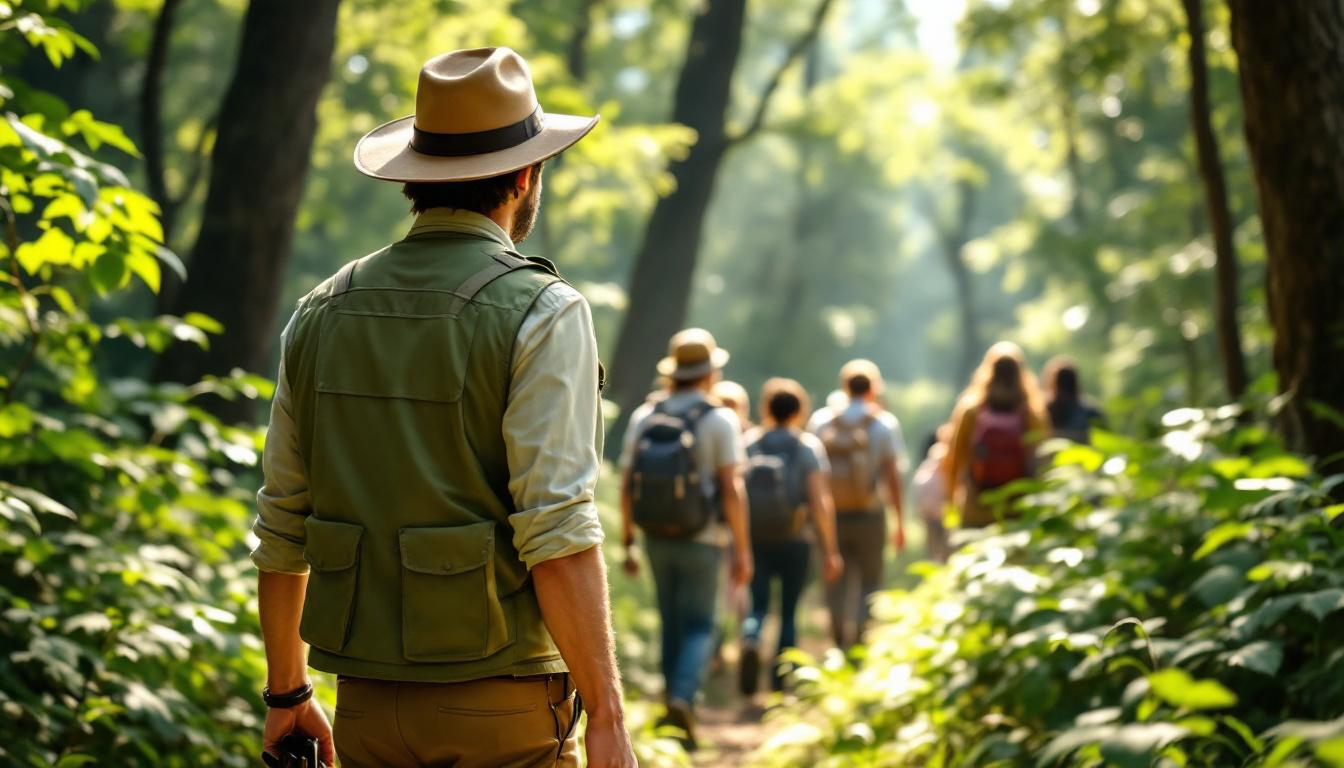
- Practical work involves field studies to observe ecosystems and collect data.
- The program may include learning about environmental laws and sustainability practices.
- Students often complete a project or internship to apply their knowledge in real situations.
- The progression builds skills from understanding basic principles to conducting simple research and conservation tasks.
How to get in
Admission to this certificate program generally requires a high school diploma or equivalent. In the US, students apply directly to community colleges or technical schools offering the certificate. The process is usually straightforward, focusing on academic readiness and motivation for environmental studies.
- Applicants need a high school diploma or GED equivalent.
- Some programs may require basic proficiency in science and math.
- Admission procedures typically involve submitting transcripts and sometimes an application essay.
- Students with interest or background in biology or environmental topics are well suited.
- The program is accessible to students aiming for practical training rather than a full degree.
- Financial aid and counseling services are often available to support applicants.
Day to day
A typical year in this certificate involves a mix of classroom learning, lab work, and field activities. Students attend lectures to understand theory, then apply it through practical sessions and projects. Internships or community projects may be part of the curriculum to gain real-world experience.
- The academic year includes regular classes and laboratory sessions focused on natural resource topics.
- Field trips and outdoor activities help students observe ecosystems directly.
- Students may participate in internships or service projects with environmental organizations.
- The workload balances theory and practice, with assignments and reports based on field data.
- Some programs offer part-time or evening classes to accommodate working students.
- Students develop teamwork and communication skills through group projects.
Careers this degree leads to
Graduates with this certificate can find entry-level jobs in environmental and conservation sectors. Employers include government agencies, non-profits, and private companies focused on natural resource management. The job market values practical skills and knowledge of conservation practices.
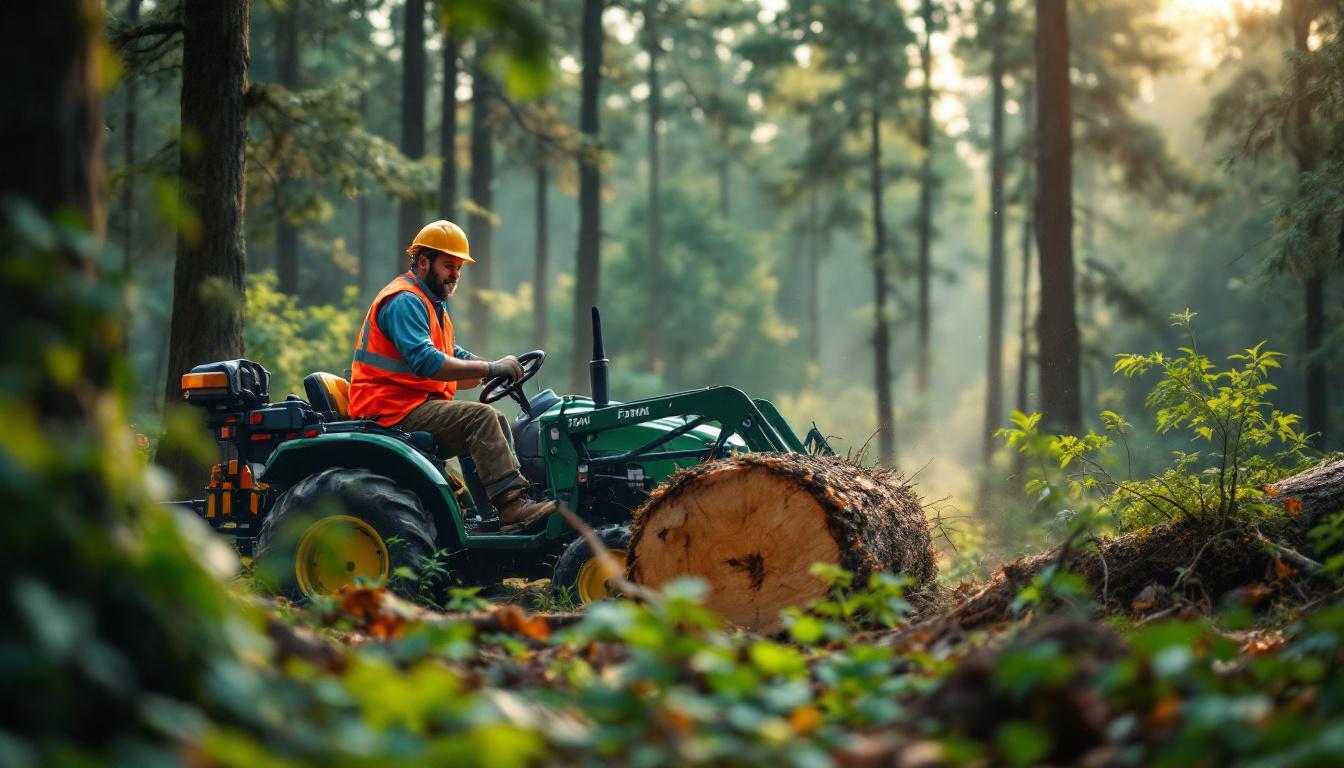
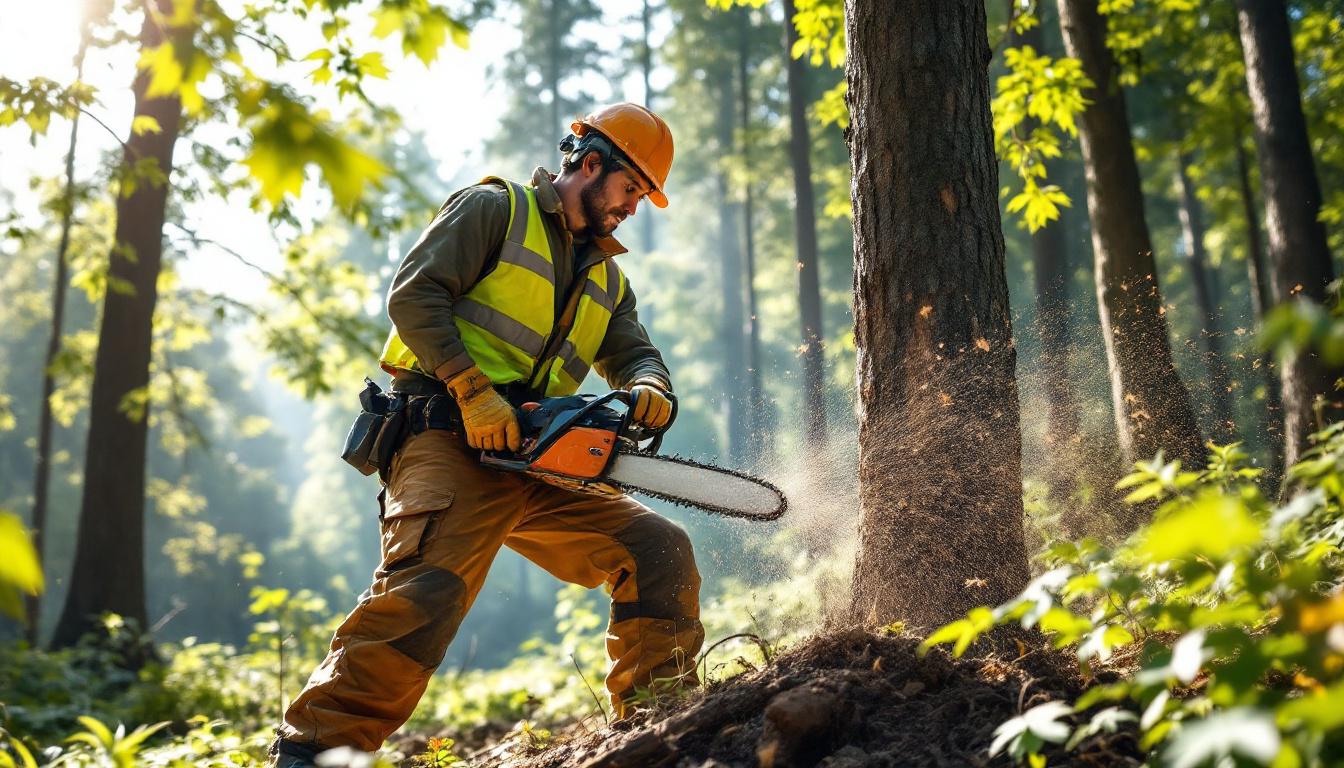
- Possible roles include environmental technician, research assistant, and conservation worker.
- Jobs are found in government agencies managing parks or wildlife.
- Non-profit organizations working on environmental protection also recruit certificate holders.
- Private companies in natural resource consulting may offer positions.
- Employment often involves outdoor work and data collection.
- Insertion into the workforce is generally smooth for motivated graduates.
Careers after further study
These careers require a higher level of study than this degree.
Continuing your studies
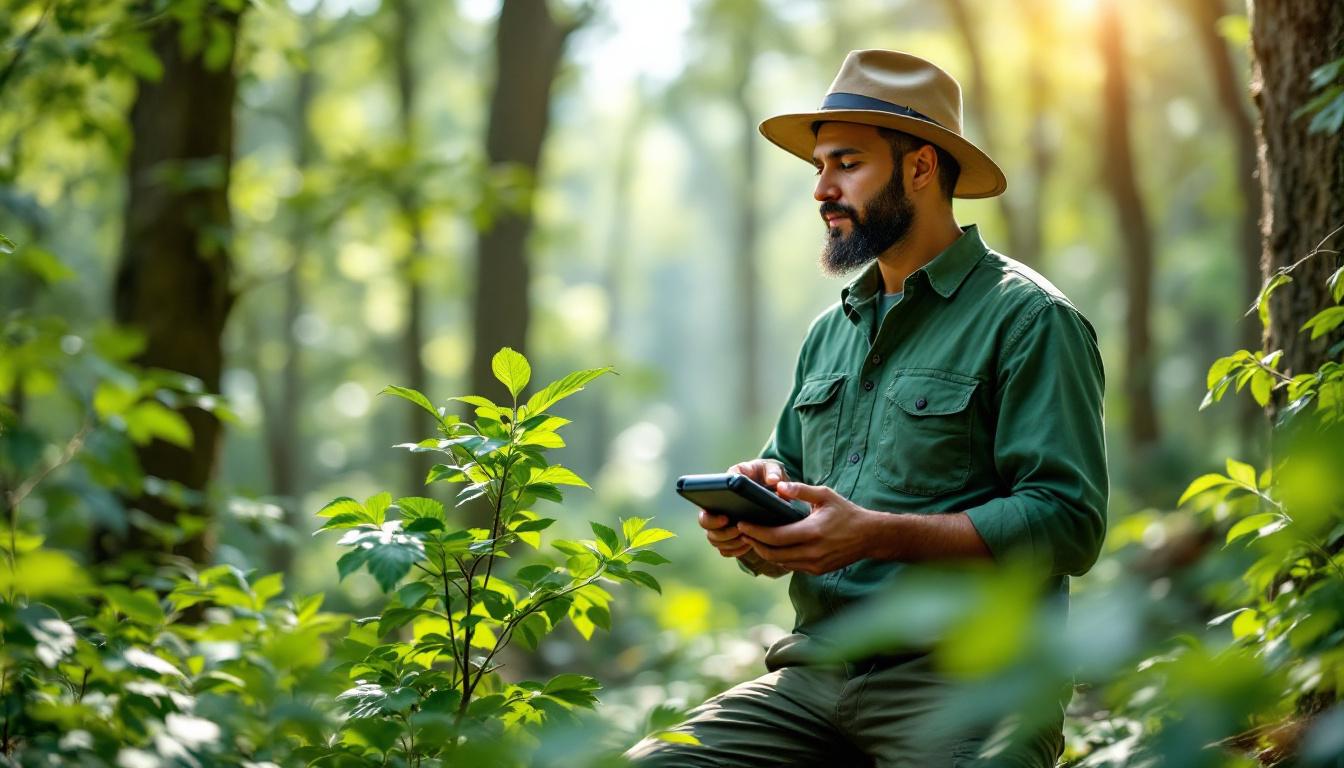
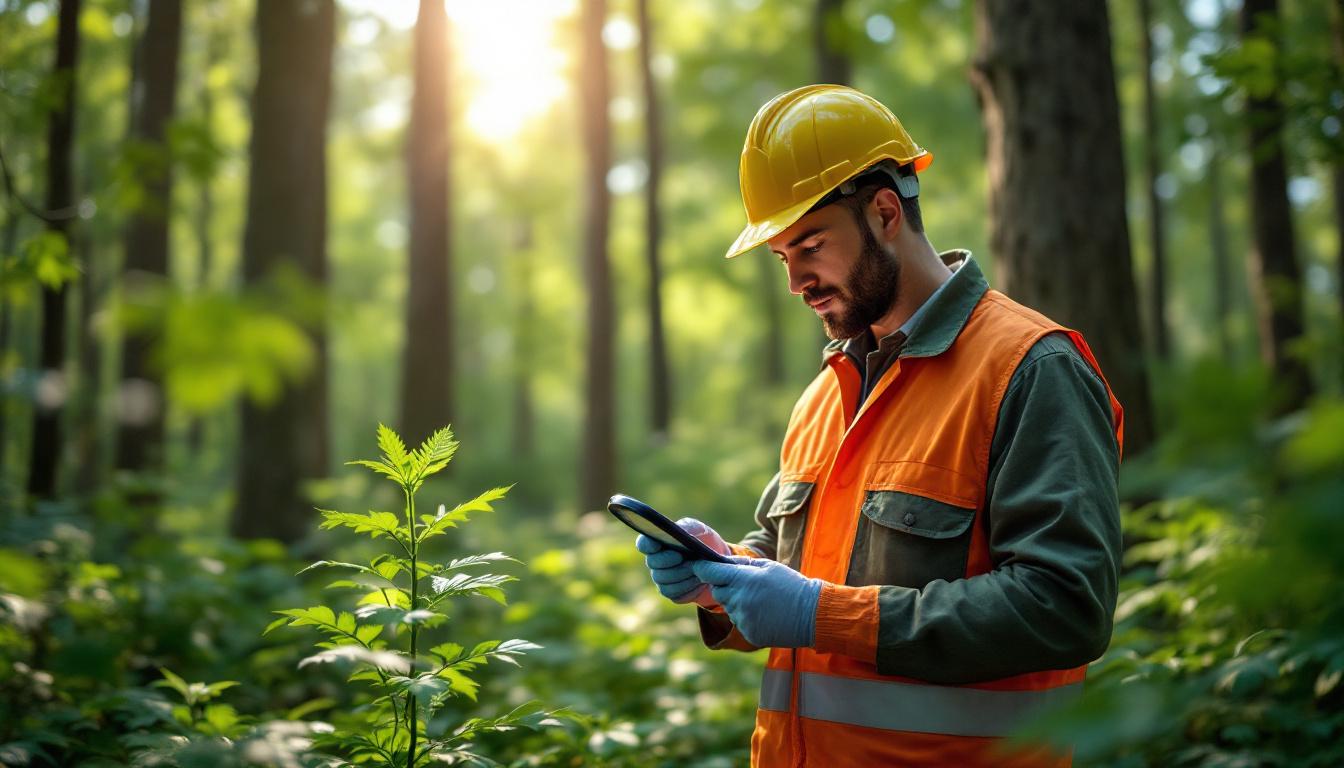
After earning this certificate, students can continue their studies in related fields to deepen their expertise. Many choose to pursue associate or bachelor's degrees in environmental science or natural resource management. The certificate can provide credits or foundational knowledge useful for further education.
- Students may enroll in an Associate Degree in Environmental Science.
- Bachelor’s programs in natural resource management or ecology are common next steps.
- The certificate can facilitate transfer to four-year colleges.
- Some may choose to specialize in areas like wildlife biology or environmental policy.
- Reorientation towards other science or technical fields is also possible.
Where to study this degree (126)




















Liste des 126 établissements
- Sacramento City CollegeSacramento
- Walla Walla UniversityCollege Place
- Davidson CollegeDavidson
- Ozarks Technical Community CollegeSpringfield
- Texas State UniversitySan Marcos
- Tarleton State UniversityStephenville
- University of West FloridaPensacola
- Clovis Community CollegeFresno
- Modesto Junior CollegeModesto
- University of Wisconsin–MadisonMadison
- Ohio University LancasterAthens
- American River CollegeSacramento
- Colorado Northwestern Community CollegeRangely
- Broward CollegeFort Lauderdale
- Hocking CollegeNelsonville
- Florida Atlantic UniversityBoca Raton
- Reedley CollegeReedley
- Columbia Southern UniversityOrange Beach
- Mt. Hood Community CollegeGresham
- Bastyr UniversityKenmore
- American Public University SystemCharles Town
- Hibbing Community CollegeHibbing
- Mountain Empire Community CollegeBig Stone Gap
- Lackawanna CollegeScranton
- Southern Arkansas University TechCamden
- Northwest Arkansas Community CollegeBentonville
- Saddleback CollegeMission Viejo
- Grand Valley State UniversityAllendale
- West Valley CollegeSaratoga
- Hillsborough Community CollegeTampa
- Georgia State UniversityAtlanta
- Pace UniversityNew York
- College of the DesertPalm Desert
- Victor Valley CollegeVictorville
- Palm Beach State CollegeLake Worth
- Palomar CollegeSan Marcos
- Mesa Community CollegeMesa
- Metropolitan State University of DenverDenver
- University of Maryland Global CampusAdelphi
- Santa Monica CollegeSanta Monica
- Lake Area Technical CollegeWatertown
- Fresno City CollegeFresno
- Temple UniversityPhiladelphia
- St. Petersburg CollegeSt. Petersburg
- Purdue University West LafayetteWest Lafayette
- Central Wyoming CollegeRiverton
- Dabney S Lancaster Community CollegeClifton Forge
- Skagit Valley CollegeMount Vernon
- Utah Tech UniversitySaint George
- Merritt CollegeOakland
- St. Edward's UniversityAustin
- West Los Angeles CollegeCulver City
- Rio Salado CollegeTempe
- Florida Gateway CollegeLake City
- Snow CollegeEphraim
- New River Community CollegeDublin
- University of Alaska AnchorageAnchorage
- Florida State College at JacksonvilleJacksonville
- The University of Texas at ArlingtonArlington
- Keweenaw Bay Ojibwa Community CollegeBaraga
- Chandler–Gilbert Community CollegeChandler
- Maricopa Community Colleges - Glendale Community CollegeGlendale
- Ohlone CollegeFremont
- Cabrillo CollegeAptos
- Anoka-Ramsey Community CollegeCoon Rapids
- Missouri State UniversitySpringfield
- Lewis and Clark Community CollegeGodfrey
- Kentucky State UniversityFrankfort
- Navajo Technical UniversityCrownpoint
- Salt Lake Community CollegeSalt Lake City
- Shasta CollegeRedding
- Butte CollegeOroville
- University of Maine at Presque IslePresque Isle
- City College of San FranciscoSan Francisco
- The University of MontanaMissoula
- University of Wisconsin–SuperiorSuperior
- Folsom Lake CollegeFolsom
- University of GeorgiaAthens
- University of IdahoMoscow
- University of North GeorgiaDahlonega
- Montclair State UniversityMontclair
- Columbia CollegeSonora
- Capital Community CollegeHartford
- Boise State UniversityBoise
- Cape Cod Community CollegeWest Barnstable
- De Anza CollegeCupertino
- Paradise Valley Community CollegePhoenix
- Greenfield Community CollegeGreenfield
- Vincennes UniversityVincennes
- Jackson CollegeJackson
- Santa Rosa Junior CollegeSanta Rosa
- Bay Mills Community CollegeBrimley
- Danville Community CollegeDanville
- Kirkwood Community CollegeCedar Rapids
- Scottsdale Community CollegeScottsdale
- Western Washington UniversityBellingham
- Missouri University of Science and TechnologyRolla
- Finger Lakes Community CollegeCanandaigua
- North Arkansas CollegeHarrison
- University of ArizonaTucson
- Harford Community CollegeBel Air
- Bunker Hill Community CollegeBoston
- Baldwin Wallace UniversityBerea
- Lake Tahoe Community CollegeSouth Lake Tahoe
- Muhlenberg CollegeAllentown
- Athens Technical CollegeAthens
- Sam Houston State UniversityHuntsville
- Benedictine UniversityLisle
- MiraCosta CollegeOceanside
- Estrella Mountain Community CollegeAvondale
- Goodwin CollegeEast Hartford
- Ventura CollegeVentura
- Phoenix CollegePhoenix
- Heritage UniversityToppenish
- Indiana University SoutheastNew Albany
- San Diego Mesa CollegeSan Diego
- Sinte Gleska UniversityMission
- South Mountain Community CollegePhoenix
- Walla Walla Community CollegeWalla Walla
- Southside Virginia Community CollegeAlberta
- Madonna UniversityLivonia
- University of Southern MainePortland
- Lansing Community CollegeLansing
- College of Coastal GeorgiaBrunswick
- Eastern West Virginia Community and Technical CollegeMoorefield
- Wytheville Community CollegeWytheville
Frequently asked questions
What prior knowledge do I need to start this certificate?
You should have completed high school with some background in science and math. Basic understanding of biology or environmental topics helps but is not always required.
Is this certificate enough to work in environmental jobs?
Yes, it prepares you for entry-level roles like technician or research assistant, but some jobs may require further studies or experience.
Can I do internships during the program?
Many programs include internships or field projects to gain practical experience in real work environments.
How long does the certificate take to complete?
The program typically takes less than two years, making it a relatively quick way to gain skills in natural resource conservation.
Are there opportunities to continue studying after this certificate?
Yes, you can pursue associate or bachelor’s degrees in related fields to expand your knowledge and career options.
Is the program selective or open to many students?
Admission is generally not very selective, focusing on your motivation and readiness to study environmental topics.
Can I study this certificate while working?
Some schools offer part-time or evening classes, which can help you balance studies with a job.
Does the program include practical fieldwork?
Yes, fieldwork and hands-on activities are important parts of the training to apply what you learn in real settings.