Certificate in Forestry
This certificate teaches forest management and conservation techniques, preparing students for entry-level roles in forestry and natural resource sectors.
About
The Certificate in Forestry is a postsecondary program designed for students interested in managing and protecting forest environments. It is suitable for those who want to start a career in forestry, natural resource management, or environmental conservation. The certificate provides foundational knowledge and practical skills related to forest ecosystems, tree identification, and sustainable practices. It prepares students for technical roles that support forest health and resource use.
- This certificate is typically completed in under two years after high school graduation.
- It is aimed at students who want hands-on experience with forest management without pursuing a full degree.
- The program introduces concepts of ecology, conservation, and resource planning relevant to forestry.
- It prepares learners for jobs such as forest technician, conservation assistant, or resource fieldworker.
- The certificate offers a practical pathway into the forestry sector, often leading to employment or further studies.
What you study
The curriculum covers essential forestry topics with a balance of theory and practice, allowing students to develop both knowledge and field skills. Courses often start with basic forest ecology and tree biology, then move to forest management techniques and conservation strategies. Students learn to identify tree species, understand forest ecosystems, and apply sustainable harvesting methods.
- Core subjects include forest ecology, silviculture, and forest resource management.
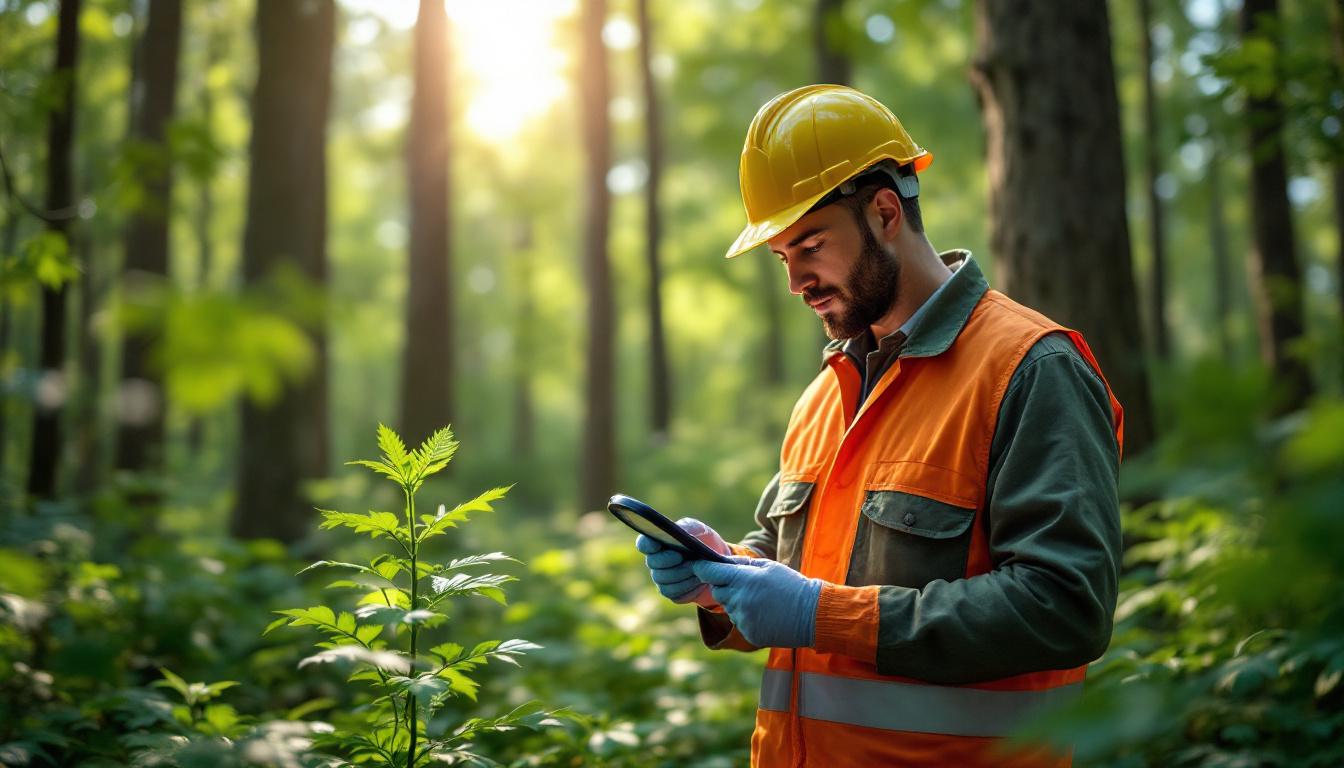
- Students engage in fieldwork to practice tree measurement, mapping, and inventory techniques.
- Training includes the use of GIS technology for forest data analysis.
- The program emphasizes environmental regulations and safety standards in forestry operations.
- Practical exercises and projects help students apply knowledge to real-world forest management challenges.
How to get in
Admission to this certificate program generally requires a high school diploma or equivalent. The process varies by institution but often includes submitting an application and transcripts. Some programs may require placement tests or interviews to assess readiness. The certificate is accessible to students with an interest in natural sciences and outdoor work.
- Applicants usually need a high school diploma or GED.
- Some colleges may ask for basic proficiency in math and science.
- Admission procedures involve completing an application form and providing academic records.
- Students with a passion for environmental issues and outdoor activities are encouraged to apply.
- There is generally no strict selection, making the program accessible to many.
Day to day
A typical year in the Certificate in Forestry includes a mix of classroom learning and outdoor practical sessions. Students spend time in labs and forests, applying what they learn through projects and field exercises. Some programs offer internships or cooperative education opportunities to gain workplace experience.
- The academic calendar combines lectures, field trips, and hands-on labs.
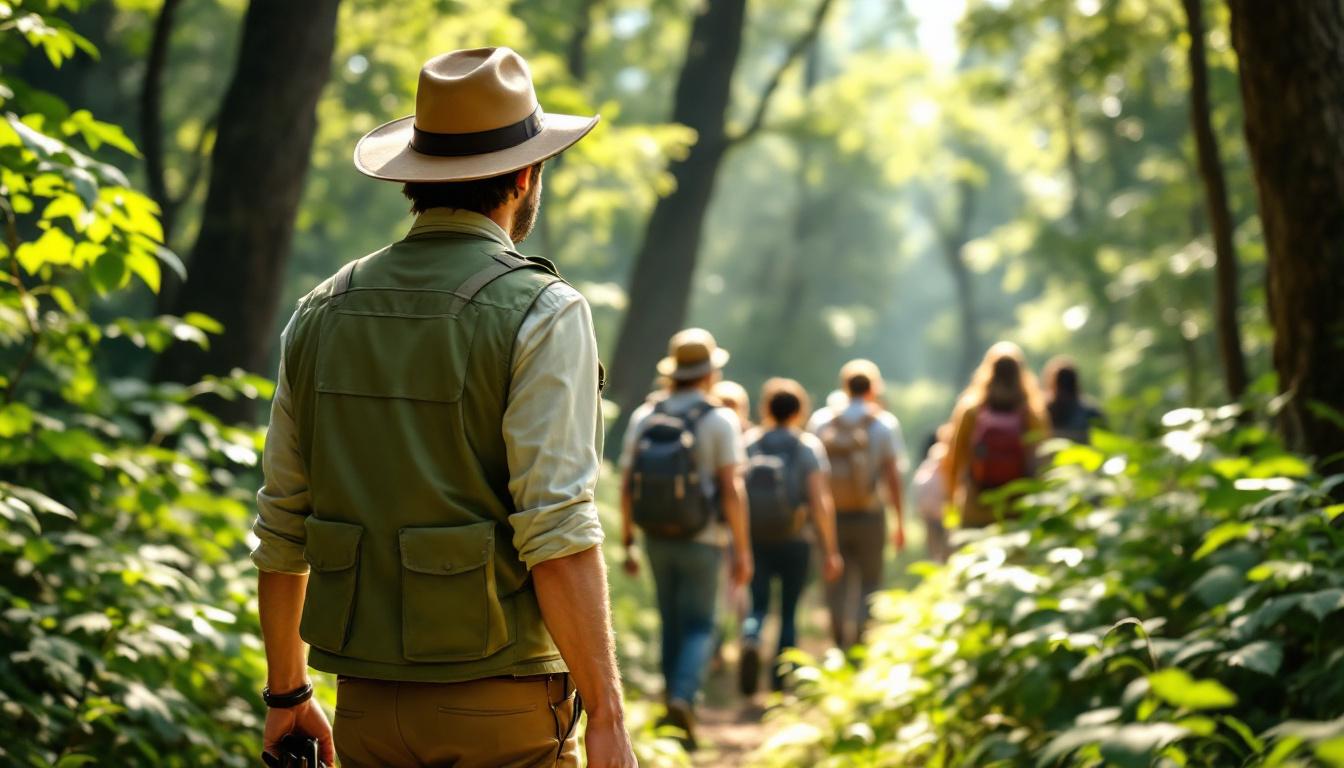
- Students may participate in forest surveys and data collection projects.
- Group work and presentations are common to develop communication skills.
- Some programs include internships or work placements with forestry agencies or companies.
- The workload involves both theoretical study and physical outdoor activities.
Careers this degree leads to
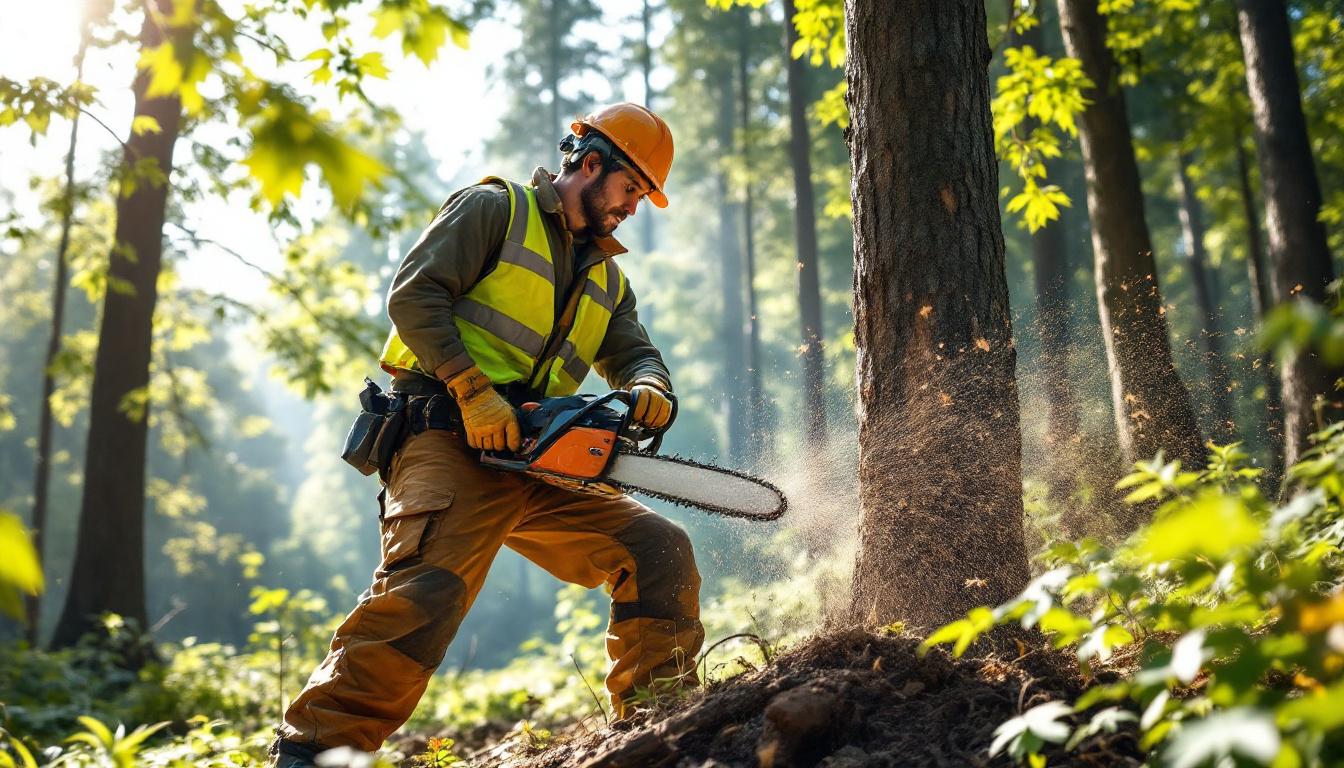
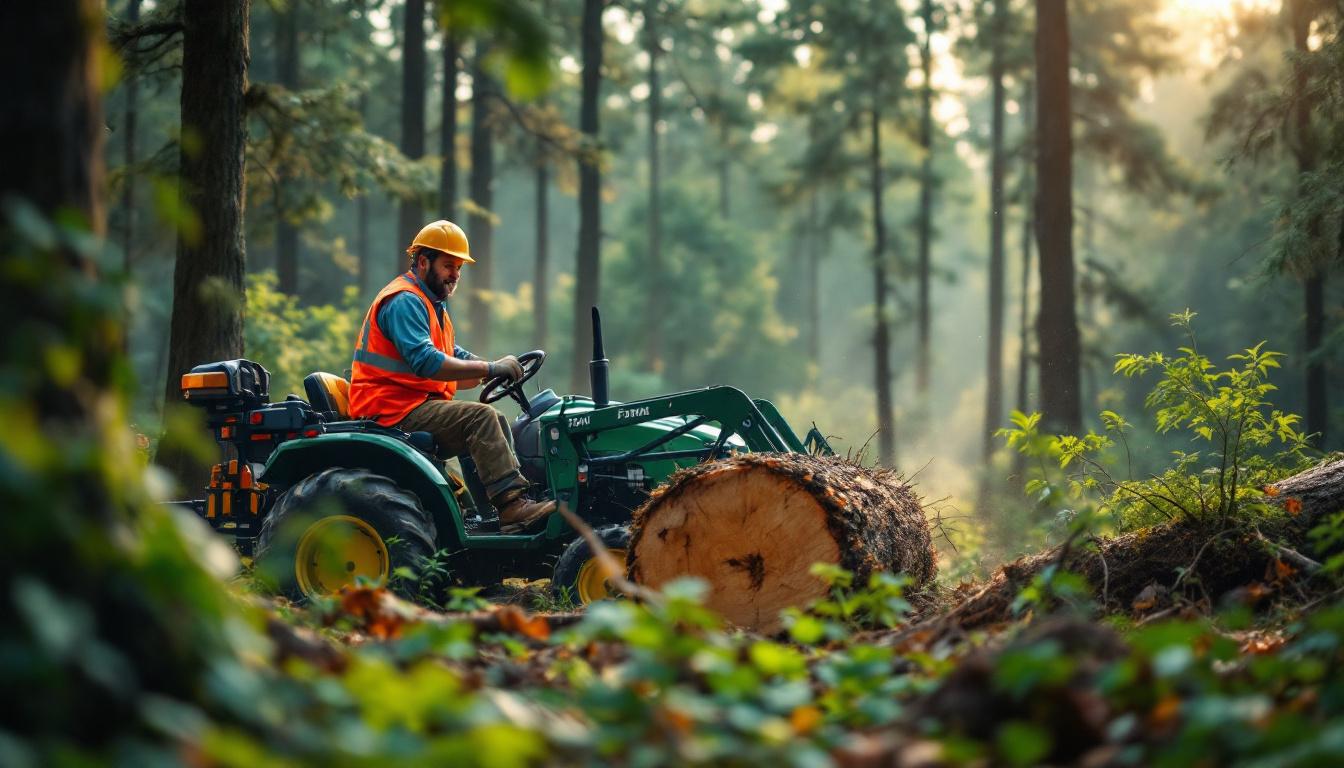
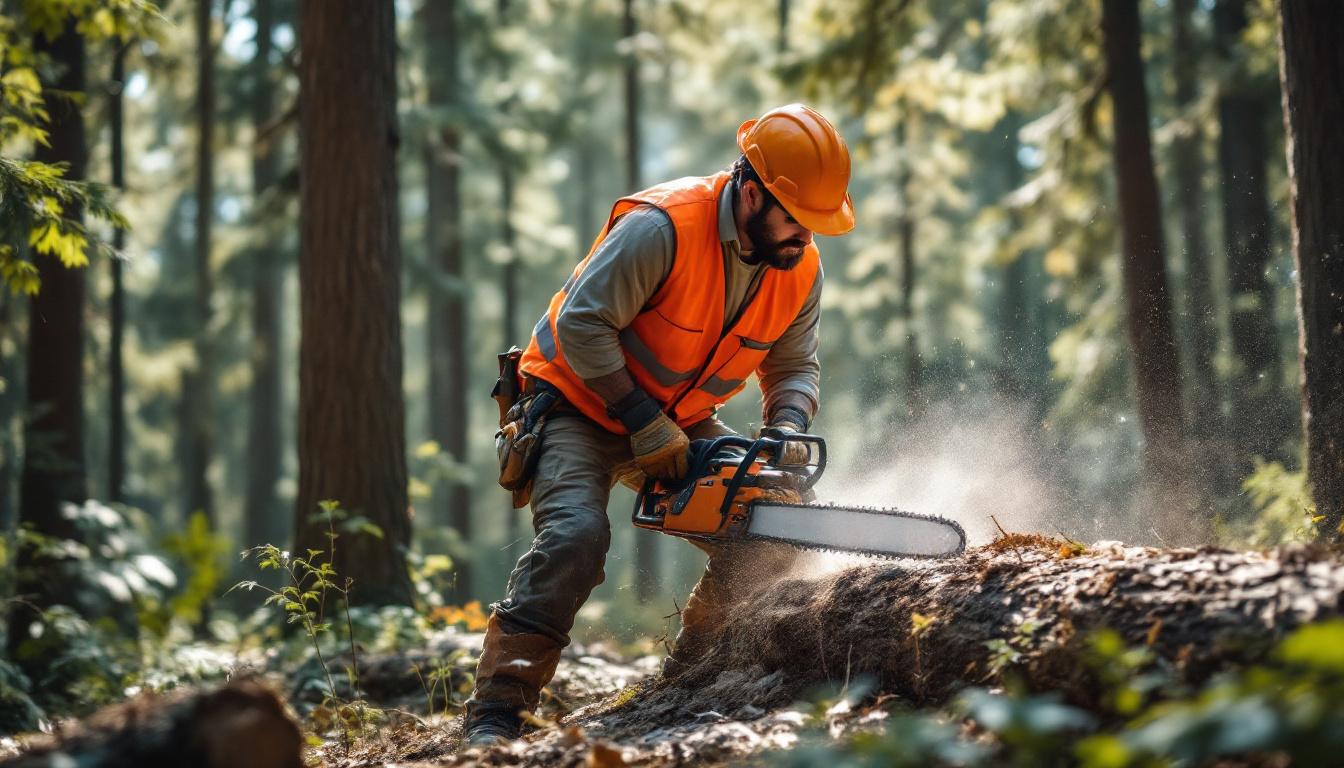
Graduates can find employment in various forestry and environmental roles. Entry-level jobs often involve supporting forest management, conservation projects, or resource monitoring. Employers include government agencies, private forestry companies, and environmental organizations. The job market generally offers opportunities for those with practical skills and knowledge.
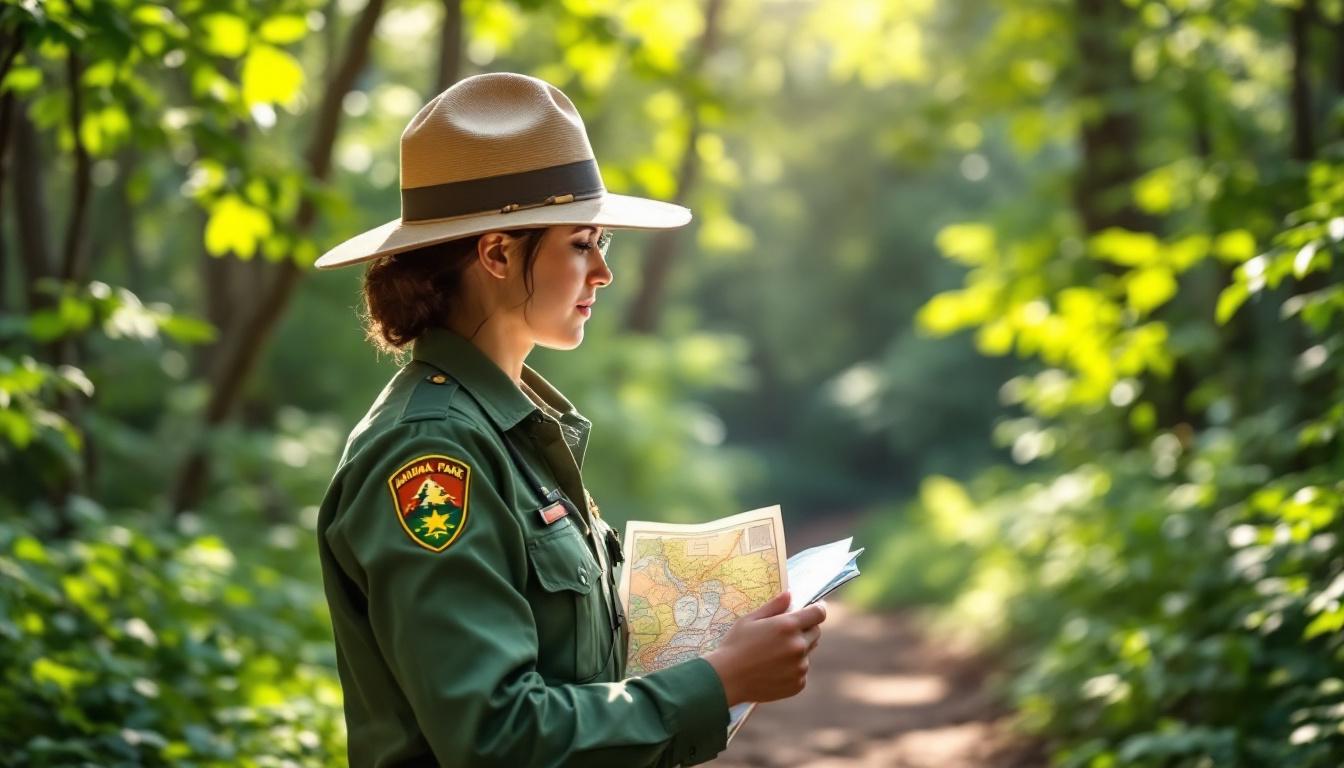
- Possible jobs include forest technician, conservation assistant, and resource fieldworker.
- Work sectors include public forestry services, private timber companies, and environmental NGOs.
- Employment often involves outdoor work in forests and natural areas.
- The certificate helps graduates enter the workforce quickly in technical roles.
- Career growth may require further education or experience.
Careers after further study
These careers require a higher level of study than this degree.
Continuing your studies
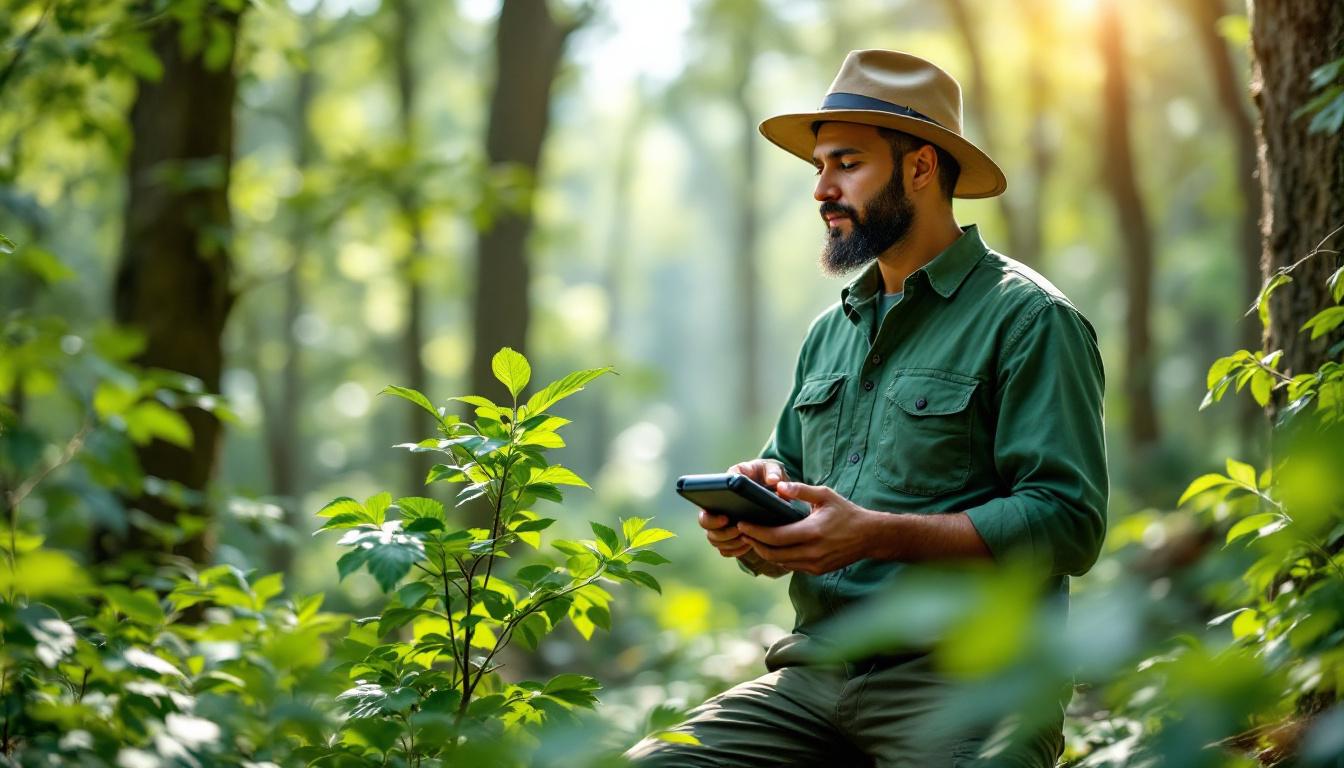
After earning the certificate, students can continue their studies in forestry or related environmental fields. Many choose to pursue associate or bachelor's degrees to access higher-level positions. The certificate can also serve as a foundation for specialized training or certifications in natural resource management.
- Students often continue with an Associate degree in Forestry or Environmental Science.
- Some transfer credits to bachelor's programs in natural resources or ecology.
- Further studies can focus on wildlife management or conservation biology.
- The certificate supports reorientation toward broader environmental careers.
Where to study this degree (140)




Liste des 140 établissements
- Dabney S Lancaster Community CollegeClifton Forge
- Fresno City CollegeFresno
- Clovis Community CollegeFresno
- West Virginia UniversityMorgantown
- Abraham Baldwin Agricultural CollegeTifton
- Virginia TechBlacksburg
- North Carolina State UniversityRaleigh
- Reedley CollegeReedley
- University of Wisconsin–Stevens PointStevens Point
- University of FloridaGainesville
- University of GeorgiaAthens
- California Polytechnic State UniversitySan Luis Obispo
- Cal Poly HumboldtArcata
- Northern Arizona UniversityFlagstaff
- Stephen F. Austin State UniversityNacogdoches
- Mississippi State UniversityStarkville
- University of IdahoMoscow
- Louisiana Tech UniversityRuston
- Southern Illinois University CarbondaleCarbondale
- Oregon State UniversityCorvallis
- Auburn UniversityAuburn
- Iowa State UniversityAmes
- Colorado State University-Fort CollinsFort Collins
- Coastal Pines Technical CollegeWaycross
- University of Tennessee at KnoxvilleKnoxville
- Pennsylvania College of TechnologyWilliamsport
- University of VermontBurlington
- Green River Community CollegeAuburn
- Michigan State UniversityEast Lansing
- SUNY College of Environmental Science and ForestrySyracuse
- Horry-Georgetown Technical CollegeConway
- Clemson UniversityClemson
- Citrus CollegeGlendora
- Paul Smith's CollegePaul Smiths
- The University of MontanaMissoula
- University of MaineOrono
- Purdue University West LafayetteWest Lafayette
- Michigan Technological UniversityHoughton
- Hibbing Community CollegeHibbing
- Southern University and Agricultural and Mechanical CollegeBaton Rouge
- University of California-DavisDavis
- Allegany College of MarylandCumberland
- University of Minnesota-Twin CitiesMinneapolis
- Pennsylvania State University-Main CampusUniversity Park
- Pennsylvania State University-Penn State Mont AltoMont Alto
- University of Arkansas at MonticelloMonticello
- Wayne Community CollegeGoldsboro
- Bakersfield CollegeBakersfield
- University of KentuckyLexington
- Hocking CollegeNelsonville
- Grays Harbor CollegeAberdeen
- Columbia CollegeSonora
- University of Nevada, RenoReno
- Mt. Hood Community CollegeGresham
- Bevill State Community CollegeJasper
- Jones County Junior CollegeEllisville
- University of Washington-Seattle CampusSeattle
- Montgomery Community CollegeTroy
- Itawamba Community CollegeFulton
- Haywood Community CollegeClyde
- Lurleen B Wallace Community CollegeAndalusia
- Glenville State CollegeGlenville
- University of Massachusetts-AmherstAmherst
- Sowela Technical Community CollegeLake Charles
- East Mississippi Community CollegeScooba
- University of California-BerkeleyBerkeley
- University of Wisconsin–MadisonMadison
- Salish Kootenai CollegePablo
- Northland CollegeAshland
- Gateway Technical CollegeKenosha
- Duke UniversityDurham
- Eastern Oklahoma State CollegeWilburton
- New Mexico Highlands UniversityLas Vegas
- University of New HampshireDurham
- Texas A & M University-College StationCollege Station
- Dakota College at BottineauBottineau
- Sewanee: The University of the SouthSewanee
- University of Missouri-ColumbiaColumbia
- Potomac State College of West Virginia UniversityKeyser
- Vermont Technical CollegeRandolph
- Mid-State Technical CollegeWisconsin Rapids
- Spokane Community CollegeSpokane
- Alabama Agricultural and Mechanical UniversityNormal
- University of Maine at Fort KentFort Kent
- Lake Tahoe Community CollegeSouth Lake Tahoe
- Shasta CollegeRedding
- Washington State UniversityPullman
- Flathead Valley Community CollegeKalispell
- Sierra CollegeRocklin
- Central Louisiana Technical Community CollegeAlexandria
- Hennepin Technical CollegeBrooklyn Park
- Gogebic Community CollegeIronwood
- University of Nebraska–LincolnLincoln
- Central Oregon Community CollegeBend
- Hawaii Community CollegeHilo
- College of the RedwoodsEureka
- Southwestern Oregon Community CollegeCoos Bay
- Southern University Law CenterBaton Rouge
- College of Lake CountyGrayslake
- Ogeechee Technical CollegeStatesboro
- Butte CollegeOroville
- Cossatot Community College of the University of ArkansasDe Queen
- Western Nebraska Community CollegeScottsbluff
- Utah State UniversityLogan
- Leech Lake Tribal CollegeCass Lake
- Madison Area Technical CollegeMadison
- Kent State University at TrumbullWarren
- Kent State University at SalemSalem
- Somerset County Technology CenterSomerset
- Oregon State University CascadesBend
- Holmes Community CollegeGoodman
- Rollins CollegeWinter Park
- Tuskegee UniversityTuskegee
- Athens Technical CollegeAthens
- Davis & Elkins CollegeElkins
- University of Maryland-College ParkCollege Park
- Modesto Junior CollegeModesto
- Miami University-OxfordOxford
- Joliet Junior CollegeJoliet
- Barton County Community CollegeGreat Bend
- Southeastern Technical CollegeVidalia
- Kent State University, East LiverpoolEast Liverpool
- Loyola University ChicagoChicago
- Eastern Arizona CollegeThatcher
- Francis Marion UniversityFlorence
- University of Maryland Eastern ShorePrincess Anne
- Southern Arkansas University TechCamden
- Kent State University at AshtabulaAshtabula
- SUNY MorrisvilleMorrisville
- Kirtland Community CollegeGrayling
- Newberry CollegeNewberry
- Three Rivers CollegePoplar Bluff
- University of Minnesota, DuluthDuluth
- Pennsylvania State University-Penn State DuBoisDuBois
- South Georgia Technical CollegeAmericus
- Northwest Technical CollegeBemidji
- Northeastern Oklahoma A&M CollegeMiami
- Andrew CollegeCuthbert
- Kent State University at GeaugaBurton
- Tennessee College of Applied Technology-HohenwaldHohenwald
Frequently asked questions
What prior knowledge do I need to start this certificate?
You should have a high school diploma and basic skills in science and math. A general interest in nature and outdoor work is helpful.
Are there practical fieldwork components in the program?
Yes, the program includes hands-on fieldwork where you learn to identify trees, measure forests, and use mapping tools.
Can I work while studying this certificate?
Some programs may allow part-time study, but the fieldwork and projects require a regular time commitment.
Does this certificate lead directly to a job?
It prepares you for entry-level forestry jobs, but gaining experience or further education can improve job prospects.
Is there an option to continue studies after this certificate?
Yes, many students continue with associate or bachelor's degrees in forestry or environmental sciences.
Are internships part of the program?
Some programs include internships or cooperative education to gain real-world experience in forestry settings.
Is this certificate recognized across the United States?
Recognition depends on the institution, but many certificates meet industry standards for technical forestry roles.
What kind of work environment should I expect?
Work often takes place outdoors in forests, involving physical activity and sometimes remote locations.