
Certificate in Fishing and Fisheries Sciences and Management
This certificate teaches fundamental skills in fishing and fisheries management, preparing students for entry-level roles in fisheries, aquatic resource management, and related fields.
About
The Certificate in Fishing and Fisheries Sciences and Management is a postsecondary program in the United States designed for students interested in aquatic environments and resource management. It provides foundational knowledge about fishing techniques, fish biology, and sustainable fisheries practices. This certificate is suitable for those who want to start a career in fisheries or enhance their understanding of aquatic ecosystems without committing to a longer degree.
- The program typically lasts less than two years, making it accessible for quick entry into the workforce.
- It prepares students for roles such as fisheries technician, fishery assistant, or positions in environmental agencies.
- The certificate is aimed at learners who have completed high school or equivalent education and seek practical skills.
- It offers a mix of scientific knowledge and hands-on training relevant to managing fish populations and aquatic habitats.
- Graduates gain an understanding of both commercial and conservation aspects of fisheries.
What you study
The curriculum covers a range of topics essential to fishing and fisheries management, combining theory with practical experience. Students progress through foundational courses before moving to applied subjects.
- Early courses focus on fish biology, aquatic ecology, and the principles of fisheries science.
- Students learn about fishing techniques and the use of equipment in both commercial and recreational contexts.
- Management topics include sustainable fisheries practices, resource conservation, and regulatory frameworks.
- Practical components often involve fieldwork, such as sampling fish populations and monitoring habitats.
- The program may include training on data collection and analysis relevant to fisheries management.
- Hands-on learning is emphasized, with opportunities to apply skills in real-world or simulated environments.
How to get in
Admission to this certificate program in the US generally requires a high school diploma or equivalent. The process is straightforward and designed to be accessible to a broad range of students.
- Applicants typically submit a high school transcript or proof of graduation.
- Some institutions may require placement tests or an interview to assess readiness.
- The program suits students interested in environmental sciences, biology, or outdoor work.
- Motivation for working in fisheries or natural resource management is valued.
- There are usually no strict prerequisites beyond secondary education, making it accessible for many.
- Prospective students can apply directly to community colleges or technical schools offering the certificate.
Day to day
A typical year in this program balances classroom learning with practical activities and sometimes field experiences. The schedule is designed to build skills progressively.
- Students attend lectures and labs covering scientific and management topics.
- Field trips or outdoor sessions allow hands-on practice with fishing gear and ecological monitoring.
- Some programs include internships or cooperative education placements with fisheries organizations.
- Projects may involve data collection, analysis, and reporting on local fisheries conditions.
- The workload includes assignments, exams, and practical assessments to demonstrate skills.
- While full-time study is common, part-time options may be available depending on the institution.
Careers this degree leads to
Graduates can find employment in various roles related to fisheries and aquatic resource management. The job market includes public agencies, private companies, and nonprofit organizations.
- Positions such as fisheries technician or fishery assistant are common entry points.
- Work can involve monitoring fish populations, supporting conservation efforts, or assisting in commercial fishing operations.
- Employment is found in government departments managing natural resources and environmental protection.
- The certificate supports roles in aquaculture facilities or environmental consulting firms.
- Job opportunities often require willingness to work outdoors and in variable conditions.
- Insertion into the workforce is generally achievable soon after completing the program.
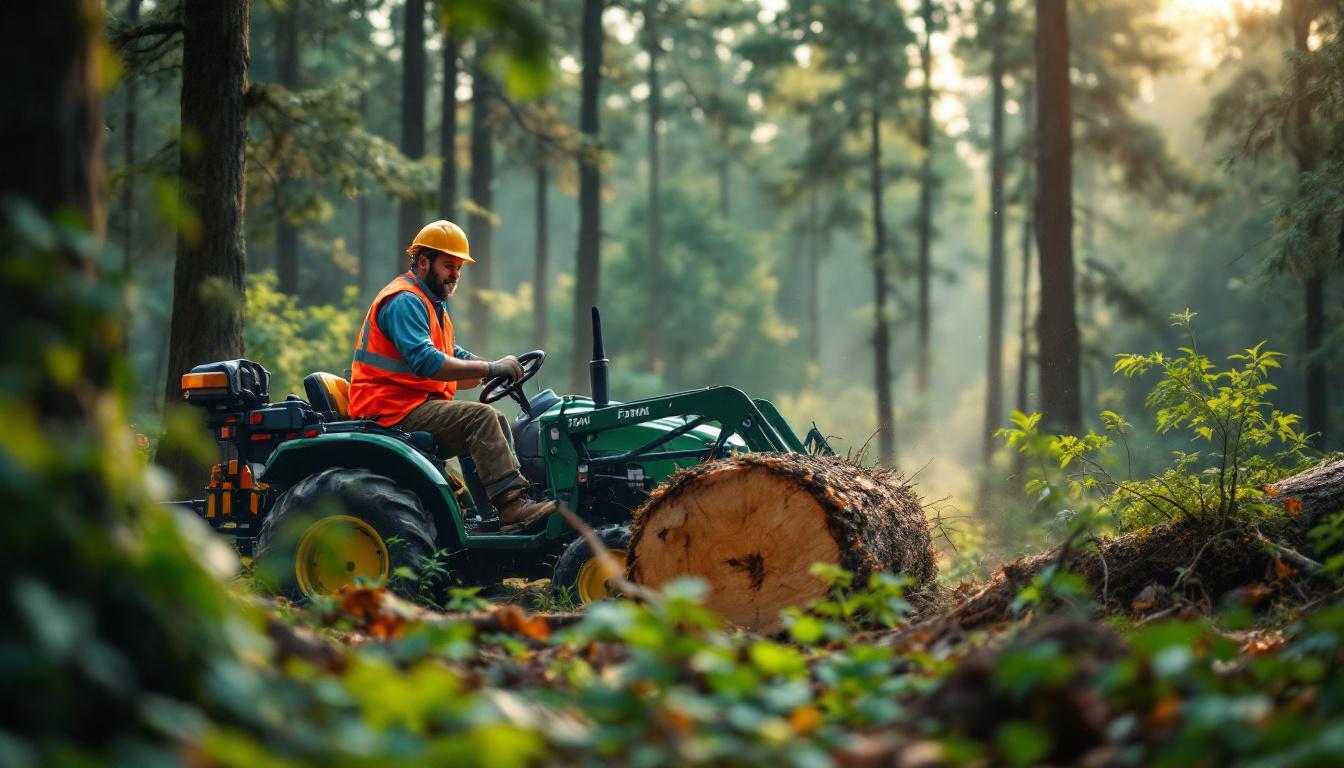
Careers after further study
These careers require a higher level of study than this degree.

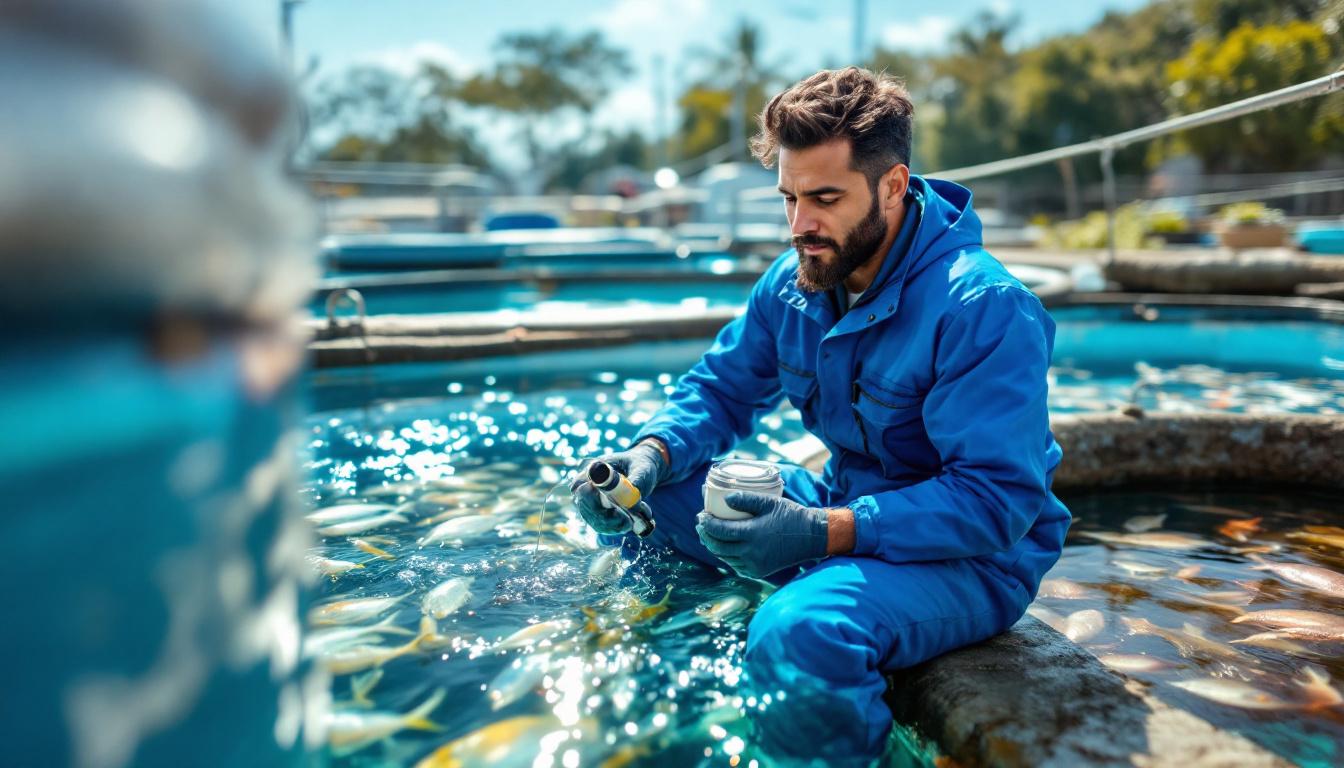
Continuing your studies
After earning this certificate, students may choose to continue their education to deepen knowledge or broaden career options. There are pathways into related associate or bachelor's degree programs.
- Many graduates pursue an Associate degree in Fisheries Science or related environmental fields.
- Some continue to a Bachelor's degree in Marine Biology or Natural Resource Management.
- The certificate can also serve as a foundation for specialized training in aquaculture or wildlife management.
- Students may transfer credits to longer programs depending on the institution's policies.
- Reorientation into broader environmental science or biology degrees is possible with additional coursework.
Where to study this degree (4)



Liste des 4 établissements
- Bellingham Technical CollegeBellingham
- University of Alaska SoutheastJuneau
- Coastal Pines Technical CollegeWaycross
- Bristol Community CollegeFall River
Frequently asked questions
What prior education is needed to enroll in this certificate?
You generally need a high school diploma or equivalent to apply. Some schools may have placement tests, but there are usually no strict prerequisites.
How long does the program take to complete?
The certificate is designed to be completed in less than two years, often within one year if studied full-time.
Does the program include practical experience?
Yes, practical work such as field trips, sampling, and sometimes internships are part of the curriculum to develop hands-on skills.
Can I work while studying this certificate?
Many programs offer flexible schedules, but full-time study is common. Alternance or work-study options are generally not available.
What kinds of jobs can I get after this certificate?
Graduates often work as fisheries technicians, fishery assistants, or in related roles supporting aquatic resource management.
Is it possible to continue studies after this certificate?
Yes, many students pursue associate or bachelor's degrees in fisheries science, marine biology, or environmental science.
Are there any physical requirements for this program?
Since the program involves fieldwork and outdoor activities, being able to work in various weather conditions is important.
Where can I study for this certificate?
Community colleges and technical schools in the US offering programs in fisheries or environmental sciences typically provide this certificate.