Certificate in Marine Sciences
This certificate teaches foundational knowledge in marine sciences, preparing students for entry-level roles in marine research, conservation, and environmental monitoring.
About
The Certificate in Marine Sciences is a postsecondary program in the United States designed for students interested in studying the ocean and marine environments. It is suitable for those who want to gain practical and theoretical knowledge about marine ecosystems without committing to a full degree. This certificate typically takes less than two years to complete and is aimed at learners seeking to start a career in marine-related fields or enhance their understanding of marine science.
- The program focuses on basic concepts of marine biology, oceanography, and environmental science.
- It is ideal for students who want to work in roles related to marine conservation, research assistance, or environmental monitoring.
- Graduates can find opportunities in government agencies, environmental organizations, or private companies involved in marine activities.
- The certificate serves as a stepping stone for further studies in marine science or environmental fields.
- It is accessible to high school graduates or those with equivalent qualifications interested in marine environments.
What you study
The curriculum of the Certificate in Marine Sciences covers a range of subjects that introduce students to the study of oceans and marine life. The program blends classroom learning with practical experiences to build foundational skills.
- Students study marine ecosystems, including the biology of marine organisms and their habitats.
- The program includes courses on physical oceanography, exploring ocean currents, waves, and tides.
- Environmental topics such as marine pollution and conservation strategies are part of the syllabus.
- Practical work involves field trips to coastal areas and laboratories where students learn sampling and data collection techniques.
- The program progresses from basic concepts in the first semesters to more applied topics and projects in later stages.
- Hands-on activities and group projects help students understand real-world marine science challenges.
How to get in
Admission to the Certificate in Marine Sciences in the US typically requires a high school diploma or equivalent. The process is generally straightforward and designed to welcome students with a strong interest in marine environments.
- Applicants must have completed high school or possess a GED certificate.
- Some institutions may require a basic background in biology or science, but this varies.
- The admission procedure often involves submitting an application form and transcripts.
- Students with a passion for nature and marine life are encouraged to apply, even without extensive prior knowledge.
- Community colleges and technical schools commonly offer this certificate with open enrollment policies.
Day to day
A typical year in the Certificate in Marine Sciences involves a mix of lectures, laboratory work, and field experiences. The schedule is designed to balance theory and practice, helping students engage actively with the subject.
- Students attend regular classes covering core marine science topics several times a week.
- Laboratory sessions allow hands-on practice with marine samples and scientific instruments.
- Field trips to coastal or marine sites provide opportunities to observe ecosystems directly.
- Group projects encourage collaboration and application of learned concepts to real environmental issues.
- Some programs may offer internships or cooperative education options, but this is not always standard.
- The workload is manageable for students balancing studies with other commitments.
Careers this degree leads to
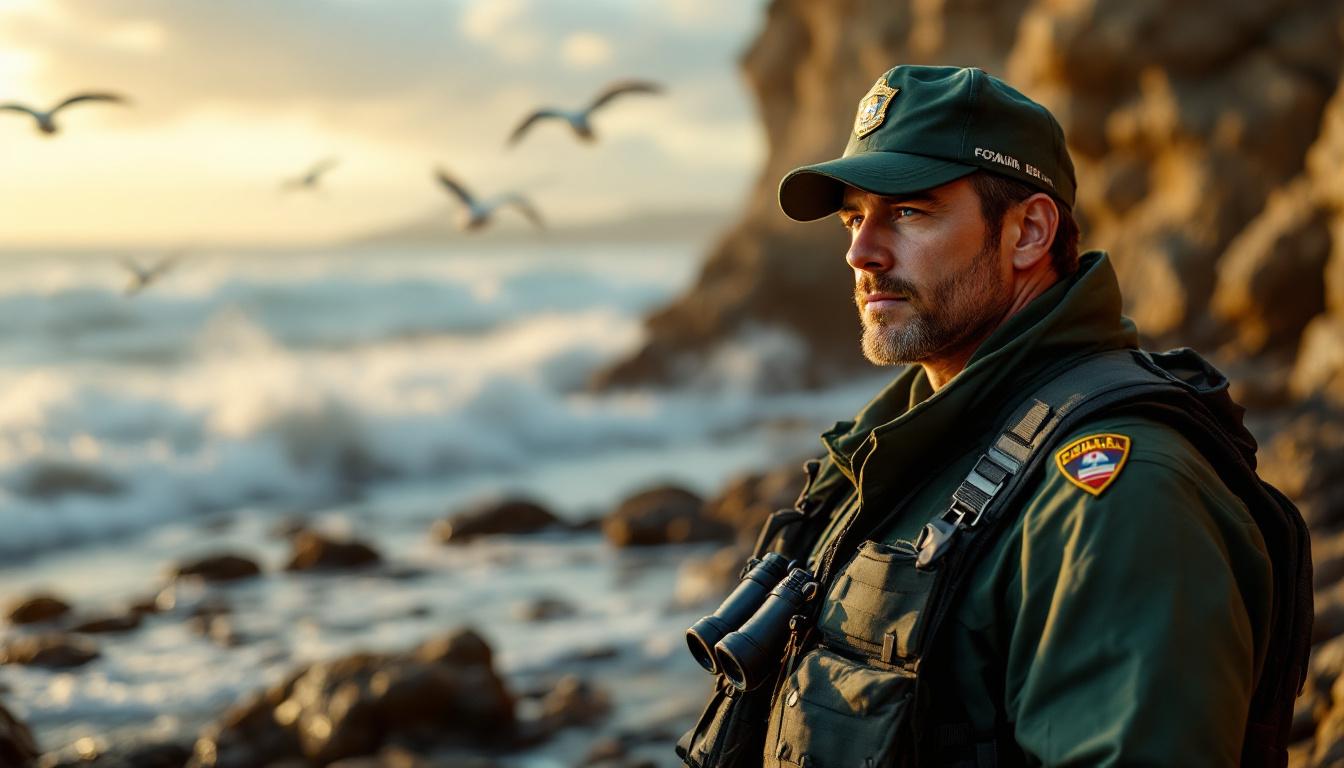
Graduates of the Certificate in Marine Sciences can pursue various entry-level positions in marine-related fields. The certificate opens doors to jobs that require foundational knowledge and practical skills in marine environments.
- Common roles include marine technician, environmental field assistant, and research support staff.
- Employment can be found in government agencies focused on marine conservation and resource management.
- Environmental nonprofits and aquariums also recruit certificate holders for educational and support roles.
- The certificate helps prepare for positions involved in data collection and monitoring of marine habitats.
- While the certificate provides a good foundation, some positions may require further education or training.



Careers after further study
These careers require a higher level of study than this degree.



Continuing your studies
After earning the certificate, students often continue their education to deepen their expertise or expand career options. The certificate can serve as a foundation for further studies in marine and environmental sciences.
- Many graduates pursue an associate degree in marine science or environmental studies.
- Some continue to a bachelor's degree in related fields such as biology, oceanography, or environmental science.
- Credits earned during the certificate may transfer to higher education programs, easing progression.
- Students can also explore specialized training or certifications in marine technology or conservation.
Where to study this degree (42)








Liste des 42 établissements
- The University of Texas at AustinAustin
- Orange Coast CollegeCosta Mesa
- California State University, Monterey BaySeaside
- University of MaineOrono
- University of FloridaGainesville
- California Polytechnic State UniversitySan Luis Obispo
- Cape Fear Community CollegeWilmington
- Western Washington UniversityBellingham
- Hawaii Pacific UniversityHonolulu
- University of California-DavisDavis
- Florida Atlantic UniversityBoca Raton
- Stony Brook UniversityStony Brook
- College of Micronesia-FSMPohnpei
- College of the Marshall IslandsMajuro
- Texas A & M University-College StationCollege Station
- Texas A&M University – Corpus ChristiCorpus Christi
- The University of Texas Rio Grande ValleyEdinburg
- University of GeorgiaAthens
- University of Massachusetts DartmouthNorth Dartmouth
- San Francisco State UniversitySan Francisco
- University of Massachusetts BostonBoston
- Maine Maritime AcademyCastine
- Georgia Institute of Technology-Main CampusAtlanta
- Oregon State UniversityCorvallis
- San Jose State UniversitySan Jose
- Florida Keys Community CollegeKey West
- University of Southern CaliforniaLos Angeles
- American Samoa Community CollegePago Pago
- Rowan UniversityGlassboro
- University of Massachusetts LowellLowell
- University of South AlabamaMobile
- St. Mary's College of MarylandSt. Mary's City
- University of Massachusetts-AmherstAmherst
- University of Alaska AnchorageAnchorage
- Eckerd CollegeSaint Petersburg
- California State University, StanislausTurlock
- University of Rhode IslandKingston
- Lake Superior State UniversitySault Ste Marie
- University of Alaska FairbanksFairbanks
- Oregon State University CascadesBend
- University of North Carolina WilmingtonWilmington
- Nova Southeastern UniversityFort Lauderdale
Frequently asked questions
What prior knowledge do I need to start this certificate?
You generally need a high school diploma or equivalent. No advanced science background is usually required, but an interest in marine environments helps.
How long does it take to complete the certificate?
The program typically takes less than two years to finish, depending on whether you study full-time or part-time.
Are there practical experiences included in the program?
Yes, the certificate includes laboratory work and field trips to help students apply what they learn in real marine settings.
Can this certificate lead directly to a job?
It can prepare you for entry-level positions in marine science support roles, but some jobs may require further education.
Is this certificate recognized across the United States?
Certificates are offered by various colleges and technical schools and are generally recognized locally, but recognition can vary by employer.
Can I continue my studies after this certificate?
Yes, many students use this certificate as a stepping stone to associate or bachelor's degrees in marine or environmental sciences.
Is there an option for alternating work and study?
Alternance or work-study options are generally not common for this certificate, but some programs may offer internships.
What kind of careers can I expect after completing this certificate?
You can work as a marine technician, environmental assistant, or research support staff, often in government agencies or environmental organizations.
