Certificate in Biotechnology
This certificate teaches fundamental biotechnology techniques and concepts, preparing students for entry-level roles in labs and biotech companies in the US.
About
The Certificate in Biotechnology is a postsecondary program in the United States designed for students interested in the science and technology behind living organisms. It is aimed at learners who want to gain practical skills quickly and enter the workforce or continue their education in related fields. This certificate provides foundational knowledge in biotechnology, including laboratory methods and biological sciences. It prepares students for roles such as lab technicians or assistants in biotech firms, research institutions, and healthcare industries. The program typically lasts less than two years and offers a focused curriculum to build essential competencies for the biotechnology sector.
- The certificate is intended for high school graduates or individuals seeking specialized training after secondary education.
- It provides a practical introduction to biotechnology concepts and laboratory skills.
- Graduates can work in entry-level technical positions or pursue further studies.
- The program suits students interested in biology, chemistry, and technology applications in health and environment.
- It helps develop understanding of how biological systems are used in industry and research.
What you study
The curriculum of the Certificate in Biotechnology covers core scientific principles and hands-on laboratory techniques. It usually spans less than two years, focusing on both theory and practice. Students start with basic courses in biology, chemistry, and microbiology to build a solid scientific foundation. As the program progresses, more specialized topics like molecular biology, genetic engineering, and bioinformatics are introduced. Practical lab sessions are a significant part of the learning experience, allowing students to apply theoretical knowledge to real-world biotechnology tasks. The program may also include training in safety procedures and quality control relevant to laboratory work. Overall, the coursework is designed to develop technical skills and scientific understanding necessary for biotech roles.
- Initial courses cover general biology, chemistry, and microbiology.
- Advanced topics include molecular biology and genetic techniques.
- Hands-on laboratory practice is integrated throughout the program.
- Students learn data analysis and use of biotech instruments.
- Safety and regulatory standards are emphasized in practical sessions.
- The program builds progressively from fundamentals to applied biotechnology.
How to get in
Admission to the Certificate in Biotechnology in the US generally requires a high school diploma or equivalent. The process is usually straightforward and not highly selective, aiming to provide access to students with an interest in science and technology. Applicants may need to submit transcripts and sometimes complete placement tests to assess readiness for college-level science courses. Some programs may look for candidates with a background in biology or chemistry, but this is not always mandatory. The certificate is suitable for recent high school graduates, adult learners, or those seeking to change careers by gaining biotech skills.
- Applicants must have a high school diploma or GED.
- Admission procedures often include submitting academic records.
- Some programs require placement tests in math or science.
- Interest in science and laboratory work is a key consideration.
- The selection is generally not highly selective, welcoming diverse profiles.
Day to day
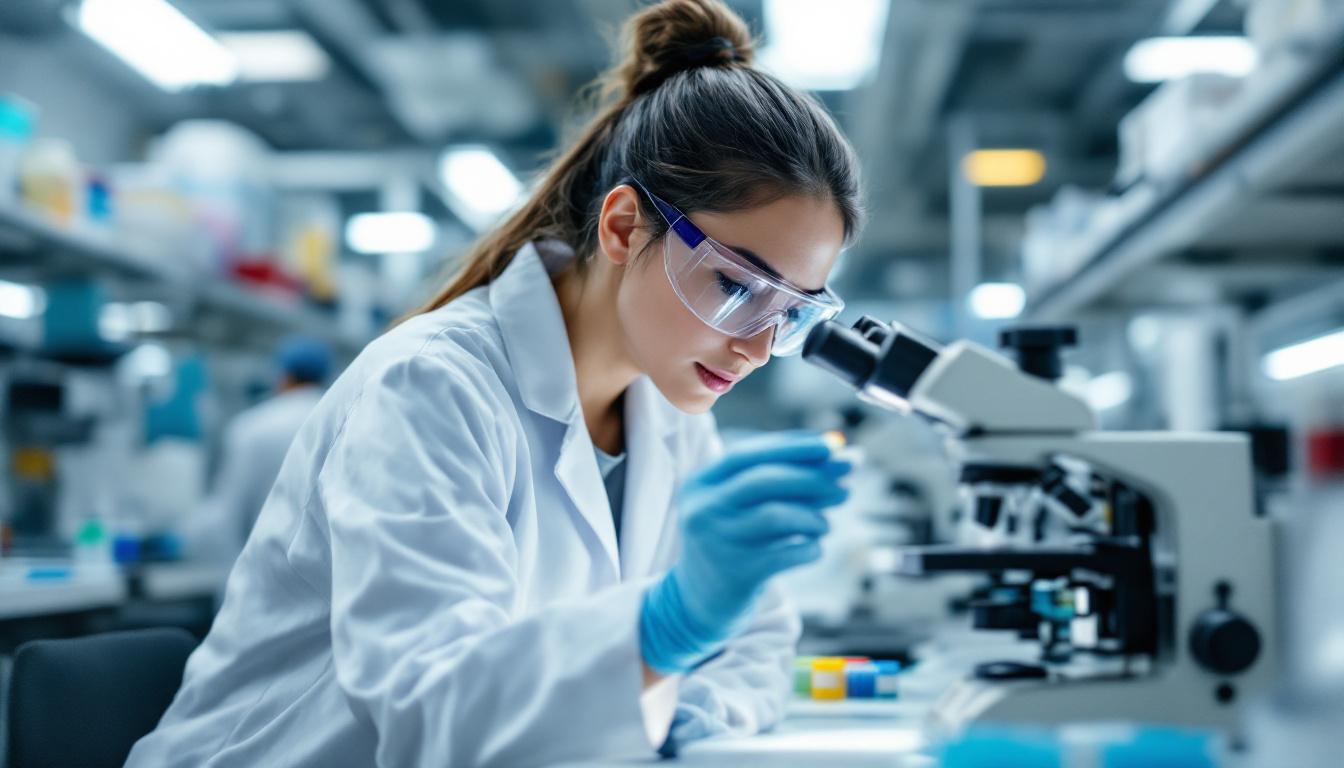
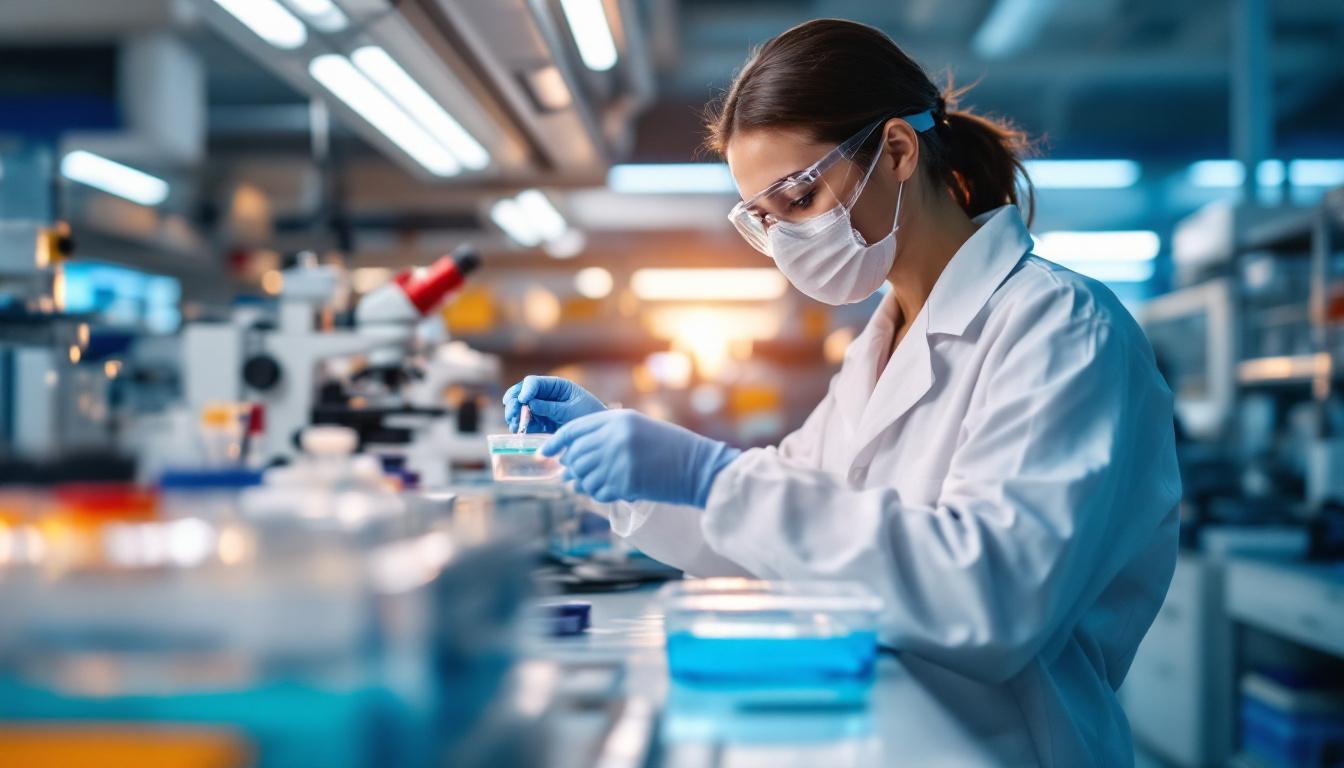
A typical year in the Certificate in Biotechnology program combines lectures, laboratory work, and sometimes group projects. Students attend classes regularly, with a schedule that balances theory and practical sessions. Laboratory exercises allow students to practice techniques such as DNA extraction, cell culture, and microscopy. Some programs may include internships or cooperative education opportunities to gain real-world experience in biotech companies or research labs. The workload requires consistent study and hands-on engagement, with assessments based on exams, lab reports, and projects. The program is designed to prepare students for the pace and demands of biotechnology careers.
- The weekly schedule includes classroom lectures and laboratory sessions.
- Students perform experiments like DNA analysis and microbial culturing.
- Group projects may involve research presentations or case studies.
- Some programs offer internships to gain practical experience.
- Assessments include tests, lab reports, and practical exams.
Careers after further study
These careers require a higher level of study than this degree.
Continuing your studies
After earning the Certificate in Biotechnology, students can choose to continue their education to deepen their knowledge or expand career options. Common pathways include enrolling in associate degree programs in biotechnology, biological sciences, or related health sciences. Some may also pursue bachelor's degrees in biology, biochemistry, or biomedical sciences. The certificate can serve as a stepping stone for those interested in research, laboratory management, or specialized biotech fields. Additionally, students might explore certifications in quality control, regulatory affairs, or clinical laboratory techniques to enhance their qualifications.
- Students often continue with associate degrees in biotechnology or biology.
- Bachelor’s degrees in biological sciences are a common next step.
- Specialized certifications in lab techniques can complement the certificate.
- The program supports academic transfer to higher education.
Where to study this degree (200)




















Liste des 200 établissements
- Kirkwood Community CollegeCedar Rapids
- Plymouth State UniversityPlymouth
- Forsyth Technical Community CollegeWinston-Salem
- Fayetteville State UniversityFayetteville
- California State University, NorthridgeNorthridge
- Brunswick Community CollegeBolivia
- Wilmington CollegeWilmington
- Des Moines Area Community CollegeAnkeny
- University of New HampshireDurham
- North Carolina State UniversityRaleigh
- University of DelawareNewark
- Pima Community CollegeTucson
- University of North Carolina at PembrokePembroke
- Governors State UniversityUniversity Park
- Mount Wachusett Community CollegeGardner
- Alma CollegeAlma
- Columbia UniversityNew York
- Missouri Western State UniversitySaint Joseph
- St. Cloud State UniversitySaint Cloud
- Rowan-Cabarrus Community CollegeSalisbury
- Bunker Hill Community CollegeBoston
- California State University, Long BeachLong Beach
- American River CollegeSacramento
- Keiser UniversityFort Lauderdale
- Santa Ana CollegeSanta Ana
- Johns Hopkins UniversityBaltimore
- Gaston CollegeDallas
- University of Maryland Global CampusAdelphi
- Northeastern UniversityBoston
- University of California-DavisDavis
- University of HoustonHouston
- New York UniversityNew York
- University of KentuckyLexington
- Rutgers University-New BrunswickNew Brunswick
- University of PennsylvaniaPhiladelphia
- Northwestern UniversityEvanston
- University of Wisconsin–MadisonMadison
- Brigham Young UniversityProvo
- Northeastern University Professional ProgramsBoston
- Harvard UniversityCambridge
- Morehouse School of MedicineAtlanta
- California State Polytechnic UniversityPomona
- University of GeorgiaAthens
- Rush UniversityChicago
- University of Central FloridaOrlando
- James Madison UniversityHarrisonburg
- Georgetown UniversityWashington
- Texas A & M University-College StationCollege Station
- Brown UniversityProvidence
- Inter American University of Puerto Rico-AreciboArecibo
- California State University, Channel IslandsCamarillo
- University of Illinois ChicagoChicago
- Portland Community CollegePortland
- University of San FranciscoSan Francisco
- Indiana University BloomingtonBloomington
- University of California-IrvineIrvine
- University of Alabama at BirminghamBirmingham
- Utah Valley UniversityOrem
- Rochester Institute of TechnologyRochester
- California State University, San MarcosSan Marcos
- Syracuse UniversitySyracuse
- Boston UniversityBoston
- University of Southern CaliforniaLos Angeles
- Endicott CollegeBeverly
- University of Nebraska at OmahaOmaha
- University of Houston - Clear LakeHouston
- Pennsylvania State University-Main CampusUniversity Park
- University of Maryland-Baltimore CountyBaltimore
- University of Rhode IslandKingston
- Ivy Tech Community CollegeIndianapolis
- University of Puerto Rico-MayaguezMayaguez
- University of New Hampshire at ManchesterManchester
- University of Hawaiʻi at MānoaHonolulu
- Worcester State UniversityWorcester
- University of Houston - DowntownHouston
- University of Colorado Denver/Anschutz Medical CampusDenver
- Texas Woman's UniversityDenton
- Oregon State UniversityCorvallis
- Worcester Polytechnic InstituteWorcester
- University of Nevada, RenoReno
- Kean UniversityUnion
- University at BuffaloBuffalo
- Mount St. Mary's UniversityEmmitsburg
- Inter American University of Puerto Rico-BarranquitasBarranquitas
- Pitt Community CollegeWinterville
- University of ArizonaTucson
- SUNY College of Environmental Science and ForestrySyracuse
- The University of Texas at DallasRichardson
- Pontifical Catholic University of Puerto Rico-PoncePonce
- University of KansasLawrence
- Central New Mexico Community CollegeAlbuquerque
- Montgomery County Community CollegeBlue Bell
- University of South FloridaTampa
- Inter American University of Puerto Rico-AguadillaAguadilla
- Borough of Manhattan Community CollegeNew York
- SUNY CobleskillCobleskill
- Framingham State UniversityFramingham
- Texas Tech University Health Sciences CenterLubbock
- William Paterson UniversityWayne
- Kent State University at KentKent
- Brandeis UniversityWaltham
- Azusa Pacific UniversityAzusa
- Texas Tech UniversityLubbock
- Florida Institute of TechnologyMelbourne
- North Central State CollegeMansfield
- Carnegie Mellon UniversityPittsburgh
- The University of Texas at TylerTyler
- Inter American University of Puerto Rico-BayamonBayamon
- St. John's UniversityQueens
- Montana State UniversityBozeman
- Ferris State UniversityBig Rapids
- Northern State UniversityAberdeen
- North Dakota State UniversityFargo
- University of Alabama in HuntsvilleHuntsville
- Southeast Community CollegeLincoln
- Inter American University of Puerto Rico-GuayamaGuayama
- Liberty UniversityLynchburg
- Alamance Community CollegeGraham
- Auburn UniversityAuburn
- Southern Connecticut State UniversityNew Haven
- The University of Texas at San AntonioSan Antonio
- Tufts UniversityMedford
- Southwest Tennessee Community CollegeMemphis
- Duquesne UniversityPittsburgh
- Santa Fe CollegeGainesville
- Arizona State University Campus ImmersionTempe
- Middlesex County CollegeEdison
- South Dakota State UniversityBrookings
- Harrisburg University of Science and TechnologyHarrisburg
- West Virginia State UniversityInstitute
- Temple UniversityPhiladelphia
- University of California-Santa CruzSanta Cruz
- York College, City University of New YorkJamaica
- Pontotoc Technology CenterAda
- East Stroudsburg UniversityEast Stroudsburg
- University of UtahSalt Lake City
- University of St. Thomas - TexasHouston
- Queensborough Community College, CUNYBayside
- Florida Atlantic UniversityBoca Raton
- Minnesota State University, MankatoMankato
- California State University, FresnoFresno
- American UniversityWashington
- Universidad Ana G. Mendez-Carolina CampusCarolina
- Fort Valley State UniversityFort Valley
- City College of New YorkNew York
- Wake Technical Community CollegeRaleigh
- Indiana University-IndianapolisIndianapolis
- Lansing Community CollegeLansing
- Tulsa Community CollegeTulsa
- Cleveland Community CollegeShelby
- Vanguard UniversityCosta Mesa
- University of Illinois Urbana-ChampaignUrbana
- Bronx Community CollegeBronx
- Elizabethtown CollegeElizabethtown
- Thomas Jefferson UniversityPhiladelphia
- Universidad del Sagrado CorazonSanturce
- Florida Southern CollegeLakeland
- Ball State UniversityMuncie
- SUNY Upstate Medical UniversitySyracuse
- University of North FloridaJacksonville
- Florida Gulf Coast UniversityFort Myers
- Quinsigamond Community CollegeWorcester
- University of Wisconsin–River FallsRiver Falls
- Marywood UniversityScranton
- University of Wisconsin–ParksideKenosha
- Southern Maine Community CollegeSouth Portland
- Wilson Community CollegeWilson
- Humacao Community CollegeHumacao
- Capital Community CollegeHartford
- Saint Peter's UniversityJersey City
- Community College of Allegheny CountyPittsburgh
- Missouri University of Science and TechnologyRolla
- Wilmington UniversityNew Castle
- Elms CollegeChicopee
- Augusta UniversityAugusta
- Holyoke Community CollegeHolyoke
- University of IdahoMoscow
- Claflin UniversityOrangeburg
- University of Wisconsin–Green BayGreen Bay
- New York Institute of TechnologyOld Westbury
- Rivier UniversityNashua
- Catholic University of AmericaWashington
- Northern Arizona UniversityFlagstaff
- Roxbury Community CollegeRoxbury Crossing
- Pacific Union CollegeAngwin
- Springfield Technical Community CollegeSpringfield
- Kingsborough Community CollegeBrooklyn
- South Dakota School of Mines and TechnologyRapid City
- Inter American University of Puerto Rico-PonceMercedita
- Colorado State University-Fort CollinsFort Collins
- Roosevelt UniversityChicago
- Pontifical Catholic University of Puerto Rico-AreciboArecibo
- Community College of Rhode IslandWarwick
- University of Missouri–St. LouisSaint Louis
- Alcorn State UniversityAlcorn State
- Clarkson UniversityPotsdam
- Grand View UniversityDes Moines
- Universidad Ana G. Mendez-Gurabo CampusGurabo
- University of North Carolina at CharlotteCharlotte
- Bay Path UniversityLongmeadow
Frequently asked questions
What prior knowledge do I need to start this certificate?
You generally need a high school diploma with some background in science. Basic understanding of biology and chemistry helps but is not always required.
How long does the Certificate in Biotechnology take to complete?
The program usually takes less than two years, depending on whether you study full-time or part-time.
Are there practical lab sessions included in the program?
Yes, practical laboratory work is a key part of the curriculum to develop hands-on skills in biotechnology techniques.
Can I work while studying for this certificate?
Many programs have flexible schedules, but balancing work and study depends on your personal time management.
What types of jobs can I get after completing this certificate?
You can find entry-level positions such as lab technician or biotech assistant in various industries like healthcare and pharmaceuticals.
Is this certificate recognized for further studies?
Yes, it can serve as a foundation for pursuing associate or bachelor’s degrees in related scientific fields.
Does the program include internships or work placements?
Some programs offer internships or cooperative education to gain real-world experience, but this varies by institution.
Is the admission process competitive?
Admission is generally not highly selective, focusing on applicants with a genuine interest in biotechnology and science.
