Bachelor's Degree in Physiology, Pathology and Related Sciences
This bachelor's degree covers physiology, pathology, and related sciences, preparing students for careers in health, research, or further medical studies.
About
The Bachelor's Degree in Physiology, Pathology and Related Sciences is a four-year undergraduate program in the United States. It is designed for students interested in understanding how the human body functions, how diseases develop, and the biological mechanisms behind health conditions. This degree suits those who want to pursue careers in health sciences, biomedical research, or prepare for advanced studies in medicine or related fields.
- The program provides foundational knowledge in human physiology and pathology, exploring normal and abnormal body processes.
- It is aimed at students with a strong interest in biology and health sciences who have completed high school.
- Graduates can work in healthcare support roles, research labs, or continue studies in medical, dental, or graduate biomedical programs.
- The degree helps develop critical thinking and scientific analysis skills needed in health-related professions.
- It offers a broad understanding of biological systems, disease mechanisms, and laboratory techniques.
What you study
The curriculum spans four years, progressively deepening scientific knowledge and practical skills. Early years focus on basic sciences, while later years emphasize applied physiology and pathology.
- Students study anatomy, physiology, biochemistry, and cell biology during the first years.
- Advanced courses cover disease mechanisms, pathophysiology, and laboratory methods in later years.
- The program includes practical sessions such as laboratory experiments and data analysis to apply theoretical knowledge.
- Students may engage in research projects or internships to gain real-world experience.
- The curriculum encourages understanding of scientific literature and development of communication skills.
How to get in
Admission to this bachelor's degree requires completion of high school with a strong background in science. The US higher education system involves a selection process based on academic records and standardized tests.
- Applicants typically need a high school diploma with good grades in biology, chemistry, and mathematics.
- Many universities require standardized test scores such as the SAT or ACT.
- The application process includes submitting transcripts, recommendation letters, and sometimes personal statements.
- Profiles with demonstrated interest in health sciences and research are favored.
- Some programs may have additional requirements like interviews or prerequisite courses.
Day to day
The academic year involves lectures, lab work, and project assignments. Students balance theoretical learning with hands-on activities and may have opportunities for internships.
- Weekly schedules combine classroom lectures and laboratory sessions to reinforce concepts.
- Students often work on group projects and individual research to develop teamwork and analytical skills.
- Some programs encourage summer internships in healthcare or research settings.
- There is no formal alternance system, but students can seek part-time work or volunteering related to their studies.
- Time management and consistent study habits are important to succeed.
Careers this degree leads to
Graduates can find opportunities in various health-related fields or continue their education. The degree opens doors to roles supporting medical research and healthcare services.
- Possible careers include laboratory technician, research assistant, or health science specialist.
- Employment sectors include biomedical research, public health, and clinical laboratories.
- The job market generally values graduates with practical lab experience and scientific knowledge.
- Further studies often improve career prospects and access to specialized professions.
- The degree provides a solid foundation for roles that require understanding of human biology and disease.

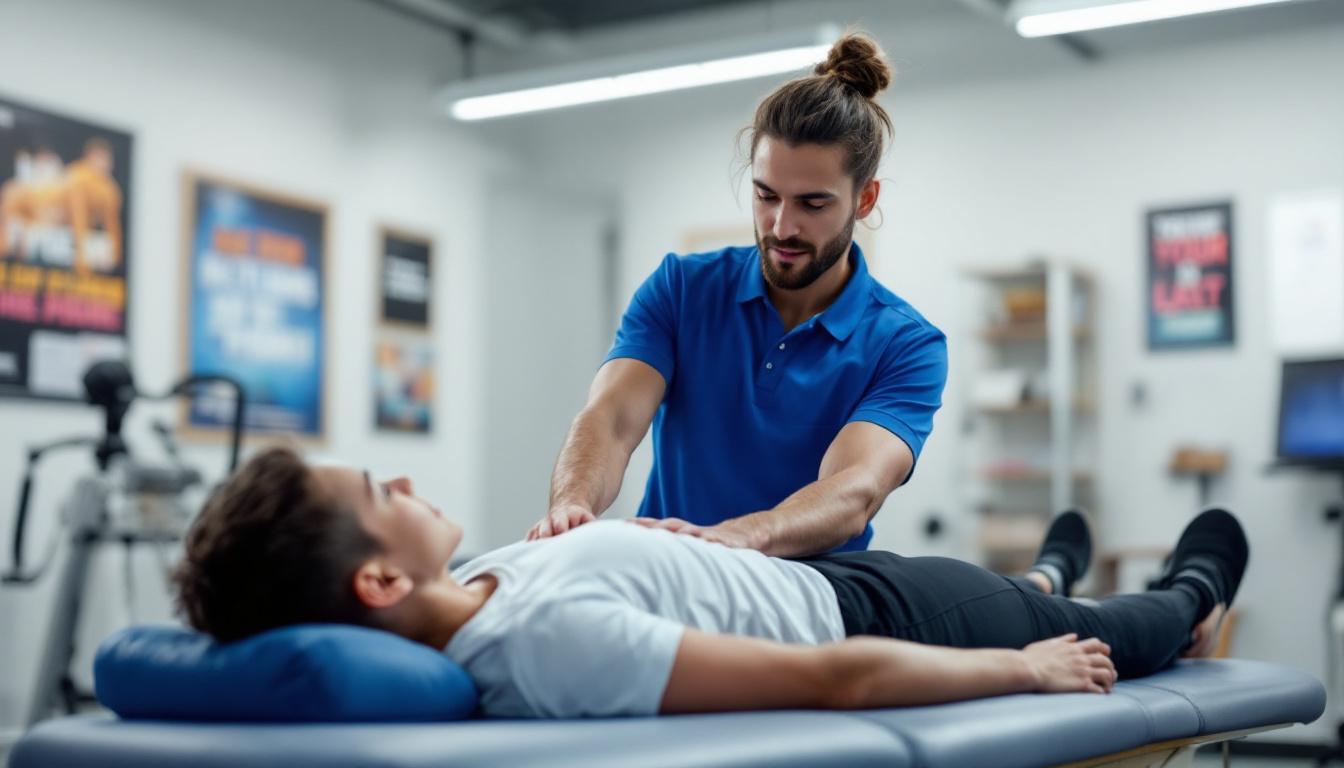




Careers after further study
These careers require a higher level of study than this degree.






Continuing your studies
After earning this bachelor's degree, students can pursue graduate studies or professional programs to specialize further. Options include medical school, master's degrees, or research doctorates.
- Many graduates apply to medical or dental schools to become healthcare professionals.
- Others choose master's programs in biomedical sciences or public health.
- Research-oriented students may pursue PhD programs in physiology or pathology.
- Some may shift to related fields such as pharmacology or health administration.
Where to study this degree (200)








Liste des 200 établissements
- California State University, NorthridgeNorthridge
- The University of Texas at El PasoEl Paso
- San Francisco State UniversitySan Francisco
- Old Dominion UniversityNorfolk
- College of IdahoCaldwell
- University of DaytonDayton
- Brigham Young University - IdahoRexburg
- Merrimack CollegeNorth Andover
- California State University, San MarcosSan Marcos
- Maharishi International UniversityFairfield
- University of Wisconsin–OshkoshOshkosh
- California State University, ChicoChico
- Yeshiva UniversityNew York
- Cornell UniversityIthaca
- Oakland UniversityRochester Hills
- University of VermontBurlington
- University of North Carolina WilmingtonWilmington
- SUNY BrockportBrockport
- Southern Illinois University CarbondaleCarbondale
- San Diego City CollegeSan Diego
- Medical University of South CarolinaCharleston
- Quinnipiac UniversityHamden
- University of Wisconsin–SuperiorSuperior
- University of Colorado BoulderBoulder
- Texas Tech UniversityLubbock
- University of Minnesota-Twin CitiesMinneapolis
- Brigham Young UniversityProvo
- University of ArizonaTucson
- University of FloridaGainesville
- University of California-Los AngelesLos Angeles
- University of OregonEugene
- University of UtahSalt Lake City
- Auburn UniversityAuburn
- Georgetown UniversityWashington
- Florida State UniversityTallahassee
- University of South Carolina-ColumbiaColumbia
- Case Western Reserve UniversityCleveland
- University of Massachusetts-AmherstAmherst
- West Virginia UniversityMorgantown
- Liberty UniversityLynchburg
- University of North Carolina at CharlotteCharlotte
- Boise State UniversityBoise
- Washington State UniversityPullman
- Kansas State UniversityManhattan
- Sacred Heart UniversityFairfield
- University of Washington-Seattle CampusSeattle
- East Carolina UniversityGreenville
- Michigan State UniversityEast Lansing
- University of South AlabamaMobile
- University of California-DavisDavis
- North Carolina State UniversityRaleigh
- Glendale Community CollegeGlendale
- Golden West CollegeHuntington Beach
- Purdue University West LafayetteWest Lafayette
- Eastern Washington UniversityCheney
- Boston UniversityBoston
- University at BuffaloBuffalo
- Marquette UniversityMilwaukee
- Creighton UniversityOmaha
- University of ToledoToledo
- University of Colorado Colorado SpringsColorado Springs
- University of WyomingLaramie
- Wichita State UniversityWichita
- Ohio University LancasterAthens
- Gettysburg CollegeGettysburg
- University of South Carolina UpstateSpartanburg
- Rice UniversityHouston
- College of CharlestonCharleston
- University of DelawareNewark
- Gonzaga UniversitySpokane
- University of MiamiCoral Gables
- The University of MontanaMissoula
- Shenandoah UniversityWinchester
- Ursinus CollegeCollegeville
- Long Island UniversityBrookville
- University of TampaTampa
- Central CollegePella
- Life UniversityMarietta
- University of IdahoMoscow
- New York UniversityNew York
- University of CincinnatiCincinnati
- College of St. ScholasticaDuluth
- Taylor UniversityUpland
- Ithaca CollegeIthaca
- Benedictine UniversityLisle
- University of Houston - Clear LakeHouston
- Embry-Riddle Aeronautical University-Daytona BeachDaytona Beach
- Northern Kentucky UniversityHighland Heights
- Oklahoma State University-Main CampusStillwater
- Florida Southern CollegeLakeland
- Texas A&M University – Corpus ChristiCorpus Christi
- University of ConnecticutStorrs
- Wheaton College - IllinoisWheaton
- Seattle Pacific UniversitySeattle
- Teachers College at Columbia UniversityNew York
- University of MaryBismarck
- Skidmore CollegeSaratoga Springs
- Eastern Virginia Medical SchoolNorfolk
- California Baptist UniversityRiverside
- University of LouisvilleLouisville
- George Washington UniversityWashington
- Lionel UniversityCarpinteria
- University of LynchburgLynchburg
- Indiana Wesleyan UniversityMarion
- University of Michigan-Ann ArborAnn Arbor
- Ashland UniversityAshland
- Gordon CollegeWenham
- Queens University of CharlotteCharlotte
- Chapman UniversityOrange
- Wright State UniversityDayton
- Seattle UniversitySeattle
- Midwestern State UniversityWichita Falls
- University of North Carolina at Chapel HillChapel Hill
- Gardner–Webb UniversityBoiling Springs
- Fitchburg State UniversityFitchburg
- SUNY FredoniaFredonia
- Tulane UniversityNew Orleans
- Ball State UniversityMuncie
- University of Wisconsin–MadisonMadison
- Saint Francis UniversityLoretto
- University of Alabama at BirminghamBirmingham
- Weill Cornell MedicineNew York
- Montreat CollegeMontreat
- Saint Ambrose UniversityDavenport
- Ave Maria UniversityAve Maria
- University of ScrantonScranton
- Briar Cliff UniversitySioux City
- Vanderbilt UniversityNashville
- Baldwin Wallace UniversityBerea
- College of Saint Benedict and Saint John's UniversitySaint Joseph
- Illinois CollegeJacksonville
- Duke UniversityDurham
- Concordia University WisconsinMequon
- Eastern Michigan UniversityYpsilanti
- Chestnut Hill CollegePhiladelphia
- University of Nebraska at OmahaOmaha
- Central Michigan UniversityMount Pleasant
- Hiram CollegeHiram
- University of California-IrvineIrvine
- Ohio State University-Main CampusColumbus
- Stanford UniversityStanford
- The University of Texas Health Science Center at HoustonHouston
- Columbia UniversityNew York
- University of Southern CaliforniaLos Angeles
- Cedar Crest CollegeAllentown
- Bethany Lutheran CollegeMankato
- University of Colorado Denver/Anschutz Medical CampusDenver
- The University of Texas at ArlingtonArlington
- University of ChicagoChicago
- Arizona State University Campus ImmersionTempe
- Pennsylvania State University-Main CampusUniversity Park
- Augustana CollegeRock Island
- Mississippi CollegeClinton
- Western Colorado UniversityGunnison
- Yale UniversityNew Haven
- Northwest UniversityKirkland
- Carroll UniversityWaukesha
- Quincy CollegeQuincy
- Medical College of WisconsinMilwaukee
- Vermont Technical CollegeRandolph
- University of Pittsburgh-Pittsburgh CampusPittsburgh
- University of Nevada, RenoReno
- Johns Hopkins UniversityBaltimore
- Nova Southeastern UniversityFort Lauderdale
- Kent State University at KentKent
- University of Nebraska Medical CenterOmaha
- Texas A&M University – Central TexasKilleen
- Parker UniversityDallas
- SUNY Downstate Health Sciences UniversityBrooklyn
- Lehman CollegeBronx
- University of HoustonHouston
- University of RochesterRochester
- University of Illinois ChicagoChicago
- Oklahoma Baptist UniversityShawnee
- Adelphi UniversityGarden City
- University of Illinois Urbana-ChampaignUrbana
- University of Oklahoma-Health Sciences CenterOklahoma City
- Wake Forest UniversityWinston-Salem
- Saint Johns UniversityCollegeville
- San Diego State UniversitySan Diego
- SUNY College of OptometryNew York
- University of California-Santa BarbaraSanta Barbara
- University of Missouri-ColumbiaColumbia
- University of California-BerkeleyBerkeley
- University of Texas Southwestern Medical CenterDallas
- Felician UniversityLodi
- Springfield CollegeSpringfield
- Minnesota State University, MankatoMankato
- Barnard CollegeNew York
- Bushnell UniversityEugene
- Wayne State UniversityDetroit
- University of OklahomaNorman
- Valdosta State UniversityValdosta
- University of AkronAkron
- University of KansasLawrence
- University of GeorgiaAthens
- Augusta UniversityAugusta
- University of the Incarnate WordSan Antonio
- Mercyhurst UniversityErie
- Baylor College of MedicineHouston
Frequently asked questions
What background do I need to apply for this degree?
You should have completed high school with strong grades in biology, chemistry, and math. Standardized test scores like the SAT or ACT are usually required.
Is this degree focused more on theory or practice?
The program combines both theoretical courses and practical laboratory work, helping you apply scientific concepts through experiments and projects.
Can I work while studying this degree?
There is no formal alternance or apprenticeship system, but you can seek part-time jobs or internships related to health sciences to gain experience.
What kinds of jobs can I get with this degree?
Graduates often work as laboratory technicians, research assistants, or in health science roles, mainly in research labs or healthcare settings.
Can I continue my studies after this bachelor's degree?
Yes, many students go on to medical school, master's programs in biomedical sciences, or PhD studies to specialize further.
Is this degree suitable if I want to become a doctor?
This degree provides a strong foundation for medical school, but becoming a doctor requires additional professional education after graduation.
How selective is the admission process?
Admission is selective and based on your academic record, test scores, and interest in health sciences.
What skills will I develop during this degree?
You will gain skills in scientific analysis, laboratory techniques, understanding human biology, and communicating scientific information.
