Bachelor's Degree in Marine Sciences
A Bachelor's Degree in Marine Sciences teaches about ocean ecosystems, marine life, and environmental processes, leading to careers in research, conservation, and marine resource management.
About
The Bachelor's Degree in Marine Sciences is a four-year undergraduate program offered in the United States. It is designed for students interested in understanding the oceans, marine organisms, and the complex interactions within marine environments. This degree suits those who are curious about marine biology, oceanography, and environmental science related to aquatic systems.
- The program provides foundational knowledge in biology, chemistry, physics, and earth sciences as they relate to marine settings.
- It prepares students for careers in marine research, environmental consulting, or roles in government and non-profit organizations focused on marine conservation.
- Students develop skills in data collection, analysis, and fieldwork, which are essential in marine science professions.
- The degree also opens doors to further studies such as master's or doctoral programs in marine sciences or related fields.
What you study
The curriculum spans four years, progressively deepening students' understanding of marine environments. Early years focus on general sciences and introductory marine topics, while later years emphasize specialized subjects and practical experience.
- Courses cover marine biology, oceanography, marine ecology, and environmental science, often integrating chemistry and physics principles.
- Students engage in laboratory work and field studies to observe marine organisms and ecosystems firsthand.
- Advanced classes may include marine policy, conservation strategies, and geographic information systems (GIS).
- Practical components such as internships, research projects, or field trips are common, allowing students to apply theoretical knowledge.
- The program encourages teamwork and scientific communication through presentations and reports.
How to get in
Admission to a Marine Sciences bachelor's program in the US typically requires a high school diploma or equivalent with a strong background in sciences and mathematics. The process involves submitting academic records and sometimes standardized test scores.
- Applicants should demonstrate interest in science subjects like biology, chemistry, and math during high school.
- Many universities require a formal application through platforms such as the Common Application.
- Some programs may ask for letters of recommendation or personal statements explaining motivation for studying marine sciences.
- While not always mandatory, participation in science clubs or environmental activities can strengthen an application.
Day to day
A typical academic year includes lectures, lab sessions, and fieldwork, providing a balance between theory and practice. Students often work on group projects and research assignments.
- Courses are usually organized by semester or quarter, with regular assessments like exams and reports.
- Field trips to coastal areas or marine research centers are common to gain real-world experience.
- Internships during summer breaks allow students to work in marine-related organizations or labs.
- Students may participate in research projects under faculty supervision, contributing to ongoing studies.
- While full-time study is standard, some programs may offer part-time or cooperative education options.
Careers this degree leads to
Graduates can find opportunities in various sectors related to marine environments. The job market includes roles in research, conservation, and resource management.
- Possible careers include marine biologist, oceanographer, environmental consultant, and marine policy advisor.
- Employers range from governmental agencies, environmental NGOs, research institutes, to private companies involved in marine industries.
- The demand for professionals who understand marine ecosystems and can address environmental challenges is steady.
- Entry-level positions often involve fieldwork, data analysis, or educational outreach.
- Career advancement may require further specialization or graduate studies.






Careers after further study
These careers require a higher level of study than this degree.





Continuing your studies
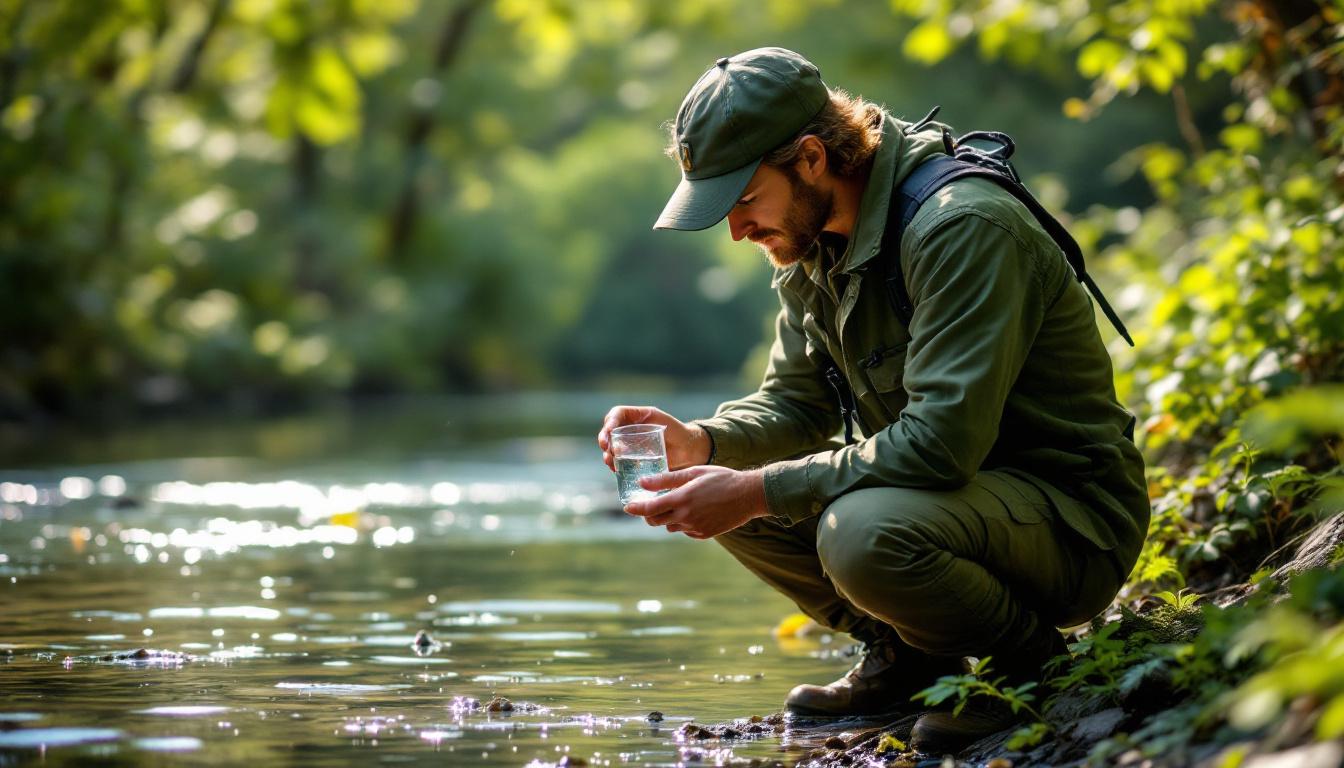
After earning the bachelor's degree, students can continue their education to deepen expertise or shift focus. Graduate programs offer opportunities to specialize in areas like marine biology, oceanography, or environmental policy.
- Master's degrees provide advanced research training and can improve job prospects in scientific or managerial roles.
- Doctoral studies are available for those interested in academic or high-level research careers.
- Some graduates may choose related fields such as environmental science, geology, or marine engineering.
- Professional certifications or training in GIS, data analysis, or marine technology can complement further studies.
Where to study this degree (42)















Liste des 42 établissements
- The University of Texas at AustinAustin
- Orange Coast CollegeCosta Mesa
- California State University, Monterey BaySeaside
- University of MaineOrono
- University of FloridaGainesville
- California Polytechnic State UniversitySan Luis Obispo
- Cape Fear Community CollegeWilmington
- Western Washington UniversityBellingham
- Hawaii Pacific UniversityHonolulu
- University of California-DavisDavis
- Florida Atlantic UniversityBoca Raton
- Stony Brook UniversityStony Brook
- College of Micronesia-FSMPohnpei
- College of the Marshall IslandsMajuro
- Texas A & M University-College StationCollege Station
- Texas A&M University – Corpus ChristiCorpus Christi
- The University of Texas Rio Grande ValleyEdinburg
- University of GeorgiaAthens
- University of Massachusetts DartmouthNorth Dartmouth
- San Francisco State UniversitySan Francisco
- University of Massachusetts BostonBoston
- Maine Maritime AcademyCastine
- Georgia Institute of Technology-Main CampusAtlanta
- Oregon State UniversityCorvallis
- San Jose State UniversitySan Jose
- Florida Keys Community CollegeKey West
- University of Southern CaliforniaLos Angeles
- American Samoa Community CollegePago Pago
- Rowan UniversityGlassboro
- University of Massachusetts LowellLowell
- University of South AlabamaMobile
- St. Mary's College of MarylandSt. Mary's City
- University of Massachusetts-AmherstAmherst
- University of Alaska AnchorageAnchorage
- Eckerd CollegeSaint Petersburg
- California State University, StanislausTurlock
- University of Rhode IslandKingston
- Lake Superior State UniversitySault Ste Marie
- University of Alaska FairbanksFairbanks
- Oregon State University CascadesBend
- University of North Carolina WilmingtonWilmington
- Nova Southeastern UniversityFort Lauderdale
Frequently asked questions
What subjects will I study in this degree?
You will study marine biology, oceanography, chemistry, physics, and environmental science, with practical labs and fieldwork to understand marine ecosystems.
Is prior experience in marine sciences required to apply?
No prior experience is required, but a strong background in science and math from high school is important for admission.
Can I do internships during the program?
Yes, many programs encourage or require internships, which provide valuable hands-on experience in marine research or conservation.
What careers can I pursue after graduation?
Graduates can work as marine biologists, oceanographers, environmental consultants, or in roles related to marine conservation and policy.
Is this degree suitable for students interested in environmental protection?
Yes, the program covers environmental science and conservation, preparing students to address marine environmental challenges.
Are there opportunities for further study after this degree?
Graduates can continue with master's or doctoral programs to specialize further or engage in advanced research.
Does this program include field trips or practical work?
Yes, fieldwork and lab sessions are integral parts of the program, helping students apply theoretical knowledge in real marine environments.
Is the program competitive to get into?
Admission is selective, requiring good academic records in science subjects and a clear interest in marine sciences.
