Bachelor's Degree in Biology/Biotechnology Technologies/Technicians
This 4-year Bachelor's degree in Biology/Biotechnology trains students in biological sciences and biotechnological techniques, preparing them for careers in research, healthcare, and industry.
About
This Bachelor's degree in Biology/Biotechnology Technologies/Technicians is a four-year undergraduate program in the United States. It is designed for students interested in understanding living organisms and applying biotechnology methods in various fields. This degree suits those who want to work in scientific research, healthcare, environmental studies, or industrial biotechnology. It provides foundational knowledge and practical skills in biology and technology, enabling graduates to pursue technical roles or continue their education.
- The program covers core concepts in biology and biotechnology over four years.
- It is aimed at students who have completed high school and want a scientific career.
- Graduates can work as biotechnology technicians or in related laboratory roles.
- The degree opens pathways to further study or entry-level positions in research and industry.
- The curriculum balances theory and practical laboratory experience.
What you study
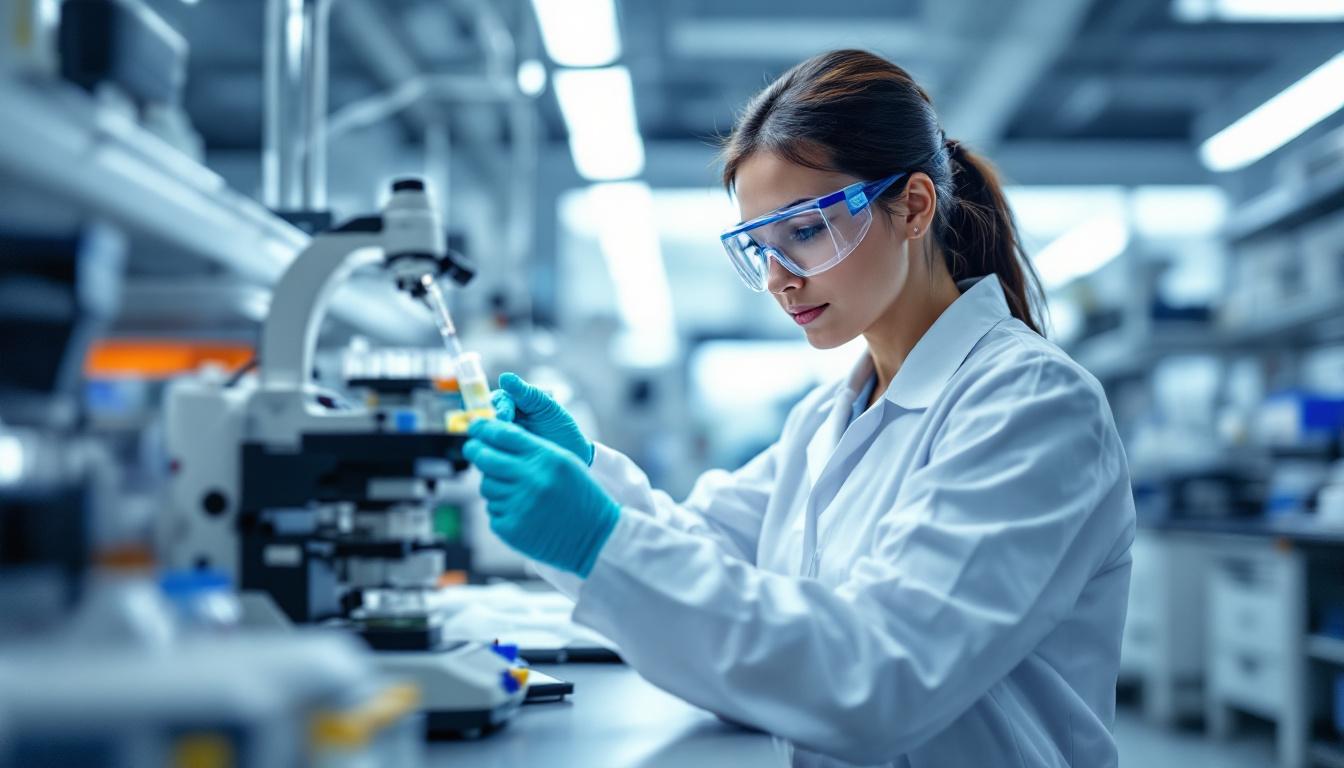
The curriculum gradually builds students' knowledge and skills from basic biology to applied biotechnology techniques. In the first years, students study foundational subjects such as cell biology, genetics, and chemistry. Later years focus on specialized topics like molecular biology, microbiology, and bioinformatics. Practical laboratory work is an important part of the program, allowing students to apply theoretical knowledge and develop technical skills.
- Early courses cover general biology, chemistry, and mathematics.
- Advanced classes include genetics, biotechnology methods, and laboratory techniques.
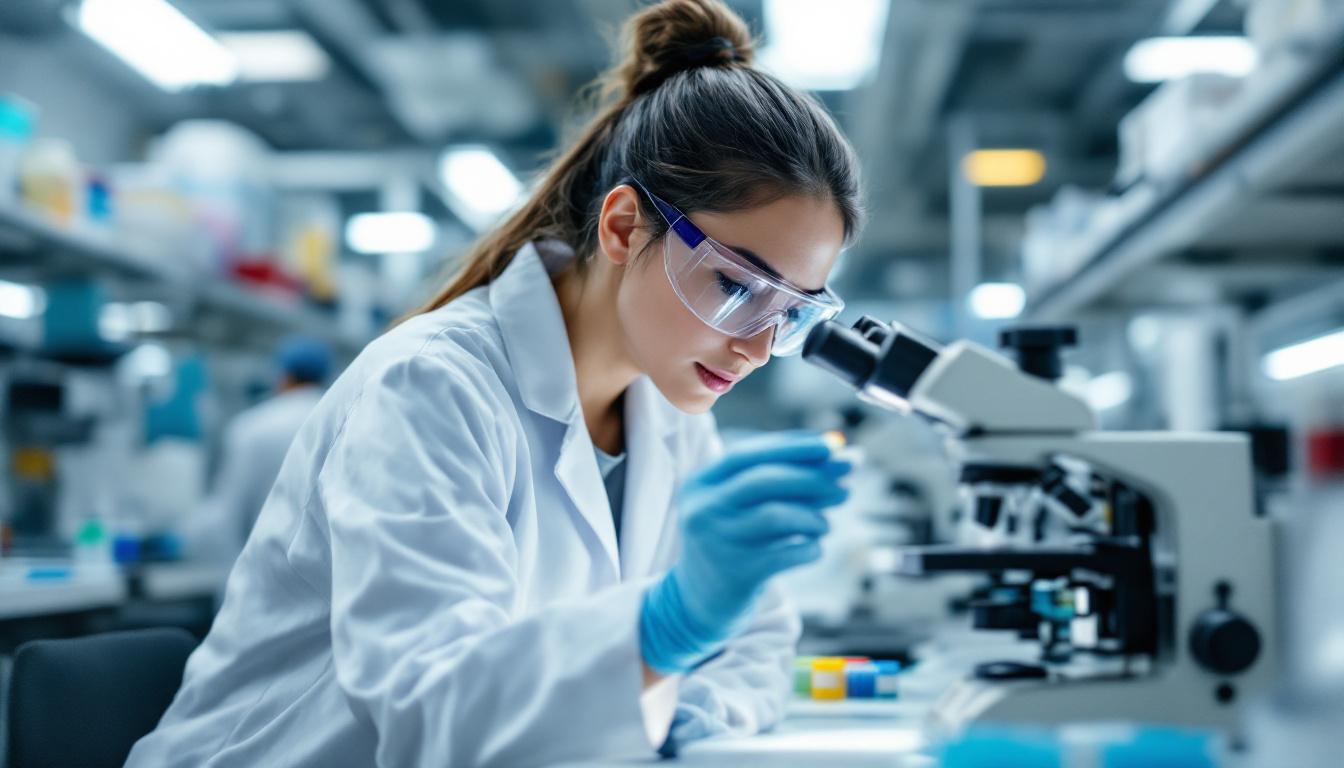
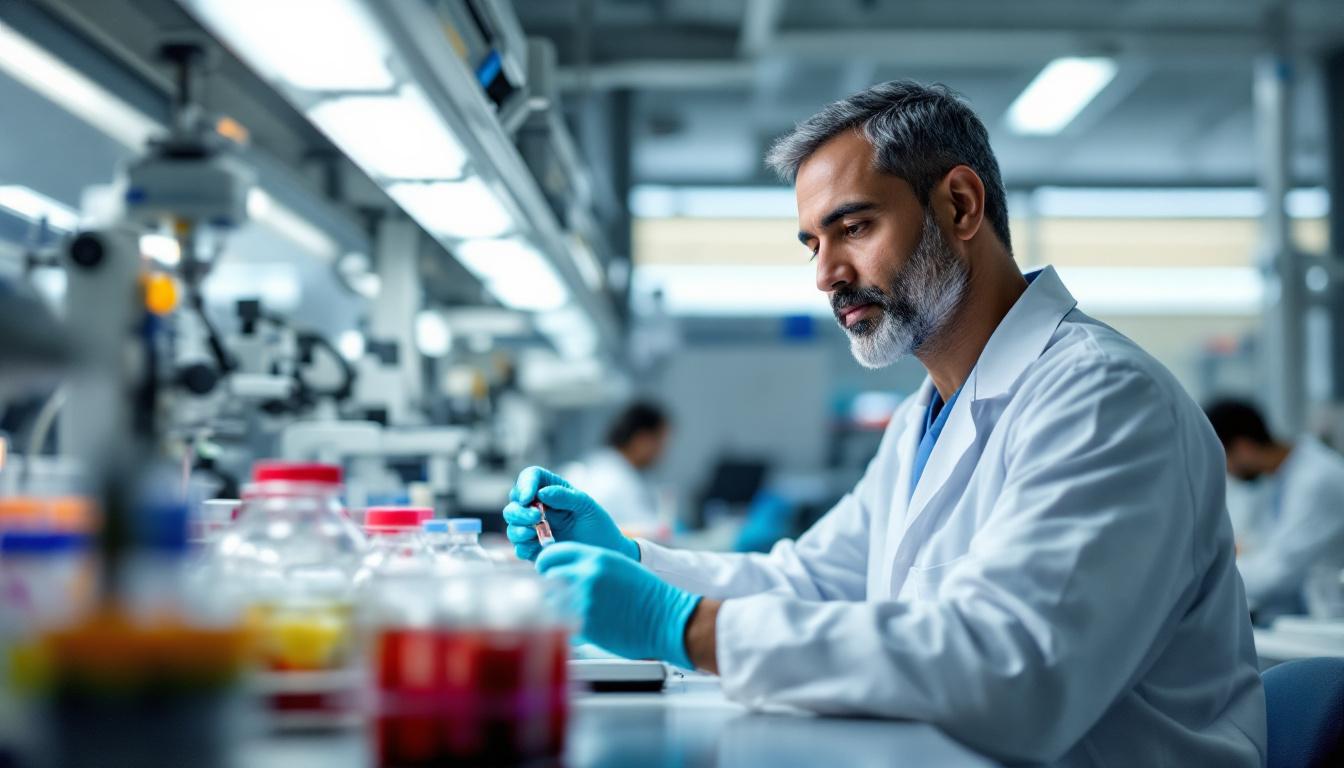
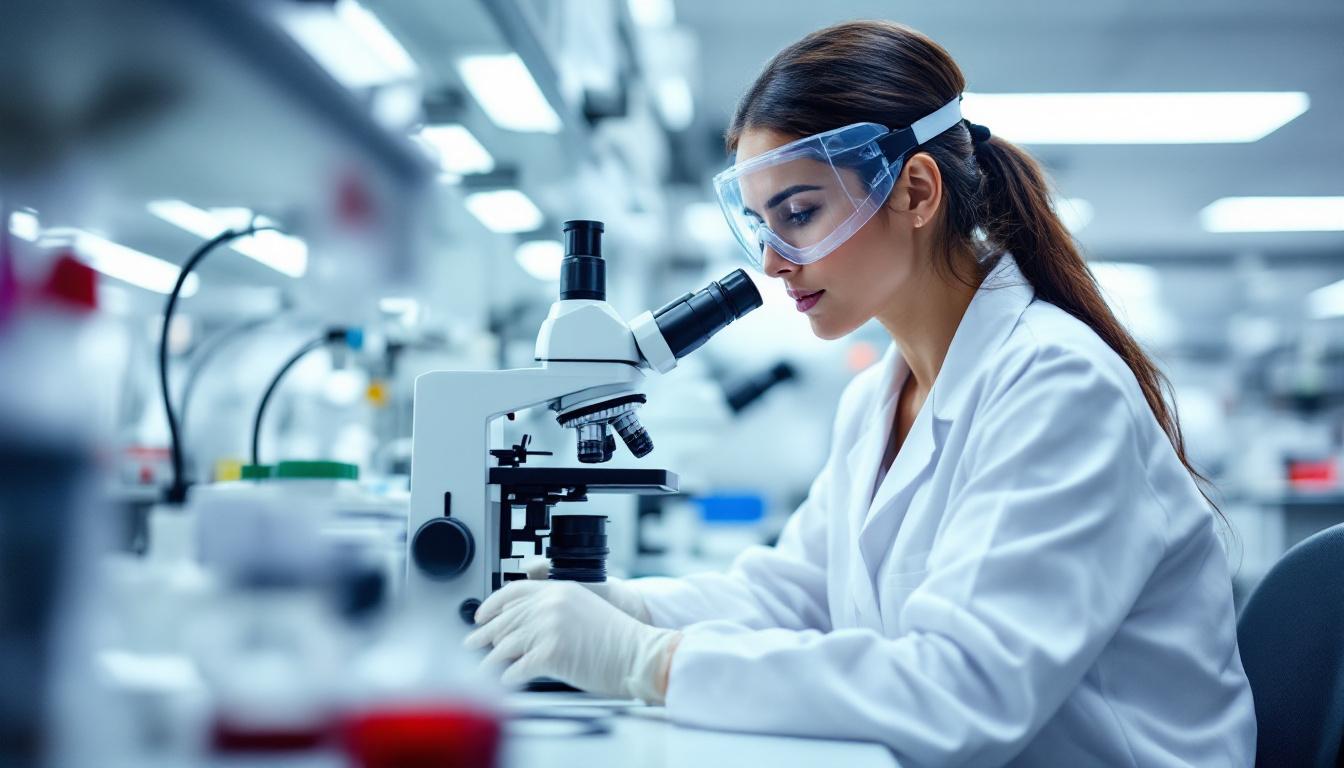
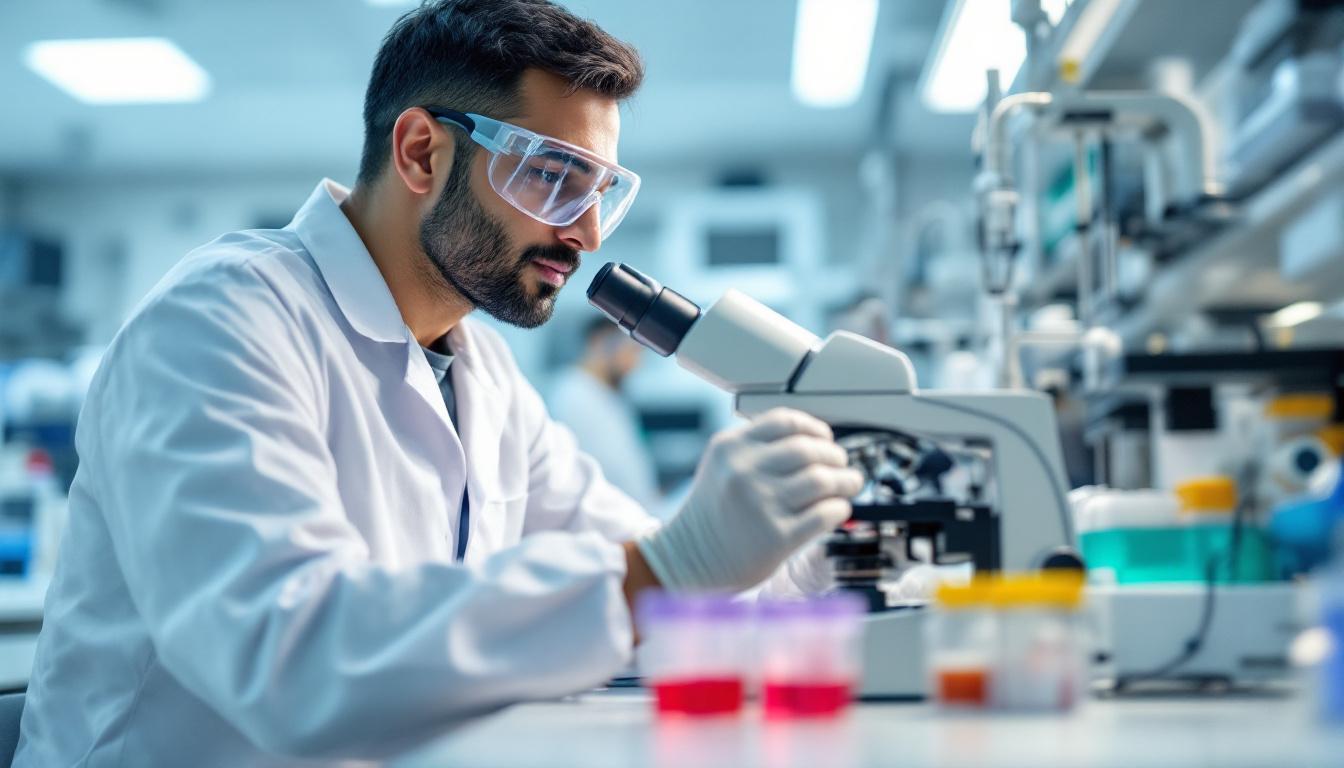
- Students participate in regular lab sessions to practice scientific protocols.
- Projects and research assignments help develop problem-solving and analytical skills.
- The program may include courses on bioethics and data analysis.
How to get in
Admission to this Bachelor's degree in the US generally requires a high school diploma or equivalent. Students apply through the university's standard admission process, which may include submitting transcripts, test scores, and personal statements. Universities look for candidates with a strong interest in science and good academic records, especially in biology and chemistry. Some programs may require standardized test scores like the SAT or ACT.
- Applicants must have completed high school with science coursework.
- The admission process involves submitting academic records and possibly test scores.
- Universities may consider motivation letters and extracurricular activities.
- Some programs have minimum grade requirements in science subjects.
- Students should demonstrate an interest in biological sciences and technology.
Day to day
The academic year typically combines lectures, laboratory sessions, and project work. Students attend classes several times a week and spend significant time in labs practicing techniques. Many programs encourage or require internships or practical experiences during summer breaks or final years to gain real-world exposure. Group projects and presentations are common to develop teamwork and communication skills.
- The weekly schedule includes lectures and lab work sessions.
- Students work on research projects and presentations.
- Internships or summer placements provide practical experience.
- Time management is important to balance theory and hands-on learning.
- Some programs may offer opportunities for part-time work or research assistantships.
Careers this degree leads to
Graduates can find jobs as biotechnology technicians, laboratory assistants, or research support staff in various sectors. Employers include pharmaceutical companies, healthcare institutions, environmental agencies, and food industries. The job market generally values practical skills and scientific knowledge, and entry-level positions are accessible with this degree. The pace of finding a job depends on individual efforts and local demand.
- Possible roles include biotechnology technician and laboratory assistant.
- Employment sectors include pharmaceuticals, healthcare, and environmental science.
- Some graduates work in quality control or research support.
- Entry-level jobs often require hands-on technical skills.
- The job search may involve internships and networking.
Continuing your studies
After completing this Bachelor's degree, students can continue their studies in graduate programs such as Master's degrees in biology, biotechnology, or related fields. Some may choose to specialize further or pursue professional degrees in healthcare or research. The degree also allows for reorientation toward other scientific or technical disciplines with additional coursework.
- Students can pursue a Master's degree in biological sciences or biotechnology.
- Professional programs in health sciences may be an option.
- Further studies help specialize in areas like genetics or bioinformatics.
- Reorientation to related fields is possible with supplementary courses.
Where to study this degree (118)





Liste des 118 établissements
- Laney CollegeOakland
- Westmoreland County Community CollegeYoungwood
- Jamestown Community CollegeJamestown
- Alcorn State UniversityAlcorn State
- Merrimack CollegeNorth Andover
- Pima Community CollegeTucson
- College of Saint MaryOmaha
- Ball State UniversityMuncie
- Johnson County Community CollegeOverland Park
- University of New HavenWest Haven
- Herkimer CollegeHerkimer
- Seminole State College of FloridaSanford
- Saint Louis UniversitySt Louis
- Austin Community CollegeAustin
- Middlesex Community CollegeBedford
- Montgomery CollegeRockville
- Shoreline Community CollegeShoreline
- Florida State College at JacksonvilleJacksonville
- Valencia CollegeOrlando
- Weber State UniversityOgden
- Pennsylvania State University-Main CampusUniversity Park
- St. Petersburg CollegeSt. Petersburg
- Quincy CollegeQuincy
- Bucks County Community CollegeNewtown
- Madison Area Technical CollegeMadison
- Fortis Institute-WayneWayne
- Davenport UniversityGrand Rapids
- Bluegrass Community and Technical CollegeLexington
- Collin CollegeMcKinney
- Montgomery County Community CollegeBlue Bell
- Lone Star CollegeThe Woodlands
- State College of Florida Manatee-SarasotaBradenton
- Hudson Valley Community CollegeTroy
- Salt Lake Community CollegeSalt Lake City
- Hillsborough Community CollegeTampa
- Saint Louis Community CollegeBridgeton
- Fox Valley Technical CollegeAppleton
- Northeast Wisconsin Technical CollegeGreen Bay
- Massachusetts Bay Community CollegeWellesley Hills
- Miami Dade CollegeMiami
- Frederick Community CollegeFrederick
- Bellevue CollegeBellevue
- Sinclair Community CollegeDayton
- Great Bay Community CollegePortsmouth
- Triton CollegeRiver Grove
- Athens Technical CollegeAthens
- Windward Community CollegeKaneohe
- Forsyth Technical Community CollegeWinston-Salem
- Blinn CollegeBrenham
- Del Mar CollegeCorpus Christi
- Northern Virginia Community CollegeAnnandale
- North Shore Community CollegeDanvers
- Lakeland Community CollegeKirtland
- Monroe Community CollegeRochester
- Atlanta Technical CollegeAtlanta
- Palm Beach State CollegeLake Worth
- Drexel UniversityPhiladelphia
- Harford Community CollegeBel Air
- SUNY CobleskillCobleskill
- Gwinnett Technical CollegeLawrenceville
- Finger Lakes Community CollegeCanandaigua
- Riverland Community CollegeAustin
- Delaware Technical Community College-TerryDover
- Des Moines Area Community CollegeAnkeny
- Camden County CollegeBlackwood
- Hagerstown Community CollegeHagerstown
- Central Georgia Technical CollegeWarner Robins
- Maricopa Community Colleges - Glendale Community CollegeGlendale
- Virginia Western Community CollegeRoanoke
- Wayne State CollegeWayne
- Pennsylvania State University-Penn State BerksReading
- Broward CollegeFort Lauderdale
- Lac Courte Oreilles Ojibwa Community CollegeHayward
- Niagara County Community CollegeSanborn
- Santa Fe CollegeGainesville
- SUNY Schenectady County Community CollegeSchenectady
- Roxbury Community CollegeRoxbury Crossing
- Cleveland State UniversityCleveland
- Tompkins Cortland Community CollegeDryden
- Mesa Community CollegeMesa
- Mayville State UniversityMayville
- Pennsylvania State University-Penn State AbingtonAbington
- Harry S Truman CollegeChicago
- Central Virginia Community CollegeLynchburg
- MiraCosta CollegeOceanside
- Manhattan Area Technical CollegeManhattan
- County College of MorrisRandolph
- SUNY ErieBuffalo
- Cecil CollegeNorth East
- Henry Ford CollegeDearborn
- Blackhawk Technical CollegeJanesville
- Columbus Technical CollegeColumbus
- Stark State CollegeNorth Canton
- Cloud County Community CollegeConcordia
- Temple CollegeTemple
- Houston Community College SystemHouston
- Minnesota West Community & Technical CollegeGranite Falls
- El Centro CollegeDallas
- Case Western Reserve UniversityCleveland
- College of Western IdahoNampa
- Waubonsee Community CollegeSugar Grove
- Central Arizona CollegeCoolidge
- Thiel CollegeGreenville
- Bates Technical CollegeTacoma
- Skyline CollegeSan Bruno
- Beal CollegeBangor
- Brigham Young University–HawaiiLaie
- Cape Cod Community CollegeWest Barnstable
- Kennebec Valley Community CollegeFairfield
- Delaware State UniversityDover
- Genesee Community CollegeBatavia
- Northwest Vista CollegeSan Antonio
- Cisco CollegeCisco
- Butler Community CollegeEl Dorado
- Indian Hills Community CollegeOttumwa
- Ursuline CollegePepper Pike
- Keiser UniversityFort Lauderdale
- Pennsylvania Western UniversityCalifornia
Frequently asked questions
What kind of jobs can I get with this degree?
Graduates can work as biotechnology technicians, lab assistants, or in research support roles in industries like pharmaceuticals, healthcare, and environmental science.
Is practical lab work a big part of the program?
Yes, the program includes many laboratory sessions where students learn and practice scientific techniques essential for biotechnology.
Can I continue my studies after this degree?
You can pursue graduate studies such as a Master's degree in biology or biotechnology, or professional programs in related fields.
What are the admission requirements?
Admission generally requires a high school diploma with strong science courses, and may involve submitting academic records and test scores.
Is there an option for work-study or apprenticeships?
Typically, this degree does not include formal alternance or work-study programs, but internships or summer placements are common.
What skills will I develop during the degree?
You will gain skills in biological concepts, laboratory techniques, data analysis, scientific communication, and teamwork.
How selective is admission to this program?
Admission is selective, with universities looking for students who have strong academic backgrounds and interest in science.
What sectors hire graduates from this degree?
Graduates find opportunities in pharmaceutical companies, healthcare labs, environmental agencies, food industries, and biotech firms.
