Bachelor's Degree in Botany/Plant Biology
This 4-year Bachelor's Degree in Botany/Plant Biology teaches plant science fundamentals and prepares students for careers in research, conservation, and environmental management.
About
This Bachelor's Degree in Botany/Plant Biology is a university-level program in the United States lasting four years. It is designed for students interested in understanding plants, their biology, and their role in ecosystems. The degree suits those who enjoy science, nature, and laboratory work. Graduates can pursue careers in plant research, environmental conservation, agriculture, or education.
- The program covers plant structure, physiology, genetics, and ecology.
- It is intended for students with a high school diploma aiming for scientific studies.
- Completing this degree opens doors to jobs in research labs, botanical gardens, or environmental agencies.
- Students develop skills in scientific analysis, fieldwork, and laboratory techniques.
- The degree also provides a foundation for graduate studies in biology or environmental sciences.
What you study
The curriculum is structured progressively over four years, combining theory and practice. Early years focus on basic biology and chemistry, while later years delve into specialized plant biology topics. Practical work is an essential part of the program.
- Students study plant anatomy, physiology, and genetics in depth.
- Courses include ecology and environmental science to understand plants in their habitats.
- Laboratory sessions teach microscopy and experimental methods.
- Field trips provide hands-on experience in identifying and studying plants in nature.
- Advanced classes cover plant taxonomy and biotechnology.
- Students often complete research projects or internships to apply their knowledge.
How to get in
Admission to this Bachelor's program requires a high school diploma or equivalent. The process involves submitting academic records and sometimes standardized test scores. Universities in the US have varying admission criteria but generally look for motivated students with a science background.
- Applicants must have completed high school with courses in biology and chemistry.
- Standardized tests like the SAT or ACT may be required by some institutions.
- Strong interest in science and nature is important for success.
- Some universities may ask for letters of recommendation or personal statements.
- Admission is generally selective, depending on the university.
Day to day
The academic year combines lectures, labs, and fieldwork. Students spend time both in classrooms and outdoors studying plants. Internships or research projects are encouraged to gain practical experience.
- A typical week includes lectures on plant science and laboratory sessions to practice techniques.
- Field trips allow direct observation of plant species and ecosystems.
- Students may participate in summer internships at research centers or botanical gardens.
- Group projects and presentations develop teamwork and communication skills.
- Some universities offer opportunities for part-time research assistantships.
Careers this degree leads to
Graduates can work in various fields related to plants and the environment. The job market includes research, conservation, agriculture, and education. Employment is generally accessible but may require further specialization for some positions.
- Possible careers include plant biologist, environmental consultant, and botanist.
- Jobs exist in research institutions, government agencies, and non-profit organizations.
- Agricultural companies may hire graduates for crop research and development.
- Some graduates work in environmental education or public outreach.
- Employment often involves fieldwork, laboratory analysis, or data interpretation.






Careers after further study
These careers require a higher level of study than this degree.





Continuing your studies
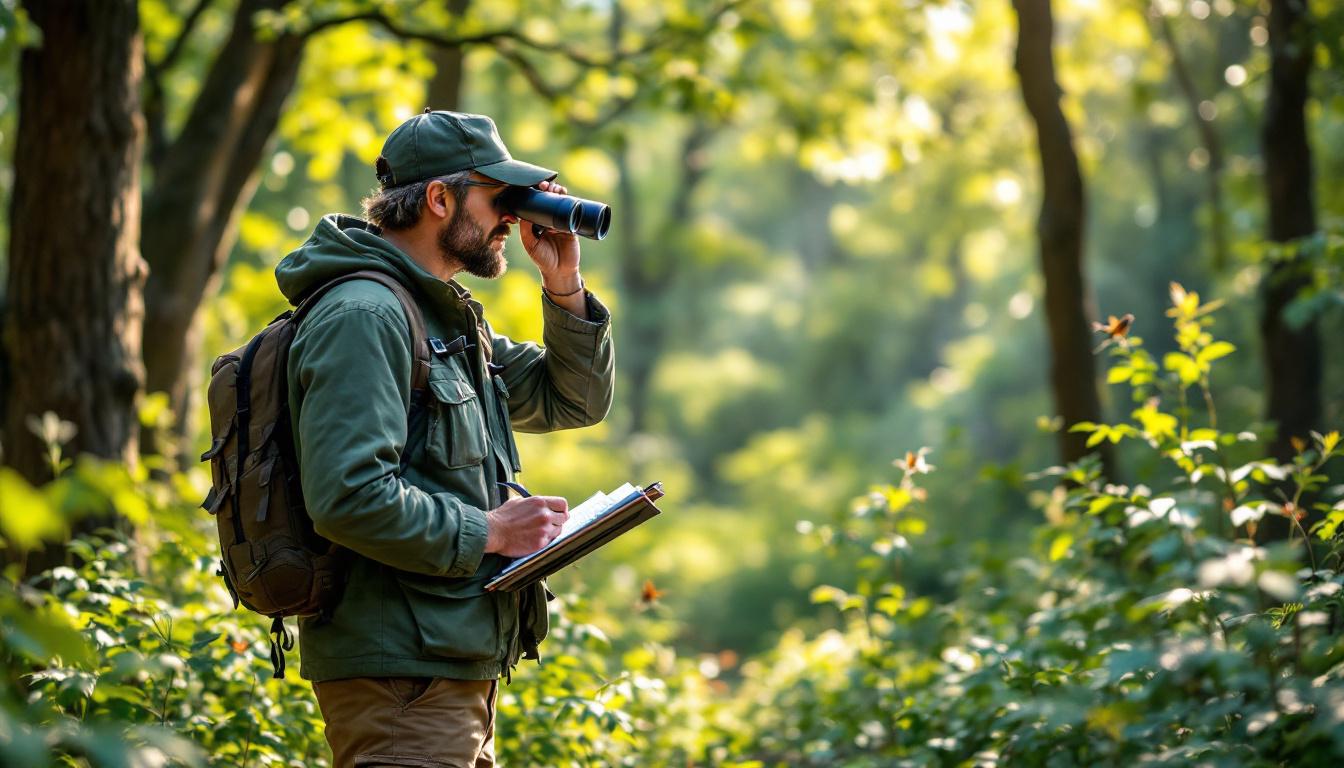
After earning this Bachelor's degree, students can continue their studies in graduate programs. Options include master's degrees or PhDs in plant biology or related fields. These further studies allow specialization and open more career opportunities.
- Graduate studies in botany or plant sciences are common next steps.
- Students may also pursue degrees in environmental science or agriculture.
- Some choose to specialize in plant genetics or ecology through advanced programs.
- Graduate education often includes research projects and thesis work.
Where to study this degree (88)






Liste des 88 établissements
- San Francisco State UniversitySan Francisco
- California State University, ChicoChico
- University of Hawaii at HiloHilo
- University of New HampshireDurham
- Virginia TechBlacksburg
- California State University, FullertonFullerton
- North Dakota State UniversityFargo
- Oregon State UniversityCorvallis
- North Carolina State UniversityRaleigh
- Cal Poly HumboldtArcata
- Mississippi State UniversityStarkville
- Ohio University LancasterAthens
- University of California-BerkeleyBerkeley
- University of Wisconsin–MadisonMadison
- Miami University-OxfordOxford
- Northwestern UniversityEvanston
- University of Minnesota-Twin CitiesMinneapolis
- University of FloridaGainesville
- University of Hawaiʻi at MānoaHonolulu
- University of GeorgiaAthens
- University of California, RiversideRiverside
- University of California-DavisDavis
- Purdue University West LafayetteWest Lafayette
- University of Washington-Seattle CampusSeattle
- University of Nebraska–LincolnLincoln
- University of MaineOrono
- Rutgers University-New BrunswickNew Brunswick
- Texas A & M University-College StationCollege Station
- University of VermontBurlington
- Michigan State UniversityEast Lansing
- Utah Valley UniversityOrem
- Connecticut CollegeNew London
- Washington University in St LouisSaint Louis
- Cornell UniversityIthaca
- Washington State UniversityPullman
- Oklahoma State University-Main CampusStillwater
- Kent State University at KentKent
- Iowa State UniversityAmes
- Ohio State University-Main CampusColumbus
- Southern Illinois University CarbondaleCarbondale
- University of OklahomaNorman
- New Mexico State UniversityLas Cruces
- University of Illinois Urbana-ChampaignUrbana
- University of Michigan-Ann ArborAnn Arbor
- Louisiana State University and Agricultural & Mechanical CollegeBaton Rouge
- Pennsylvania State University-Main CampusUniversity Park
- Weber State UniversityOgden
- University of Massachusetts-AmherstAmherst
- Kansas State UniversityManhattan
- Ohio Wesleyan UniversityDelaware
- University of WyomingLaramie
- The University of Texas at AustinAustin
- University of KentuckyLexington
- Alamance Community CollegeGraham
- Claremont Graduate UniversityClaremont
- Brigham Young UniversityProvo
- University of ArizonaTucson
- Oregon State University CascadesBend
- Montana State UniversityBozeman
- University of Missouri–St. LouisSaint Louis
- University of ArkansasFayetteville
- Arizona State University Campus ImmersionTempe
- Ohio University ChillicotheChillicothe
- South Dakota State UniversityBrookings
- Ohio University-Eastern CampusSaint Clairsville
- Ohio University-Lancaster CampusLancaster
- Ohio University ZanesvilleZanesville
- Union UniversityJackson
- Hampshire CollegeAmherst
- The University of MontanaMissoula
- North Idaho CollegeCoeur d'Alene
- Western New Mexico UniversitySilver City
- Utah State UniversityLogan
- California State Polytechnic UniversityPomona
- Central Washington UniversityEllensburg
- University of California-IrvineIrvine
- Ohio University SouthernIronton
- Colorado State University-Fort CollinsFort Collins
- Frostburg State UniversityFrostburg
- Western Washington UniversityBellingham
- University of IdahoMoscow
- Idaho State UniversityPocatello
- Snow CollegeEphraim
- Southern Oregon UniversityAshland
- University of KansasLawrence
- Cerritos CollegeNorwalk
- Bennington CollegeBennington
- University of Nevada, Las VegasLas Vegas
Frequently asked questions
What kind of jobs can I get with this degree?
Graduates can work as plant biologists, environmental consultants, or researchers. Jobs are available in research labs, conservation organizations, and agriculture.
Do I need prior knowledge in science to apply?
Yes, a background in biology and chemistry from high school is important to succeed in this program.
Is practical work part of the studies?
Yes, the program includes laboratory sessions and field trips to study plants directly.
Can I continue studying after this degree?
Yes, many students pursue master's or doctoral degrees to specialize further in plant sciences.
Is this degree offered at many universities?
Several universities in the US offer botany or plant biology degrees, but admission requirements can vary.
Are internships included in the program?
Internships or research projects are often encouraged to gain practical experience in real work environments.
Is this degree suitable if I want to work outdoors?
Yes, many activities involve fieldwork in natural environments, which suits students who enjoy working outdoors.
Is the program very competitive to get into?
Admission is selective depending on the university, so good academic records and motivation help.