Associate Degree in Wildlife and Wildlands Science and Management
This two-year Associate Degree in Wildlife and Wildlands Science and Management teaches skills to manage and protect natural habitats and wildlife, preparing students for entry-level roles in environmental fields.
About
The Associate Degree in Wildlife and Wildlands Science and Management is a two-year program offered in the United States. It is designed for students interested in studying natural ecosystems, wildlife biology, and resource management. This diploma is suitable for those who want to start a career in environmental conservation or land management without pursuing a full four-year degree. The program provides foundational knowledge and practical skills to work in roles related to wildlife protection, habitat restoration, and natural resource monitoring. Graduates can find opportunities in government agencies, conservation organizations, and private companies focused on environmental stewardship.
- The degree is completed in two years at community colleges or technical institutions.
- It targets students who have completed high school and want a specialized education in wildlife science.
- The curriculum balances science and management aspects of natural resource protection.
- It prepares students for entry-level jobs in environmental and conservation sectors.
- The program is practical and often includes fieldwork to apply classroom knowledge.
What you study
The curriculum covers a range of subjects related to wildlife and land management, with increasing complexity over the two years. Students start with basic biology and ecology, then move to specialized topics. Practical learning is an important part of the program, often involving outdoor activities and labs.
- First-year courses include general biology, ecology, and environmental science.
- Second-year classes focus on wildlife management, habitat restoration, and natural resource laws.
- Students learn to use GIS mapping and data collection techniques.
- Fieldwork and labs provide hands-on experience in monitoring wildlife and habitats.
- The program may include a capstone project or internship to apply skills in real settings.
How to get in
Admission to this associate degree generally requires a high school diploma or equivalent. The process is straightforward and designed to welcome students with an interest in environmental sciences. Community colleges in the US typically have open admissions, allowing many students to enroll.
- High school completion or GED is required.
- Students may need to submit transcripts and possibly take placement tests.
- The program suits those interested in biology, ecology, or outdoor work.
- Prior experience is not mandatory but can be helpful.
- Applicants should be motivated to work in environmental fields and comfortable with field activities.
Day to day
The academic year involves a mix of classroom learning, labs, and fieldwork. Students attend lectures and participate in practical sessions that often take place outdoors. Some programs offer internships or cooperative education opportunities.
- The schedule includes lectures, labs, and field trips to natural sites.
- Students may complete a summer internship to gain work experience.
- Workload varies but includes regular assignments and projects.
- Some colleges offer part-time or evening classes to accommodate different schedules.
- Hands-on activities help students understand real-world environmental challenges.
Careers this degree leads to
Graduates can find jobs in various environmental and conservation sectors. The degree prepares students for roles that support wildlife protection and land management. Employment is often with government agencies, non-profits, or environmental consulting firms.
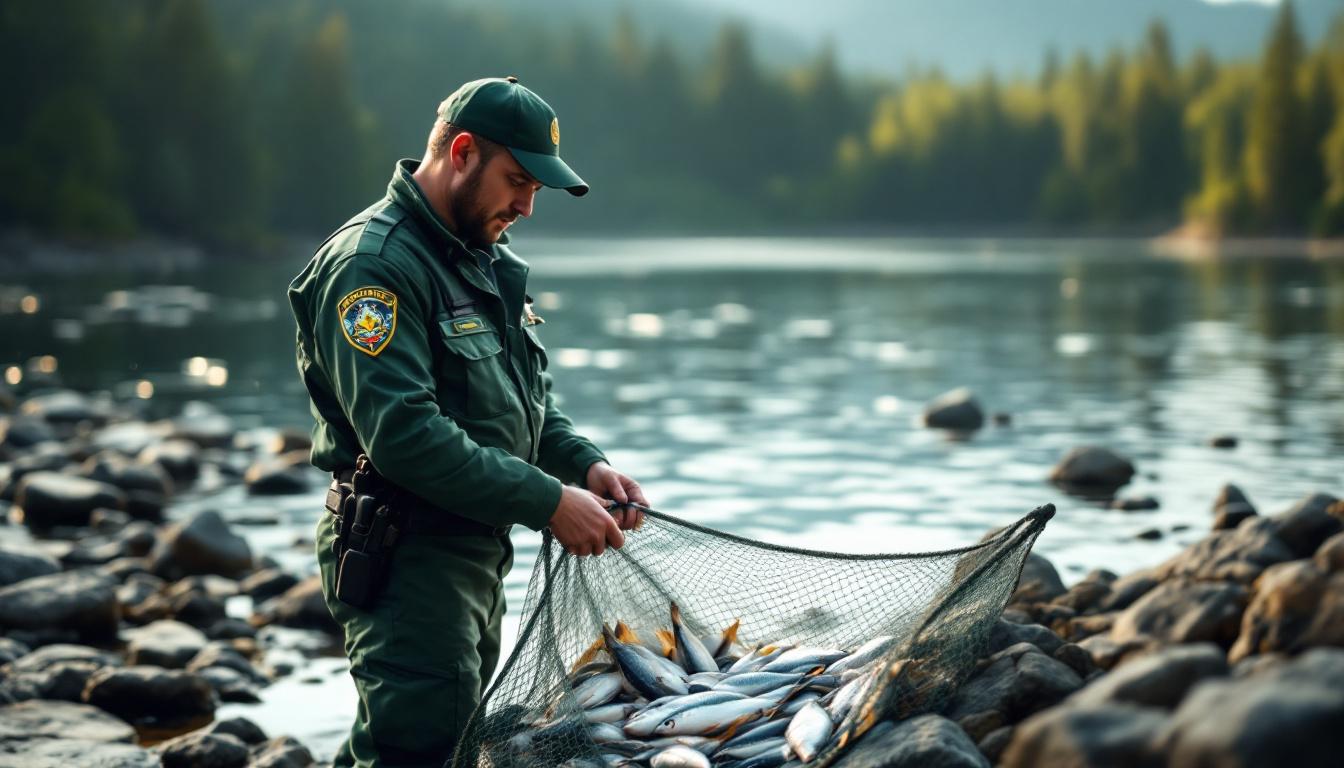
- Common jobs include wildlife technician, conservation assistant, and park ranger.
- Positions often involve field data collection and habitat monitoring.
- The degree supports work in state and federal agencies managing natural resources.
- Employment opportunities depend on local environmental priorities and funding.
- The job market requires flexibility and willingness to work outdoors.
Continuing your studies
After completing the associate degree, students can continue their studies to deepen their expertise. Many transfer to four-year universities to pursue bachelor's degrees in related fields. This pathway allows access to more advanced roles and research opportunities.
- Students can transfer credits to a bachelor's degree in wildlife biology or environmental science.
- Some may choose specialized programs in natural resource management or forestry.
- Further education opens doors to research, teaching, or higher-level management jobs.
- Reorientation to related fields like ecology or environmental policy is possible.
Where to study this degree (103)




















Liste des 103 établissements
- Mississippi Gulf Coast Community CollegePerkinston
- Abraham Baldwin Agricultural CollegeTifton
- Lincoln Memorial UniversityHarrogate
- Paris Junior CollegeParis
- Cal Poly HumboldtArcata
- University of Wisconsin–Stevens PointStevens Point
- University of California-DavisDavis
- Tarleton State UniversityStephenville
- Virginia TechBlacksburg
- Front Range Community CollegeWestminster
- Michigan State UniversityEast Lansing
- West Virginia UniversityMorgantown
- The University of MontanaMissoula
- Mississippi State UniversityStarkville
- University of Rhode IslandKingston
- University of FloridaGainesville
- Clemson UniversityClemson
- Delaware Valley CollegeDoylestown
- Auburn UniversityAuburn
- Hocking CollegeNelsonville
- University of Nevada, RenoReno
- University of GeorgiaAthens
- Oregon State UniversityCorvallis
- Tennessee Technological UniversityCookeville
- University of MaineOrono
- South Dakota State UniversityBrookings
- University of Tennessee at KnoxvilleKnoxville
- University of DelawareNewark
- Murray State UniversityMurray
- University of New HampshireDurham
- Northern Arizona UniversityFlagstaff
- Bemidji State UniversityBemidji
- Texas A&M University – KingsvilleKingsville
- SUNY CobleskillCobleskill
- New Mexico State UniversityLas Cruces
- Missouri Western State UniversitySaint Joseph
- Otterbein UniversityWesterville
- University of IdahoMoscow
- American Public University SystemCharles Town
- Missouri State UniversitySpringfield
- University of Wisconsin–MadisonMadison
- Paul Smith's CollegePaul Smiths
- Texas Tech UniversityLubbock
- Finger Lakes Community CollegeCanandaigua
- Michigan Technological UniversityHoughton
- East Texas A&M UniversityCommerce
- Brigham Young University - IdahoRexburg
- Hibbing Community CollegeHibbing
- Southwest Texas Junior CollegeUvalde
- University of Alaska FairbanksFairbanks
- Haywood Community CollegeClyde
- Pennsylvania State University-Penn State DuBoisDuBois
- Pennsylvania Western UniversityCalifornia
- Valley City State UniversityValley City
- Unity CollegeNew Gloucester
- Garrett CollegeMcHenry
- University of ArizonaTucson
- Arkansas State UniversityJonesboro
- Arkansas Tech UniversityRussellville
- Eastern Kentucky UniversityRichmond
- Montana State UniversityBozeman
- Western New Mexico UniversitySilver City
- Zane State CollegeZanesville
- Oregon Coast Community CollegeNewport
- University of Puerto Rico-HumacaoHumacao
- Florida Keys Community CollegeKey West
- Frostburg State UniversityFrostburg
- McNeese State UniversityLake Charles
- College of the OzarksPoint Lookout
- Juniata CollegeHuntingdon
- Spokane Community CollegeSpokane
- Northwest Missouri State UniversityMaryville
- Sul Ross State UniversityAlpine
- Casper CollegeCasper
- Brigham Young UniversityProvo
- Butte CollegeOroville
- Treasure Valley Community CollegeOntario
- Stephen F. Austin State UniversityNacogdoches
- Southeastern Illinois CollegeHarrisburg
- East Mississippi Community CollegeScooba
- Linn Benton Community CollegeAlbany
- University of Alaska SoutheastJuneau
- Eastern New Mexico UniversityPortales
- Arizona State University Campus ImmersionTempe
- Iowa State UniversityAmes
- Salish Kootenai CollegePablo
- Dakota Wesleyan UniversityMitchell
- Dakota College at BottineauBottineau
- Eastern Wyoming CollegeTorrington
- Shawnee Community CollegeUllin
- Oregon State University CascadesBend
- Utah State UniversityLogan
- Friends UniversityWichita
- South Plains CollegeLevelland
- Austin Community CollegeAustin
- University of Washington-Seattle CampusSeattle
- Holmes Community CollegeGoodman
- Southern Arkansas University TechCamden
- Texas A & M University-College StationCollege Station
- Miles Community CollegeMiles City
- University of California-BerkeleyBerkeley
- Washington State UniversityPullman
- Snow CollegeEphraim
Frequently asked questions
What kind of jobs can I get with this degree?
You can work in roles such as wildlife technician, conservation assistant, or park ranger. These jobs involve protecting wildlife and managing natural habitats.
Is fieldwork a big part of the program?
Yes, practical fieldwork is important. You will spend time outdoors learning how to monitor wildlife and manage habitats.
Can I continue my studies after this degree?
Yes, many students transfer to four-year universities to pursue bachelor's degrees in related environmental fields.
Do I need prior experience in biology to apply?
No prior experience is required, but an interest in biology and nature is helpful for success in the program.
Are internships part of the program?
Some programs include internships or practical projects to help you gain real-world experience.
Is this degree recognized across the US?
Yes, associate degrees from accredited community colleges are recognized nationwide and can help you start a career or continue studies.
What skills will I develop?
You will learn skills like ecological data collection, GIS mapping, habitat management, and understanding environmental laws.
Is this degree selective to get into?
The program is generally not very selective and is accessible to students who have completed high school.
