
Associate Degree in Forestry
The Associate Degree in Forestry is a two-year program in the US that teaches forest management and conservation, preparing students for entry-level roles in environmental and natural resource fields.
About
The Associate Degree in Forestry is a two-year short cycle degree offered in the United States. It is designed for students interested in working with forest ecosystems, natural resource management, and environmental conservation. This diploma provides foundational knowledge and practical skills related to forestry, including understanding forest ecology, managing forest resources, and applying conservation techniques.
- This degree is suitable for students who enjoy outdoor work and are interested in environmental sciences.
- It prepares graduates for technical roles in forestry, conservation agencies, and related sectors.
- The program can also serve as a stepping stone for further studies in environmental science or natural resource management.
- Students learn both scientific concepts and practical methods to manage forests sustainably.
- The diploma is recognized as an EQF level 5 qualification, corresponding to a short-cycle higher education degree.
What you study
The curriculum of the Associate Degree in Forestry covers a mix of theoretical and practical subjects over two years. The first year focuses on basic sciences and introductory forestry topics, while the second year deepens technical knowledge and field skills.
- Courses include forest ecology, soil science, and forest management principles.
- Students study wildlife habitat and environmental conservation techniques.
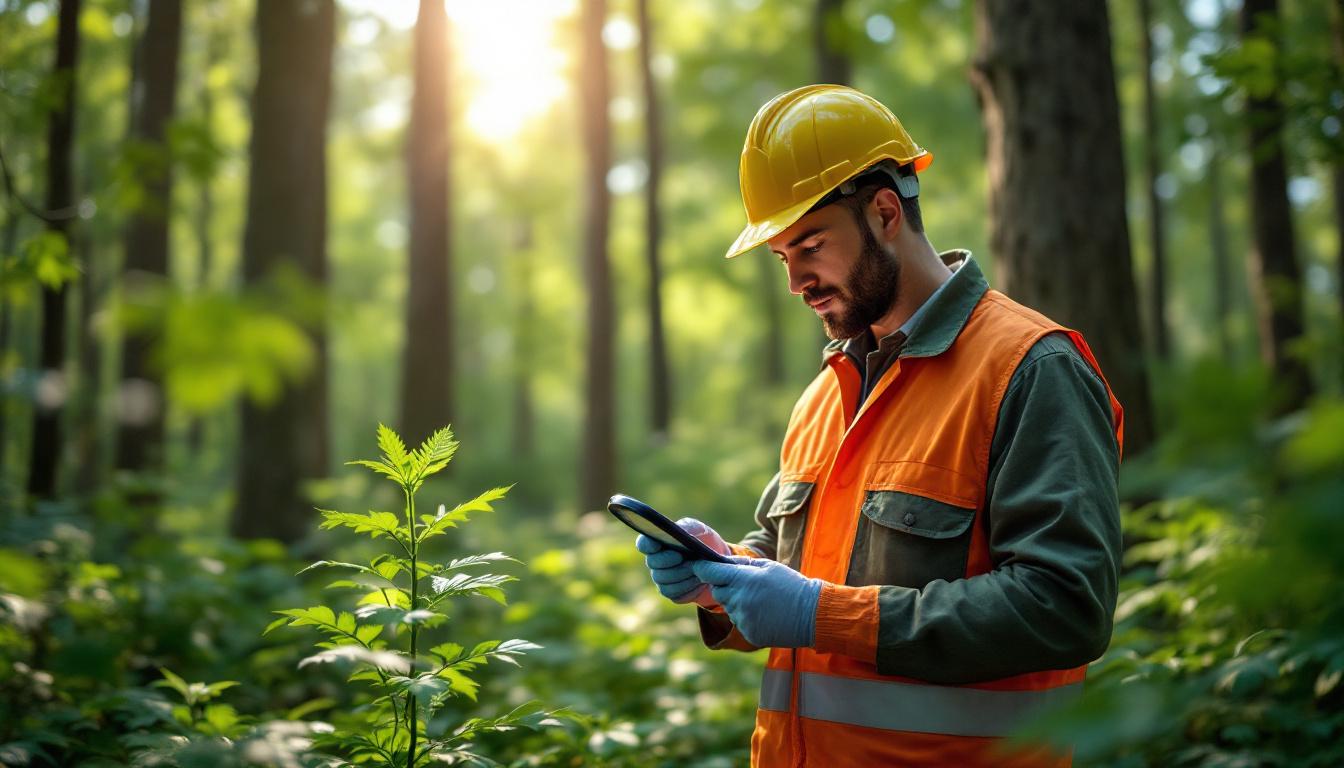
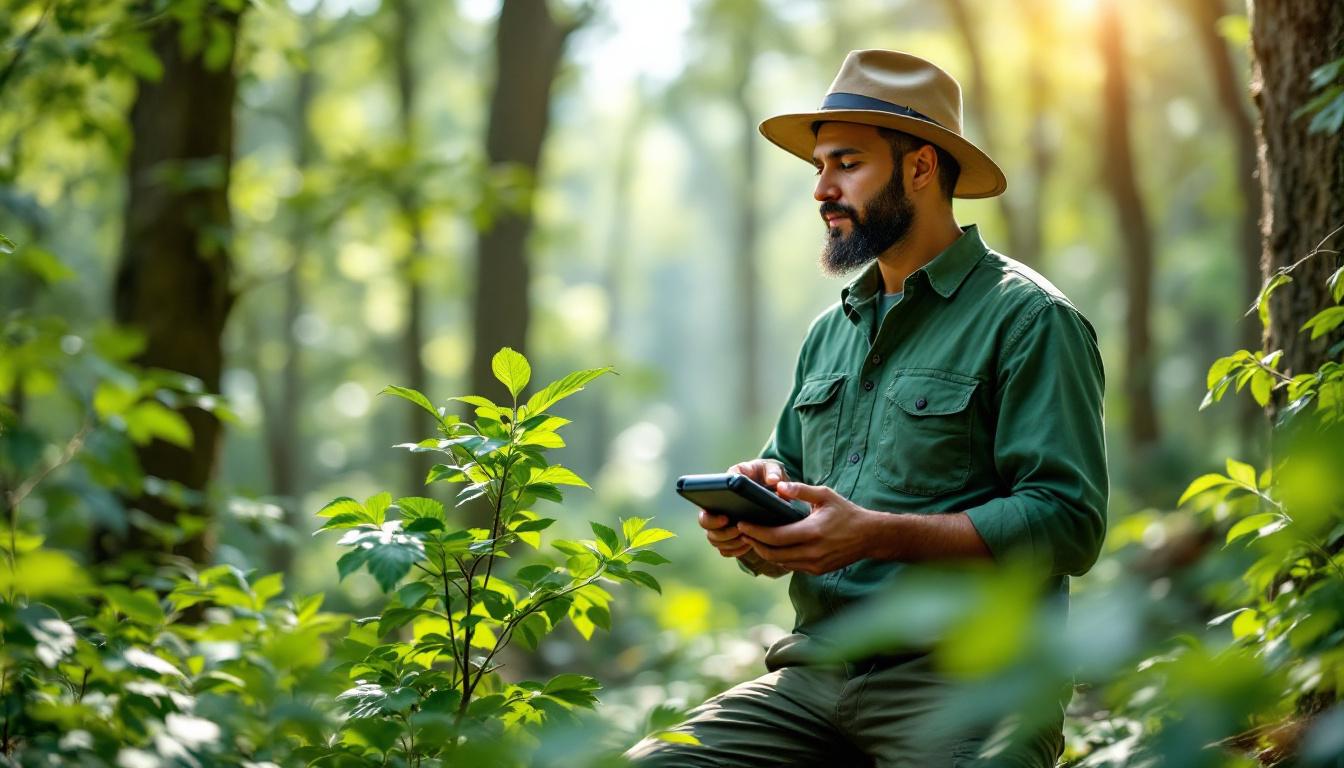
- Practical work involves field trips to forests and hands-on training in data collection and forest measurement.
- Use of GIS (Geographic Information Systems) and other technology tools is introduced for mapping and analysis.
- The program progressively builds skills in assessing forest health and planning sustainable resource use.
- Some courses may include project work or group assignments to develop teamwork and problem-solving abilities.
How to get in
Admission to the Associate Degree in Forestry in the US typically requires a high school diploma or equivalent. The process is generally straightforward, with most community colleges or technical schools offering this program.
- Applicants must provide high school transcripts showing completion of secondary education.
- Some schools may require placement tests in math and English to assess readiness.
- The program is open to students with an interest in science and nature, without highly selective criteria.
- Prospective students should be prepared for both classroom learning and outdoor activities.
- Admission procedures vary by institution but usually involve an application form and possibly an interview or orientation session.
Day to day
A typical academic year in the Associate Degree in Forestry balances classroom lessons with practical experiences. Students often spend time both indoors and outdoors to apply what they learn.
- The schedule includes lectures, laboratory sessions, and fieldwork in local forests or parks.
- Students may participate in internships or summer jobs with forestry services or environmental organizations.
- Group projects and presentations are common to develop communication skills.
- The program usually follows a semester system, with exams and assessments at the end of each term.
- While formal alternance (work-study) programs are not widespread, some institutions may offer cooperative education opportunities.
Careers this degree leads to
Graduates with an Associate Degree in Forestry can find employment in various entry-level roles related to forest and natural resource management. The job market includes public agencies and private companies.
- Common positions include forest technician, conservation assistant, and wildlife technician.
- Employers range from government forestry departments to environmental consulting firms.
- The degree supports work in sectors focused on natural resource conservation and environmental protection.
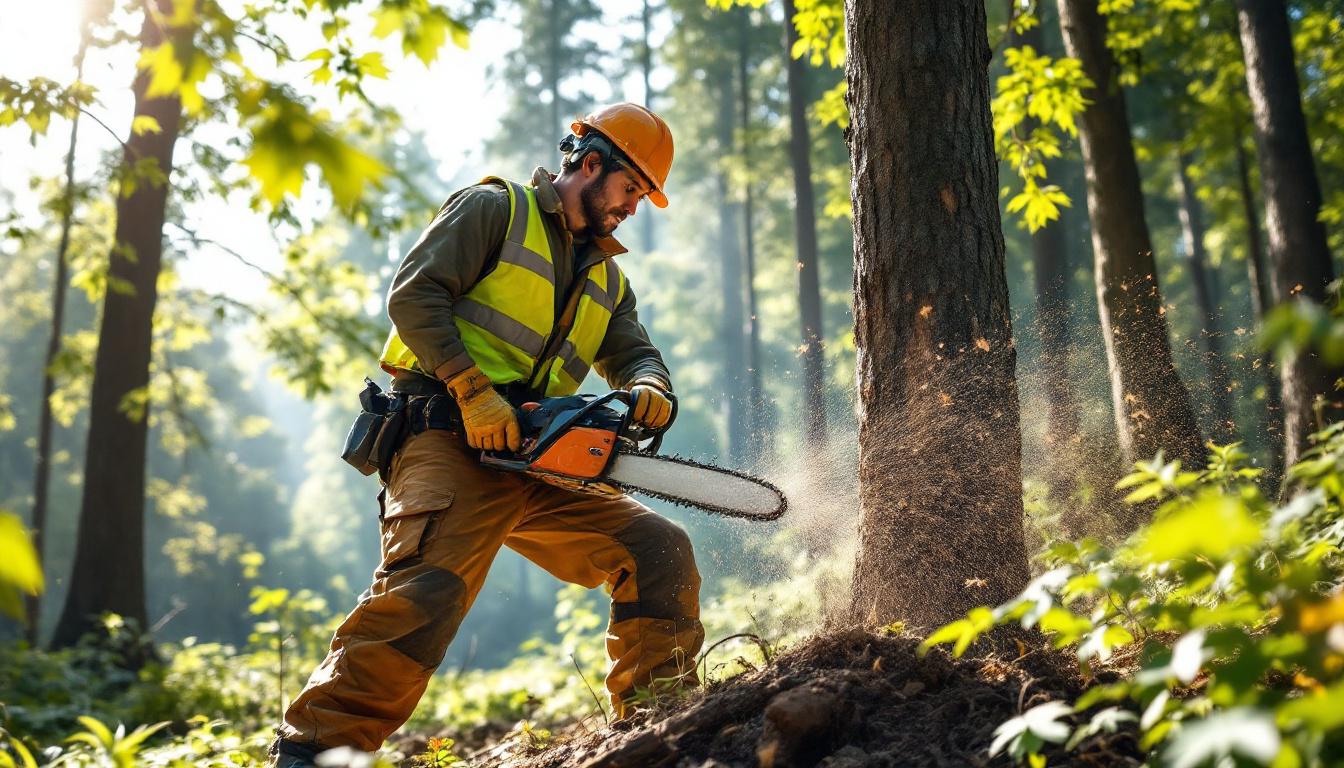
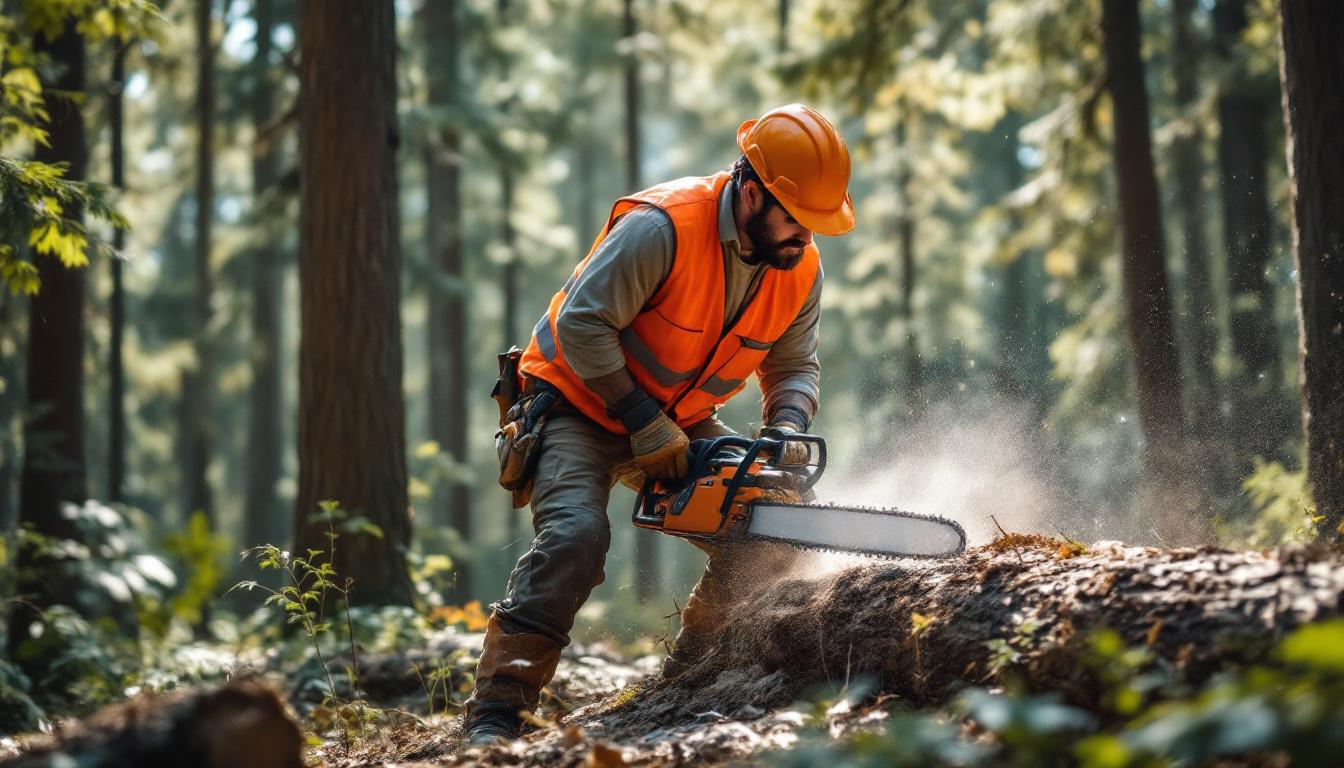
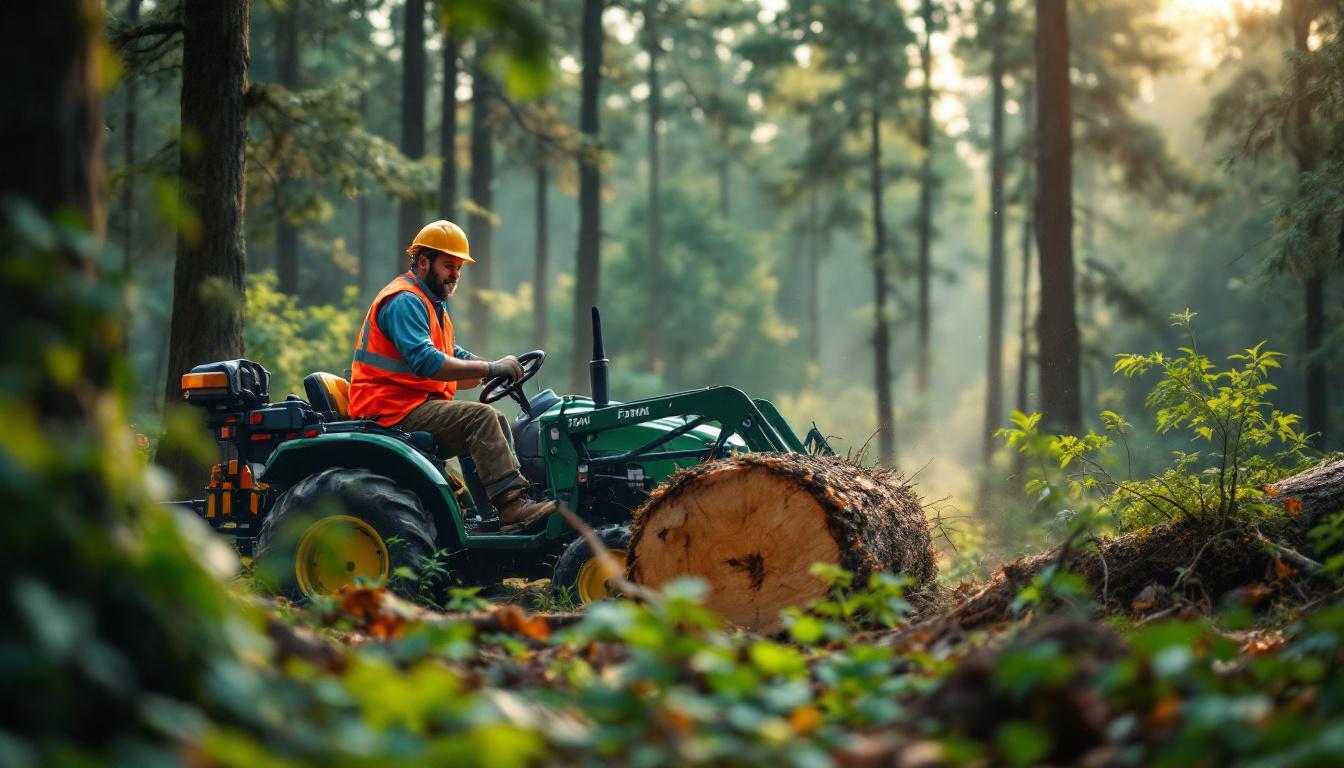
- Employment opportunities often involve outdoor work and field data collection.
- The insertion into the workforce is generally smooth for motivated graduates, especially those with practical experience.
Continuing your studies
After completing the Associate Degree in Forestry, students can continue their studies to deepen their knowledge or specialize further. This degree serves as a foundation for several pathways.
- Many graduates pursue a bachelor's degree in forestry, environmental science, or natural resource management.
- Some may choose technical certifications or specialized training in areas like GIS or wildlife management.
- Transfers to four-year colleges are common, with credits often recognized.
- Reorientation towards related fields such as agriculture or environmental policy is also possible.
Where to study this degree (71)




















Liste des 71 établissements
- West Virginia UniversityMorgantown
- Abraham Baldwin Agricultural CollegeTifton
- Pennsylvania College of TechnologyWilliamsport
- Green River Community CollegeAuburn
- Horry-Georgetown Technical CollegeConway
- Citrus CollegeGlendora
- SUNY College of Environmental Science and ForestrySyracuse
- Hibbing Community CollegeHibbing
- Reedley CollegeReedley
- Allegany College of MarylandCumberland
- Pennsylvania State University-Penn State Mont AltoMont Alto
- Bakersfield CollegeBakersfield
- Paul Smith's CollegePaul Smiths
- Hocking CollegeNelsonville
- Columbia CollegeSonora
- Grays Harbor CollegeAberdeen
- Montgomery Community CollegeTroy
- Itawamba Community CollegeFulton
- Mt. Hood Community CollegeGresham
- Glenville State CollegeGlenville
- Lurleen B Wallace Community CollegeAndalusia
- Haywood Community CollegeClyde
- University of Massachusetts-AmherstAmherst
- Wayne Community CollegeGoldsboro
- East Mississippi Community CollegeScooba
- Coastal Pines Technical CollegeWaycross
- Gateway Technical CollegeKenosha
- Eastern Oklahoma State CollegeWilburton
- Jones County Junior CollegeEllisville
- University of Arkansas at MonticelloMonticello
- Mid-State Technical CollegeWisconsin Rapids
- Vermont Technical CollegeRandolph
- Spokane Community CollegeSpokane
- Potomac State College of West Virginia UniversityKeyser
- Dakota College at BottineauBottineau
- Flathead Valley Community CollegeKalispell
- University of Maine at Fort KentFort Kent
- Shasta CollegeRedding
- Salish Kootenai CollegePablo
- Central Oregon Community CollegeBend
- Southwestern Oregon Community CollegeCoos Bay
- Hennepin Technical CollegeBrooklyn Park
- Hawaii Community CollegeHilo
- College of the RedwoodsEureka
- Gogebic Community CollegeIronwood
- Kent State University at TrumbullWarren
- Ogeechee Technical CollegeStatesboro
- Cossatot Community College of the University of ArkansasDe Queen
- Lake Tahoe Community CollegeSouth Lake Tahoe
- Western Nebraska Community CollegeScottsbluff
- University of New HampshireDurham
- Leech Lake Tribal CollegeCass Lake
- Madison Area Technical CollegeMadison
- Holmes Community CollegeGoodman
- Kent State University at GeaugaBurton
- Athens Technical CollegeAthens
- Davis & Elkins CollegeElkins
- Modesto Junior CollegeModesto
- Andrew CollegeCuthbert
- Joliet Junior CollegeJoliet
- Kent State University, East LiverpoolEast Liverpool
- Southern Arkansas University TechCamden
- Kent State University at AshtabulaAshtabula
- Eastern Arizona CollegeThatcher
- SUNY MorrisvilleMorrisville
- Southeastern Technical CollegeVidalia
- Three Rivers CollegePoplar Bluff
- Barton County Community CollegeGreat Bend
- Northeastern Oklahoma A&M CollegeMiami
- Kent State University at SalemSalem
- University of IdahoMoscow
Frequently asked questions
What is the main focus of the Associate Degree in Forestry?
The program focuses on understanding forest ecosystems and learning how to manage and conserve natural resources effectively.
Is prior experience in forestry required to apply?
No prior experience is needed; a high school diploma and an interest in environmental sciences are sufficient.
Are there practical activities included in the program?
Yes, students participate in fieldwork, data collection, and sometimes internships to gain hands-on experience.
Can this degree lead to a bachelor's degree?
Yes, many students use this associate degree as a stepping stone to pursue a bachelor's degree in related fields.
What types of jobs can I get after graduation?
Graduates often work as forest technicians, conservation assistants, or environmental field technicians in various organizations.
Is the program selective or open to most applicants?
The program is generally not very selective and welcomes students who have completed high school and are motivated.
Does the program include work-study or alternance options?
Formal alternance programs are uncommon, but some schools may offer cooperative education or internships.
What skills will I develop during the program?
Students gain skills in forest ecology, resource management, GIS technology, field data collection, and teamwork.