Associate Degree in Fishing and Fisheries Sciences and Management
This two-year Associate Degree in Fishing and Fisheries Sciences and Management teaches sustainable fishing practices and fisheries management, preparing students for entry-level roles in the fishing industry and environmental sectors.
About
This Associate Degree in Fishing and Fisheries Sciences and Management is a short-cycle higher education diploma offered in the United States. It is designed for students interested in learning about aquatic ecosystems, sustainable fishing, and fisheries management. The program provides foundational knowledge and practical skills to work in fisheries, environmental agencies, or related industries.
- The diploma typically takes two years to complete after high school graduation.
- It is aimed at students who want a focused education on fishing techniques, aquatic biology, and resource management.
- Graduates can pursue careers as fisheries technicians, aquaculture assistants, or environmental field workers.
- The program blends scientific knowledge with practical management skills relevant to fisheries and aquatic environments.
- This degree offers a pathway into the fishing industry or further studies in marine sciences or natural resource management.
What you study
The curriculum covers both theoretical and practical aspects of fisheries sciences and management over two years. Students gain knowledge about aquatic ecosystems, fish biology, and sustainable fishing methods.
- The first year focuses on basic biology, ecology, and introduction to fisheries science.
- Students study fish identification, water quality, and environmental regulations affecting fisheries.
- The second year emphasizes fisheries management, resource conservation, and data collection techniques.
- Practical work includes field trips, sampling, and using fishing equipment under supervision.
- Students often participate in laboratory work and computer analysis of fisheries data.
- The program may include a project or internship to apply skills in real-world settings.
How to get in
Admission to this Associate Degree program usually requires a high school diploma or equivalent. The application process is managed by community colleges or technical institutes offering the program.
- Applicants must have completed high school with a general diploma or GED.
- Some institutions may require placement tests in math and English to assess readiness.
- The selection is generally not highly competitive, focusing on motivation and basic academic skills.
- Students interested in environmental sciences or fisheries are encouraged to apply.
- International students may need to meet additional language proficiency requirements.
Day to day
The academic year combines classroom learning with hands-on activities and sometimes internships. Students experience a balance between lectures, labs, and fieldwork.
- A typical week includes theoretical classes on biology and ecology alongside practical sessions in labs or outdoors.
- Field trips to fisheries or aquatic environments allow students to observe and practice sampling techniques.
- Some programs encourage or require internships in fisheries agencies or related businesses.
- Students may work on group projects analyzing fisheries data or developing management plans.
- The workload includes assignments, exams, and practical evaluations throughout the year.
Careers this degree leads to
Graduates can find employment in various sectors related to fishing and aquatic resource management. The degree prepares students for technical and support roles.
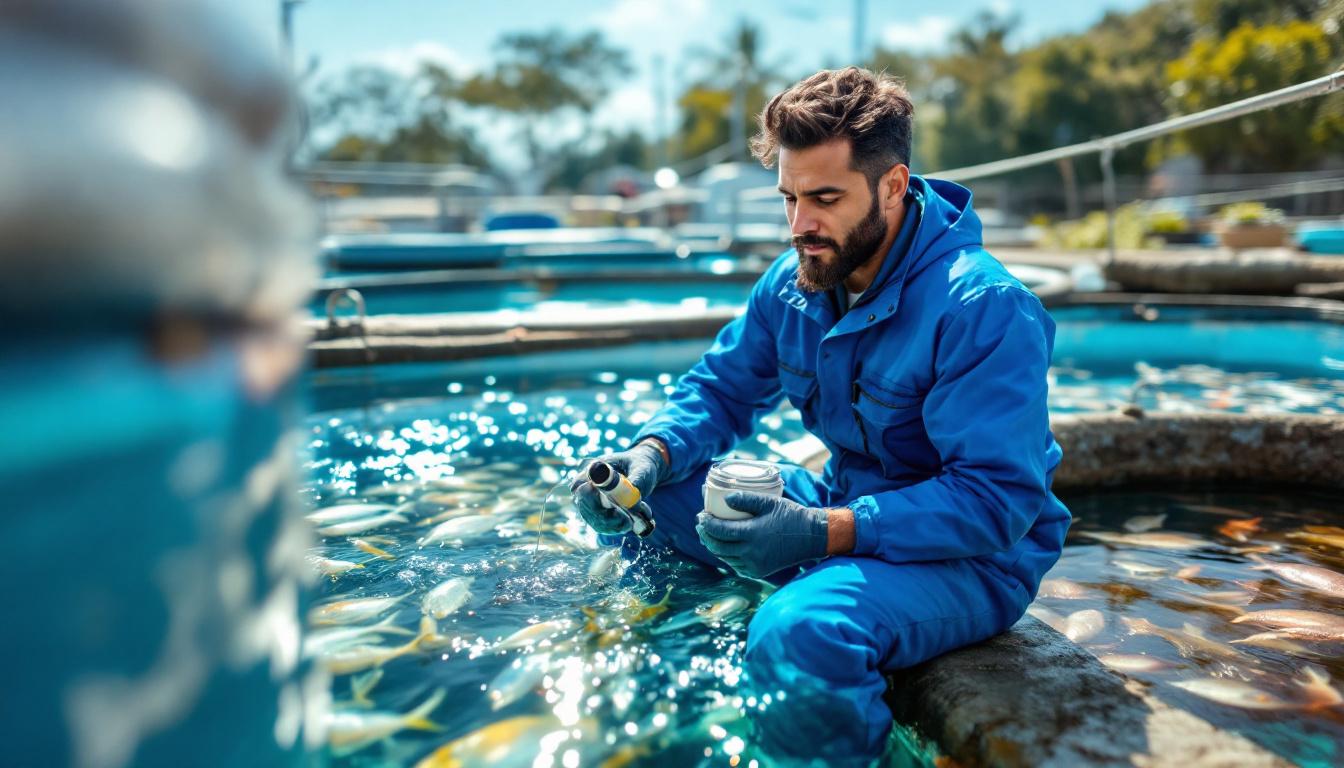
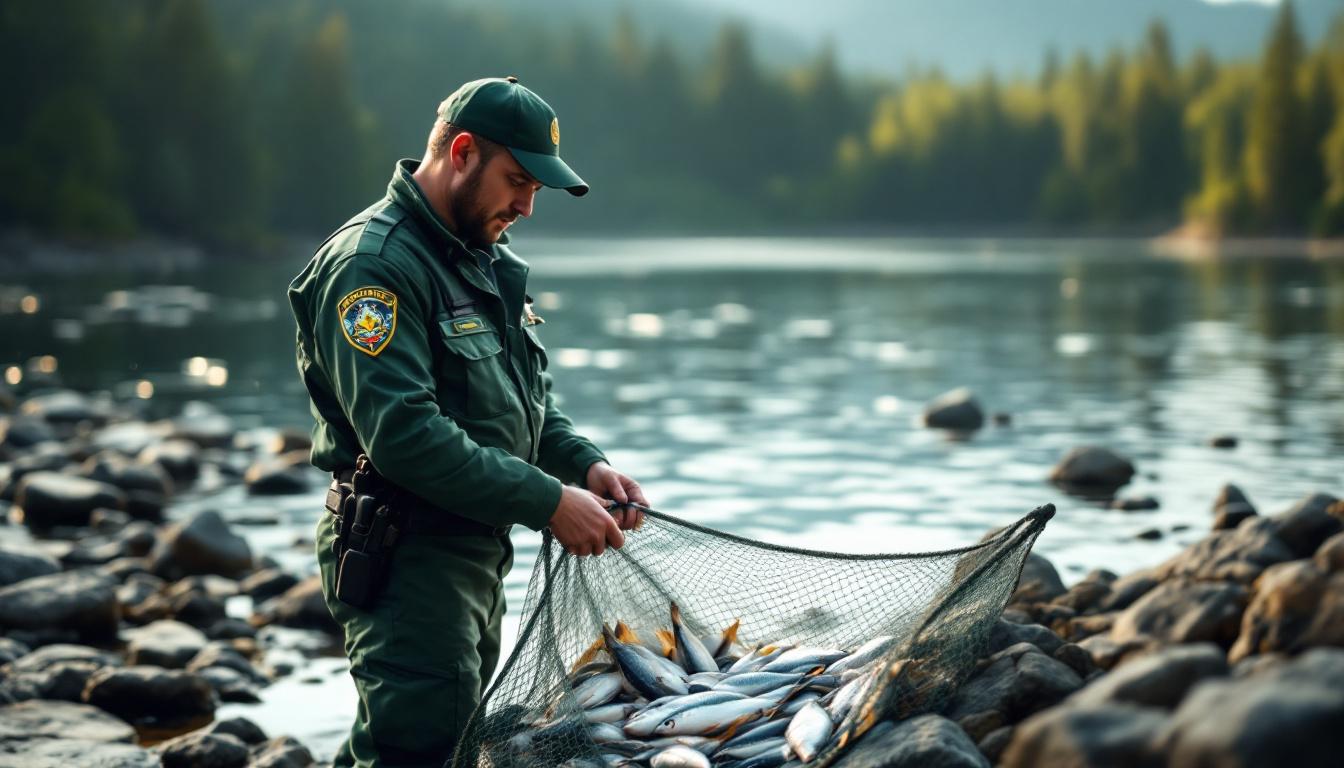
- Common jobs include fisheries technician, aquaculture assistant, and environmental field worker.
- They may work for government agencies, private fisheries, or environmental organizations.
- The fishing industry and natural resource departments often seek graduates with practical knowledge of fisheries.
- The job market tends to offer opportunities where sustainable practices and resource management are priorities.
- Entry-level positions allow graduates to gain experience before potentially advancing in their careers.


Careers after further study
These careers require a higher level of study than this degree.

Continuing your studies
After completing this Associate Degree, students can continue their education to deepen their expertise or broaden their career options.
- Many choose to pursue a bachelor's degree in marine biology, environmental science, or natural resource management.
- Some programs offer transfer agreements to four-year universities to facilitate further studies.
- Others may shift to related fields such as environmental policy or conservation science.
- Continuing education helps students access higher-level positions and specialized roles in fisheries or environmental sectors.
Where to study this degree (36)





Liste des 36 établissements
- University of Alaska FairbanksFairbanks
- University of Arkansas at Pine BluffPine Bluff
- University of Rio Grande and Rio Grande Community CollegeRio Grande
- Kentucky State UniversityFrankfort
- University of MiamiCoral Gables
- Oregon State UniversityCorvallis
- Purdue University West LafayetteWest Lafayette
- University of Wisconsin–Stevens PointStevens Point
- Northern Michigan UniversityMarquette
- Lake Superior State UniversitySault Ste Marie
- Texas A & M University-College StationCollege Station
- University of FloridaGainesville
- Bellingham Technical CollegeBellingham
- SUNY CobleskillCobleskill
- University of IdahoMoscow
- Cal Poly HumboldtArcata
- University of Rhode IslandKingston
- University of Alaska SoutheastJuneau
- Hocking CollegeNelsonville
- Coastal Pines Technical CollegeWaycross
- Mt. Hood Community CollegeGresham
- University of New EnglandBiddeford
- Virginia TechBlacksburg
- Paul Smith's CollegePaul Smiths
- Oregon State University CascadesBend
- Juniata CollegeHuntingdon
- Iowa State UniversityAmes
- South Dakota State UniversityBrookings
- Eastern Michigan UniversityYpsilanti
- University of Washington-Seattle CampusSeattle
- Grand Valley State UniversityAllendale
- University of Minnesota-Twin CitiesMinneapolis
- Bristol Community CollegeFall River
- University of Maryland Eastern ShorePrincess Anne
- Delaware State UniversityDover
- Utah State UniversityLogan
Frequently asked questions
What kind of jobs can I get with this degree?
You can work as a fisheries technician, aquaculture assistant, or environmental field worker. These jobs involve managing fish populations, supporting sustainable fishing, and helping protect aquatic environments.
Do I need prior experience in fishing to apply?
No prior fishing experience is usually required. The program is designed to teach you the basics, so a high school diploma and interest in aquatic sciences are enough to start.
Are there practical activities included in the program?
Yes, the program includes field trips, laboratory work, and sometimes internships to give you hands-on experience with fisheries equipment and data collection.
Can I continue my studies after this degree?
Yes, many students continue with a bachelor's degree in marine biology, environmental science, or related fields to expand their knowledge and career options.
Is this degree recognized across the United States?
Associate Degrees are widely recognized in the U.S., especially when earned at accredited community colleges or technical schools offering fisheries programs.
Is the program competitive to get into?
Admission is generally not very selective. Most students who have completed high school and meet basic requirements can enroll.
Does the program include training on environmental laws?
Yes, students learn about environmental regulations and policies that affect fisheries and aquatic resource management.
Can international students apply to this program?
International students can apply but may need to prove English language proficiency and meet visa requirements.
