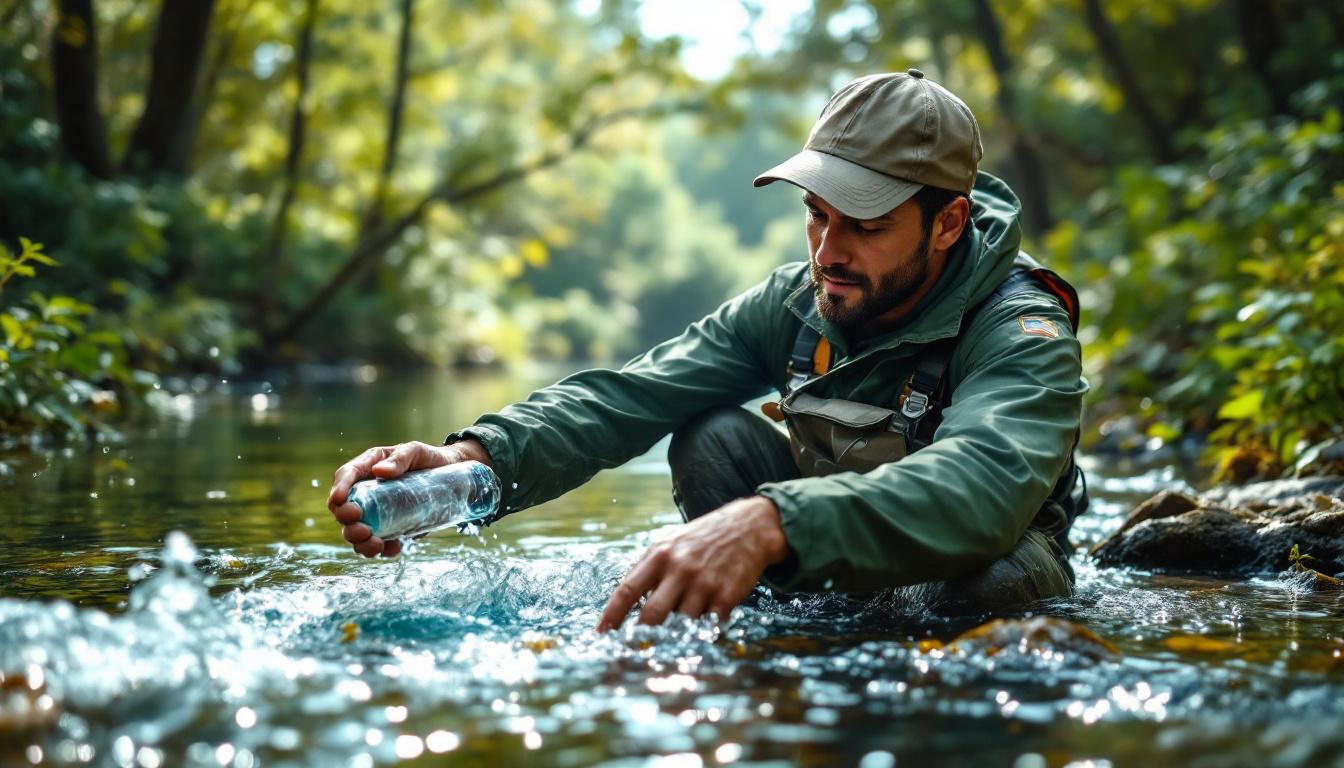
Forestry Technician
Conduct field assessments and monitor forest health to implement effective conservation strategies and ensure regulatory compliance.
About
As a Forestry Technician in a public sector environment, you play a critical role in managing and protecting forest resources. With a focus on sustainability, your objective is to ensure healthy forest ecosystems through careful monitoring, land use planning, and collaboration with environmental agencies. You will employ GIS tools, manage conservation projects, and ensure compliance with environmental regulations while liaising with government bodies and local communities.
Skills
Technical skills
- Proficient in GIS software for mapping and analysis
- Skilled in GPS mapping for accurate data collection
- Expert in data analysis to support forest management
- Knowledgeable about environmental regulations compliance
- Experienced in wildlife management to ensure ecosystem balance
- Conduct thorough forest health assessments for sustainability
Interpersonal skills
- Possess a strong problem-solving mindset for complex issues
- Demonstrate effective communication with diverse teams
- Exhibit keen attention to detail in all tasks
- Utilize strong interpersonal skills to foster collaboration
- Show resilience in the face of challenging environments
- Promote teamwork through collaboration with colleagues
Tasks
- Conduct field surveys using GPS tools to map forest resources and assess health.
- Monitor wildlife populations and their habitats to support biodiversity conservation efforts.
- Coordinate with environmental agencies and local communities to develop sustainable forest management plans.
- Ensure compliance with environmental regulations by auditing logging operations and land use.
- Analyze data from GIS software to forecast potential forest growth and health.
- Prepare detailed reports on forest conditions and present findings to stakeholders.
- Implement conservation projects while adhering to budget constraints and deadlines.
- Evaluate reforestation efforts by measuring survival rates and growth statistics.
- Optimize resource allocation to enhance forest protection and regeneration.
- Collaborate with interdisciplinary teams for integrated landscape management.
Work environments
Work environments for professionals in this sector may vary:
Career paths
- Progress to Senior Forestry Specialist to lead advanced projects
- Advance to Environmental Project Manager overseeing large-scale initiatives
- Become a Conservation Scientist focusing on research and innovation
- Transition to a Sustainable Land Use Planner for strategic development
Profile sought
Entering the profession
Entry is typically through technical education or relevant work experience. Certifications and on-the-job training enhance employability.
Training — United States
Forestry Technicians generally complete an associate degree or technical diploma in forestry or natural resources. Training includes forest measurement, ecology, and use of GIS technology.
The job market — United States
Employment is mostly in government agencies, environmental consulting firms, and conservation organizations. Demand is steady with some seasonal fluctuations.