Production Technician
Production Technician driving manufacturing output through process control, equipment calibration, and quality metrics
About
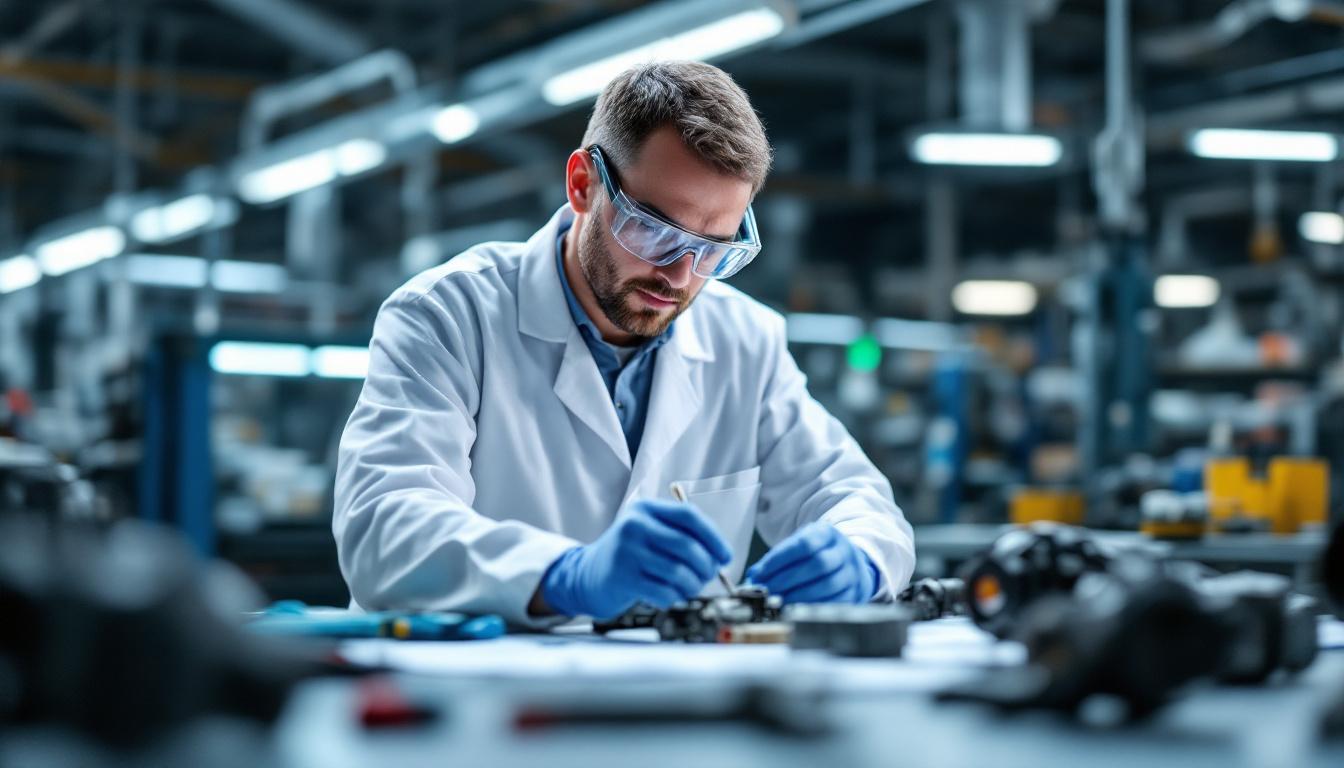
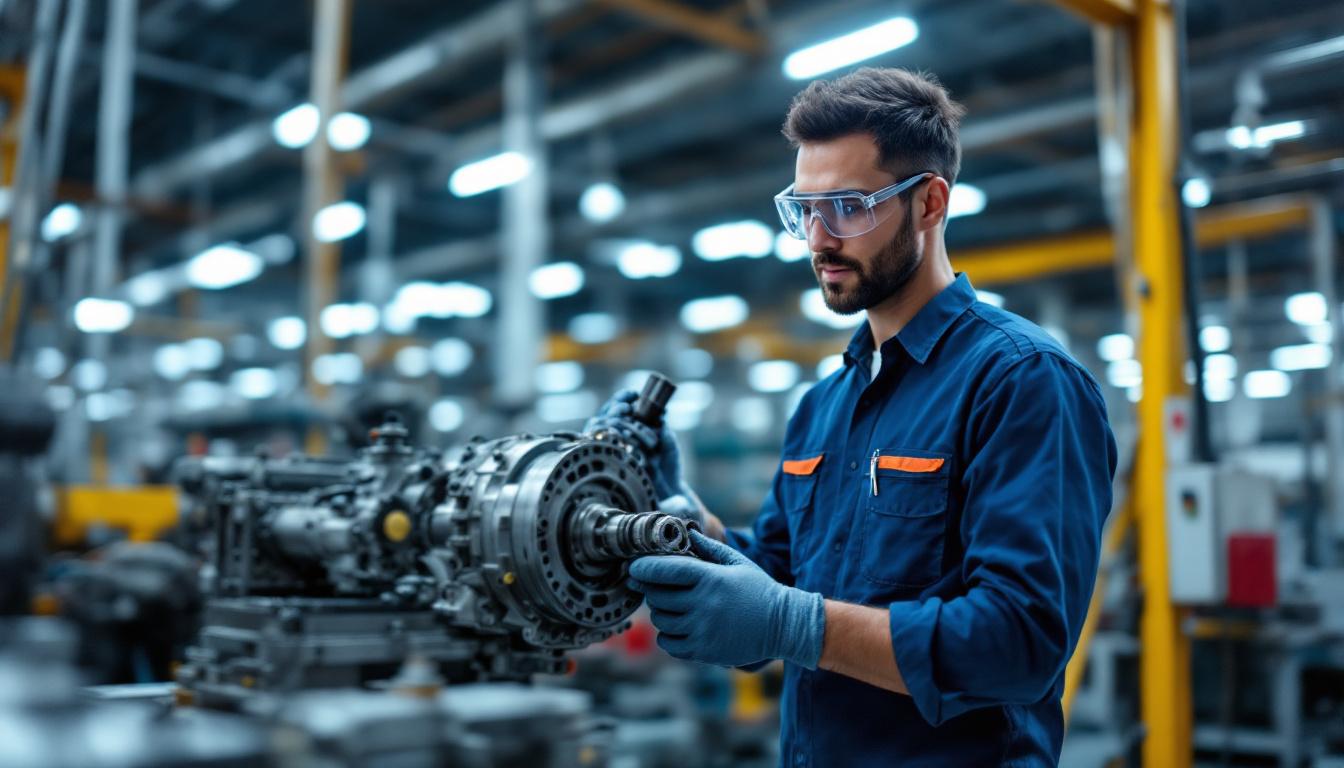
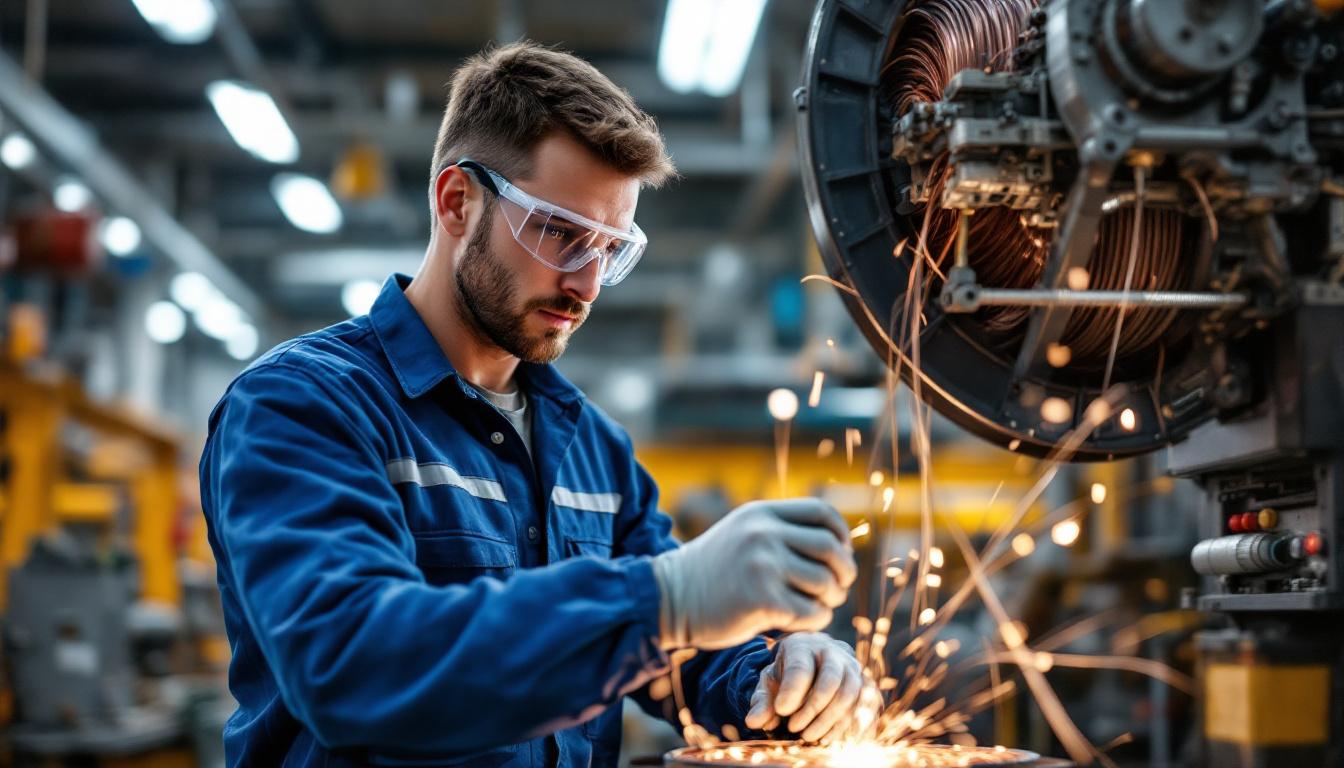
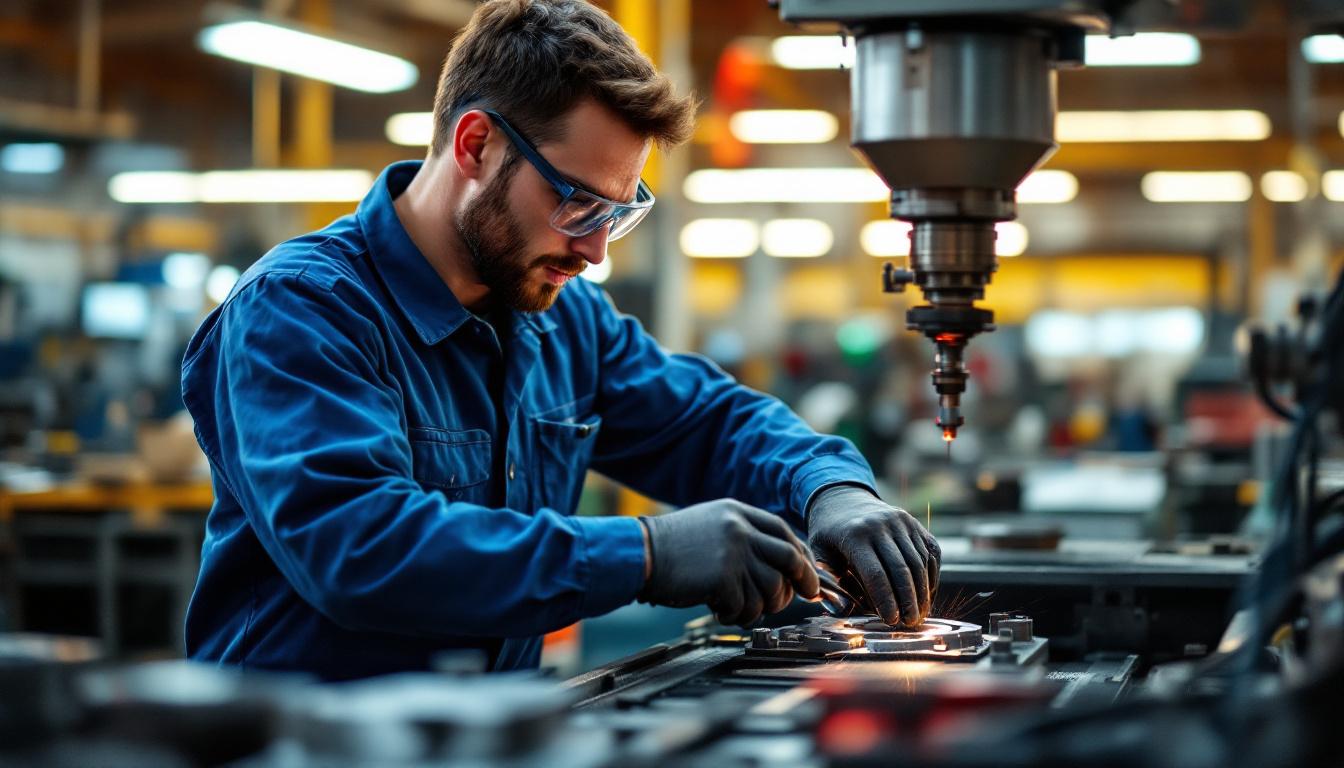
Production Technician operates within industrial manufacturing environments to monitor, adjust, and optimize production lines using automated machinery, PLCs, and measurement instruments. Working alongside production supervisors, quality engineers, and maintenance teams, this role involves hands-on intervention on equipment, real-time data tracking via MES or ERP systems, and strict adherence to safety and quality standards. The technician handles raw material flow, machine parameter settings, and production reporting across shift cycles.
Skills
Technical skills
- Experience with PLC operation and basic programming (Siemens S7, Allen-Bradley)
- Proficient in MES/ERP data entry and reporting (SAP, Epicor)
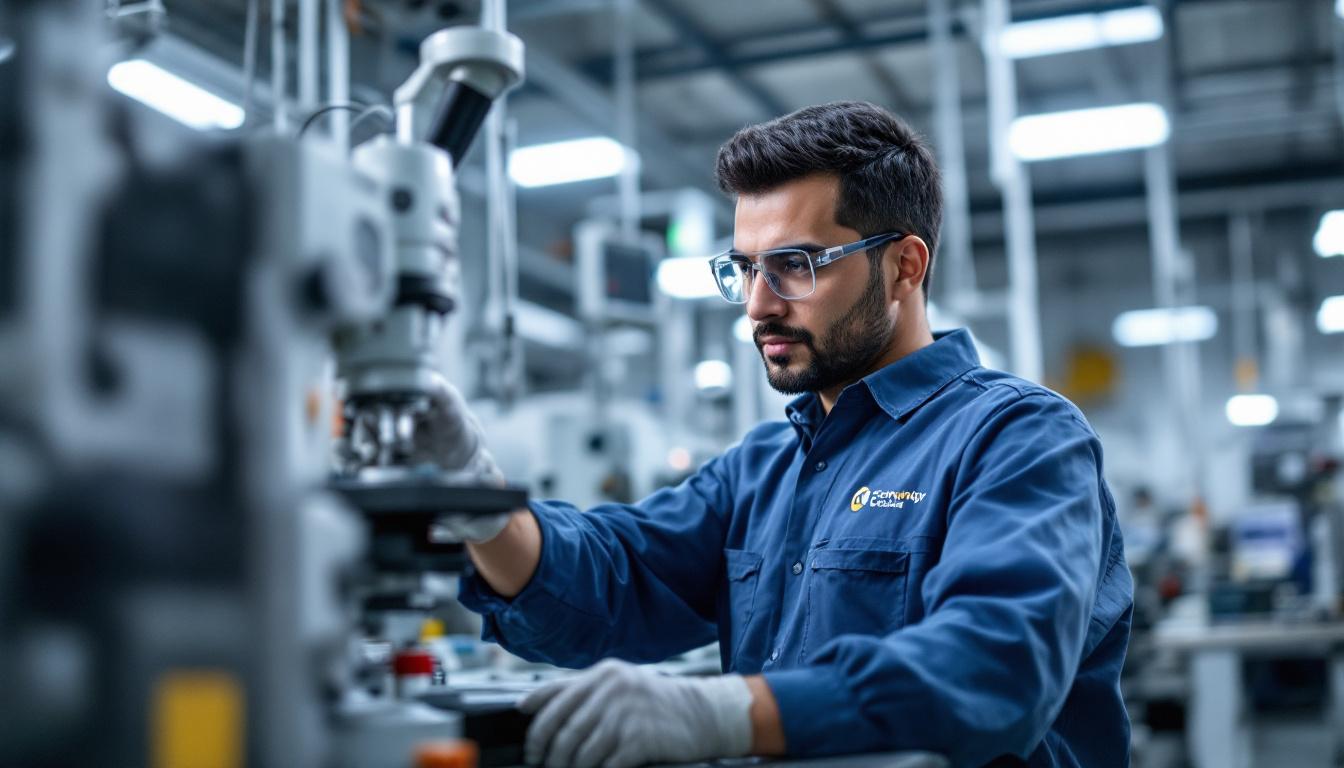
- Skilled with precision measurement instruments (calipers, micrometers, CMM)
- SCADA monitoring and alarm management expertise
- Knowledge of Statistical Process Control (SPC) and control charts
- Ability to interpret blueprints and technical drawings
- Familiarity with 5S and lean manufacturing tools
- Perform preventive maintenance level 1 tasks
Interpersonal skills
- Methodical attention to detail under production pressure
- Cross-functional communication with maintenance and quality teams
- Autonomous problem-solving during equipment anomalies
- Shift adaptability across rotating schedules
- Rigorous adherence to safety and compliance protocols
Tasks
- Monitor production line parameters using SCADA and MES dashboards against hourly output targets
- Adjust PLC settings and machine parameters to maintain tolerances within ±0.02mm specifications
- Conduct first-article inspections using calipers, micrometers, and CMM equipment
- Record production data in ERP system with an accuracy rate above 99% per shift
- Identify and report equipment anomalies to the maintenance team within a 15-minute response protocol
- Apply 5S methodology to maintain workstation organization scores above 90%
- Coordinate raw material changeovers, reducing downtime to under 8 minutes per changeover
- Analyze defect rates using SPC charts and flag deviations exceeding 3-sigma limits
- Train new operators on standard operating procedures across 12 documented workstations
- Complete shift handover reports documenting OEE, scrap rate, and open incidents
Work environments
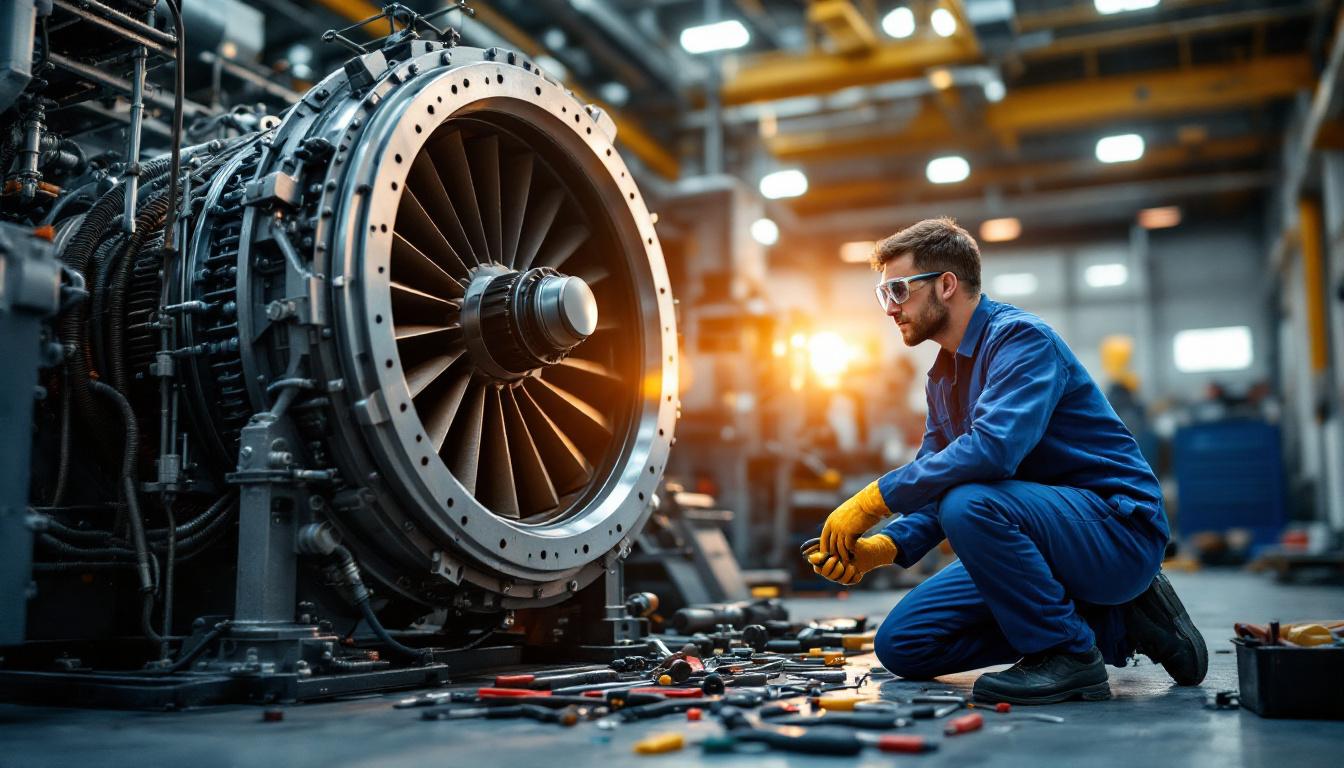
Work environments for professionals in this sector may vary:
Career paths
- Progress to Manufacturing Engineer role overseeing production processes
- Advance to Process Engineer focusing on optimizing workflows
- Become a Quality Control Supervisor ensuring product standards
- Elevate to Production Manager leading operational teams
- Transition to Lean Coordinator implementing efficiency strategies
- Shift to Maintenance Technician maintaining equipment integrity
Profile sought
Entering the profession
Entry is often through technical education or apprenticeships; relevant experience and certifications improve chances.
Training — United States
Typically requires an associate degree or technical diploma in manufacturing or industrial technology, often supplemented by certifications.
The job market — United States
Employment is generally in manufacturing and industrial sectors with moderate demand and stable growth prospects.
FAQ
How to train for this job
Programmes suggested by Ulydia to enter this profession.