Airline Pilot
Operate flights using advanced navigation systems while ensuring passenger safety and adherence to aviation regulations.
About
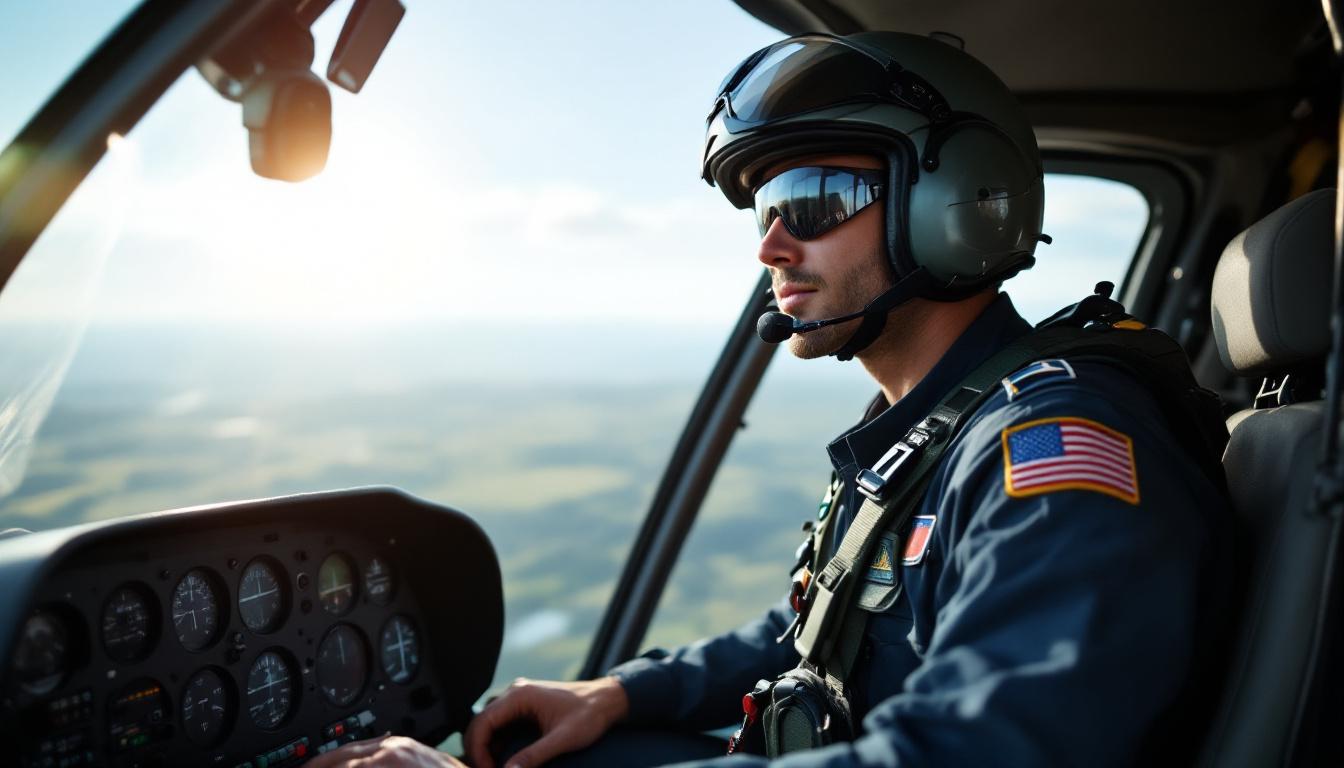
As an Airline Pilot, you play a crucial role in ensuring the safety and comfort of passengers while operating flights according to airline standards. Working primarily in a corporate setting within the aviation industry, your objective is to ensure timely departures and arrivals in compliance with aviation regulations. This role requires direct interaction with co-pilots and ground staff, utilizing advanced navigation systems and flight operation tools to enhance operational efficiency. Your decisions have a direct impact on passenger safety, fuel efficiency, and overall customer satisfaction.
Skills
Technical skills
- Proficient in using instrument navigation systems for accurate flight paths.
- Familiarity with flight operation protocols to ensure smooth journeys.
- Skilled in weather pattern analysis for safe and efficient flights.
- In-depth knowledge of aviation safety regulations to maintain compliance.
- Expertise in cockpit resource management for optimal crew coordination.
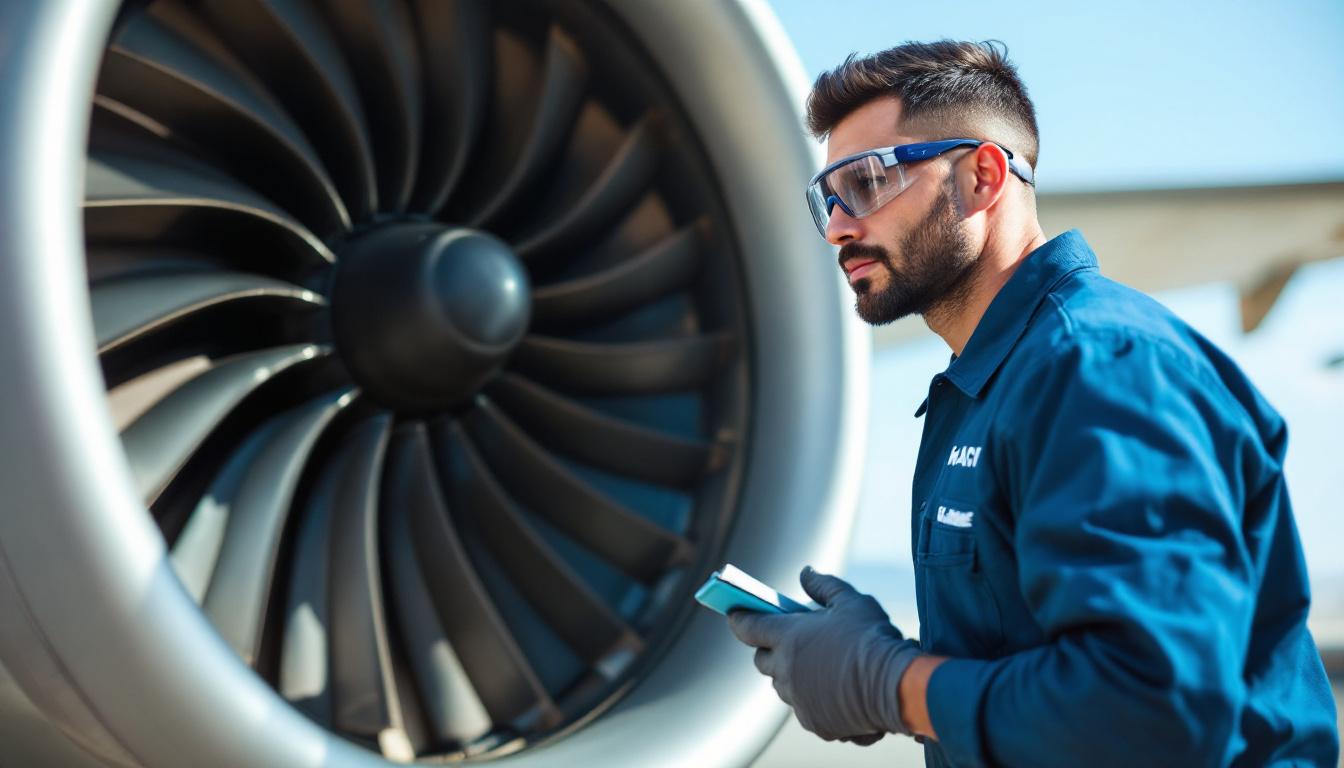
- Conduct thorough aircraft maintenance checks for operational readiness.
- Execute emergency response procedures swiftly to ensure passenger safety.
- Manage fuel systems for efficiency and cost-effectiveness.
- Optimize routes using advanced navigation tools for timely arrivals.
- Develop comprehensive flight planning strategies for seamless operations.
Interpersonal skills
- Exhibit strong stress management skills in high-pressure situations.
- Excel in decision-making under pressure, ensuring effective outcomes.
- Demonstrate effective communication with team members and passengers.
- Maintain keen attention to detail in all aspects of flight operations.
- Showcase leadership abilities to inspire and guide the crew.
- Adaptability to rapidly changing circumstances in the aviation environment.
- Solve problems efficiently with a focus on safety and efficiency.
- Coordinate team efforts to achieve operational excellence.
Tasks
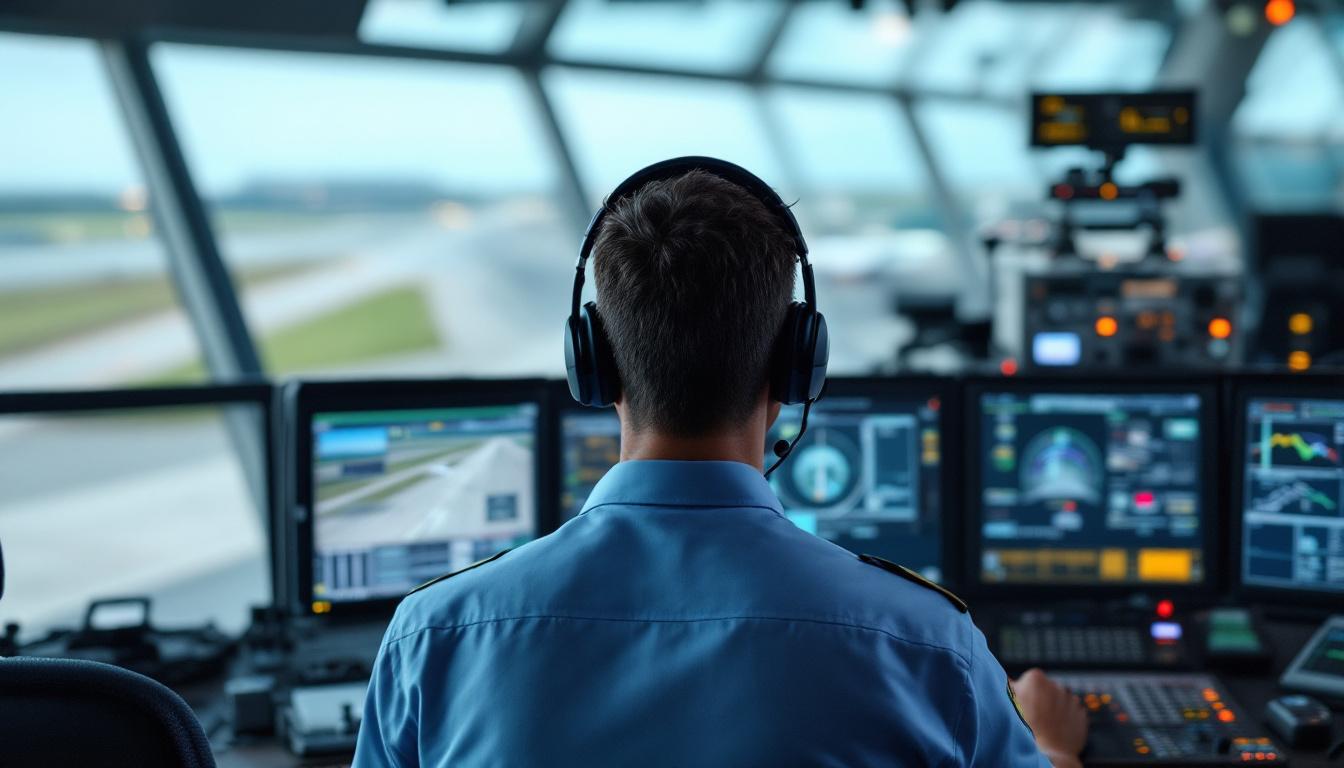
- Coordinate with air traffic control and ground staff to secure takeoff clearance, maintaining adherence to schedule constraints.
- Monitor in-flight performance through cockpit instruments, ensuring optimal fuel efficiency and safety.
- Conduct pre-flight checks using comprehensive checklists to assess aircraft readiness and compliance with aviation regulations.
- Manage seamless communication with co-pilots and cabin crew to ensure a smooth operational workflow.
- Execute emergency protocols with precision to safeguard passengers, in strict compliance with aviation safety standards.
- Analyze weather data provided by ground staff to adjust flight paths for optimal safety and time management.
- Ensure continuous monitoring of critical flight systems through real-time analysis.
- Perform post-flight evaluations with the crew to discuss performance metrics and areas for improvement.
- Participate in pilot training programs to maintain updated knowledge on new aviation technologies.
- Optimize route planning using the latest navigation tools to maximize on-time arrivals.
Work environments
Work environments for professionals in this sector may vary:
Career paths
- Progress to a Senior Pilot role with increased responsibilities.
- Advance to Chief Pilot, overseeing flight operations and strategy.
- Transition into a Flight Instructor position, mentoring new pilots.
- Become an Aviation Safety Inspector, ensuring regulatory compliance.
- Move into an Operations Manager role, optimizing airline efficiency.
Profile sought
Entering the profession
Entry routes typically include attending flight school or military pilot training. Military experience can sometimes be converted to civilian certifications, facilitating entry into commercial aviation.
Training — United States
Becoming an airline pilot generally requires completing a bachelor's degree in aviation or a related field, followed by specialized flight training and obtaining necessary pilot licenses such as the Commercial Pilot License and Airline Transport Pilot License.
The job market — United States
The job market for airline pilots is generally stable with medium demand. Employment is primarily in commercial and cargo airlines. Remote work is rare due to the nature of the job. Automation risk is medium as some functions may be automated but human pilots remain essential.
FAQ
How to train for this job
Programmes suggested by Ulydia to enter this profession.