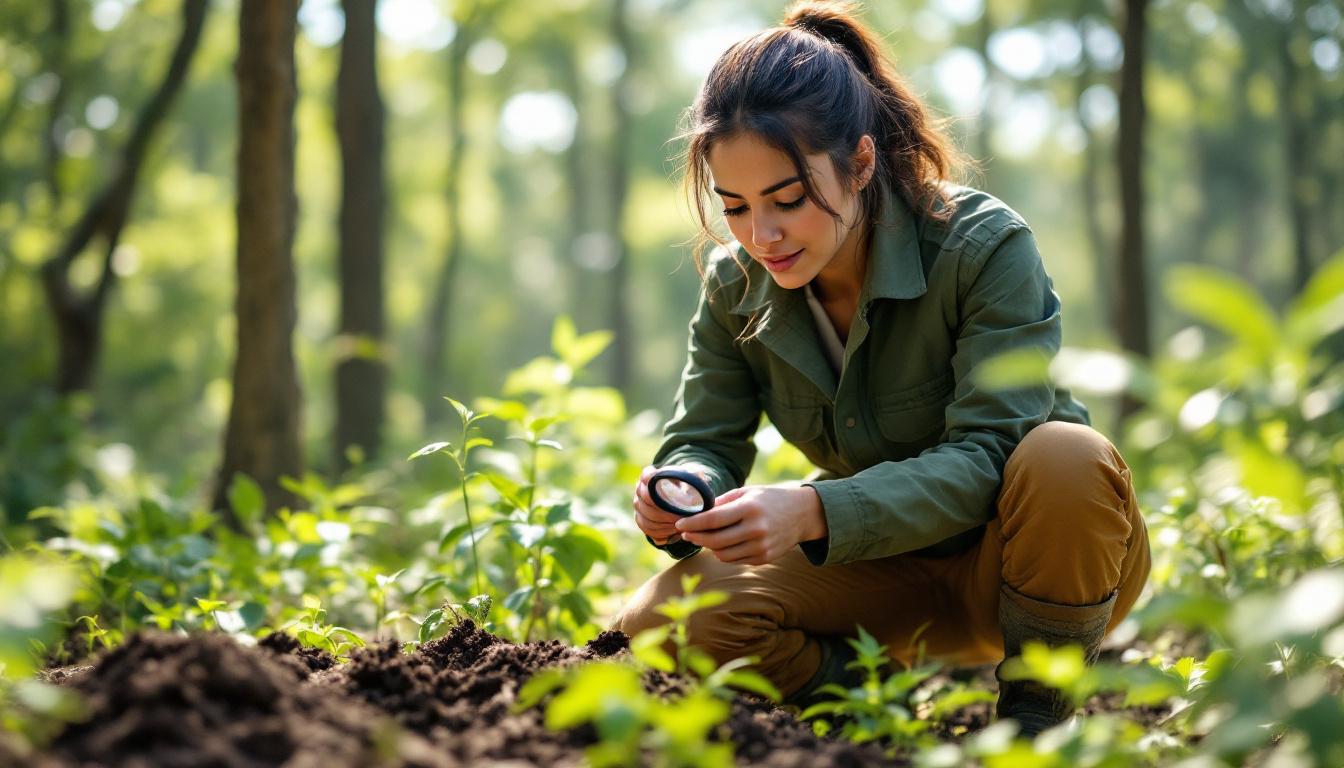
Soil Scientist
Conduct soil sample tests and analyze compositions to support sustainable land use and inform strategic environmental recommendations.
About
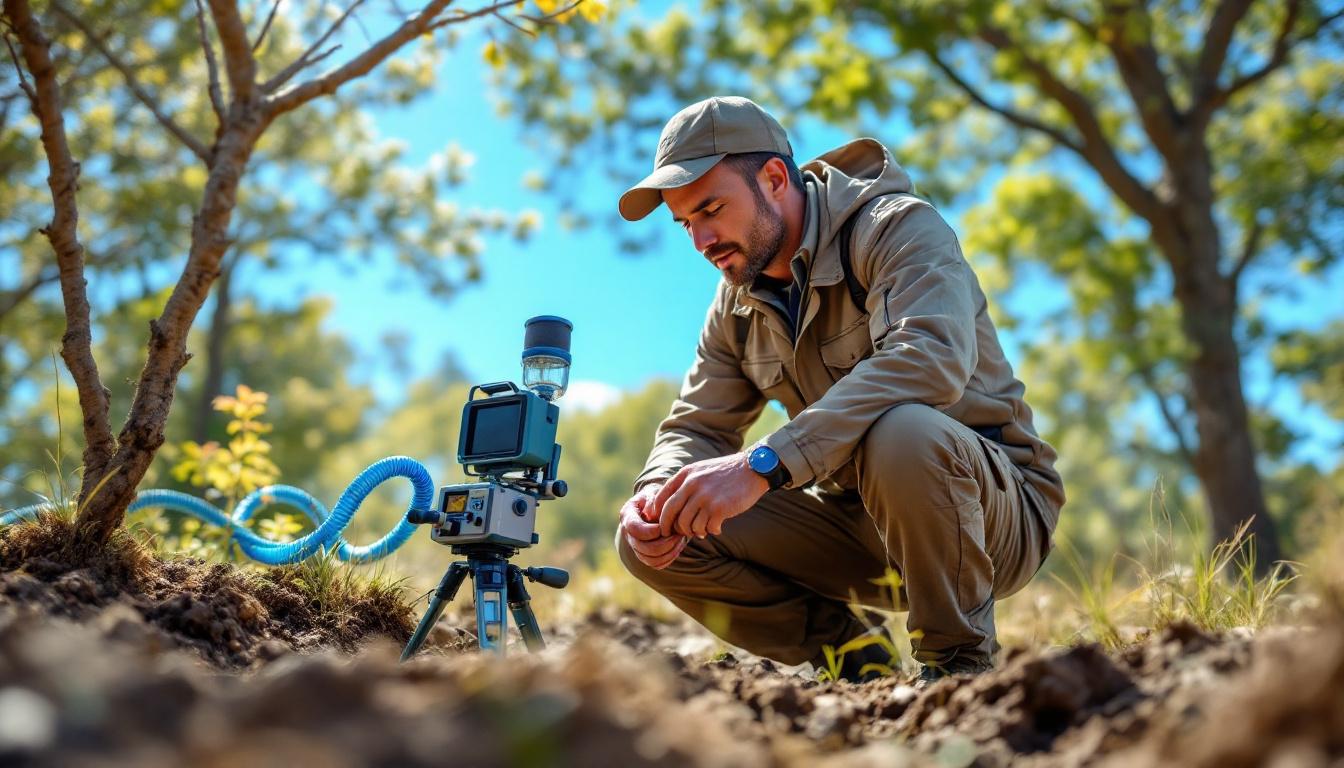
As a Soil Scientist within the environmental sector, you will play a pivotal role in analyzing soil compositions to support sustainable land use and agriculture practices. Your expertise will directly impact projects concerning soil conservation and land development, ensuring compliance with environmental standards. Collaborating with agricultural consultants and environmental authorities, you will conduct soil sample tests using advanced analytical tools to gather data that informs reporting and strategic recommendations.
Skills
Technical skills
- Expertise in soil sampling and analysis techniques
- Proficient with GIS and remote sensing tools
- Skilled in data interpretation and reporting
- Conduct environmental impact assessments effectively
- Familiar with laboratory testing procedures
- Knowledgeable in soil preservation methods
- Utilize analytical chemistry tools proficiently
- Comprehensive understanding of agricultural practices
Interpersonal skills
- Analytical thinking with a focus on problem-solving
- Detail-oriented approach ensuring accuracy
- Effective communication with diverse teams
- Problem-solving skills to overcome challenges
- Collaboration with diverse teams for successful outcomes
- Adaptability to new technologies and methods
- Time management for meeting deadlines
Tasks
- Conduct detailed soil analysis using advanced laboratory equipment and techniques.
- Prepare comprehensive reports on soil fertility for agricultural optimization under budget constraints.
- Collaborate with agricultural vendors and regulatory bodies to ensure compliance and integration of best practices.
- Monitor soil health using KPIs such as nutrient levels and erosion rates, advising improvements based on findings.
- Implement soil preservation methods by coordinating with environmental engineers and local farmers.
- Analyze soil data utilizing GIS tools to support land-use planning decisions and client consultations.
- Design and execute field studies, ensuring precise data collection and adherence to project deadlines.
- Research new soil treatment technologies and assess their practical applications with budget considerations.
- Educate stakeholders, including farmers and environmental planners, on sustainable soil management techniques.
- Report findings and recommendations to management and clients, focusing on productivity improvements and environmental compliance.
Work environments
Work environments for professionals in this sector may vary:
Career paths
- Progress to Senior Soil Scientist to lead complex projects
- Transition to Environmental Consultant advising on soil management
- Advance as a Research Scientist in Soil Ecology
- Become an Agricultural Policy Advisor influencing regulations
- Lead as a Laboratory Analyst in soil testing
Profile sought
Entering the profession
Entry is generally through relevant undergraduate degrees and internships. Certifications can improve employability.
Training — United States
Soil Scientists typically complete a bachelor's degree in soil science or related fields. Advanced degrees can enhance career prospects.
The job market — United States
Employment is found mainly in environmental consulting, agriculture, and government agencies focusing on soil and environmental management.
FAQ
How to train for this job
Programmes suggested by Ulydia to enter this profession.