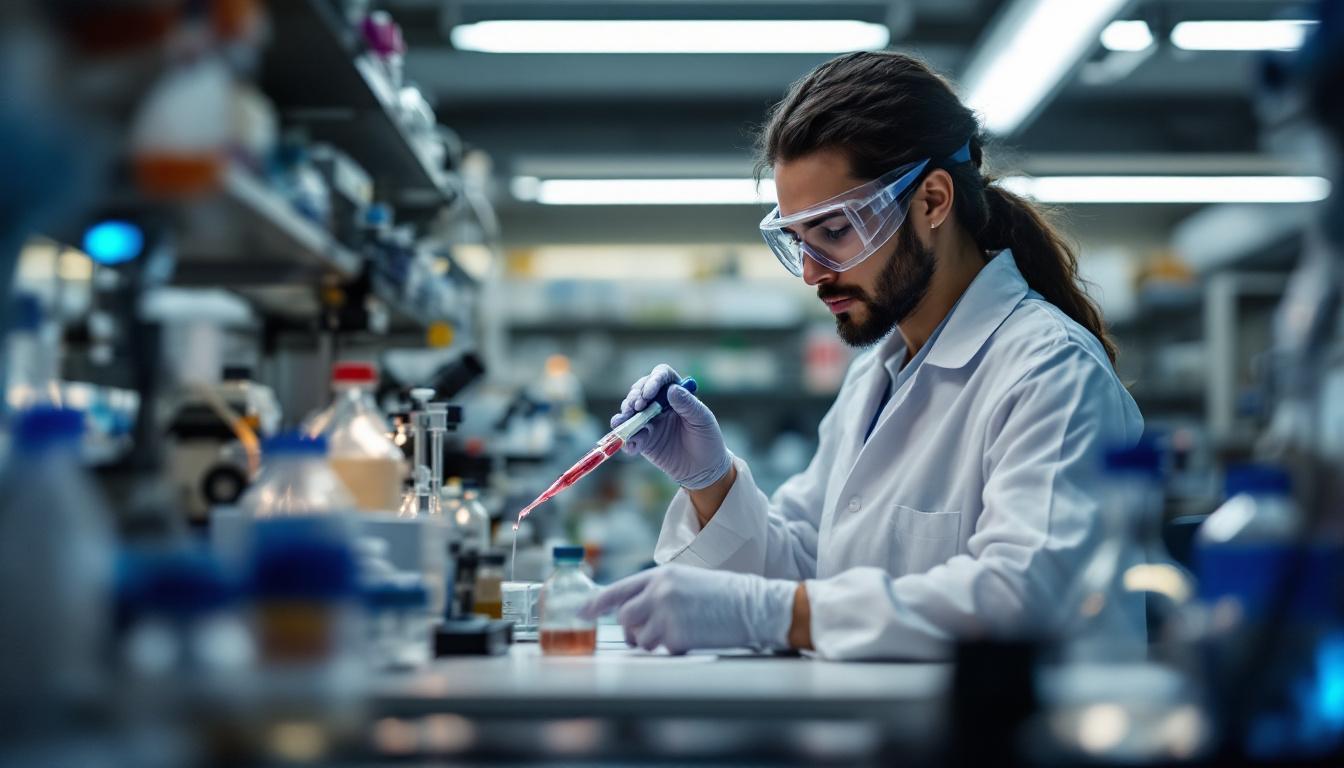
Medical Laboratory Technician
Specialist performing biological analyses on samples to support medical diagnosis in controlled laboratory settings.
About
A Medical Laboratory Technician conducts biological tests on samples such as blood, urine, and tissues to assist in medical diagnosis. They operate automated analytical instruments within sterile and controlled environments, typically in hospital or private laboratory settings. Their work is critical for providing accurate data that informs patient care decisions.
Skills
Technical skills
- Demonstrate proficiency in biological sample analysis techniques
- Expertly operate automated laboratory instruments
- Apply knowledge of laboratory safety and sterilization procedures
- Ensure quality control and assurance in laboratory testing
- Maintain data recording and reporting accuracy
- Understand medical terminology and diagnostic processes
Interpersonal skills
- Exhibit strong attention to detail
- Utilize analytical thinking for problem-solving
- Demonstrate reliability and responsibility in all duties
- Work effectively under sterile conditions
- Communicate effectively with healthcare teams
- Develop problem-solving skills for complex issues
Tasks
- Collect and prepare biological samples for accurate analysis
- Operate and maintain cutting-edge automated laboratory equipment
- Perform routine and specialized biological tests with precision
- Ensure rigorous quality control and accuracy of test results
- Record and report findings promptly to medical staff
- Maintain sterile and safe laboratory conditions
- Follow strict protocols for sample handling and disposal
- Collaborate with healthcare professionals for diagnostic support
- Update knowledge on evolving laboratory techniques and safety standards
- Proactively manage laboratory inventory and supplies
Work environments
Work environments for professionals in this sector may vary:
Career paths
- Progress to Senior Medical Laboratory Technician overseeing complex analyses
- Advance to Laboratory Supervisor managing daily operations
- Become a Clinical Laboratory Scientist specializing in diagnostics
- Specialize as a Molecular Diagnostics expert
- Lead as a Laboratory Quality Control Manager ensuring excellence
Profile sought
Entering the profession
Access to the profession requires completion of an accredited medical laboratory technology program, followed by certification exams. Alternative routes include retraining for professionals with scientific backgrounds through specialized courses.
Training — United States
The formation relies on a professional curriculum oriented towards clinical laboratory sciences, combining theoretical courses and practical internships. It emphasizes understanding of biological sciences, laboratory techniques, and safety standards.
The job market — United States
The labor market demonstrates strong demand driven by healthcare industry growth and increasing diagnostic testing needs. Employment opportunities are concentrated in hospitals, diagnostic labs, and public health sectors with steady expansion expected.
FAQ
How to train for this job
Programmes suggested by Ulydia to enter this profession.