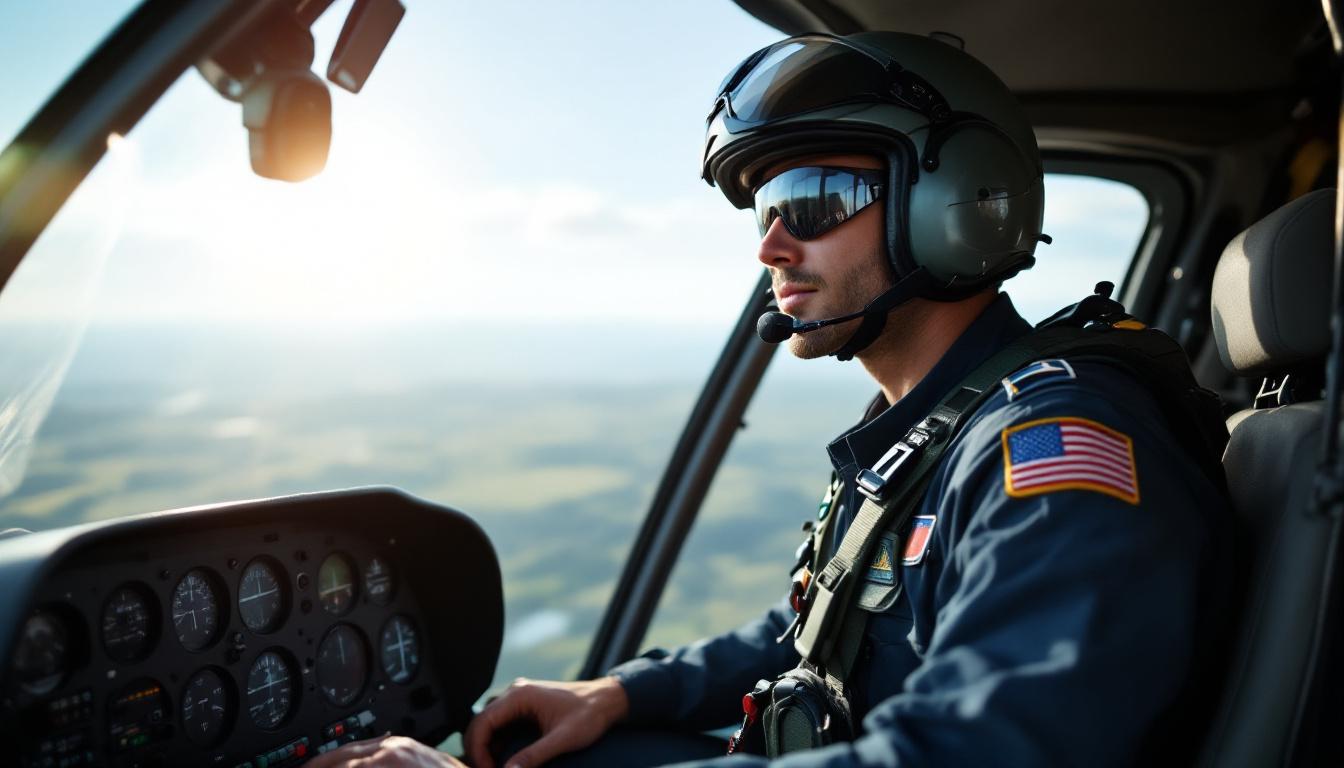
Air traffic controller
Manage the safe takeoff and landing of aircraft using advanced radar while coordinating with pilots and airport operations.
About
As an Air Traffic Controller at a leading aviation authority, you will play a pivotal role in ensuring aircraft safety and efficiency in the skies. Working within the aviation sector, your primary objective is to manage the safe takeoff and landing of aircraft while navigating complex weather conditions and peak traffic periods. You will utilize advanced radar and communication tools while collaborating with pilots and airport operations to maintain precise flight schedules and handle emergency situations with composure. Your impact is crucial in minimizing delays and maximizing airspace efficiency, directly contributing to the smooth operation of global air transportation.
Skills
Technical skills
- Proficiency in radar operation for monitoring aircraft
- Skilled in radio communication for clear pilot interactions
- Analyzing weather data to adjust flight paths
- Expertise in flight data recording for accurate tracking
- Utilizing airspace management software to optimize traffic
- Implementing emergency response protocols swiftly
Interpersonal skills
- Exhibiting quick decision-making under pressure
- Maintaining strong concentration during operations
- Ensuring effective communication with colleagues
- Managing stress in high-pressure environments
- Demonstrating keen attention to detail consistently
Tasks
- Monitor aircraft movements using radar systems to maintain safe distances.
- Communicate clear instructions to pilots regarding flight routes and altitudes.
- Coordinate with airport ground operations to manage efficient takeoff and landing schedules.
- Analyze weather data to adjust air traffic patterns for smooth flight operations.
- Prioritize aircraft in emergencies, adhering to strict safety protocols and regulations.
- Maintain detailed records of flight paths and communications for regulatory compliance.
- Optimize airspace management to minimize delays and enhance traffic flow.
- Implement contingency plans to handle unexpected air traffic situations effectively.
- Coordinate with regional traffic controllers to manage cross-border flights.
- Ensure compliance with aviation regulations by monitoring aircraft transponder signals.
Work environments
Work environments for professionals in this sector may vary:
Career paths
- Progress to Senior Air Traffic Controller to lead operations
- Advance as an Air Traffic Control Supervisor overseeing teams
- Become a Training Instructor for Air Traffic Controllers
- Transition to an Aviation Safety Inspector ensuring compliance
Profile sought
Entering the profession
Entry is often through FAA Academy programs or military experience with subsequent FAA certification.
Training — United States
Air traffic controllers generally complete an associate's or bachelor's degree in aviation-related fields, followed by specialized FAA Academy training.
The job market — United States
Employment is primarily with federal agencies and airport authorities, with steady demand due to air traffic growth.
FAQ
How to train for this job
Programmes suggested by Ulydia to enter this profession.