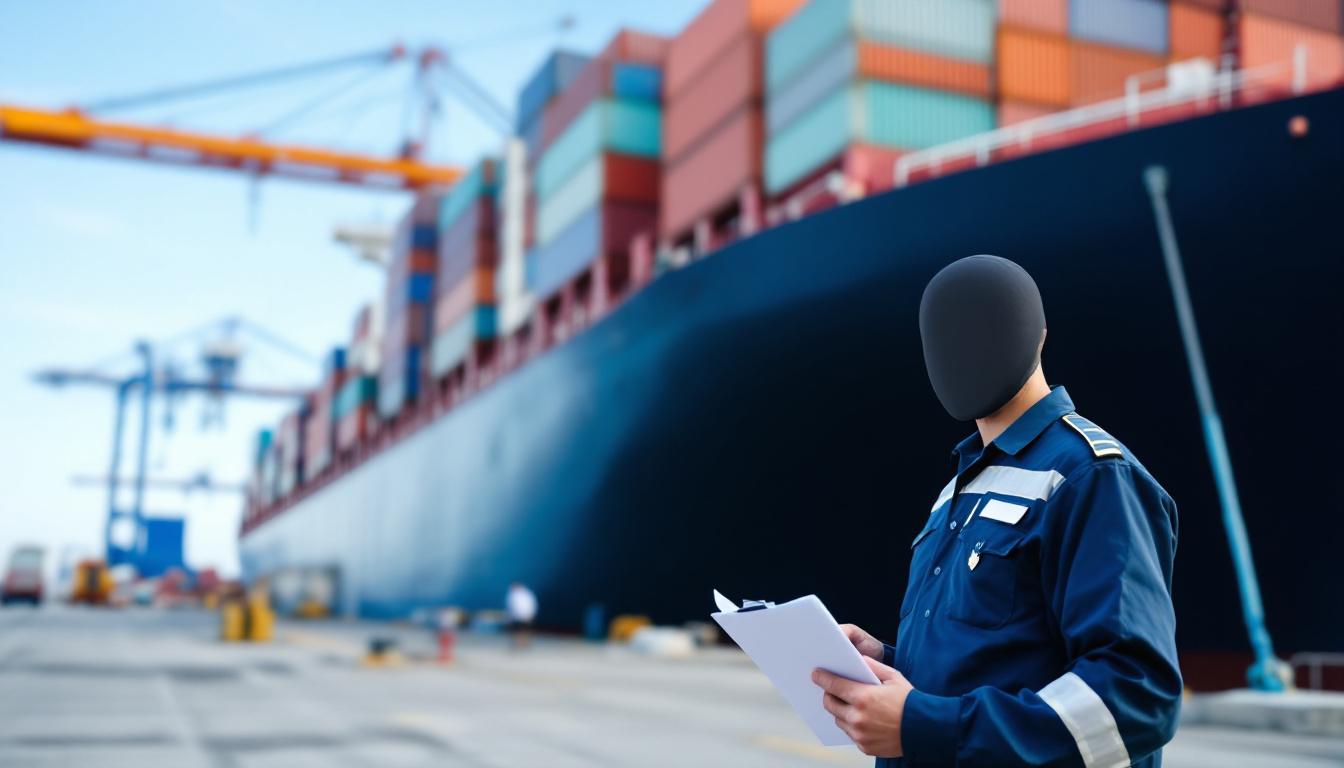
Captain
Navigate and command a marine vessel, ensuring safety, regulatory compliance, and timely cargo delivery while coordinating with crew and clients.
About
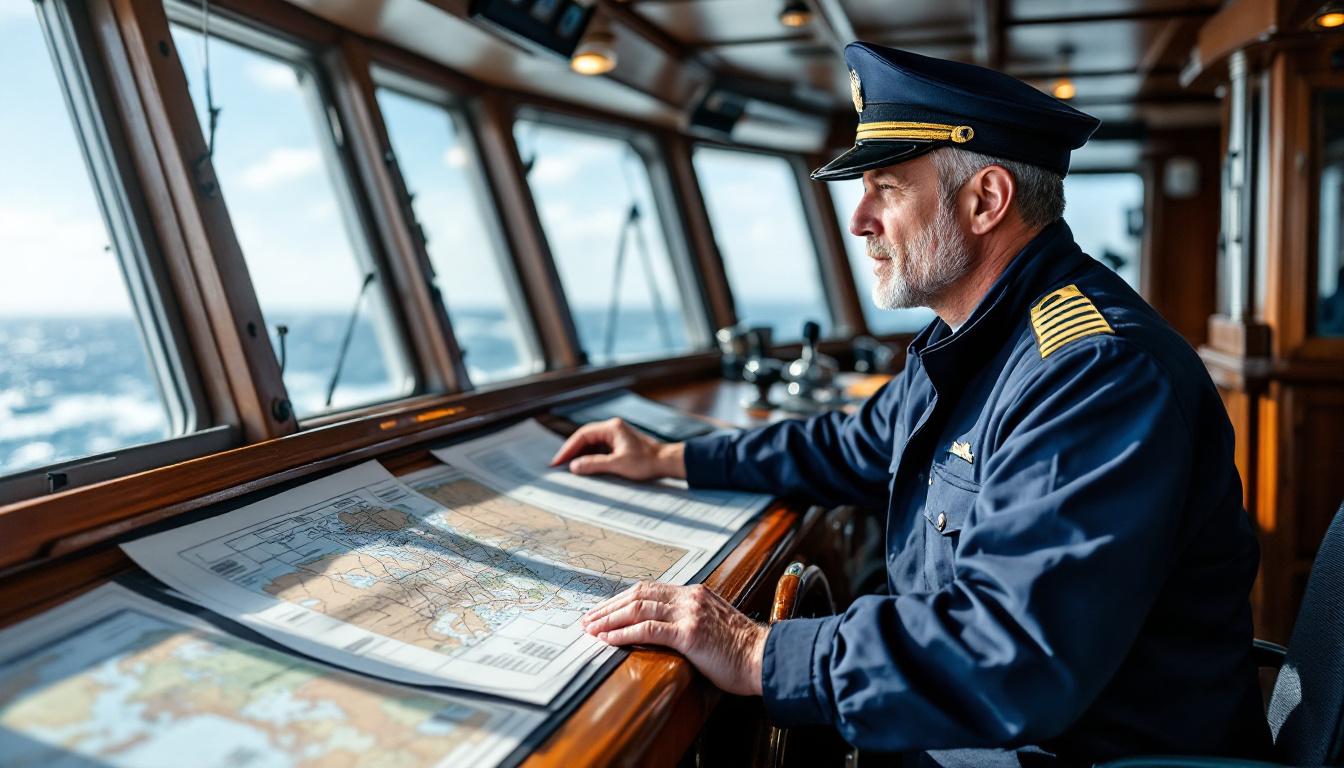
As a Captain responsible for commanding a marine vessel, you will play a crucial role in ensuring the safety and efficient operation of your ship. Operating within a dynamic maritime environment, the primary objective is to navigate and manage the vessel, ensuring compliance with maritime regulations and timely delivery of cargo. This position involves the coordination with the crew and clients to optimize operations according to operational plans and schedules while utilizing navigation systems and maritime software to maintain course accuracy and reports.
Skills
Technical skills
- Proficient in operating navigation systems for precise control.
- In-depth knowledge of maritime regulations ensuring compliance.
- Expertise in implementing safety protocols on board.
- Skilled in analyzing voyage performance for optimization.
- Utilize weather forecasting tools for route planning.
- Develop and apply cost-reduction strategies effectively.
Interpersonal skills
- Demonstrates strong leadership in managing diverse teams.
- Exhibits excellent decision-making under pressure.
- Effective problem-solving to tackle operational challenges.
- Facilitates effective communication among crew and stakeholders.
- Pays close attention to detail ensuring operational accuracy.
Tasks
- Navigate and manage the vessel using advanced navigation systems and maritime charts. Ensure compliance with maritime regulations and international shipping standards. Coordinate with crew members to optimize operations and achieve schedule targets. Monitor fuel consumption and implement cost-reduction strategies. Communicate with port authorities and clients to ensure smooth docking operations. Maintain operational safety by conducting regular equipment checks and drills. Provide training sessions to crew on safety protocols and emergency procedures. Generate reports on voyage performance metrics for management review. Analyze weather data to determine safe and efficient routes. Negotiate contracts with suppliers to procure necessary supplies within budget.
Work environments
Work environments for professionals in this sector may vary:
Career paths
- Progress to Senior Fleet Manager overseeing multiple vessels.
- Advance to Maritime Operations Director leading strategic initiatives.
- Transition to Logistics Consultant providing expert advice.
- Move into a role as a Safety Compliance Auditor ensuring adherence to standards.
Profile sought
Entering the profession
Entry routes often include starting as a deck officer or mate, with progression through experience and passing required exams. Military naval service can also provide a pathway to becoming a captain.
Training — United States
Becoming a captain typically requires a high school diploma, followed by specialized maritime training and certification. Many attend maritime academies or gain experience through military service. Certification such as the Merchant Mariner Credential and STCW are generally required.
The job market — United States
The job market for captains is generally stable with moderate demand, primarily in commercial shipping, passenger transport, and fishing sectors. Remote work is rare due to the nature of the job. Automation poses a medium risk but human oversight remains essential.
FAQ
How to train for this job
Programmes suggested by Ulydia to enter this profession.