Painter Artist
Create captivating artworks by utilizing various painting techniques and engaging with art collectors and patrons in diverse settings.
About
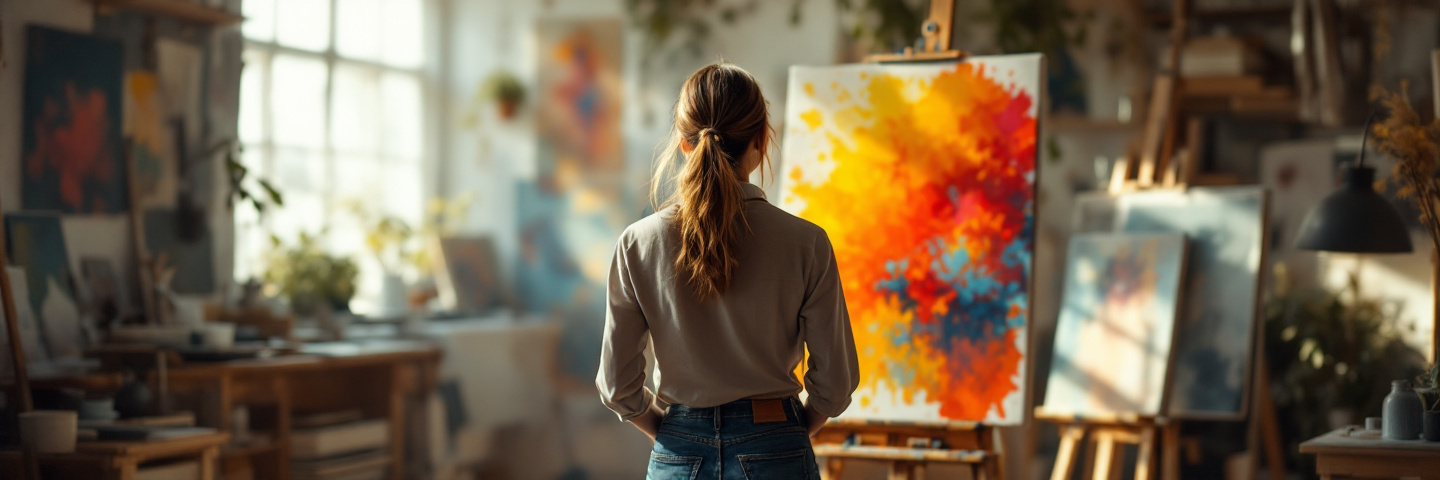
As a Painter Artist, you will play a crucial role in expressing creative visions through various painting techniques. Working primarily in studios, galleries, or commissioned spaces, your main objective is to create captivating artworks that resonate with viewers and clients. Utilizing tools such as brushes, palettes, and specialized painting software, you will engage with curators, art collectors, and patrons to develop artworks within set budgets and timeframes, thereby enhancing the artistic value and visibility of the organization.
Skills
Technical skills
- Mastery of oil painting techniques
- Acrylic and watercolor expertise
- Proficient in canvas preparation and priming
- Skilled in digital painting software like Adobe Photoshop
- Deep knowledge of color theory
- Artistic sketching and drawing skills
- Basics of 3D modeling
- Familiar with conservation methods
- Understanding of art market dynamics
- Efficient in portfolio management
Interpersonal skills
- Visionary creativity to inspire
- Meticulous attention to detail
- Adaptability in different environments
- Strong networking abilities
- Effective time management skills
- Open-mindedness to new ideas
- Strategic planning capabilities
- Resilience under criticism
Tasks
- Create visually engaging artworks using diverse painting techniques and mediums.
- Collaborate with curators and clients to ensure artwork aligns with thematic and stylistic requirements.
- Utilize painting software to conceptualize and design preliminary sketches.
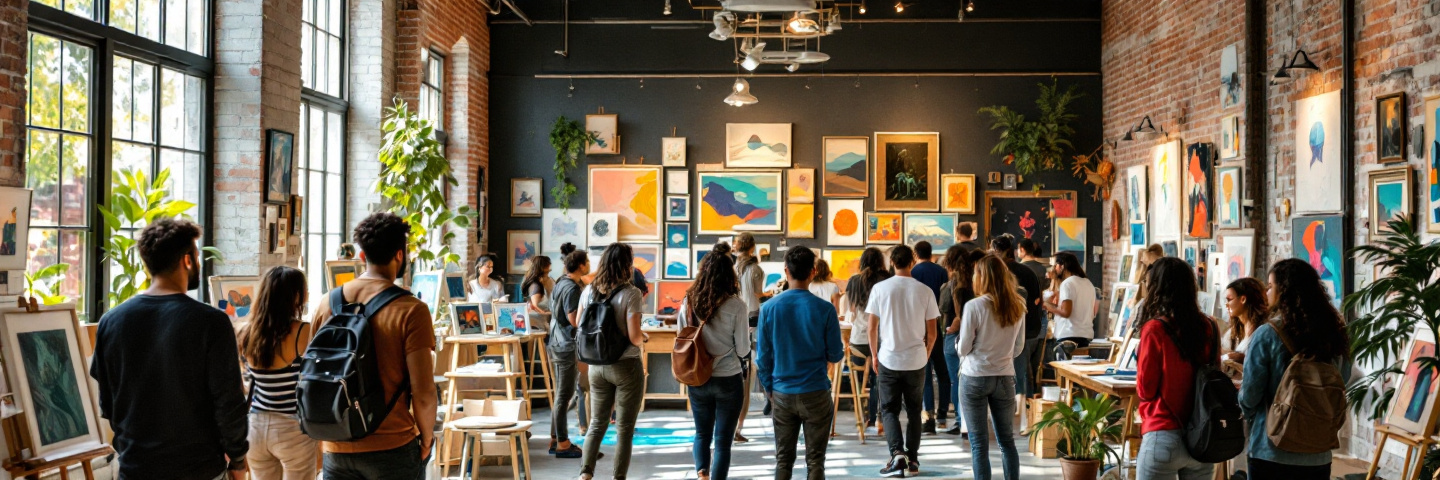
- Present artwork in galleries, exhibitions, and public spaces to maximize exposure.
- Negotiate contracts and commissions within predetermined budgets and timelines.
- Evaluate art market trends to ensure competitive pricing and artistic relevance.
- Network with fellow artists and industry professionals to expand influence and opportunities.
- Implement conservation techniques to preserve the quality of artworks.
- Participate in art fairs and forums to showcase evolving styles and receive feedback.
- Develop personalized branding strategies to increase visibility and recognition in the art world.
Work environments
Work environments for professionals in this sector may vary:
Career paths
- Progress to exhibition curator to design and manage art displays
- Advance to art director overseeing creative projects
- Become a gallery manager responsible for daily operations
- Transition to art consultant advising on collections
- Evolve into a creative director leading artistic vision
Profile sought
Entering the profession
Entry is often through art schools, apprenticeships, or building a strong portfolio. Networking and exhibitions help gain initial clients.
Training — United States
Typically requires a high school diploma with additional art training or degrees in fine arts. Many painters develop skills through self-study or apprenticeships.
The job market — United States
The market includes galleries, private commissions, and art fairs. Demand depends on artistic style and reputation.
FAQ
How to train for this job
Programmes suggested by Ulydia to enter this profession.