Heritage facilitator
Design and lead interactive cultural programs that deepen community engagement with local heritage and history.
About
As a Heritage Facilitator, you play a vital role in enhancing the cultural and historical awareness within a municipal or educational setting. You will design and lead interactive programs that help visitors and community members engage deeply with their cultural heritage. Using various educational tools and working closely with local historians and cultural bodies, you will bring history to life. Your efforts will support the community's cultural identity and contribute to increased tourism and local engagement.
Skills
Technical skills
- Proficient with program management software for streamlined operations
- Experience using CRM systems to enhance visitor engagement
- Skilled in employing educational tools to enrich learning experiences
- Adept at using budget tracking software for financial oversight
- Utilize social media platforms to amplify event reach
- Capable of leveraging audience analytics tools for insights
Interpersonal skills
- Creative storytelling that captivates and engages audiences
- Public speaking with confidence and clarity
- Collaboration with diverse teams to achieve common goals
- Cultural sensitivity when addressing varied audiences
- Adaptive communication tailored to different contexts
- Problem-solving with a focus on effective solutions
Tasks
- Develop engaging and informative heritage programs using educational tools.
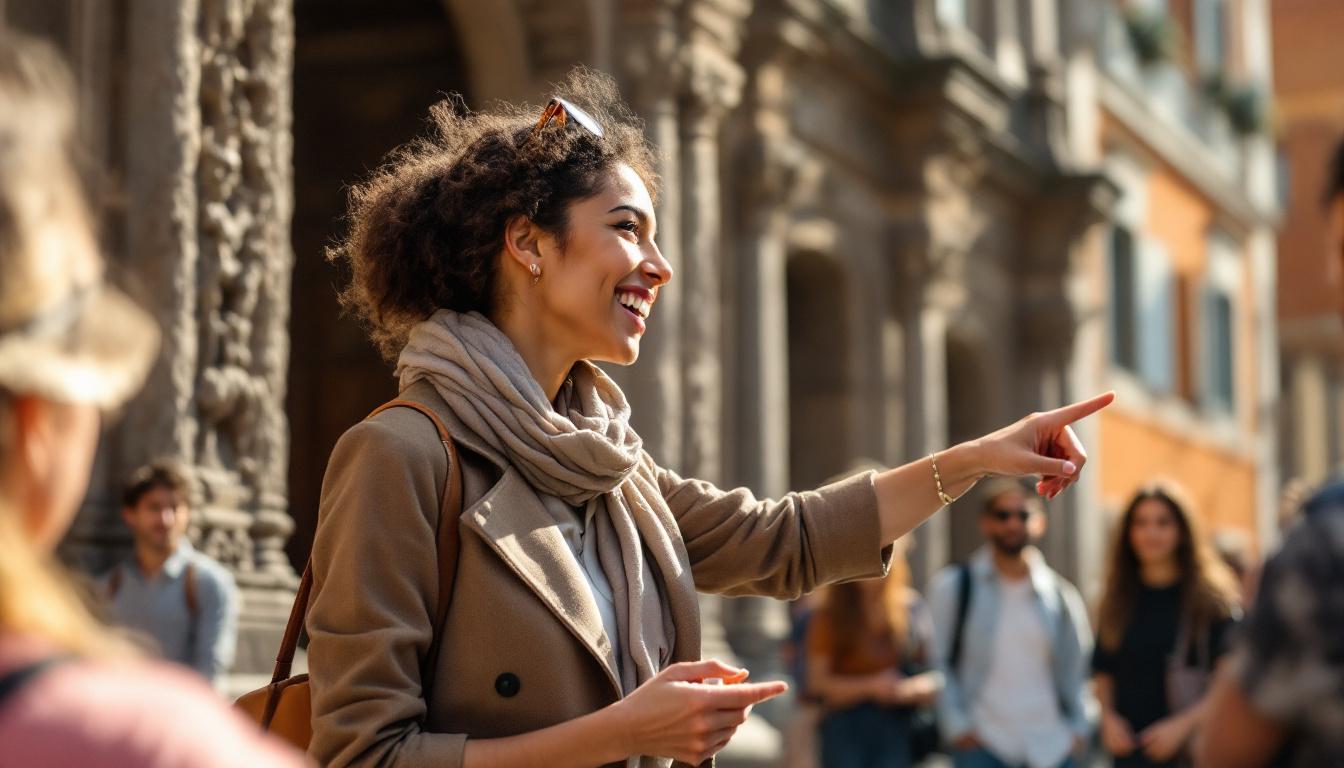
- Organize and lead guided tours, aligning with targeted visitor engagement metrics.
- Collaborate with local historians to ensure historical accuracy in presentations.
- Manage program schedules and budgets to meet operational constraints.
- Evaluate visitor feedback to enhance program effectiveness and satisfaction.
- Maintain compliance with cultural preservation regulations and standards.
- Conduct training sessions for staff to optimize visitor interactions.
- Coordinate with schools to implement educational workshops that fit curriculum needs.
- Utilize social media platforms to promote heritage events and increase attendance.
- Foster relationships with local community groups and cultural organizations.
Work environments
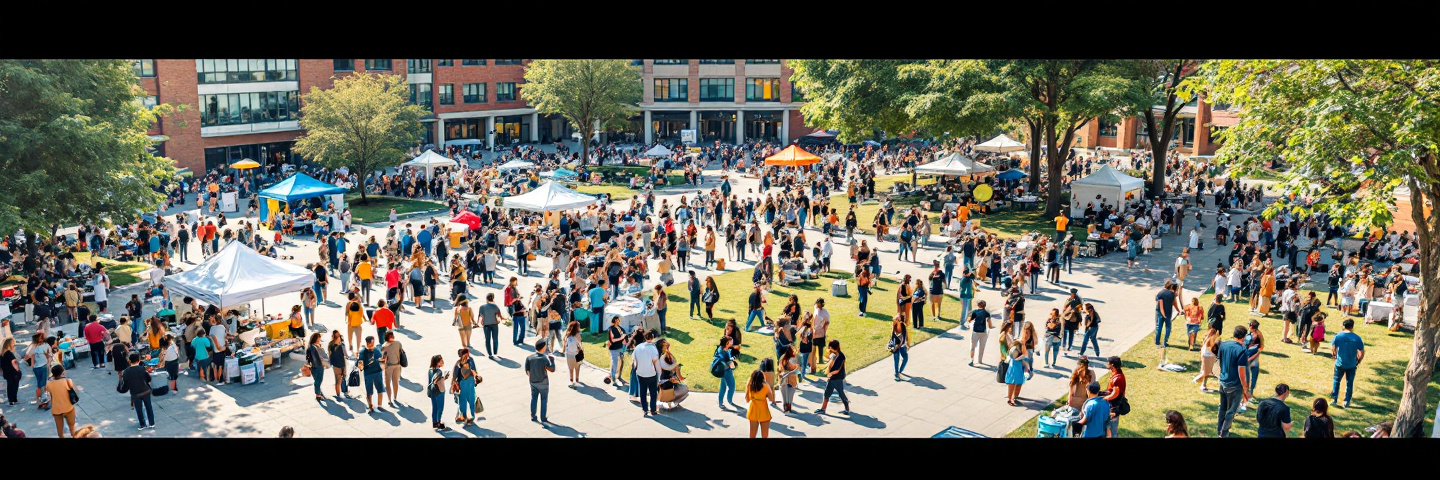
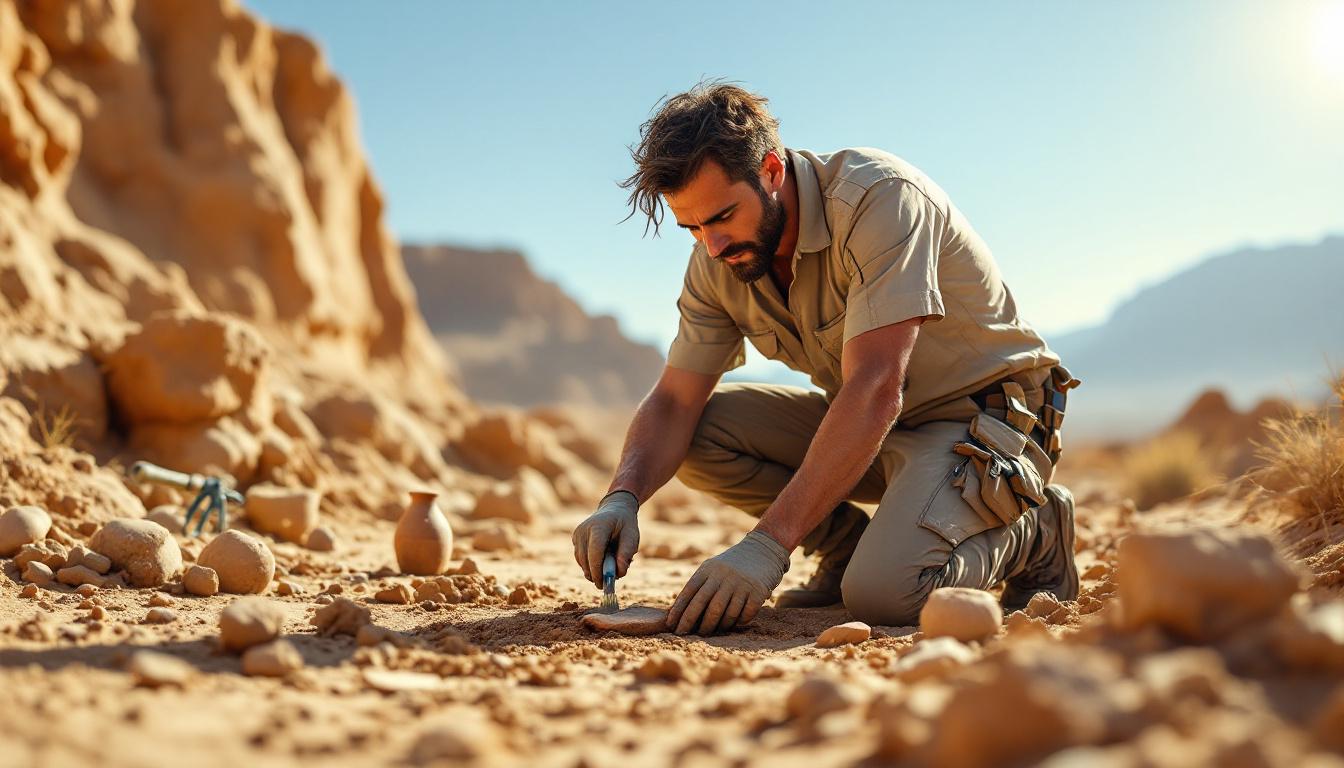
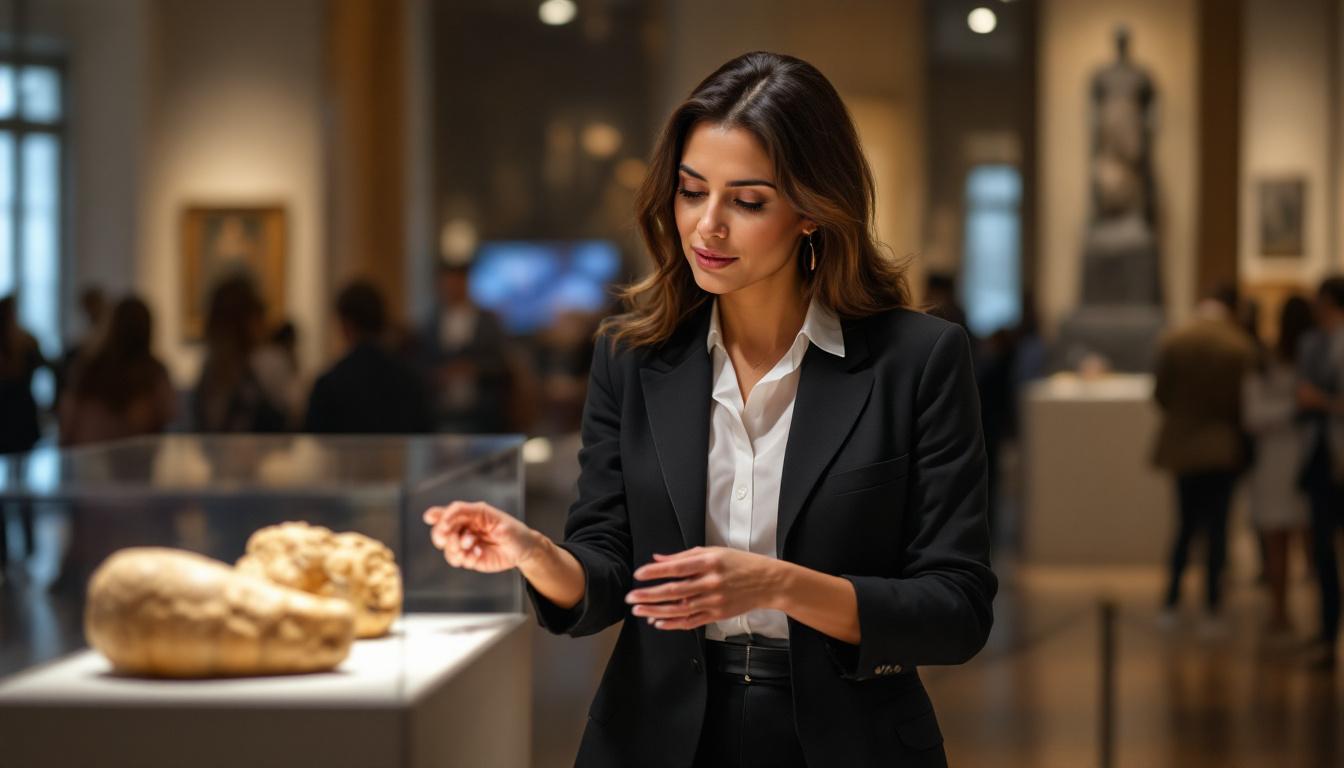
Work environments for professionals in this sector may vary:
Career paths
- Advance to a Cultural Program Manager role, overseeing broader initiatives
- Become a Museum Curator, managing collections and exhibitions
- Lead as a Community Engagement Director, fostering public relations
- Consult as a Heritage Consultant, advising on preservation strategies
Profile sought
Entering the profession
Entry into the field is often through internships, volunteer work, or entry-level positions in museums or cultural organizations. Practical experience is highly valued.
Training — United States
Becoming a heritage facilitator generally involves obtaining a bachelor's degree in history, cultural studies, or a related field. Supplementary certifications in museum studies or interpretive guiding can enhance employability.
The job market — United States
The job market for heritage facilitators is moderate, with opportunities primarily in museums, cultural institutions, and tourism sectors. Demand is stable with some growth expected as cultural heritage gains public interest.
FAQ
How to train for this job
Programmes suggested by Ulydia to enter this profession.