
Post-Master's Certificate in Microbiological Sciences and Immunology
This one-year post-master's certificate in Microbiological Sciences and Immunology deepens expertise in microbiology and immunology, preparing graduates for research and specialized roles in biomedical and health sectors in the US.
About
This Post-Master's Certificate in Microbiological Sciences and Immunology is designed for students who already hold a master's degree in related fields and want to enhance their knowledge and skills in microbiology and immunology. It is ideal for those aiming to work in research laboratories, healthcare, or biotechnology companies. The program focuses on advanced scientific concepts and practical techniques, enabling graduates to contribute to scientific studies, diagnostics, or development of treatments.
- The certificate is completed in one year of full-time study in the United States.
- It targets students with a master's degree in biology, microbiology, immunology, or related areas.
- Graduates can pursue roles in research, clinical laboratories, or biotech industries.
- The program helps deepen understanding of microbial physiology and immune system mechanisms.
- It offers a pathway to specialized scientific careers beyond a traditional master's degree.
What you study
The curriculum covers advanced topics in microbiology and immunology, combining theoretical knowledge with laboratory practice. Students engage in specialized courses and hands-on experiments to master techniques used in research and diagnostics.
- Core subjects include microbial genetics, immunopathology, and cellular microbiology.
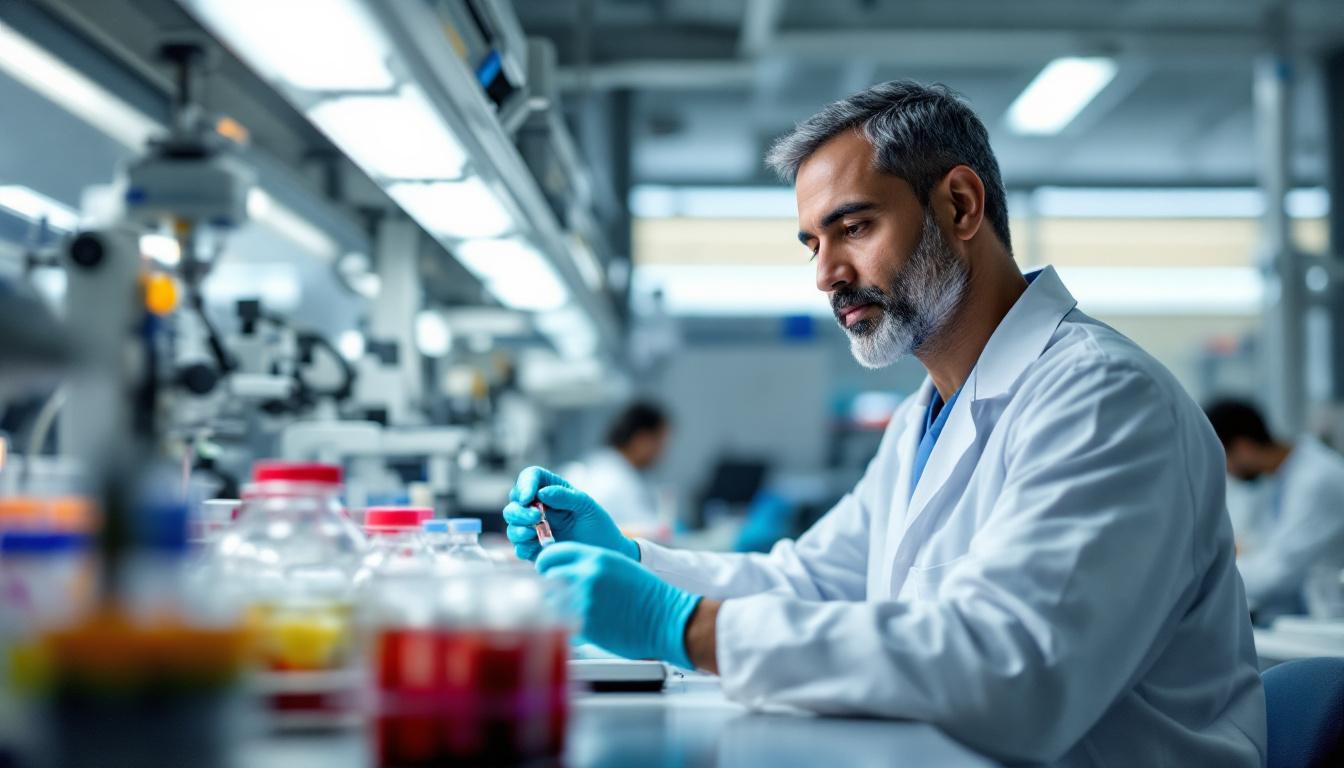
- Students learn to analyze immune responses and microbial interactions through laboratory work and case studies.
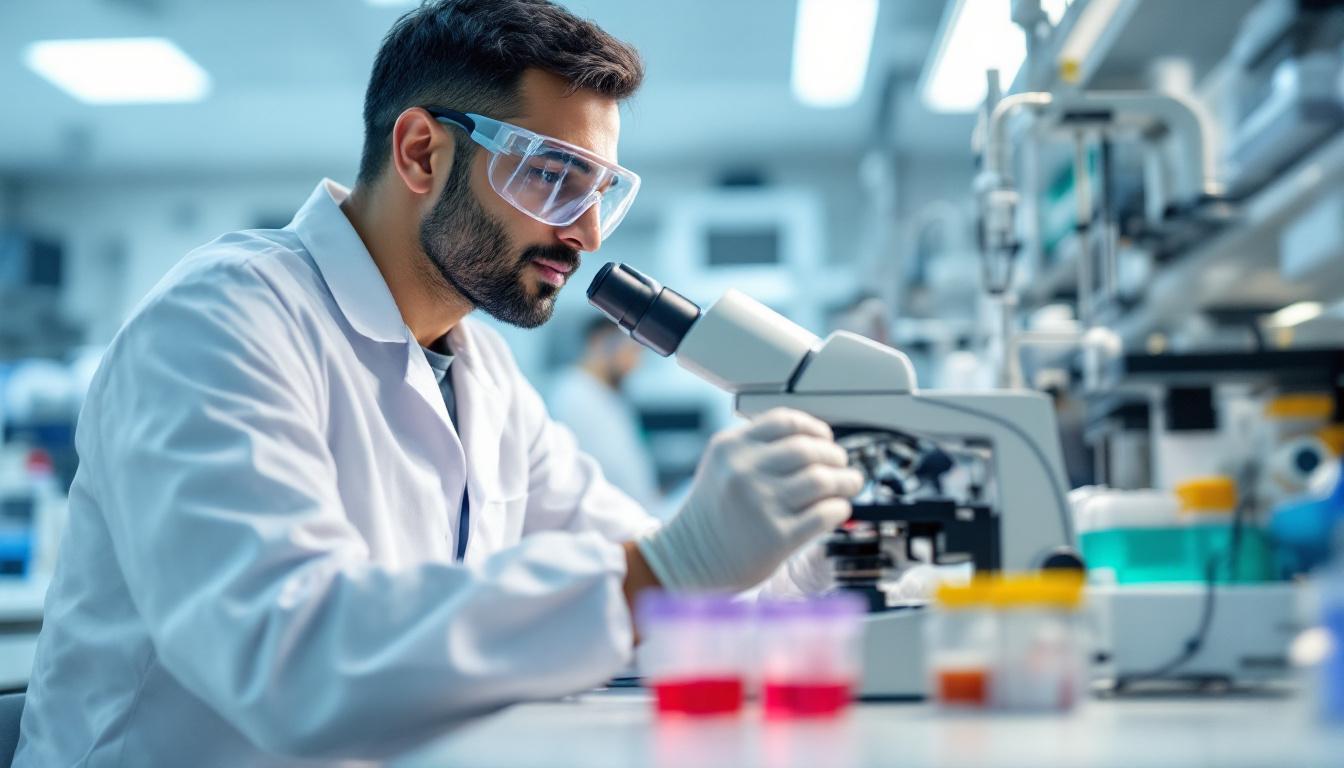
- The program emphasizes practical skills such as culturing microorganisms and immunoassays.
- Courses progress from foundational concepts to complex applications in infectious disease research.
- Research projects or lab rotations provide real-world experience in scientific environments.
- The balance between lectures and practical sessions prepares students for professional roles.
How to get in
Admission requires candidates to have completed a master's degree in a relevant scientific field. The US higher education system evaluates applications based on academic records, recommendation letters, and sometimes interviews or tests.
- Applicants must hold a master's degree in biology, microbiology, immunology, or related disciplines.
- They submit transcripts, letters of recommendation, and a statement of purpose.
- Some programs may require GRE scores or proof of English proficiency for international students.
- The selection favors candidates with strong academic backgrounds and interest in research.
- Applications are processed by the university's graduate admissions office following US procedures.
Day to day
The one-year program combines coursework with laboratory practice and research activities. Students typically follow a structured schedule balancing classes and hands-on sessions.
- Weekly schedules include lectures, seminars, and lab practicals.
- Students may participate in research projects under faculty supervision.
- Some programs offer opportunities for internships in biotech companies or clinical labs.
- The workload requires consistent study and practical engagement throughout the year.
- There is no formal alternance system, but internships can provide professional exposure.
Careers this degree leads to
Graduates can work in various scientific and health-related sectors. The certificate enhances employability in research, diagnostics, and biotechnology fields.
- Job options include research assistant, laboratory technician, and clinical microbiologist.
- Employers are often research institutes, hospitals, and biotech companies.
- The demand for specialists in microbiology and immunology is steady in biomedical research and public health.
- Career entry is generally smooth for those with relevant background and practical experience.
- The certificate supports advancement in scientific careers or further academic study.




Careers after further study
These careers require a higher level of study than this degree.

Continuing your studies
After this certificate, students may consider doctoral studies or specialized professional roles. The program can serve as a stepping stone for further academic or research careers.
- Possible next steps include enrolling in a PhD program in microbiology or immunology.
- Some graduates may choose to enter clinical certification programs or specialized training.
- The certificate also supports transitions into roles requiring advanced scientific knowledge.
Where to study this degree (12)










Liste des 12 établissements
- Michigan State UniversityEast Lansing
- Duke UniversityDurham
- University of FloridaGainesville
- George Mason UniversityFairfax
- Columbia UniversityNew York
- Drexel UniversityPhiladelphia
- University of Michigan-Ann ArborAnn Arbor
- Georgetown UniversityWashington
- Colorado State University-Fort CollinsFort Collins
- University of ArizonaTucson
- University of OklahomaNorman
- San Jose State UniversitySan Jose
Frequently asked questions
Who is eligible to apply for this certificate?
Applicants must have completed a master's degree in microbiology, immunology, or a related field. The program is designed for students seeking advanced specialization.
Is this certificate recognized in the United States?
Yes, it is an official post-master's certificate offered by accredited US universities, aligning with the EQF level 7 standard.
Does the program include practical laboratory work?
Yes, laboratory sessions and research projects are integral parts of the curriculum to develop hands-on skills.
Can international students apply to this program?
International students can apply but must provide proof of English proficiency and meet admission requirements.
Are internships part of the program?
While formal internships are not always mandatory, some programs encourage or offer opportunities for practical experience in relevant labs or companies.
What career opportunities does this certificate open?
Graduates can work in research labs, clinical diagnostics, biotech firms, or public health sectors requiring expertise in microbiology and immunology.
Is this certificate a prerequisite for doctoral studies?
It is not always required but can strengthen an application for PhD programs by providing advanced knowledge and research experience.
Can I work while studying this certificate?
The program is typically full-time and intensive, so balancing work and study may be challenging but depends on individual circumstances.