
Post-Master's Certificate in Biochemistry, Biophysics and Molecular Biology
This one-year post-master's certificate in Biochemistry, Biophysics, and Molecular Biology deepens advanced scientific knowledge and skills, preparing graduates for research or specialized roles in life sciences.
About
This certificate is a specialized one-year program designed for students who already hold a master's degree in related scientific fields. It aims to deepen knowledge in biochemistry, biophysics, and molecular biology, focusing on advanced techniques and concepts. It is intended for those who want to enhance their expertise for research positions, doctoral studies, or specialized industry roles.
- The program targets graduates with a strong background in biological or chemical sciences.
- It provides advanced training beyond the master’s level, focusing on molecular and cellular mechanisms.
- Graduates can pursue careers in research laboratories, biotechnology companies, or academic environments.
- The certificate strengthens practical skills and theoretical understanding in interdisciplinary life sciences.
- It is especially suited for those considering doctoral research or specialized scientific roles.
What you study
The curriculum covers advanced topics in biochemistry, biophysics, and molecular biology, combining theoretical courses with laboratory work. The program is intensive and designed to build on prior graduate studies.
- Students study molecular interactions, protein structure, and cellular processes in depth.
- Courses include advanced spectroscopy, structural biology, and molecular genetics.
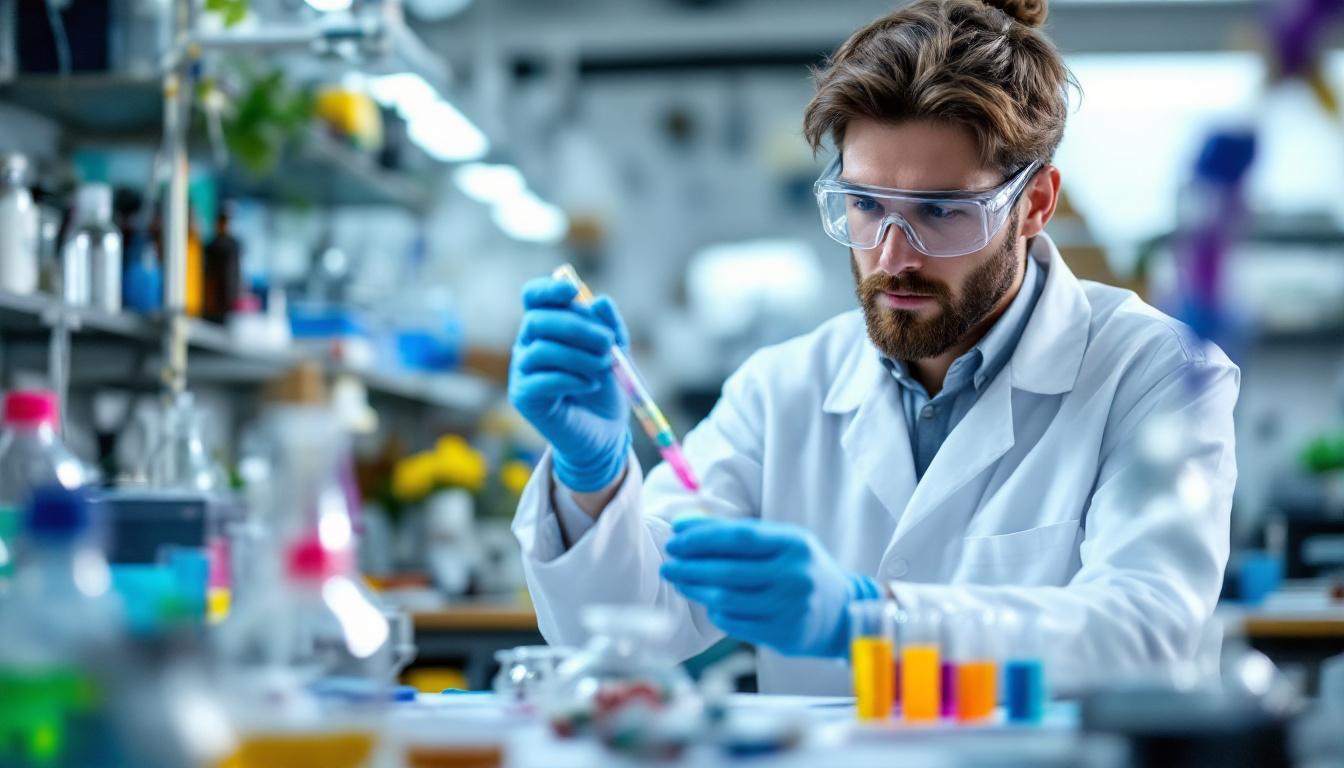
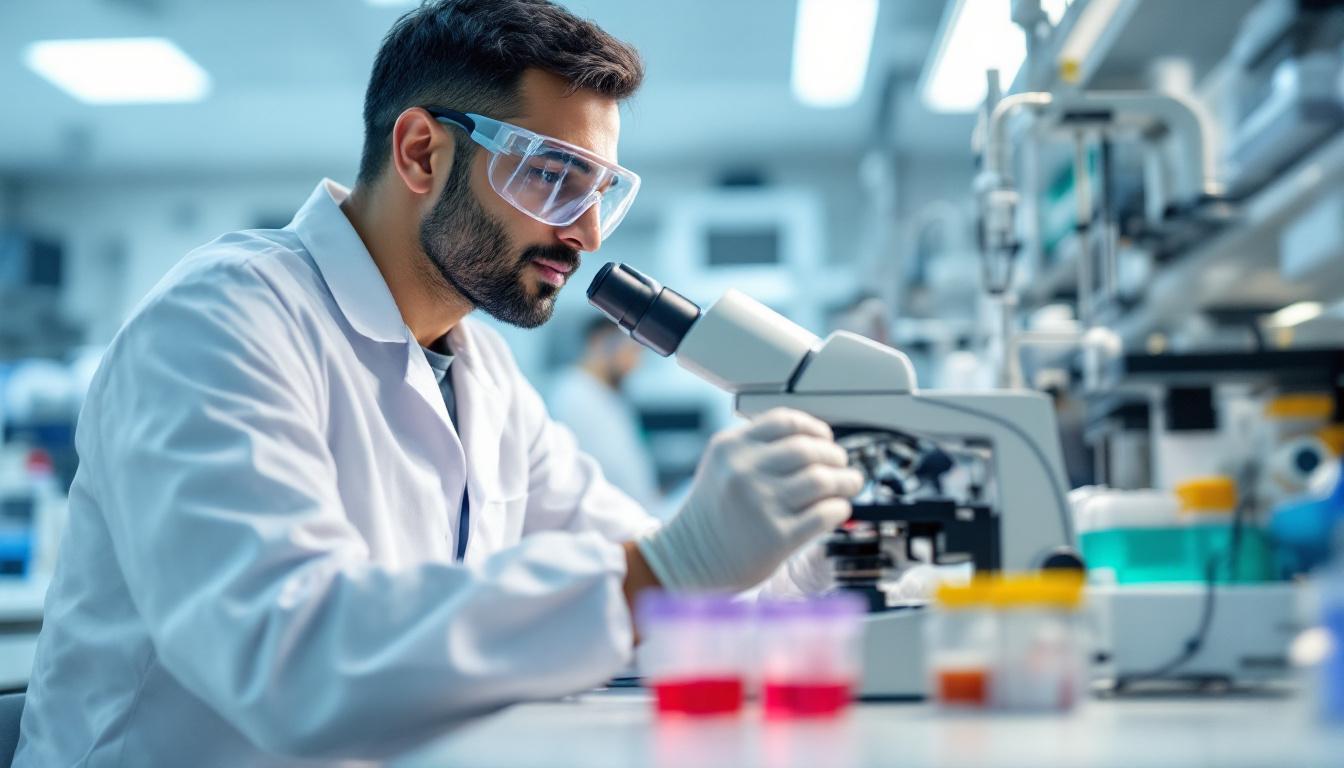
- Laboratory sessions focus on experimental techniques such as chromatography, microscopy, and molecular cloning.
- The program emphasizes research methodology and data analysis skills.
- Students often engage in a research project or thesis to apply their knowledge practically.
- The balance between lectures and hands-on practice prepares students for scientific problem-solving.
How to get in
Admission requires completion of a relevant master's degree, typically in biochemistry, molecular biology, biophysics, or a closely related field. The US admission process involves submitting academic transcripts, letters of recommendation, and sometimes a research proposal.
- Applicants must demonstrate strong academic performance in prior graduate studies.
- Some programs may require GRE scores or proof of English proficiency for international students.
- Admission committees look for candidates with clear research interests aligned with faculty expertise.
- Relevant laboratory experience is often considered an advantage.
- The process is competitive but accessible to motivated students with appropriate backgrounds.
Day to day
The academic year is structured around lectures, laboratory work, and research projects. Students spend significant time in labs applying techniques and analyzing data. Collaboration with faculty and peers is common.
- Weekly schedules typically include several hours of classes and practical sessions.
- Students work on individual or group research projects under faculty supervision.
- Time management is important to balance coursework and experimental work.
- Some programs may offer opportunities for internships in research institutions or biotech companies.
- The program usually does not include formal alternating work-study arrangements.
Careers this degree leads to
Graduates can access specialized roles in research, development, and quality control within academic, industrial, or clinical settings. The certificate enhances employability in competitive scientific fields.
- Common career paths include research scientist, laboratory specialist, or technical consultant.
- Biotechnology firms, pharmaceutical companies, and academic labs are typical employers.
- The certificate supports entry into doctoral programs and advanced research roles.
- Employment opportunities depend on prior experience and additional qualifications.
- The job market values practical skills and up-to-date scientific knowledge.




Careers after further study
These careers require a higher level of study than this degree.

Continuing your studies
After this certificate, students may choose to pursue doctoral studies (PhD) to deepen research expertise. Alternatively, they may consider specialized master's degrees or professional certifications in related fields.
- Doctoral programs in biochemistry, molecular biology, or biophysics are common next steps.
- Some may transition to interdisciplinary fields such as bioinformatics or biomedical engineering.
- Others may seek professional development courses to enhance specific technical skills.
Where to study this degree (20)














Liste des 20 établissements
- University of Texas Southwestern Medical CenterDallas
- Washington State UniversityPullman
- University of MississippiOxford
- Purdue University West LafayetteWest Lafayette
- Missouri State UniversitySpringfield
- Montclair State UniversityMontclair
- Suffolk UniversityBoston
- Oklahoma State University-Main CampusStillwater
- Iowa State UniversityAmes
- Stevens Institute of TechnologyHoboken
- University of California-Los AngelesLos Angeles
- Tennessee State UniversityNashville
- Duke UniversityDurham
- Southern Adventist UniversityCollegedale
- University at BuffaloBuffalo
- Columbia UniversityNew York
- San Francisco State UniversitySan Francisco
- University of North Carolina at GreensboroGreensboro
- Rhode Island CollegeProvidence
- Texas State UniversitySan Marcos
Frequently asked questions
Who is eligible to apply for this certificate?
Applicants need to have completed a master's degree in a related scientific discipline such as biochemistry, molecular biology, or biophysics. Relevant academic background and research experience improve admission chances.
Is this certificate recognized internationally?
The certificate is awarded by US institutions and is recognized within academic and professional circles, especially in life sciences research fields.
Can I work while studying this program?
The program is intensive and primarily full-time, so balancing work and study can be challenging. It typically does not offer formal work-study options.
Does the program include practical laboratory work?
Yes, hands-on laboratory sessions are a key component, allowing students to develop and apply experimental skills essential for research.
What kind of research projects will I do?
Students usually undertake projects related to molecular mechanisms, protein analysis, or cellular processes, often supervised by faculty experts.
Can this certificate lead to a PhD program?
Yes, many students use this certificate as a stepping stone to doctoral studies in related fields, strengthening their research skills and academic profile.
Is prior laboratory experience necessary?
While not always mandatory, prior laboratory experience is highly recommended to succeed in the practical components of the program.
What careers can I pursue after completing this certificate?
Graduates typically find roles in research laboratories, biotech companies, or academic settings as scientists, technicians, or consultants.