Doctor of Philosophy (PhD) in Geological and Earth Sciences/Geosciences
A PhD in Geological and Earth Sciences/Geosciences trains students in advanced research on Earth's processes, preparing them for careers in academia, industry, or government research.
About
The Doctor of Philosophy (PhD) in Geological and Earth Sciences/Geosciences is a research-focused degree in the United States that typically takes between four and seven years to complete. It is designed for students who have completed a bachelor's or master's degree and want to deepen their understanding of Earth's physical structure, processes, and history. This doctorate is suited for those interested in conducting original research and contributing new knowledge to fields such as geology, geophysics, or environmental science. Graduates often pursue careers as researchers, university professors, or experts in sectors like natural resource management or environmental consulting.
- The PhD involves extensive research on topics like plate tectonics, mineralogy, or climate change.
- It is aimed at students with strong scientific backgrounds and a passion for discovery.
- Completing the degree demonstrates the ability to conduct independent scientific research.
- It prepares students for roles requiring high-level expertise in Earth sciences.
- The degree is awarded by universities accredited in the United States.
What you study
The PhD program is structured around original research combined with coursework that supports the student's specialization. Early years often include advanced classes in subjects such as geochemistry, sedimentology, and geophysics. As students progress, they focus more on their research projects under faculty supervision. Practical work includes field studies, laboratory experiments, and data analysis. Students must write a dissertation presenting their research findings and defend it before a committee. The program encourages collaboration and participation in scientific conferences to develop communication skills.
- Coursework covers advanced topics in geology and Earth sciences to build foundational knowledge.
- Research projects are central and typically involve fieldwork and lab analysis.
- Students gradually shift from classes to full-time research over the years.
- Regular meetings with advisors help guide the research process.
- The dissertation is a major written work presenting new scientific results.
- Participation in seminars and conferences is common to share findings.
How to get in
Admission to a PhD program in Geological and Earth Sciences in the US requires a relevant bachelor's or master's degree, often in geology, earth sciences, or related fields. Candidates usually submit transcripts, letters of recommendation, a statement of purpose, and standardized test scores if required. Programs look for students with strong academic records and research potential. Some universities may require prior research experience or a master's degree, but direct admission after a bachelor's is also possible. The selection process can be competitive, focusing on the applicant's fit with faculty research interests.
- Applicants need a bachelor's or master's degree in a related science field.
- Submission of academic transcripts and recommendation letters is required.
- A statement of purpose explains research interests and goals.
- Some programs ask for GRE scores, depending on the university.
- Research experience strengthens the application but is not always mandatory.
- The admission process is managed by the university's graduate school.
Day to day
A typical year in a PhD program involves a mix of coursework, research, and academic activities. Early stages include attending classes and starting research projects, while later years focus on fieldwork, data collection, and writing the dissertation. Students often participate in lab work and geological field trips to collect samples and observe natural phenomena. They meet regularly with advisors to discuss progress and may teach undergraduate classes. Conferences and workshops provide opportunities to present research and network with other scientists.
- Students spend significant time on research and data analysis throughout the program.
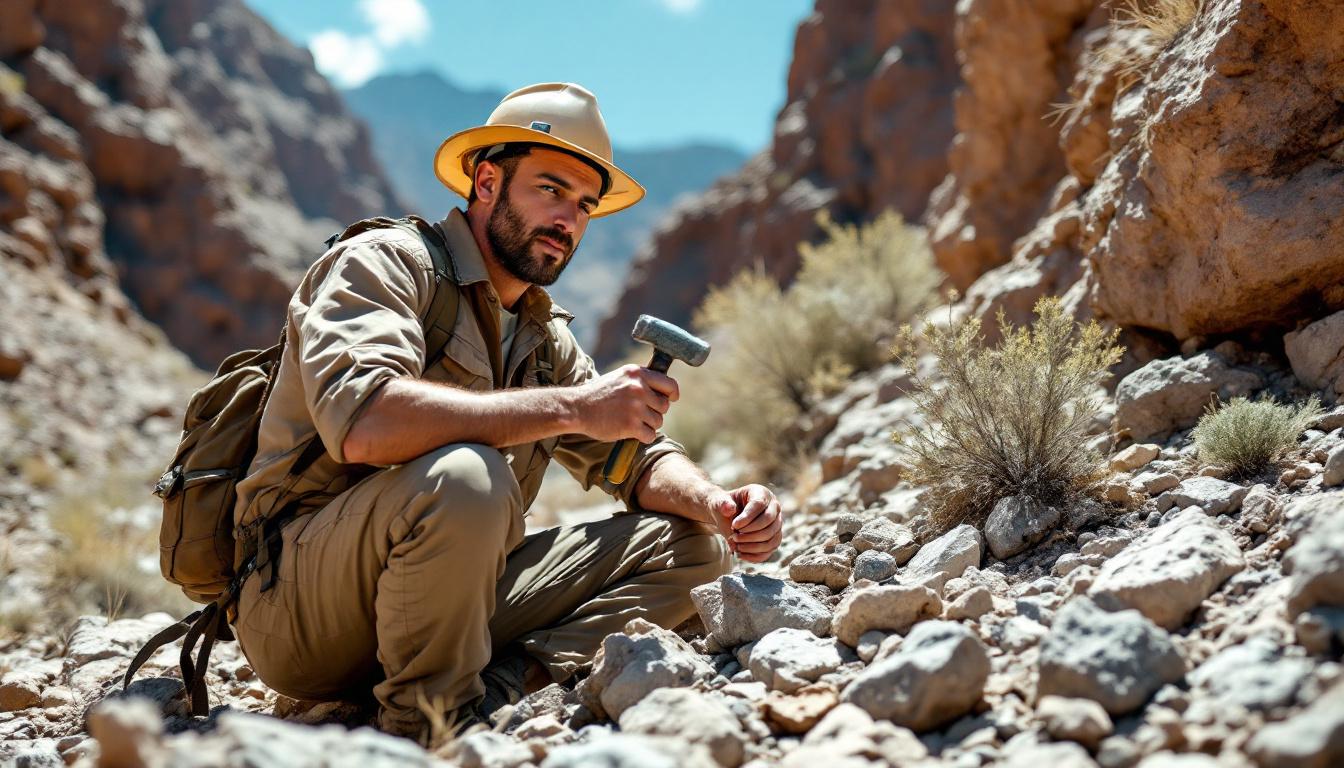
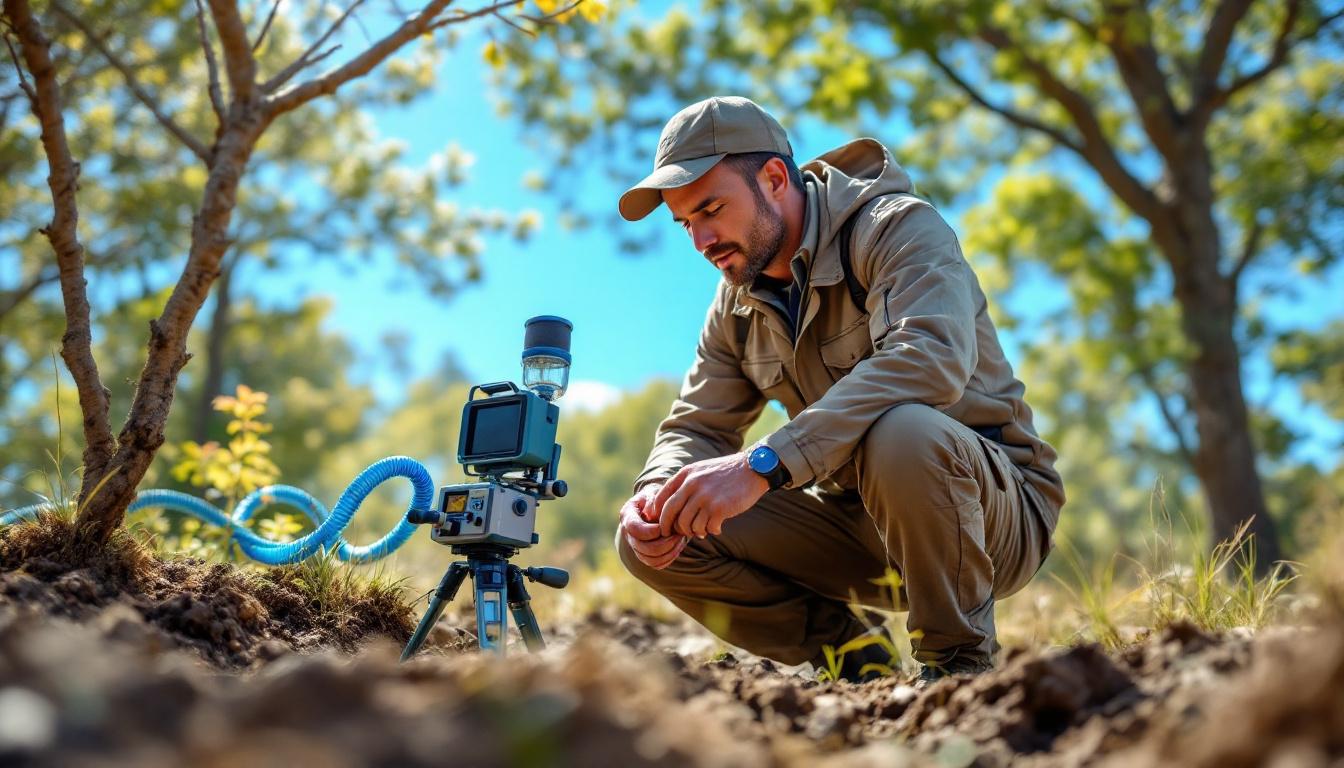
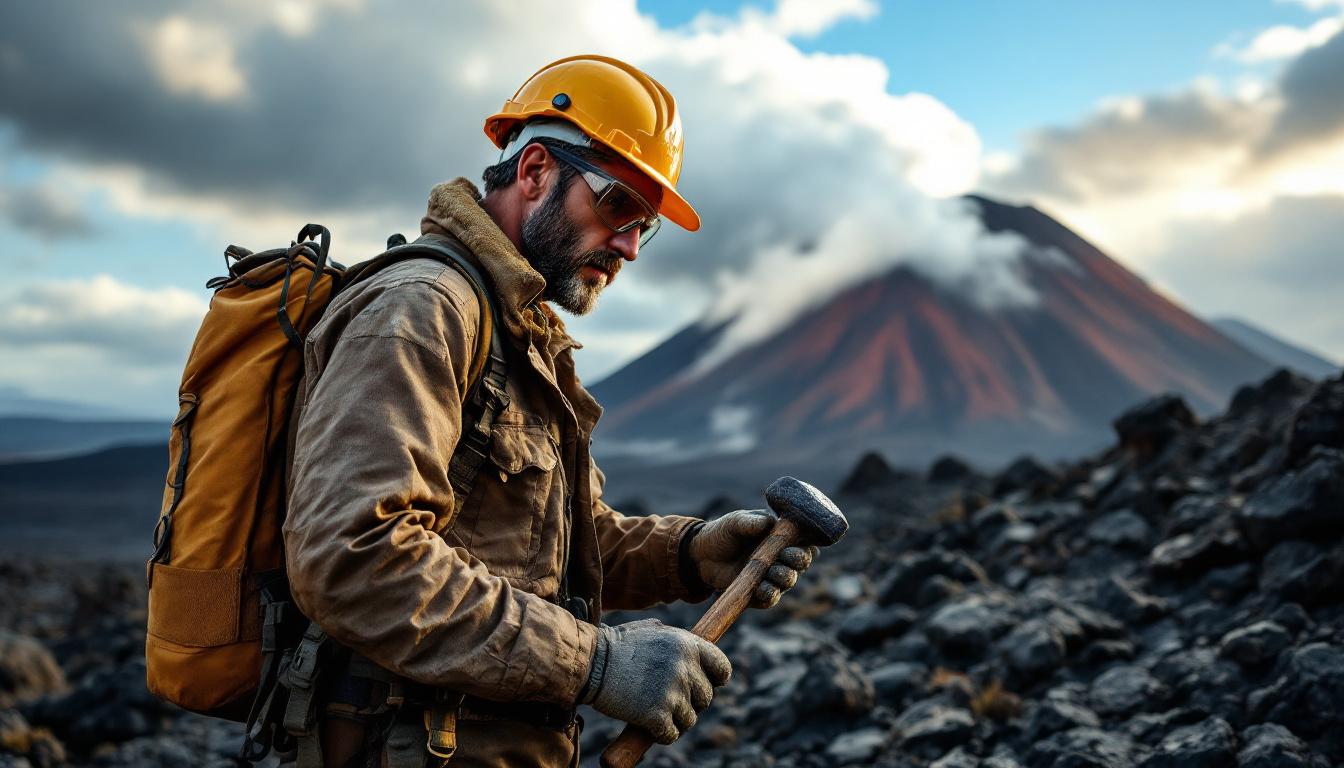
- Fieldwork is common to gather geological samples and observations.
- Teaching assistantships may be part of the experience.
- Regular meetings with advisors help keep the project on track.
- Participation in scientific conferences is encouraged.
- The pace varies, with more independent work in later years.
Careers this degree leads to
Graduates with a PhD in Geological and Earth Sciences can work in academia, industry, or government. Common career paths include university professor, research scientist, environmental consultant, or roles in natural resource exploration. Employers value the advanced research skills and scientific knowledge gained during the doctorate. The job market can be competitive, but many find positions in universities, geological surveys, environmental agencies, or private companies focused on mining, oil, or environmental management. The transition to employment often involves postdoctoral research or internships.
- Many graduates become university professors or academic researchers.
- Opportunities exist in environmental consulting and natural resource industries.
- Government agencies hire experts for geological surveys and environmental monitoring.
- Research skills are applicable in energy and mining sectors.
- The job market requires persistence and networking.
- Postdoctoral positions can help gain experience before permanent roles.



Continuing your studies
After completing a PhD in Geological and Earth Sciences, graduates may pursue postdoctoral research positions to deepen their expertise and build a publication record. Some may transition to interdisciplinary fields such as environmental science, climate studies, or engineering geology. Others might move into management or policy roles related to natural resources or environmental protection. While the PhD is the highest academic degree, continuous professional development and collaboration with other disciplines can open new career paths.
- Postdoctoral research allows for further specialization and experience.
- Some graduates shift to interdisciplinary fields like environmental science.
- Professional roles in policy or resource management are possible.
- Additional training or certifications may be pursued depending on career goals.
Where to study this degree (200)







Liste des 200 établissements
- West Virginia Wesleyan CollegeBuckhannon
- Virginia Wesleyan UniversityVirginia Beach
- Cabrillo CollegeAptos
- Wright State UniversityDayton
- University of Alaska SoutheastJuneau
- Cape Fear Community CollegeWilmington
- Weber State UniversityOgden
- Purdue University Fort WayneFort Wayne
- Buffalo State UniversityBuffalo
- California State University, San BernardinoSan Bernardino
- Coastal Carolina UniversityConway
- University of Hawaii at HiloHilo
- West Texas A&M UniversityCanyon
- Kapiolani Community CollegeHonolulu
- Vermont Technical CollegeRandolph
- Prairie State CollegeChicago Heights
- Bowling Green State UniversityBowling Green
- University of Rhode IslandKingston
- Washington State UniversityPullman
- Southern New Hampshire UniversityManchester
- Mississippi State UniversityStarkville
- University of Pittsburgh-Pittsburgh CampusPittsburgh
- Pennsylvania State University-Main CampusUniversity Park
- University of Washington-Seattle CampusSeattle
- University of North Carolina at CharlotteCharlotte
- Texas A & M University-College StationCollege Station
- University of ArizonaTucson
- University of California-Santa CruzSanta Cruz
- University of California-San DiegoLa Jolla
- University of California-Santa BarbaraSanta Barbara
- University of Michigan-Ann ArborAnn Arbor
- United States Naval AcademyAnnapolis
- The University of Texas at AustinAustin
- University at BuffaloBuffalo
- Ohio University LancasterAthens
- Western Washington UniversityBellingham
- Montana State UniversityBozeman
- University of Nevada, Las VegasLas Vegas
- California Polytechnic State UniversitySan Luis Obispo
- Purdue University West LafayetteWest Lafayette
- Colorado School of MinesGolden
- North Carolina State UniversityRaleigh
- Stanford UniversityStanford
- Commonwealth University of PennsylvaniaBloomsburg
- Louisiana State University and Agricultural & Mechanical CollegeBaton Rouge
- Miami University-OxfordOxford
- University of Tennessee at KnoxvilleKnoxville
- Georgia State UniversityAtlanta
- Fort Hays State UniversityHays
- University of Illinois ChicagoChicago
- University of WyomingLaramie
- College of CharlestonCharleston
- California State University, FullertonFullerton
- Cal Poly HumboldtArcata
- University of FloridaGainesville
- University of OklahomaNorman
- University of California-BerkeleyBerkeley
- University of South FloridaTampa
- Portland State UniversityPortland
- University of South Carolina-ColumbiaColumbia
- James Madison UniversityHarrisonburg
- University of UtahSalt Lake City
- Appalachian State UniversityBoone
- United States Coast Guard AcademyNew London
- Central Washington UniversityEllensburg
- University of California-IrvineIrvine
- University of North Carolina WilmingtonWilmington
- Michigan State UniversityEast Lansing
- Dartmouth CollegeHanover
- SUNY GeneseoGeneseo
- Montclair State UniversityMontclair
- University of Puerto Rico-MayaguezMayaguez
- Colorado State University-Fort CollinsFort Collins
- William & MaryWilliamsburg
- University of Wisconsin–MadisonMadison
- University of Wisconsin–Eau ClaireEau Claire
- University of Minnesota-Twin CitiesMinneapolis
- California State University, NorthridgeNorthridge
- University of HoustonHouston
- The University of Texas at San AntonioSan Antonio
- University of OregonEugene
- Georgia Institute of Technology-Main CampusAtlanta
- Texas Tech UniversityLubbock
- Northern Arizona UniversityFlagstaff
- Kent State University at KentKent
- Massachusetts Institute of TechnologyCambridge
- Columbia UniversityNew York
- Binghamton UniversityBinghamton
- University of Colorado BoulderBoulder
- Illinois State UniversityNormal
- Wayne State UniversityDetroit
- University of ConnecticutStorrs
- California State Polytechnic UniversityPomona
- Virginia TechBlacksburg
- Oregon State UniversityCorvallis
- Missouri State UniversitySpringfield
- Lehigh UniversityBethlehem
- University of California-DavisDavis
- Florida Atlantic UniversityBoca Raton
- Eastern Washington UniversityCheney
- Florida State UniversityTallahassee
- Slippery Rock UniversitySlippery Rock
- University of PennsylvaniaPhiladelphia
- George Mason UniversityFairfax
- University of Florida-OnlineGainesville
- University of AkronAkron
- University of Louisiana at LafayetteLafayette
- The University of Texas at ArlingtonArlington
- Iowa State UniversityAmes
- Sonoma State UniversityRohnert Park
- University of North Carolina at Chapel HillChapel Hill
- Brigham Young University - IdahoRexburg
- Eastern Connecticut State UniversityWillimantic
- Boise State UniversityBoise
- Brown UniversityProvidence
- University of Wisconsin–OshkoshOshkosh
- University of California, MercedMerced
- University of California-Los AngelesLos Angeles
- Oklahoma State University-Main CampusStillwater
- University of Tennessee at ChattanoogaChattanooga
- Old Dominion UniversityNorfolk
- California State University, FresnoFresno
- CUNY Graduate School and University CenterNew York
- University of Nevada, RenoReno
- University of MemphisMemphis
- The University of Texas at DallasRichardson
- University of IowaIowa City
- Kean UniversityUnion
- University of New OrleansNew Orleans
- California Institute of TechnologyPasadena
- Boston UniversityBoston
- Western Michigan UniversityKalamazoo
- Clemson UniversityClemson
- SUNY OneontaOneonta
- California State University, BakersfieldBakersfield
- University of CincinnatiCincinnati
- Grand Valley State UniversityAllendale
- Brooklyn CollegeBrooklyn
- Kutztown UniversityKutztown
- Ohio State University-Main CampusColumbus
- Fort Lewis CollegeDurango
- The University of MontanaMissoula
- Cornell UniversityIthaca
- University of Southern MississippiHattiesburg
- West Virginia UniversityMorgantown
- SUNY New PaltzNew Paltz
- West Chester UniversityWest Chester
- California State University, SacramentoSacramento
- University of Northern ColoradoGreeley
- University of Hawaiʻi at MānoaHonolulu
- University of Nebraska–LincolnLincoln
- University of Wisconsin-MilwaukeeMilwaukee
- Hobart and William Smith CollegesGeneva
- Trinity UniversitySan Antonio
- The University of Texas of the Permian BasinOdessa
- Pennsylvania Western UniversityCalifornia
- Florida International UniversityMiami
- Macalester CollegeSaint Paul
- Rowan UniversityGlassboro
- University of AlabamaTuscaloosa
- University of New HampshireDurham
- East Tennessee State UniversityJohnson City
- Tennessee Technological UniversityCookeville
- South Dakota School of Mines and TechnologyRapid City
- Georgia Southern UniversityStatesboro
- University of Missouri-ColumbiaColumbia
- University of MiamiCoral Gables
- University of ArkansasFayetteville
- University of MaineOrono
- Southern Utah UniversityCedar City
- Bowdoin CollegeBrunswick
- Furman UniversityGreenville
- California State University, Long BeachLong Beach
- University of Houston - DowntownHouston
- Dickinson CollegeCarlisle
- State University of New York at OswegoOswego
- Ball State UniversityMuncie
- Williams CollegeWilliamstown
- University of Illinois Urbana-ChampaignUrbana
- University of KentuckyLexington
- Oberlin CollegeOberlin
- Metropolitan State University of DenverDenver
- University of KansasLawrence
- Vanderbilt UniversityNashville
- Indiana University-IndianapolisIndianapolis
- Utah State UniversityLogan
- Salem State UniversitySalem
- Valdosta State UniversityValdosta
- Middle Tennessee State UniversityMurfreesboro
- Florida Gulf Coast UniversityFort Myers
- University of Tennessee at MartinMartin
- Missouri University of Science and TechnologyRolla
- Pacific Lutheran UniversityTacoma
- University of California, RiversideRiverside
- Colorado CollegeColorado Springs
- Stony Brook UniversityStony Brook
- Calvin UniversityGrand Rapids
- University of GeorgiaAthens
- East Carolina UniversityGreenville
- Colorado Mesa UniversityGrand Junction
Frequently asked questions
What prior education is needed to apply for this PhD?
Applicants typically need a bachelor's or master's degree in geology, earth sciences, or a related field. Strong academic performance and some research experience are important for admission.
How long does it take to complete the PhD?
The program usually lasts between four and seven years, depending on the research topic and progress.
Is there any coursework during the PhD?
Yes, students take advanced courses in geology and related subjects during the early years before focusing mainly on research.
Do students have to do fieldwork?
Fieldwork is often an important part of the research, involving collecting samples and observing geological features in natural settings.
Can I work while doing the PhD?
Some students may have teaching assistantships or research assistant roles, but the PhD generally requires full-time commitment.
What careers can I pursue after this PhD?
Graduates often work as university professors, research scientists, environmental consultants, or in natural resource industries.
Is it possible to continue studying after the PhD?
While the PhD is the highest degree, many graduates do postdoctoral research to gain more experience or specialize further.
How competitive is admission to this program?
Admission is very selective, with universities looking for strong academic records and research potential.