
Doctor of Philosophy (PhD) in Ecology, Evolution, Systematics, and Population Biology
This PhD trains students in ecology, evolution, systematics, and population biology, preparing them for research and academic careers in biological sciences.
About
The Doctor of Philosophy (PhD) in Ecology, Evolution, Systematics, and Population Biology is a doctoral degree offered in the United States. It is designed for students who have completed a master's degree or equivalent in biology or related fields and who want to deepen their expertise in understanding living organisms and their interactions over time. This diploma prepares graduates to conduct original research, contribute to scientific knowledge, and pursue careers in academia, research institutions, or environmental organizations.
- The program focuses on advanced study of ecology, evolutionary biology, systematics, and population biology.
- It is intended for students with a strong background in biological sciences and research methods.
- Graduates often become researchers, university professors, or specialists in biodiversity and conservation.
- The degree emphasizes developing skills in scientific analysis, fieldwork, and data interpretation.
- The program typically lasts between four and seven years depending on research progress.
What you study
The PhD program involves a combination of coursework, research, and dissertation writing over several years. Early years focus on deepening knowledge and research skills, while later years concentrate on original research projects.
- Students take advanced courses in ecological theory, evolutionary mechanisms, and taxonomic methods.
- Practical work includes field studies, laboratory experiments, and data analysis using statistical software.
- The curriculum progresses from structured classes to independent research under faculty supervision.
- Students develop and defend a research proposal, then conduct extensive studies to produce a doctoral dissertation.
- Participation in seminars and scientific conferences is common to present findings and receive feedback.
- The balance between theory and practice is essential, with a significant portion of time devoted to hands-on research.
How to get in
Admission to this PhD program requires a strong academic background and research experience in biology or related disciplines. The process is competitive and involves several steps.
- Applicants must hold a master's degree or equivalent in biological sciences or a related field.
- The application includes submission of academic transcripts, letters of recommendation, and a statement of research interests.
- Many programs require standardized test scores such as the GRE, though requirements vary by institution.
- Prospective students often need to identify potential faculty advisors whose research aligns with their interests.
- Strong motivation for research and previous experience in ecological or evolutionary studies are highly valued.
- Interviews or additional assessments may be part of the selection process.
Day to day
The day-to-day life of a PhD student in this field involves a mix of coursework, research activities, and academic engagement. The work is often self-directed but supported by faculty mentors.
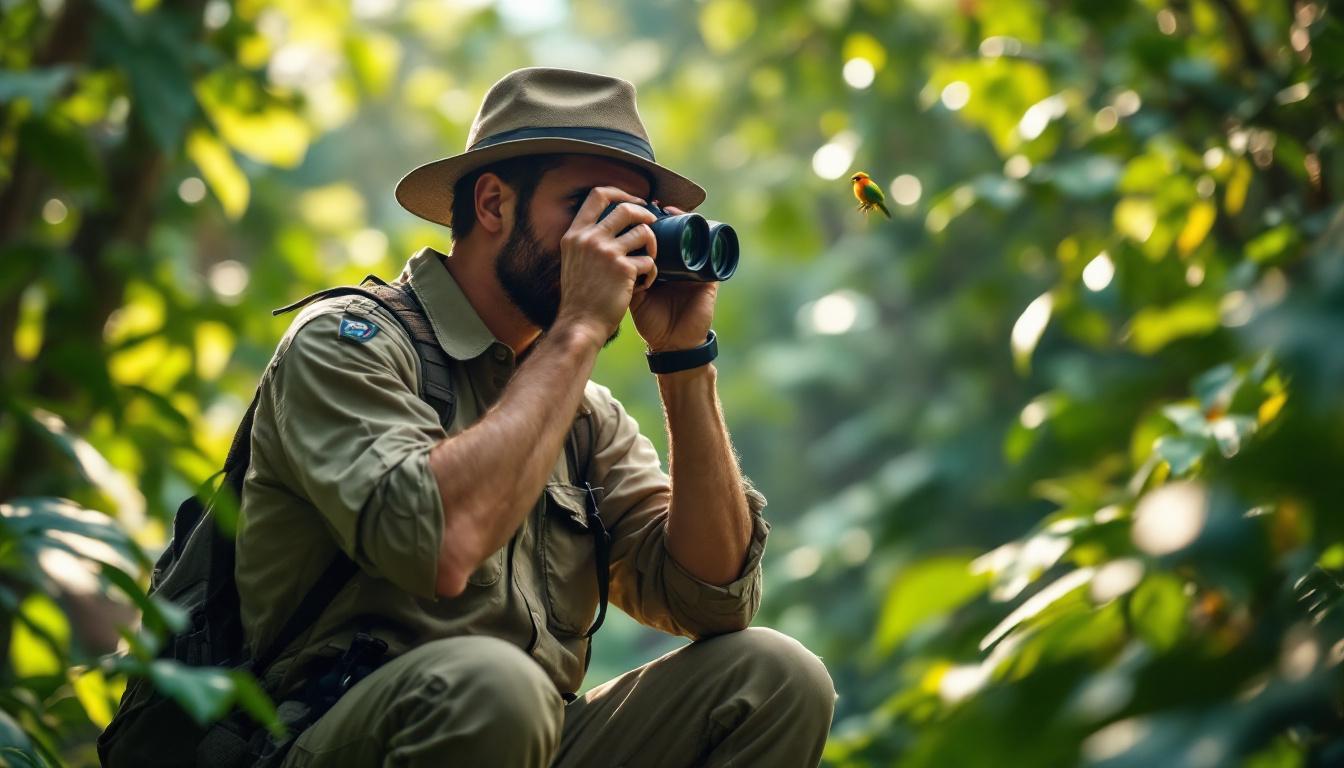
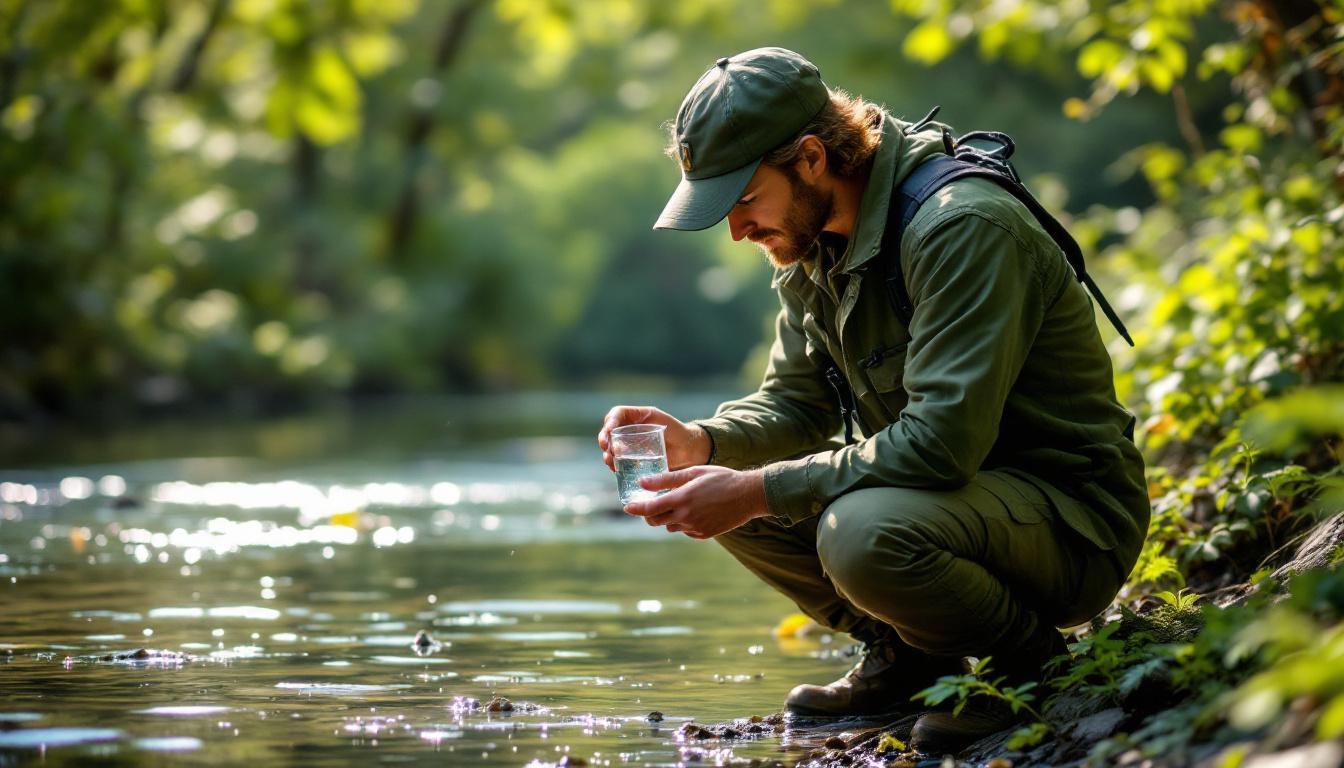
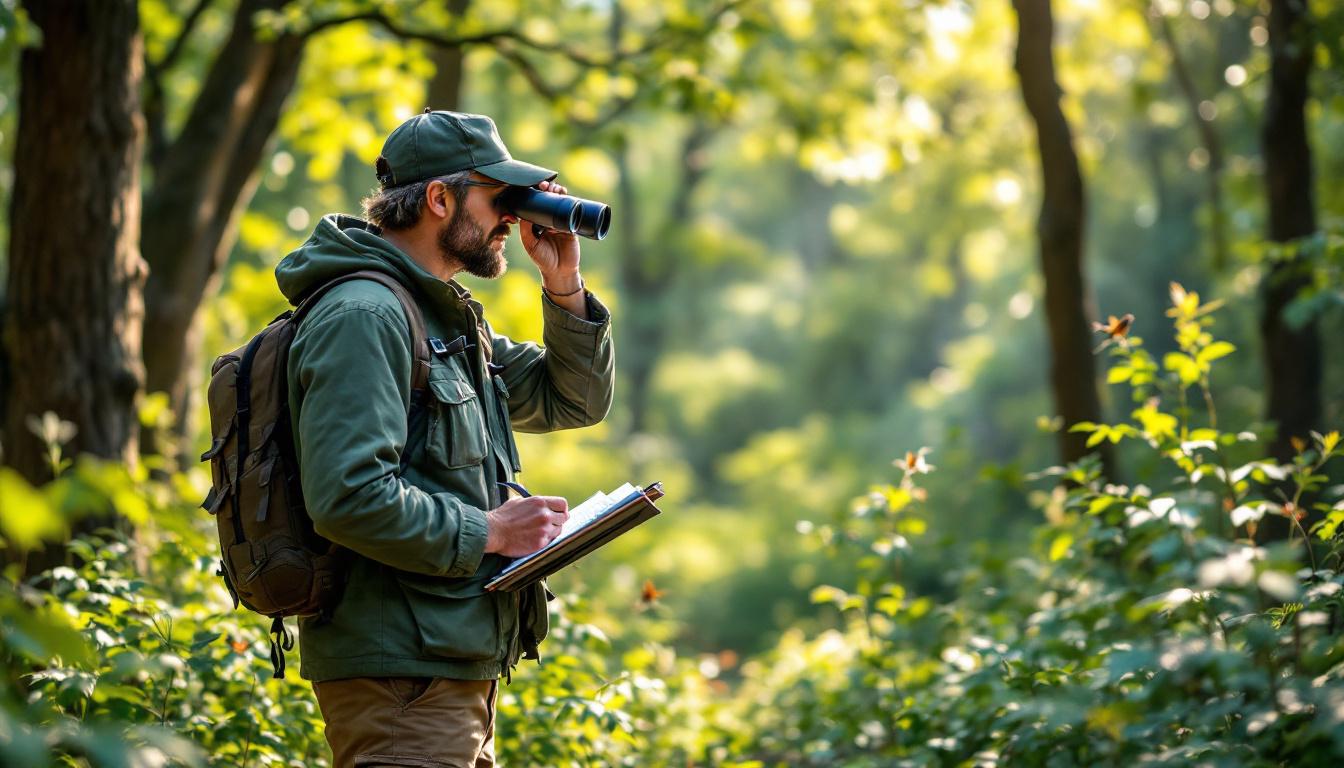
- Students spend time conducting fieldwork to collect data on organisms and ecosystems.
- Laboratory work includes sample analysis and use of specialized equipment.
- Regular meetings with advisors help guide research progress and troubleshoot challenges.
- Students attend seminars to stay updated on recent scientific developments.
- Writing and revising research papers and dissertation chapters is a continuous task.
- Teaching assistantships or mentoring undergraduate students may also be part of the experience.
Careers this degree leads to
Graduates with this PhD can pursue various careers in science and education. The degree opens doors to research and specialist roles in multiple sectors.
- Many become university professors conducting research and teaching.
- Positions in government research agencies or environmental organizations are common.
- Some work in conservation biology or biodiversity management.
- Others join nonprofits or international institutions focused on ecological issues.
- Research careers often require securing funding and publishing scientific articles.
- The job market can be competitive, but the degree is essential for advanced scientific roles.



Continuing your studies
After earning this PhD, further academic or professional development is possible but not obligatory. Some graduates continue research or diversify their expertise.
- Postdoctoral research positions allow deeper specialization and experience.
- Some pursue additional training in related fields such as environmental policy or data science.
- Others transition to roles in science communication or administration.
- The PhD provides a strong foundation for lifelong learning and career flexibility.
Where to study this degree (118)




















Liste des 118 établissements
- Harvard UniversityCambridge
- University of California-DavisDavis
- University of Washington-Seattle CampusSeattle
- University of North Carolina at Chapel HillChapel Hill
- Columbia UniversityNew York
- The University of Texas Health Science Center at HoustonHouston
- Michigan State UniversityEast Lansing
- Johns Hopkins UniversityBaltimore
- University of Michigan-Ann ArborAnn Arbor
- Texas A & M University-College StationCollege Station
- University of Minnesota-Twin CitiesMinneapolis
- University of Colorado BoulderBoulder
- Colorado State University-Fort CollinsFort Collins
- Cornell UniversityIthaca
- University of California-Santa CruzSanta Cruz
- University of FloridaGainesville
- University of Southern CaliforniaLos Angeles
- Utah State UniversityLogan
- University of GeorgiaAthens
- University of California-IrvineIrvine
- Vanderbilt UniversityNashville
- University of Nevada, RenoReno
- Ohio State University-Main CampusColumbus
- University of KansasLawrence
- University of California-San DiegoLa Jolla
- University of MiamiCoral Gables
- University of Massachusetts-AmherstAmherst
- University of Hawaiʻi at MānoaHonolulu
- SUNY College of Environmental Science and ForestrySyracuse
- University of Pittsburgh-Pittsburgh CampusPittsburgh
- University of California-Los AngelesLos Angeles
- University of South Carolina-ColumbiaColumbia
- University of California-BerkeleyBerkeley
- William & MaryWilliamsburg
- The University of MontanaMissoula
- University of California-Santa BarbaraSanta Barbara
- Indiana University BloomingtonBloomington
- University of Maryland, BaltimoreBaltimore
- University of ConnecticutStorrs
- University at AlbanyAlbany
- University of OklahomaNorman
- Drexel UniversityPhiladelphia
- University of ArizonaTucson
- Pennsylvania State University-Main CampusUniversity Park
- The University of Texas at AustinAustin
- San Diego State UniversitySan Diego
- Emory UniversityAtlanta
- University of Louisiana at LafayetteLafayette
- University of Colorado Denver/Anschutz Medical CampusDenver
- University of California, RiversideRiverside
- University of ChicagoChicago
- Duke UniversityDurham
- Rutgers University-New BrunswickNew Brunswick
- George Washington UniversityWashington
- University of UtahSalt Lake City
- University of Maryland-College ParkCollege Park
- University of Central FloridaOrlando
- University of Illinois Urbana-ChampaignUrbana
- University of South FloridaTampa
- University of Puerto Rico-MayaguezMayaguez
- Brown UniversityProvidence
- Princeton UniversityPrinceton
- University of IowaIowa City
- University of MemphisMemphis
- University of KentuckyLexington
- Dartmouth CollegeHanover
- Kent State University at KentKent
- Arizona State University Campus ImmersionTempe
- University of PennsylvaniaPhiladelphia
- The University of Texas at El PasoEl Paso
- Saint Louis UniversitySt Louis
- North Dakota State UniversityFargo
- Case Western Reserve UniversityCleveland
- University of DelawareNewark
- University of WyomingLaramie
- University of Tennessee at KnoxvilleKnoxville
- Tulane UniversityNew Orleans
- University of Southern MississippiHattiesburg
- Boise State UniversityBoise
- Washington University in St LouisSaint Louis
- University at BuffaloBuffalo
- University of Maryland-Baltimore CountyBaltimore
- University of California-San FranciscoSan Francisco
- University of North Carolina WilmingtonWilmington
- University of Illinois ChicagoChicago
- Yale UniversityNew Haven
- Indiana University-IndianapolisIndianapolis
- University of Alaska FairbanksFairbanks
- Stony Brook UniversityStony Brook
- Miami University-OxfordOxford
- University of CincinnatiCincinnati
- Rice UniversityHouston
- The University of Texas Medical Branch at GalvestonGalveston
- University of Wisconsin–MadisonMadison
- West Virginia UniversityMorgantown
- Virginia Commonwealth UniversityRichmond
- Old Dominion UniversityNorfolk
- Stanford UniversityStanford
- Iowa State UniversityAmes
- University of Nebraska Medical CenterOmaha
- Medical University of South CarolinaCharleston
- University of Maryland Eastern ShorePrincess Anne
- Brigham Young UniversityProvo
- Boston UniversityBoston
- Loma Linda UniversityLoma Linda
- University of Arkansas for Medical SciencesLittle Rock
- Morgan State UniversityBaltimore
- Louisiana State University Health Sciences Center-New OrleansNew Orleans
- Temple UniversityPhiladelphia
- University of RochesterRochester
- Oklahoma State University-Main CampusStillwater
- Texas A&M University – Corpus ChristiCorpus Christi
- University of North Texas Health Science CenterFort Worth
- Lehigh UniversityBethlehem
- University of New OrleansNew Orleans
- Northeastern UniversityBoston
- University of Wisconsin-MilwaukeeMilwaukee
- University of Alabama at BirminghamBirmingham
Frequently asked questions
What prior education is needed to apply for this PhD?
Applicants typically need a master's degree in biology or a related field. Strong research experience and knowledge in ecology or evolution are important.
How long does the PhD usually take?
The duration varies but generally ranges from four to seven years depending on the research progress and dissertation completion.
Is this PhD program offered online or only on campus?
Most programs require on-campus presence due to the importance of fieldwork and laboratory activities.
Can students work while pursuing this PhD?
PhD studies are demanding and usually full-time. Some students may have teaching assistantships, but balancing work and research can be challenging.
What kind of research projects do students undertake?
Projects often focus on understanding species interactions, evolutionary processes, biodiversity patterns, or population dynamics in natural environments.
Are there opportunities to publish research during the PhD?
Yes, publishing scientific articles is encouraged and often necessary for academic career advancement.
Is financial support available for PhD students?
Many programs offer scholarships, research assistantships, or teaching positions to help fund studies, but availability varies by institution.
What careers can I pursue after earning this PhD?
Graduates often work as university professors, research scientists, conservation specialists, or in environmental consulting and policy.